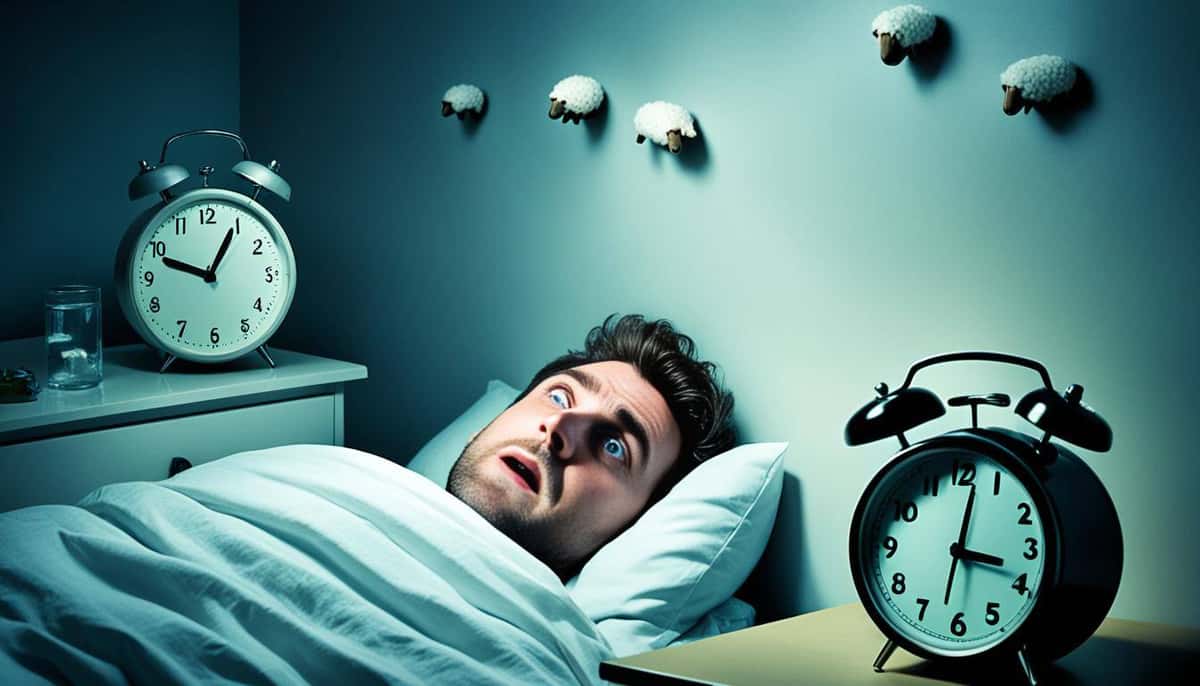

Have you ever wondered why so many people in our society struggle to get a good night's sleep? The Brazilian Sleep Association says that one in three Brazilians suffers from insomnia. This shows how insomnia affects not only sleep, but also our daily lives.<sup> 1</sup>
This article will discuss the symptoms of insomnia , its causes , and how to treat it. Insomnia doesn't just affect sleep; it can be linked to other important sleep disorders . We'll see how common it is, what factors cause it, and how to improve sleep.
What is insomnia?
Insomnia is a very common sleep disorder, affecting more than 40% of Brazilians, according to the WHO 2. It makes it difficult to fall asleep or stay asleep, causing fatigue the next day 3. To be considered insomnia, it must occur three times a week for more than three months, becoming chronic 3 .
There are many causes of insomnia, such as psychological factors, health conditions, and bad habits. Symptoms include irritability, tiredness, and difficulty focusing . Adults need 7 to 9 hours of sleep per day to feel well . Lack of sleep can lead to serious problems such as hypertension and heart disease.
https://www.youtube.com/watch?v=ao1mnlDB32Y
Symptoms of Insomnia
Insomnia symptoms are becoming a major problem in Brazil. The World Health Organization states that 40% of people suffer from insomnia. This makes it the most common sleep disorder among adults .
Symptoms can vary from person to person. However, some difficulties are common.
Trouble falling asleep
One of the main difficulties is having trouble falling asleep. This can lead to hours in bed without being able to sleep. A study in São Paulo showed that 15% of the population has insomnia. This could rise to 32% with more detailed tests. <sup>6</sup>
Women, especially, have more difficulties. This is due to hormonal factors throughout life .
Difficulty staying asleep
In addition to having difficulty falling asleep, many people have trouble staying asleep. Waking up during the night and not being able to fall back asleep can be frustrating. This affects sleep quality .
If insomnia lasts more than two weeks, it can become chronic . In that case, it's important to seek medical help.
Impaired sleep quality
Poor sleep quality is a major symptom of insomnia. People with insomnia may feel tired even after sleeping for several hours. This can cause drowsiness and irritability during the day.
People with chronic insomnia may be at risk of serious health problems. This can include heart disease and immune system problems. <sup>1 5 </sup>
Causes of Insomnia
The causes of insomnia are varied and can be divided into medical, psychological, and behavioral factors. Understanding these causes is important to help those who have difficulty sleeping .
Medical Causes
Respiratory problems, sleep apnea , chronic pain, and the effects of medications can cause insomnia. Studies indicate that certain medications and medical conditions affect sleep . Approximately 40% of the population suffers from some type of sleep disorder.
Psychological Causes
Stress, anxiety, and depression are common psychological causes of insomnia. These problems can create a vicious cycle, making sleep even more difficult. People who are stressed and have mental health problems are more prone to insomnia. <sup>7 8 </sup>
Behavioral Causes
Lifestyle habits also affect sleep. Using electronics before bed, consuming caffeine and alcohol, and a lack of routine can cause insomnia. Stress, worries, and life changes can also lead to insomnia .
https://www.youtube.com/watch?v=YFhYasNIw3k
Associated Sleep Disorders
Insomnia is linked to sleep disorders that affect our lives. Sleep apnea and restless legs syndrome are examples. These conditions require medical attention and can worsen insomnia.
Sleep Apnea
Sleep apnea occurs when breathing stops during sleep. This causes frequent awakenings and affects sleep. About 72% of Brazilians have sleep problems, including apnea .
Treatment depends on a quick diagnosis. Interventions such as CPAP or surgery can improve the lives of those affected.
Restless Legs Syndrome
Restless legs syndrome causes people to want to move their legs excessively. This makes it difficult to sleep and worsens insomnia . Many people underestimate the challenges of this syndrome.
This condition creates a difficult cycle. Lack of sleep worsens the symptoms and vice versa 11 .
It is crucial to recognize and treat these sleep disorders . This helps improve sleep, health, and well-being.
The Impact of Insomnia on Health
Insomnia affects many Brazilians, impacting both physical and mental health. Approximately 40% of Brazilians suffer from insomnia, which affects their quality of life. This can lead to problems such as hypertension, cardiac arrhythmias, and a higher risk of heart attack.
Physical Consequences
Insomnia can increase the risk of diabetes because it affects insulin resistance 12. Sleep problems can also lead to stress, obesity, and other health problems, affecting 15% to 43% of the population, mainly women 12 13. This creates a difficult cycle to break, increasing the risk of chronic diseases.
Psychological Consequences
Insomnia also has serious psychological effects. It can lead to depression and anxiety, affecting daily life. People may become irritable and have difficulty concentrating, harming work and relationships .
Treatment for Insomnia
There are several ways to treat insomnia, each suited to the individual. Sleep hygiene is very important. This means creating a good sleeping environment and adopting habits that help you rest better.
Focus on Sleep Hygiene
Having a routine is essential. It's good to go to bed and wake up at the same time every day. In addition, it's important to:
- Avoid coffee and alcohol at night;
- Don't stay in the light for too long before going to sleep;
- Practice relaxing activities, such as meditation;
- Keep the room dark and cool;
These practices improve sleep and help prevent health problems 14 .
Cognitive Therapies
Cognitive behavioral therapies are good for people with insomnia. They change thoughts and behaviors that affect sleep. CBT-I is one of them and is very effective. <sup>15 </sup>
Medication and Professional Monitoring
If lifestyle changes and therapies don't help, medication may be an option. Medications like Amitriptyline and Zolpidem are used, but be aware of side effects. It's important to have medical supervision for safe and effective treatment.
https://www.youtube.com/watch?v=eaVrZrIjMo0
How to Improve Sleep Quality
To improve sleep quality , it's important to create habits that change our nights. Establishing a fixed bedtime and wake-up time helps a lot. This helps the body adjust and improves melatonin production, which is essential for good sleep.<sup> 17</sup>
A quiet bedroom is essential for a good night's sleep. An appropriate temperature and soft light help the body relax . Avoiding the use of cell phones and computers before bed is also crucial, as they affect melatonin .
Following tips for better sleep is important. Exercise helps you feel happier during the day and improves sleep at night 17. Avoiding caffeine and alcoholic beverages before bed is also essential 17 .
Relaxing activities, such as meditating or reading, are great for relaxing the mind. They help prepare the body for a good night's sleep. If sleep continues to be poor, seek a sleep specialist for evaluation.

| Activity | Benefits |
|---|---|
| Physical exercises | It improves mood and regulates sleep. |
| Turn off electronics | It increases melatonin production. |
| Suitable environment | Improves sleep quality. |
| Relaxation | Prepare your mind and body for sleep. |
Sleep Difficulties: How to Overcome Them
Overcoming sleep difficulties requires understanding and taking action. A study showed that 15% of the Brazilian population suffers from chronic insomnia . In São Paulo, 45% have trouble sleeping , but only 10% seek help . It is crucial to know what causes insomnia, such as anxiety and excessive use of electronic devices before bed.
To overcome insomnia , it's important to have healthy habits. Having a fixed sleep and wake schedule helps a lot. It 's also good to relax before bed and have a comfortable bedroom. Mental health can worsen without good sleep, leading to depression and anxiety.
Practicing meditation and breathing techniques can reduce anxiety. This creates a better environment for sleep . Using these strategies and understanding the value of sleep is essential for a better life and avoiding problems.
https://www.youtube.com/watch?v=LTClWAgzE84
Chronic Insomnia: What to Do?
Chronic insomnia requires our attention and sometimes professional help. It's important to know the patterns and triggers that worsen sleep. This way, we can find ways to improve it. It's good to consult sleep specialists for a treatment that meets our needs.
Cognitive behavioral therapy is a good option for those who don't want to use medication. It helps improve sleep and is effective even for problems like chronic pain and anxiety. <sup>21</sup>
In addition, it's important to maintain good sleep hygiene and use medication only when necessary. It's crucial to speak with a doctor about treatment options and monitor progress.
Keeping a sleep diary helps us understand what affects our sleep. This can include stress, what we eat, and where we sleep. This allows us to identify what needs attention.<sup> 22</sup>

Chronic insomnia can increase the risk of heart disease, depression, and stress and anxiety problems 22. Misuse of substances and lifestyle changes can also worsen the situation 21 .
Proper treatment can greatly improve our lives and reduce risks. Understanding what insomnia is and its consequences is an important step towards recovery. Therefore, it's good to learn more about the subject, as in the article "What is insomnia? ".
Lifestyle and Insomnia
Our lifestyle directly affects the quality of our sleep . Daily stress can be a major problem. It can lead to insomnia. Work and personal problems can make it difficult to relax and sleep well.
Influence of Stress
Studies indicate that high stress levels increase hormones that impair sleep. Irritability and lack of concentration are signs of insufficient sleep. It is crucial to find ways to manage stress , such as exercise and relaxation.
The Importance of Routine
Having a routine is vital for anyone who wants to sleep better. Going to bed and waking up at the same time helps regulate sleep. It's also good to avoid screens before bed and create a quiet, dark environment.
https://www.youtube.com/watch?v=mxxsWB2Dnds
A balanced lifestyle and a respected routine can greatly improve sleep. These small changes can reduce the negative effects of stress on our nights .
Tests and Diagnosis
Diagnosing insomnia is a detailed process. It involves evaluating the patient's sleep history. Understanding how it's done is important in order to identify the causes and treat them correctly. This condition affects older people and women more often, with many cases of secondary insomnia. <sup>24</sup>
How is the diagnosis made?
To diagnose insomnia, we conduct several assessments. We begin with questionnaires and sleep diaries to better understand the problem. This step helps identify possible causes, as discussed in this article . A polysomnography may also be necessary if sleep disorders such as sleep apnea are suspected. Physical examination and analysis of living conditions are crucial for a complete diagnosis.
Recommended Tests
Recommended tests include:
| Exam | Purpose |
|---|---|
| Polysomnography | To monitor activities during sleep and identify related disorders. |
| Sleep Diary | Monitor sleep patterns and nighttime behaviors over the course of a week. |
| Assessment Questionnaires | Assess the severity of symptoms and associated psychological factors. |
These tests and diagnoses of insomnia help to understand the causes, such as stress and depression. Therapies such as sleep hygiene and cognitive therapy are essential for treatment. <sup>25</sup>

Conclusion
Insomnia affects about 10 to 15% of adults, affecting more women and the elderly. It is crucial to recognize the symptoms and understand the causes in order to seek help 26 27. Treatment varies, including lifestyle changes and medication, with cognitive behavioral therapy being very effective 28 .
Ignoring insomnia can lead to serious mental health problems, such as depression and anxiety. It can also affect daily performance.27 Therefore, it is important to seek treatment to improve sleep and health.
We encourage everyone to value sleep and to seek help from healthcare professionals when needed. With a careful approach, it is possible to improve sleep and achieve lasting well-being 26 28 .
FAQ
What are the main symptoms of insomnia?
Symptoms of insomnia include difficulty falling asleep or staying asleep. Additionally, waking up frequently during the night and not feeling rested upon waking are common. This can lead to daytime sleepiness and difficulty concentrating.
What are the common causes of insomnia?
Insomnia can be caused by medical problems such as sleep apnea and chronic pain. It can also be caused by stress, anxiety, and bad habits such as excessive use of electronics or drinking coffee or alcohol before bed.
What types of treatments are available for insomnia?
To treat insomnia, one can improve sleep hygiene and use cognitive therapies. In some cases, medication may be prescribed. Treatment should be tailored to each person's needs.
How can we improve sleep quality?
To improve sleep, it's important to create a suitable sleep environment. Avoiding electronics before bed and practicing relaxation techniques, such as meditation, helps a lot. Maintaining a regular routine is also fundamental.
What is chronic insomnia and how can we deal with it?
Chronic insomnia is defined as difficulty sleeping lasting more than three months. To manage this, it's important to identify patterns and triggers. Seeking professional help, such as psychotherapy and medical care, is essential. Keeping a sleep diary can be helpful.
What is the impact of insomnia on overall health?
Insomnia can greatly affect health, increasing the risk of problems such as hypertension, heart disease, depression, and irritability. It can also make people more susceptible to chronic illnesses and affect their quality of life.
How does stress affect insomnia?
Stress can worsen insomnia. It's important to manage daily stress. Having a good sleep routine and avoiding stimulants helps improve sleep.
What tests are recommended to diagnose insomnia?
To diagnose insomnia, an assessment of the patient's sleep history is conducted. Questionnaires and sleep diaries are used. In some cases, tests such as polysomnography may be necessary.
🌟 Have you considered seeking a therapist to support your well-being journey?
If this article sparked reflections about positive changes in your life, perhaps now is the ideal time to take the next step. Do you know hypnosis as a therapeutic tool? This approach can be surprisingly effective for various personal challenges.
Special offer: Book a free 20-minute consultation with therapist Fabio Morus and discover how therapy can transform your life.
✨ No commitment — Completely free — 20 minutes that can make a difference
👉 Click here to book your free consultation
Don't postpone your well-being any longer. The first step to change is just one click away.