
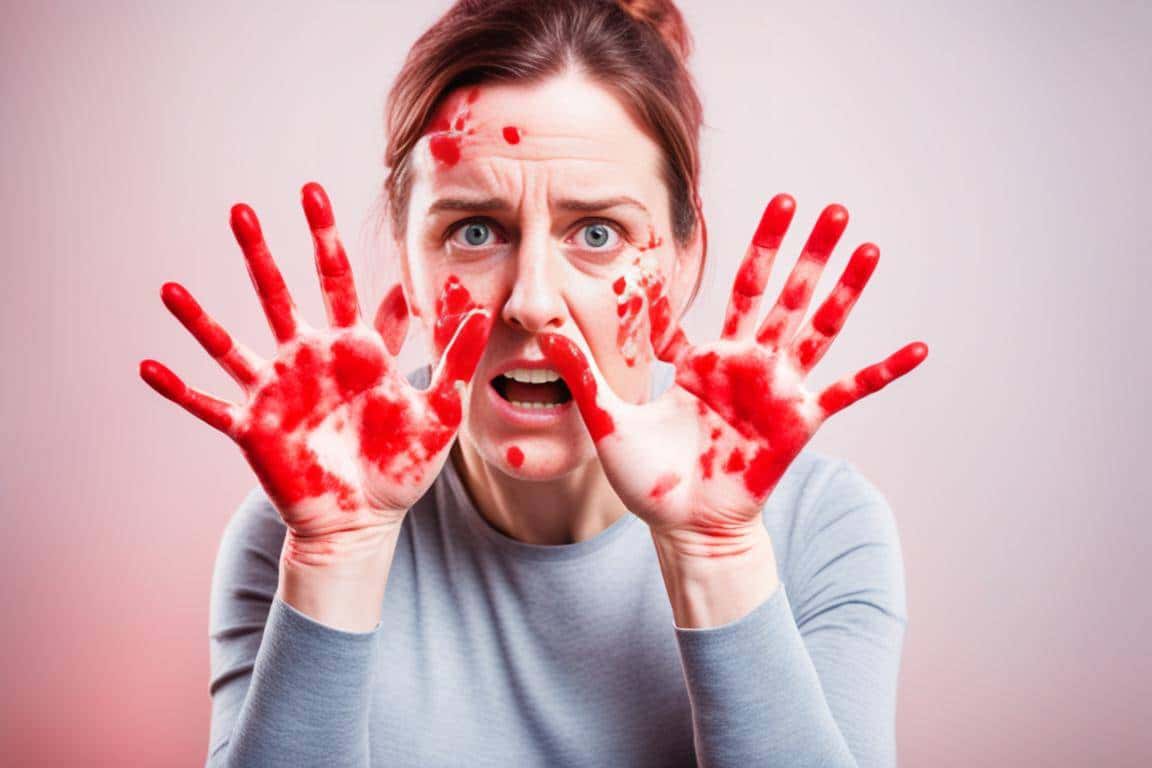
Did you know that more than 58 million people worldwide suffer from anxiety disorders ? That’s an alarming number. Anxiety symptoms affect not only the mind but also the skin. Do you recognize these signs? Anxiety symptoms on the skin are a natural response to stress , but they can become a disorder. During the pandemic, there was a 25 % increase in depression and anxiety . Furthermore, more than 70% of Brazilians have sleep problems, such as insomnia, which are signs of anxiety . Anxiety can also affect the skin. It can cause muscle tension , leading to pain and discomfort in areas such as the shoulders, neck, and back . Additionally, anxiety can rapidly change mood, from euphoria to crying . If you notice dry skin , hives , spots, itching , redness , or rashes , it could be a sign of anxiety . It’s important to understand these connections and seek medical help. This helps take care of both mental and physical health.
What is anxiety?
Definition and Statistics
Anxiety is a bodily reaction stemming from worry and fear. If it becomes too strong and affects daily life, it can turn into a disorder. This disorder brings crises with mental and physical symptoms. Brazil has the highest number of anxious people in the world . Approximately 18.6 million Brazilians, or 9.3% of the population, suffer from anxiety . There are many causes of anxiety, such as genes, hormonal diseases, and negative thoughts. Anxiety disorders range from excessive worry to OCD . Heart problems, hormonal diseases, and other conditions can also be linked to anxiety . Recently, more people are suffering from anxiety. The pandemic caused the number of cases of depression and anxiety to rise by 25%, according to the WHO.“Anxiety can worsen skin conditions such as eczema, vitiligo, dandruff, alopecia, herpes, and psoriasis.” 5Understanding anxiety, its causes and effects, is crucial. This helps in finding the right treatment and improving life.
Physical Symptoms of Anxiety
Anxiety can cause many symptoms in the body. One of them is muscle tension , which brings pain and stiffness to various parts of the body. This can affect the neck, shoulders, and back . Another symptom is sleep disturbance , such as insomnia and nightmares. This happens because of stress , which affects sleep and creates a cycle of fatigue . Anxiety can also change appetite. Some people eat a lot, others lose their taste for food. These changes are caused by stress . In addition, anxiety can cause emotional allergies . This can lead to itching, redness , and swelling of the skin . People with sensitive skin may have their problems worsened by anxiety . The symptoms of anxiety vary from person to person. They depend on age, emotions, reactions, and genetics . The diagnosis is made by observing the signs and symptoms, without specific tests. To treat the symptoms, anti-allergy medications and therapy with a psychologist can be used. In severe cases, corticosteroids and anti -anxiety medications may be used. It’s important to have medical supervision to find the best treatment.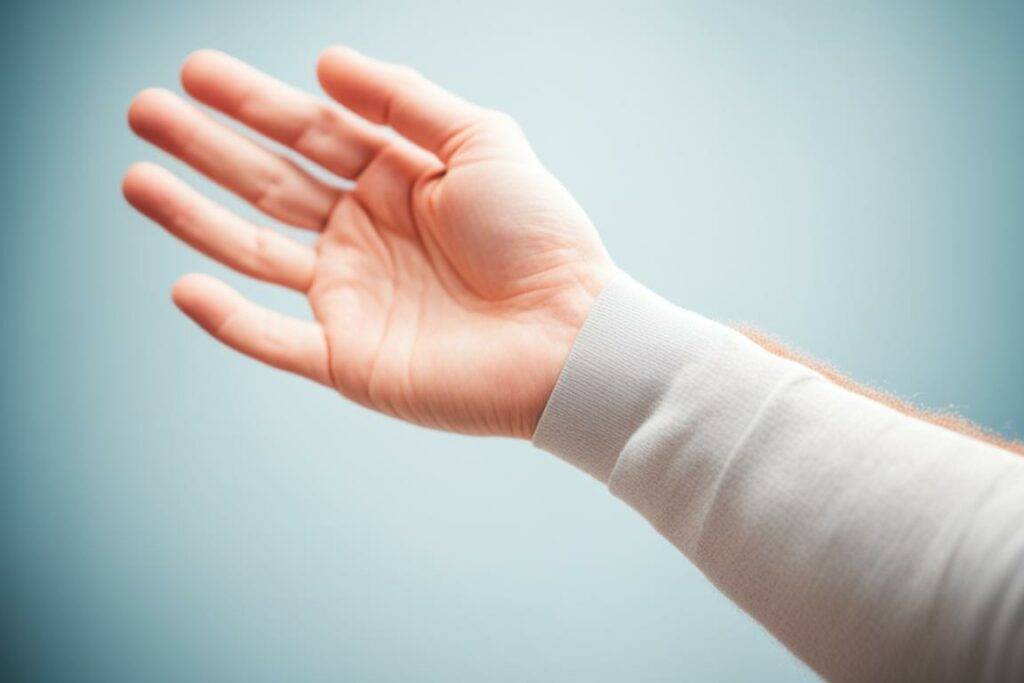
“Chronic stress can lead to skin problems such as acne, wrinkles, and blemishes. This is due to chemical and hormonal changes caused by excess cortisol and other stress hormones.” - 7
Psychological Symptoms of Anxiety
Anxiety affects not only the body but also the mind. A striking characteristic is excessive worry about the future, leading to distress and worsening symptoms. Intrusive thoughts that cause fear or worry are also warning signs. This is typical of obsessive- compulsive disorder. Other symptoms include abrupt mood swings and difficulty concentrating . About 2 % of people with depression also have anxiety. And 24% of those with anxiety may become depressed . Understanding these symptoms is crucial for seeking the right treatment and improving life. Physical activity, meditation, and focusing on the present help control anxiety .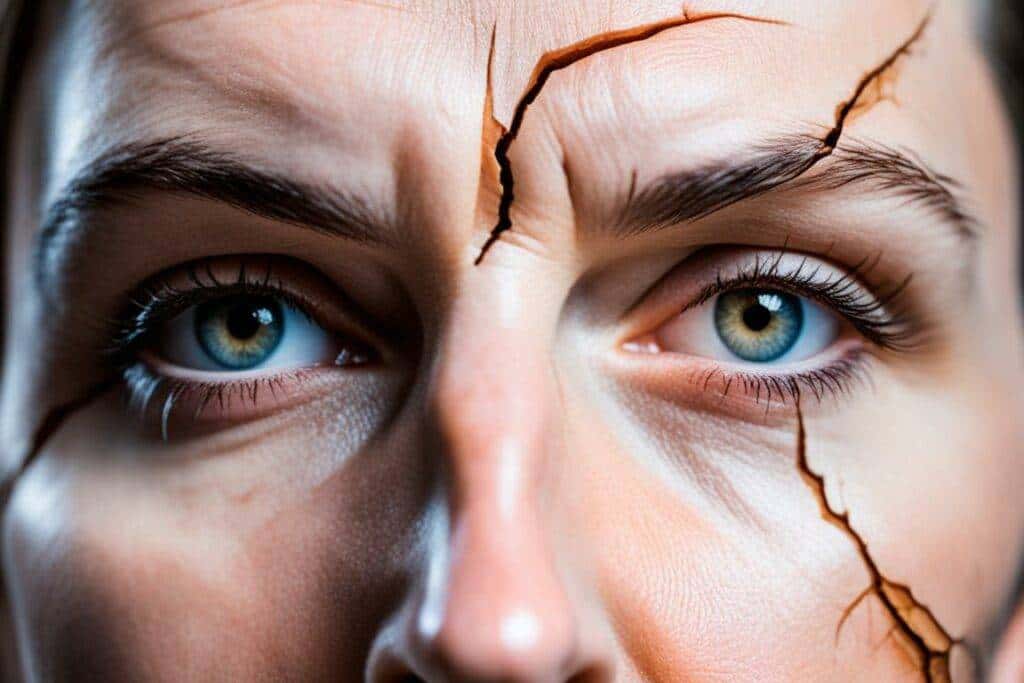 8. Medications for anxiety are generally antidepressants. This includes serotonin reuptake inhibitors and tricyclic antidepressants. They can cause side effects such as sexual problems and weight gain. Benzodiazepines are used in crises, but can cause dependence. Beta-blockers and anticonvulsants are also prescribed for specific symptoms.9. Anxiety affects both the physical and emotional aspects. Physical symptoms include loss of appetite and palpitations. Emotional symptoms include excessive worry and depression. Various situations can cause anxiety, such as specific moments or personality traits. Practices such as physical activity and meditation help to control it.
Symptoms of Anxiety on the Skin
Mental health and skin health are closely linked. Anxiety can cause skin problems such as dry skin and hives . It can also lead to blemishes, itching , and redness . Psychodermatology studies how the mind affects the skin. Studies show that 30% of skin problems are caused by emotional factors . Anxiety can worsen problems such as acne and vitiligo . These problems are called psychodermatoses. Mental health and skin influence each other, creating a vicious cycle. Those with acne or psoriasis may be more likely to experience anxiety and depression . This affects people ‘s self-image and self-esteem . It is important to treat both the skin and the mind to improve health . Emotions such as stress and anxiety can cause skin problems. Consulting a dermatologist helps to understand both physical and emotional problems. Understanding the symptoms of anxiety on the skin is crucial. Seeking treatment that combines dermatology and psychology is essential for a lasting result.Causes of Anxiety
Understanding the causes of anxiety is very important. It can arise for various reasons in each person. This includes genetic, environmental, and psychological factors .<sup> 12 </sup>Genetic, Environmental, and Psychological Factors
Some people may have a genetic predisposition to anxiety . Traumatic events, constant stress, and illnesses can also worsen anxiety. Problems such as depression may be linked to anxiety. Stress at work, problems in personal relationships , and daily pressures can cause anxiety. Trauma and stressful life events can trigger anxiety . The mind and body are closely linked in anxiety and its physical symptoms. 13
“The exact reason for emotional allergies is not yet fully understood.” 12Anxiety can have various causes, including genetic, environmental, and psychological factors. Understanding these causes helps in finding effective treatments.
Treatments for Anxiety and Skin Problems
Treating anxiety and skin problems requires a comprehensive plan. With medical help, it’s possible to control anxiety attacks and live better.14 Medications and therapies like yoga and meditation are also helpful.14 It’s crucial to keep an eye on symptoms and seek help when necessary.15 Research indicates that many people suffer from psychological problems, especially with the pandemic.15 About 25 % of dermatology cases are linked to psychological issues.15 In some cases, vitiligo has a genetic component of only 23 %. Emotionally, emotional factors can trigger or worsen vitiligo.15 The pandemic also increased the number of shingles cases, affecting mental health.15 The Brazilian Society of Dermatology emphasizes the importance of considering the emotional state in the treatment of skin diseases.15 The most commonly used medications for anxiety include antidepressants and anxiolytics, with varying side effects.8 Physical activity, a healthy diet, a balance between work and rest, and adequate sleep are fundamental for preventing and treating anxiety. With a plan that combines medical monitoring , psychological therapies , and lifestyle changes, it’s possible to manage anxiety and its effects on the skin. Seeking specialized help and practicing self-care can significantly improve quality of life .
Importance of Medical Follow-up
It is very important to recognize the signs of anxiety and seek medical help. This helps to identify the problem and start treatment early . This prevents the situation from worsening and affecting the individual’s life . Early diagnosis and treatment are key to dealing with anxiety and its consequences on the skin . Diseases such as acne, psoriasis, and dermatitis can worsen with stress . Those who have skin problems due to stress should seek a dermatologist quickly . Even without a cure, diseases such as psoriasis and vitiligo have treatments that improve the patient’s life . Medical follow-up is vital for those with emotional allergies . This occurs when the immune response is affected by emotions . Correct diagnosis and treatment are crucial to controlling symptoms such as itching and hives .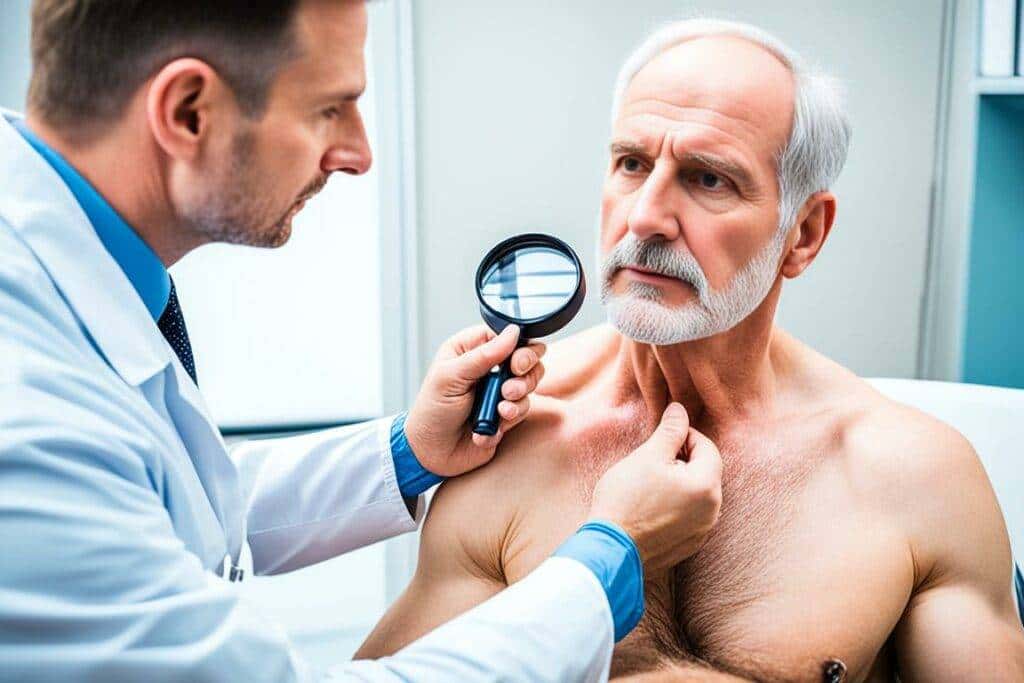 In conclusion , seeking medical help is essential for effective diagnosis and treatment. This improves quality of life and helps manage anxiety-related skin problems.
Self-care and Healthy Lifestyle
In addition to medical follow-up, self-care and a healthy lifestyle are key to managing anxiety. This includes a balanced diet full of antioxidants and regular aerobic exercise. These practices reduce stress and improve skin health.Balanced diet and physical activity
Studies show that cortisol , the stress hormone, can decrease the production of collagen and hyaluronic acid in the skin . This can cause problems such as skin rashes and premature aging. To combat these effects, it is crucial to adopt a balanced diet and regular exercise . These practices reduce stress and improve mental and skin health. Stress can worsen skin conditions such as psoriasis and eczema . Therefore, it is important to have a healthy lifestyle to manage these symptoms. It’s good to simplify your skincare routine and use gentle products. In addition, regular moisturizing, using sunscreen , and practicing relaxation help reduce stress and anxiety . If symptoms persist, it’s a good idea to consult a dermatologist. They can provide guidance and recommend specific treatments.“A balanced diet , rich in antioxidants, and regular physical activity are essential for controlling anxiety and improving skin health.”
Impact of Anxiety on Quality of Life
Anxiety and skin problems can greatly affect quality of life . They can lower self-esteem and impair social relationships . Research shows that anxiety and stress can cause skin problems such as acne or eczema. These conditions can make people feel ashamed and avoid going out with people, which worsens anxiety. Studies show that atopic dermatitis (AD) is very common, affecting 10 % to 20% of children and 2% to 10% of adults. About 90% of cases begin before the age of 5, and many children continue to have problems into adulthood . AD can greatly affect people’s emotional and social lives due to the stigma of the lesions . It is important to understand the impact of anxiety on quality of life . Seeking care for mental health and skin is essential. Studies show that how people perceive stress greatly influences skin conditions. The skin is very sensitive to emotions because it is linked to the nervous system.“Anxiety and the resulting skin problems can have a significant impact on individuals’ quality of life , affecting their self-esteem and social relationships .”It is crucial to combine dermatological treatments with therapies for mental health. This improves treatment adherence and outcomes.
| Symptom | Prevalence |
|---|---|
| Atopic Dermatitis (AD) in children | 10% to 20% |
| Atopic Dermatitis (AD) in adults | 2% to 10% |
| Manifestation of Alzheimer’s disease before the age of 5. | Approximately 90% |
| Continuation of AD symptoms into adulthood | Almost 50% |
Psychodermatology: The Connection Between Mind and Skin
Psychodermatology studies the relationship between mental health and skin. The skin and the nervous system come from the same embryonic layer 22. This shows that skin health affects the mind, and vice versa. Treating both the skin and the mind can improve the lives of those who have skin problems due to anxiety.The emerging field of psychodermatology
Psychodermatology is growing, with more studies on mind and skin. Stress can cause inflammation in the skin and affect hormones . This can lead to premature aging and immune problems. Chronic stress can lead to serious diseases, such as autoimmune diseases, in those who are more susceptible . The Covid-19 pandemic increased mental health problems, affecting a quarter of the world’s population. About 25% of dermatology cases are linked to stress or anxiety . Genetics has little influence on vitiligo, showing that external factors can trigger the disease. The skin has receptors that can be affected by substances that improve well -being. Creams and oils can use these substances to improve skin and brain function. Maintaining a healthy mind and body is crucial for conditions such as dermatitis and acne. A skincare routine and mental health care are important . Furthermore, it’s good to have a good balance between diet, sleep, and exercise to reduce stress.22 Psychodermatology shows the importance of caring for both mind and skin. Understanding this connection helps create better treatments for those with skin problems and anxiety.Conclusion
Anxiety can cause various skin conditions, such as dryness, hives, and itching . <sup>23</sup> It’s important to understand the connection between mental health and skin for correct diagnosis and treatment. <sup>23</sup> With medical support and a healthy lifestyle , it’s possible to improve the lives of those with anxiety. Stress can impair immunity and cause skin problems such as acne and vitiligo. <sup>24 </sup> Anxiety can also accelerate skin aging and cause dark circles under the eyes.<sup> 25 </sup> Therefore, it’s crucial to sleep well, eat well, and relax to avoid negative effects on the skin.<sup>24,25</sup> Understanding the relationship between mental health and skin helps us seek treatment that addresses both. This improves the lives of those with anxiety affecting their skin.FAQ
What are some symptoms of anxiety that can manifest on the skin?
What is the relationship between mental health and skin health?
What are the main causes of anxiety?
How to treat anxiety and related skin problems?
Why is early diagnosis and proper treatment of anxiety important?
How can the impact of anxiety on quality of life be minimized?
🌟 Have you considered seeking a therapist to support your well-being journey?
If this article sparked reflections about positive changes in your life, perhaps now is the ideal time to take the next step. Do you know hypnosis as a therapeutic tool? This approach can be surprisingly effective for various personal challenges.
Special offer: Book a free 20-minute consultation with therapist Fabio Morus and discover how therapy can transform your life.
✨ No commitment — Completely free — 20 minutes that can make a difference
👉 Click here to book your free consultation
Don't postpone your well-being any longer. The first step to change is just one click away.