
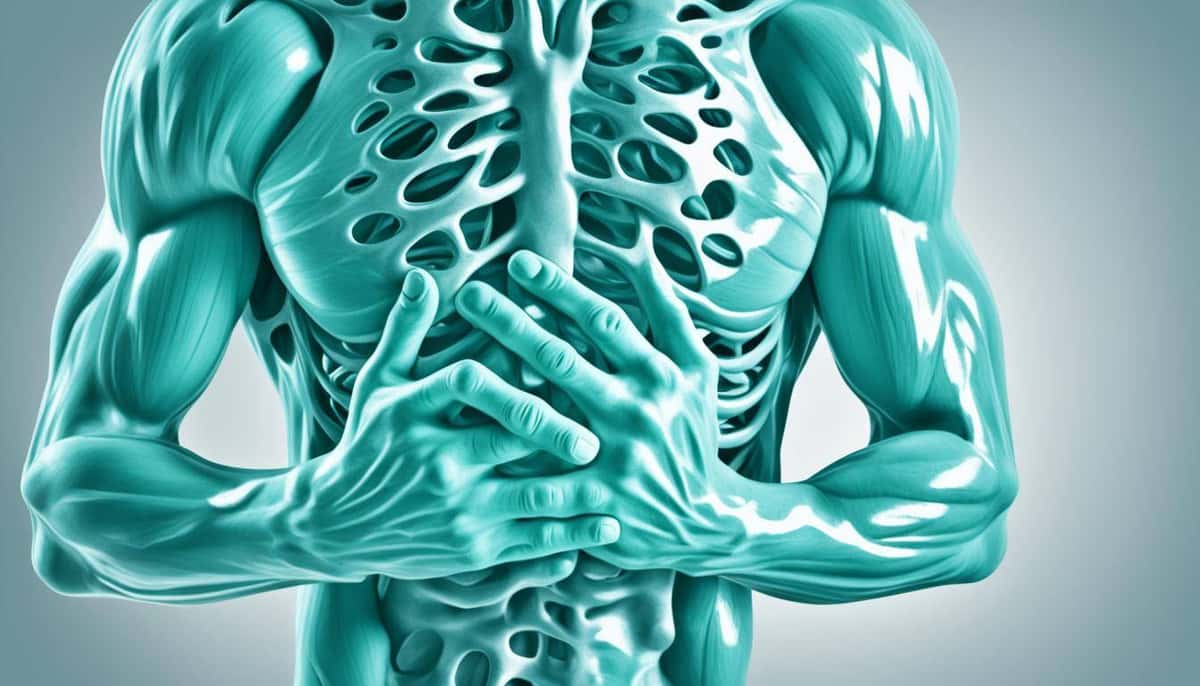

Have you ever wondered why our society has become so anxious in recent years? Anxiety attacks are a common problem. According to studies, Brazil became the most anxious country in the world in 2020, with a 25% increase in cases . It's important to know how to identify the symptoms of an anxiety attack.
These symptoms can greatly affect our daily lives. They can lead to more serious conditions, such as anxiety disorders . Let's look at the main symptoms, both physical and psychological. We'll also talk about how to manage them and seek help if needed.
What is an anxiety attack?
An anxiety attack is a moment of intense anxious symptoms that can come on suddenly. This causes a feeling of great distress and the idea of not being in control of what is happening. These episodes can be confused with heart attacks or strokes, which shows the importance of learning more about anxiety disorders . Around 20 million Brazilians have some type of anxiety disorder, demonstrating the magnitude of the problem .
When a crisis occurs, physical and emotional reactions can worsen very quickly, peaking within minutes. Approximately 70% of anxiety attacks are linked to depression, making the problem more complex . Seeking help from a psychologist is essential for treating the crisis, and Cognitive Behavioral Therapy (CBT) is an effective option. Online platforms, such as Vittude, make it easier to find a specialized psychologist, offering access to the necessary support.
Anxiety affects many people, with approximately 9.3% of the Brazilian population experiencing anxiety symptoms. This makes Brazil one of the countries with the highest rates of anxiety attacks in the world . It's important to recognize the signs of an anxiety attack and understand what's happening. This allows us to act quickly and prevent these attacks from becoming a constant problem in people's lives.
https://www.youtube.com/watch?v=Pmh9No4Mdts
How to Identify the Symptoms of an Anxiety Attack
It is crucial to know how to recognize the symptoms of an anxiety attack in order to deal with them. It is important to be aware of both the physical and psychological manifestations. Anxiety can become a serious problem, affecting emotional health. Symptoms are divided into physical and psychological, affecting life in different ways.
Main Physical Symptoms
The physical symptoms of an anxiety attack include:
- Tachycardia
- Tremors
- Intense sweating
- Shortness of breathe
- Muscle tension
- Dizziness
- Nausea
These symptoms can arise in various situations, such as interviews or health problems 5. They show how fear can affect the body 4 .
Psychological and Emotional Symptoms
Anxiety attacks also bring psychological symptoms, such as:
- Excessive worry
- Depersonalization
- Irritability
- Constant fear
These symptoms can be confused with other problems. It's important to recognize them early in order to seek help. Cognitive behavioral therapy is a good option for treating anxiety, helping to change thoughts and behaviors.<sup> 4</sup>

Symptoms of an Anxiety Attack: Understanding and Identifying Them
Understanding the signs of an anxiety crisis means recognizing the physical and emotional symptoms. The World Health Organization points out that anxiety disorders are increasing. Around 264 million people worldwide struggle with these problems. <sup>6</sup> Stress and traumatic experiences, according to PAHO, have contributed to the increase in anxiety disorders during the pandemic. <sup>7</sup>
Common physical symptoms include shortness of breath, palpitations, and muscle tension. These symptoms can greatly affect daily routines. Approximately 58 million people worldwide have anxiety disorders , which makes us feel threatened all the time . Therefore, it is crucial to identify an anxiety attack in order to deal with it.
In addition to physical symptoms, emotional experiences such as difficulty focusing and intrusive thoughts are also signs of an anxiety attack . Irritability, insomnia, and other symptoms can create significant stress. Seeking psychological help and identifying the signs early are important steps in dealing with an anxiety attack.
| Physical Symptoms | Emotional Symptoms |
|---|---|
| Gasping for breath | Difficulty concentrating |
| Palpitations | Intrusive thoughts |
| Muscle tension | Irritability |
| Dizziness | Insomnia |
| Shortness of breathe | A feeling of constant threat. |
https://www.youtube.com/watch?v=a1C8PxeLlGo
Causes of Anxiety Attacks
Anxiety attacks can arise for various reasons. These include environmental factors, personal characteristics, and family history. Understanding the causes of anxiety attacks helps to see how these factors affect anxiety.
Environmental Factors
There are many factors that contribute to anxiety attacks . Work-related stress and daily pressures are major culprits. These situations can affect mental health, leading to anxiety attacks.
Personality Type
Personality influences how we deal with problems. Perfectionists or introverts may experience more anxiety. This highlights the importance of personalized treatment.
Family History
Family history and anxiety are very important factors. Genetics can increase the risk of anxiety. If many in your family have anxiety, your risk increases. To learn more about these factors, see this link .

What are the triggers for an anxiety attack?
Triggers for anxiety attacks vary from person to person. They can be everyday things or significant experiences. It's good to think about what situations make us anxious.
Stress and Pressure of Daily Life
Everyday stress, such as traffic jams and tight deadlines, can cause anxiety. Studies show that daily stressors affect everyone . Constant stress can worsen anxiety and affect mental and physical health. Failures in conversations or problems in relationships can also trigger anxiety .
Traumatic Events
Traumatic events greatly affect mental health and can cause anxiety. These situations can leave lasting scars, making people more susceptible to stress and anxiety.
When these events occur, it's important to seek help. Each person reacts uniquely. Understanding the triggers is crucial for staying calm .
https://www.youtube.com/watch?v=hMO0DhNv5y8
How to Control an Anxiety Attack?
It's very important to know how to deal with an anxiety attack to take care of our mental health. Using anxiety management techniques can be very helpful, especially when the situation is difficult. One of the most effective ways is to use breathing.
To control anxiety, it's good to learn to breathe correctly. A simple technique is to inhale for 4 seconds and exhale for 6 seconds. This can help calm the nervous system and reduce anxiety.
Breathing Control Strategies
One effective technique is 4/6 breathing. Inhaling to 4 and exhaling to 6 can help calm the nervous system. This technique is recommended for those experiencing an anxiety attack, which can last from 5 to 20 minutes. <sup>11</sup>
When we breathe consciously, we can shift our attention away from anxiety symptoms. This makes us feel calmer.
Focus and Distraction Techniques
In addition to breathing, it's important to use focus and distraction techniques . Counting to ten, practicing mindfulness, or using guided imagery can help. These techniques distract us from symptoms like tremors and shortness of breath. <sup>12</sup>
If the symptoms are very severe or last a long time, it's a good idea to seek help from a professional.

| Technique | Description |
|---|---|
| Breathing Technique 4/6 | Inhale counting to 4, exhale counting to 6. |
| Count to Ten | Focusing on numbers can help relieve tension. |
| Guided Imagination | Visualize calm scenarios to distract your mind from stress. |
Using these techniques correctly can greatly improve our experience during moments of anxiety 11 12 .
When should you seek professional help?
If anxiety becomes a constant in our lives, it is crucial to seek professional help for anxiety . The World Health Organization states that approximately 18.6 million Brazilians suffer from anxiety . If anxiety interferes with our daily activities or causes emotional pain, it's time to know when to seek therapy .
Anxiety attacks can cause palpitations, sweating, and tremors, and can come on quickly.14 They affect people of all ages, but are most common among young people aged 20 to 30.14 If these frequent attacks affect our well-being, it's time to seek professional help for anxiety .
Cognitive behavioral therapy (CBT) is effective in treating anxiety.13 It offers techniques for coping with symptoms. In addition, medication can be important for improving patients ' lives.13 Don't be afraid to seek qualified professionals to help overcome anxiety.
https://www.youtube.com/watch?v=kxN6Va4etLw
Anxiety Crisis Compared to Panic Attack
When we look at anxiety attacks and panic attacks, we see important differences. Anxiety attacks arise from triggers that we can identify. Panic attacks, on the other hand, can often come without warning.
The symptoms of a panic attack are very intense. These include tachycardia, shortness of breath, and trembling hands. This shows how important it is to understand these disorders well.
Symptom Differentiation
The symptoms of a panic attack are very strong and can paralyze the mind. This makes even simple decisions very difficult. On the other hand, an anxiety attack is more of a constant worry.
Studies show that panic disorder affects about 11% of people in a year. The majority affected are women, especially between the ages of 15 and 25. This is confirmed by the fact that 70% of cases are in women .
The Importance of Correct Diagnosis
A correct diagnosis of disorders is essential. This ensures that the person receives the right treatment. Panic disorder can be confused with other disorders, such as phobias or social anxiety 16 .
A good understanding of the signs and symptoms can prevent long-term problems. This includes limitations in daily activities and social relationships 16 .

| Features | Anxiety Attack | Panic Attack |
|---|---|---|
| Triggers | Identifiable | Unexpected |
| Physical Symptoms | Less intense | Highly intense |
| Mental Impact | Constant worry | Mental paralysis |
| Frequency | Variable | 11% of the population in one year 15 |
| Demography | It affects diverse individuals. | 70% of cases are in young women 15 |
Treatments for Anxiety Attacks
Treatment for anxiety attacks is essential for those who suffer from them. Generalized anxiety disorder affects many people. It is important to seek effective and personalized treatments.
Generalized Anxiety Disorder
Cognitive behavioral therapy (CBT) is a top option for generalized anxiety disorder . It helps to change negative thoughts and understand anxiety. Treatment may include medication , such as anti-anxiety drugs, to control symptoms. <sup>17</sup>
Generalized anxiety disorder is a major public health problem, affecting approximately 9% of the population in Brazil 18 .
Psychotherapy and Medication
Psychotherapy and medication together are a good combination. Anxiety attacks can be difficult to understand and treat. They can cause physical symptoms such as palpitations and shortness of breath.17 Medications such as benzodiazepines can be used, but with caution and medical supervision.18 The choice of medication should be made with attention to the symptoms and the impact on the patient's life.
https://www.youtube.com/watch?v=8YG8HABY25w
Self-care and prevention of anxiety attacks.
It's very important to take care of our mental health to avoid anxiety attacks. Knowing what triggers anxiety helps us find ways to feel better. Regular exercise is a great way to take care of our mental health.
According to the World Health Organization, approximately 18.6 million people in Brazil suffer from anxiety. This shows how important it is to have good health habits. <sup>19</sup>
Eating well also greatly contributes to our emotional health. It's good to find relaxing activities, such as meditation or breathing techniques. Yoga and leisure activities also help reduce anxiety. Sleeping well is crucial for our mental health and for coping with anxiety.
- Regular physical exercise
- Daily meditation
- Healthy and balanced diet
- Relaxation practices (yoga, breathing)
- Time dedicated to leisure and hobbies
Strengthening our mind and body is fundamental to avoiding anxiety attacks. Recognizing our needs and taking care of ourselves is essential. This helps us better cope with life's stresses.
| Self-Care Factors | Impact on Anxiety |
|---|---|
| Physical exercises | Improved mood and reduced stress. |
| Balanced diet | Hormonal and emotional regulation |
| Relaxation techniques | Reduction of physical and mental tension. |
| Good sleep habits | Protection against anxiety spikes |
Taking care of yourself is essential to combat anxiety. With these strategies, we can better face the challenges of daily life and reduce the impact of crises .
The Impact of Anxiety on Daily Life
Anxiety can greatly affect our daily lives. It influences various areas of our lives. People with anxiety have difficulty concentrating. This can decrease productivity at work and affect how we interact with others.
Furthermore, anxiety can make simple activities, such as using an elevator, very difficult. It can cause physical problems, such as migraines and stomach problems 21 22 .
These difficulties create a cycle that affects the lives of those who have anxiety. Many people feel as if a disaster is about to happen at any moment. They have excessive fear and cannot control their thoughts .
Furthermore, anxiety can be linked to depression, making life even more difficult 21. Therefore, it is important to know how anxiety affects life . This way, we can look for ways to deal with it effectively.
Conclusion
In concluding this discussion on anxiety, it is crucial to highlight the importance of professional support . Around 30% of adults in the US experience anxiety disorders . <sup>23</sup> This rises to 264 million people worldwide, according to the WHO. <sup>24 </sup> This shows that anxiety is a common, not isolated, challenge.
Understanding the symptoms, causes , and treatments helps improve our lives. Anxiety can be caused by many factors, such as health problems, stress, and trauma. Therefore , it's important to find ways to cope with it.
Using self-care strategies and seeking professional help is essential. This helps us manage anxiety and live better. Talking openly about anxiety helps demystify it and seek support for those who need it.
FAQ
What are the symptoms of an anxiety attack?
Symptoms include tachycardia, shortness of breath, and sweating. There are also tremors and muscle tension. Psychologically, we feel irritability and excessive worry. In addition, there may be a feeling of depersonalization.
How do we identify an anxiety attack?
We identify it by the presence of physical signs, such as palpitations and sweating. Also by the emergence of psychological symptoms, such as a constant feeling of threat. This includes difficulty concentrating.
What are the most common causes of anxiety attacks?
Anxiety attacks can be triggered by environmental stress and vulnerable personality traits. A family history of anxiety is also a factor.
What are the triggers that can set off an anxiety attack?
Triggers include daily stress and work pressures. Traumatic events can also trigger a crisis. Knowing these triggers is crucial.
How can we control an anxiety attack?
Using breathing techniques, such as inhaling slowly and exhaling through the mouth, helps. Focus techniques, such as counting or mindfulness, are also effective. They help to shift the mind away from the symptoms.
When should we seek professional help for anxiety?
You should seek help when frequent symptoms affect your daily life and emotional well-being. This may mean consulting with psychologists or psychiatrists.
What is the difference between an anxiety attack and a panic attack?
An anxiety attack is triggered by identifiable situations. A panic attack, on the other hand, is unexpected and more intense. A correct diagnosis is essential for effective treatment.
What are the main treatments for anxiety attacks?
Treatment may include psychotherapy, such as cognitive behavioral therapy. It may also include medication, such as anti-anxiety and antidepressant drugs, depending on the patient.
How can self-care help prevent anxiety attacks?
Self-care is fundamental. It includes activities such as exercise, meditation, and a balanced diet. This helps prevent anxiety attacks and maintain mental health.
What is the impact of anxiety on daily life?
Anxiety greatly affects our daily lives. It can harm relationships, productivity, and physical health. It also makes concentration and social interaction difficult.
🌟 Have you considered seeking a therapist to support your well-being journey?
If this article sparked reflections about positive changes in your life, perhaps now is the ideal time to take the next step. Do you know hypnosis as a therapeutic tool? This approach can be surprisingly effective for various personal challenges.
Special offer: Book a free 20-minute consultation with therapist Fabio Morus and discover how therapy can transform your life.
✨ No commitment — Completely free — 20 minutes that can make a difference
👉 Click here to book your free consultation
Don't postpone your well-being any longer. The first step to change is just one click away.