
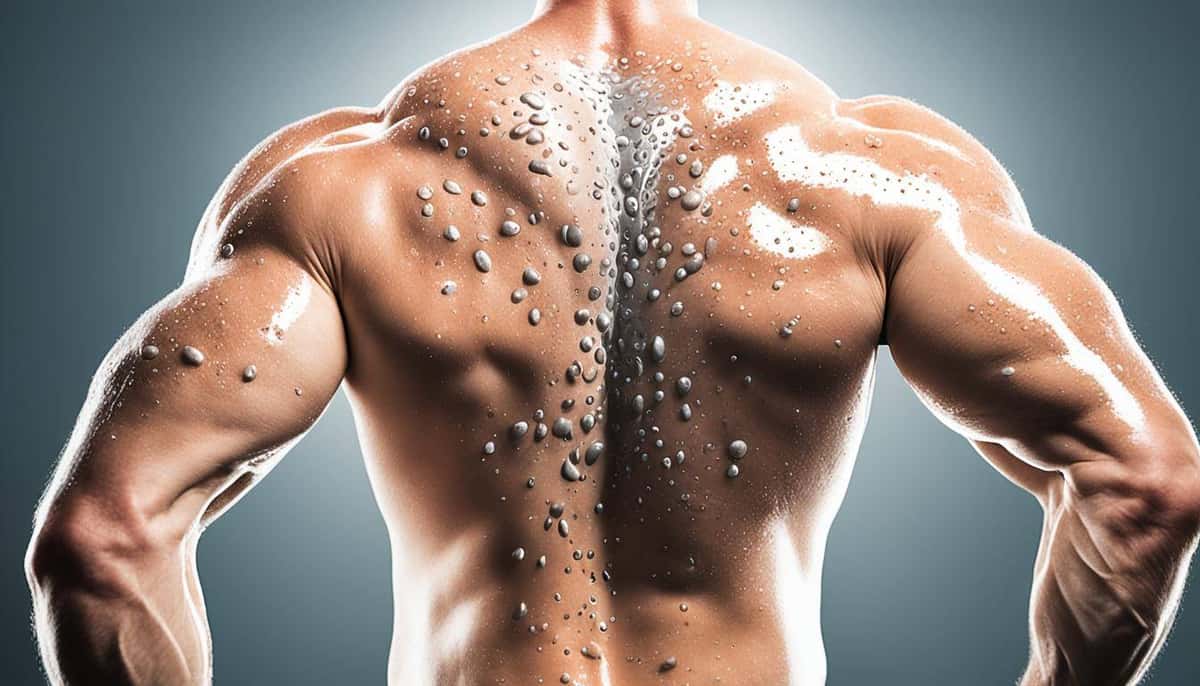

Have you ever wondered why some people sweat so much even in normal situations? Sweating, or perspiration, is a natural bodily process. It helps regulate body temperature and eliminate toxins. But when we sweat excessively, it can affect our lives and our relationships with others.
This condition can appear at any age, from babies to the elderly . It can affect areas such as the armpits, face, hands , and feet. Understanding sweating and its consequences is important for better managing the problem.
Sweating: What it is and when it becomes a problem.
Sweating is the production of sweat by the sweat glands. It helps regulate body heat. However, when excessive sweating occurs, it can become a problem. This is called hyperhidrosis.
This condition most commonly affects the armpits, hands, and feet. But it can affect other parts of the body as well .
Hyperhidrosis can be primary or secondary. Primary hyperhidrosis has a genetic origin and can be affected by emotions. Secondary hyperhidrosis can arise from hormonal disorders or the effects of medications.
Observing the frequency and intensity of sweating is important. But it's also crucial to see how it affects quality of life .
https://www.youtube.com/watch?v=Yo7_VeV45Mc
Studies show that 56% of people with hyperhidrosis have affected relatives. This shows that the condition may have a genetic component. Hyperhidrosis affects more women, accounting for 60% of cases. But men are also affected, in 40% of cases .
To determine if excessive sweating is a problem, it's important to observe the symptoms. We can take steps to improve life with hyperhidrosis. Prevention and treatment are key to managing the condition.
Main causes of excessive sweating
Excessive sweating, or hyperhidrosis, has several causes. These are divided into primary and secondary hyperhidrosis . Each has unique characteristics and is linked to specific conditions.
Primary and secondary hyperhidrosis
Primary hyperhidrosis appears in childhood or adolescence. It is caused by genetic and emotional factors , such as stress and anxiety. It affects specific areas of the body, such as the hands, feet, and armpits.
Secondary hyperhidrosis occurs due to medical conditions such as hyperthyroidism and diabetes. It can also be caused by the effects of medications and serious conditions such as cancer.<sup> 5 </sup>
Emotional and physical factors
Emotional factors are important for sweating. Stress , anxiety, and everyday situations can increase sweating. Ambient temperature and physical exercise also affect sweating.
Spicy foods and certain medications, such as antidepressants, can worsen sweating 6 7. Knowing the causes helps to find ways to reduce discomfort.

Symptoms of excessive sweating
The symptoms of excessive sweating can vary, but the most common is excessive sweating in specific areas of the body. This causes discomfort and embarrassment. The condition, called hyperhidrosis, brings visible signs that affect self-esteem and social life.
Identifying the signs
Hyperhidrosis frequently appears in the armpits, palms of the hands, soles of the feet, and face. Approximately 3% of the population suffers from it, meaning that 3 out of every 100 people have excessive sweating 8. Women are more affected, accounting for 60% of cases, while men represent 40% 9 .
Emotional sweating, a type of hyperhidrosis, has a special pattern. Symptoms decrease during sleep or when the person is relaxed . Knowing how to identify these signs is important, as severe cases may require surgery or medical treatment.
https://www.youtube.com/watch?v=hrNtnWuPjH0
How sweating affects quality of life
Excessive sweating can change the lives of many people. About 1% to 5% of the population suffers from it, and hyperhidrosis can be focused or general 10. Focused sweating affects specific areas, such as the armpits and feet, and can cause social problems. General hyperhidrosis, on the other hand, affects the whole body and can be a sign of health problems, affecting daily life 11 .
Those who experience excessive sweating may face social stigma. This can lead to anxiety and isolation. One study showed that 30% to 50% of cases have a genetic component, affecting not only the individual but also their loved ones.<sup> 11</sup>
Seeking treatment is crucial to improving life. The use of antiperspirants and botulinum toxin are options that can help. Together , we can live better, without the problems of excessive sweating.

Treatment for excessive sweating
Excessive sweating can greatly affect our lives. But there are clinical treatment options that can help. Treatments with topical antiperspirants are common and effective. Botulinum toxin injections are good for sweating in the hands and feet. For severe cases, invasive treatments such as sympathectomy may be necessary. <sup>13 14 </sup>
Clinical treatment options
Anticholinergic medications may help, but are rarely used due to side effects 15. Iontophoresis is effective for hands and feet, but requires several sessions 15. For those who do not respond to conventional treatments, endoscopic thoracic sympathectomy may be an option 14 .
Home remedies and practical tips
In addition to medical treatments, there are tips for controlling sweating in everyday life. Drinking water and wearing light clothing can help. Managing stress is also important, as sweating can increase with strong emotions. Some people use natural antiperspirants and home remedies for relief.<sup> 13 </sup>
https://www.youtube.com/watch?v=O2LkVq1PcBc
Night sweats and their implications
Night sweats can be a sign of various causes . They affect health and well-being. Often, they occur due to hormonal imbalances, such as during menopause . At this stage, 80% of women experience hot flashes and night sweats, which can last up to 11 years.
Diseases such as lymphoma and leukemia can also cause night sweats . They come along with other symptoms, such as weight loss and enlarged lymph nodes 17 .
Medications and anxiety can also lead to night sweats . Without treatment, the problem can worsen, increasing up to three times 16. About 20% of men over 50 may experience the problem as part of andropause, when testosterone levels drop 17 .
It is important to seek medical help if sweating does not have a clear cause. A general practitioner can help find the right treatment 17. To improve, keep the room cool, wear light clothing and be mindful of what you eat. Avoiding alcohol and spicy foods also helps 18 .

Sweaty palms: challenges and solutions
Sweaty palms are a common challenge. They affect self-esteem and can lead to avoidance of social situations. This occurs due to fear of being seen with visible sweat. <sup>19</sup>
This condition not only disrupts daily life, but also limits careers. Many avoid jobs where sweaty palms could be a problem 19 .
There are effective treatments for hyperhidrosis. MiraDry uses advanced technology to remove glands without damage. After one or two sessions, results are visible 20. PalmaDry is an option for the hands, with short 15-minute sessions, bringing slow but effective results 20 .
In addition to treatments, there are important behavioral strategies. Here are a few:
- Using strong antiperspirants helps control sweating 21 .
- Practice relaxation and stress management techniques.
- Consider iontophoresis, which is effective against sweating in the hands 21 .
To manage excessive sweating in the hands , combine treatments and behavioral strategies. Consulting a specialist doctor is crucial to finding the best solution for hyperhidrosis . This helps you live better and more socially.
https://www.youtube.com/watch?v=Fi9mtXr52CE
Emotional causes of sweating
Emotions have a significant impact on sweating, especially when we feel stress and anxiety. When we are under emotional pressure, the body activates the autonomic nervous system. This causes us to produce more sweat. This phenomenon is common and occurs in various situations, such as job interviews or public presentations.
The interaction between emotions and sweating shows that perspiration is not just due to heat. It also indicates a person's emotional state. Emotions such as fear and disgust can be felt through sweat. A study from Utrecht University showed that people can identify emotions through sweat.<sup> 22</sup>

Furthermore, perspiration can affect how we interact with others. A study from the State University of New York showed that smelling the sweat of someone who is stressed can increase emotional alertness in the person who smells it . This can have negative effects on mental health, highlighting the importance of managing stress and anxiety.
It is important to seek effective treatments, such as relaxation techniques and therapy. By learning how to manage emotions, we can reduce excessive sweating and improve our lives. <sup>23</sup>
Sweating: What is it? Understanding the physiology of sweat.
Understanding the physiology of sweating is crucial to knowing the importance of sweat. It helps regulate body temperature. The ideal temperature ranges from 36.5 to 37 degrees Celsius 24. In hot environments, sweat helps us cool down by increasing heat exchange 24 .
There are approximately two million sweat glands in the body 25. The most common are the eccrine glands, which are active from birth. They are located in various parts of the body, such as the hands and feet 25. The apocrine glands begin to function at puberty and are located under the arms and in the genital-anal region 25 .
Sweat is primarily water, but it also contains urea, uric acid, and sodium chloride. The amount of sweat varies due to several factors, such as the sympathetic nervous system and adrenaline . Cortisol, for example, can increase sweating in stressful situations.
Hyperhidrosis can be localized or generalized. It can be caused by hormonal imbalances or thyroid problems. <sup>25</sup>
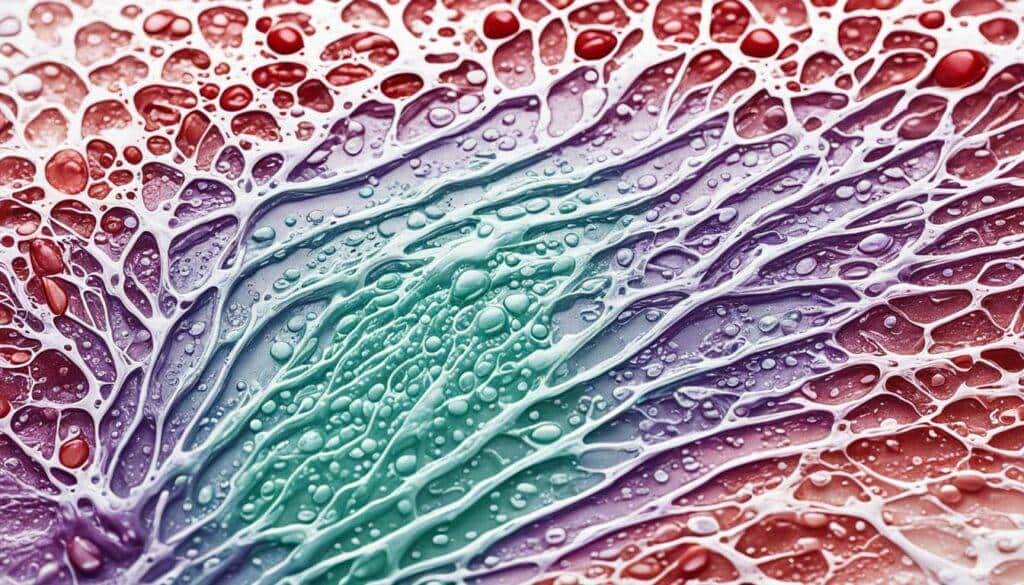
| Type of Gland | Activity | Location | Features |
|---|---|---|---|
| Eccrine glands | Active since birth | Whole body (especially hands and feet) | Small and numerous |
| Apocrine glands | Active during puberty | Armpits and genital-anal region | Large and less numerous |
| Function | Temperature regulation and elimination of substances | The whole body | It produces sweat with hormonal characteristics. |
Understanding the physiology of sweating and the sweat glands helps to deal with problems of excessive sweating . This is part of a broader knowledge about health and well-being 25 .
Natural alternatives to control sweating
Excessive sweating can be a problem. Often, our bodies react to external factors with sweat. There are natural alternatives to help, such as home remedies and prescription medications.
Popular home remedies
Many people use home remedies to control sweating. Sage tea is a good option, as it contains flavonoids and phenolic compounds. This helps reduce excessive sweating. <sup>26</sup>
St. John's wort tea is also recommended. It is good for night sweats and for those who experience hot flashes during menopause. It can be taken 2 to 3 times a day after meals .
Chamomile tea is another home remedy. It has calming properties that help reduce anxiety. However, it is not recommended for those with blood clotting problems. <sup>26</sup>
Valerian tea can also help reduce excessive sweating. It's good for those with anxiety. But caution is advised for pregnant women and people with liver problems. <sup>26</sup>
Prescription medications and their indications
In some cases, a doctor may prescribe medication for sweating . Medications such as those in the Dove Clinical line are recommended to protect against excessive sweating 27 .
It is important to drink plenty of water, 2 to 3 liters a day. This helps control sweating and maintain comfort 28 .
Anxiety and nervousness can increase sweating. Therapy and relaxation methods can be helpful 27. Foods such as coffee and garlic should be consumed with caution, as they can affect hormone production and increase sweating 28 .

Conclusion
Excessive sweating greatly affects our lives. It can be disruptive in social and professional situations. Hyperhidrosis, which occurs in areas such as the hands and feet, can begin in childhood or adolescence.<sup> 29</sup>
There are several causes for this condition. Many people don't seek help because they don't understand hyperhidrosis. But there are treatments available, both clinical and natural, that can help .
It is crucial to seek personalized treatment. Recognizing the available alternatives is important. Seeking medical help is an essential step to improve your life and control excessive sweating.
FAQ
What is sweating?
Sweating, or perspiration, is the production of sweat by the sweat glands. It is vital for controlling body temperature and eliminating toxins.
What are the causes of excessive sweating?
Excessive sweating can be primary or secondary. Primary sweating is linked to genetic factors. Secondary sweating is caused by conditions such as hyperthyroidism, diabetes, or menopause.
How to identify the symptoms of excessive sweating?
Symptoms include excessive sweating in specific areas of the body. This can cause social discomfort and low self-esteem. It's important to know the difference between normal sweating and hyperhidrosis.
How does excessive sweating impact quality of life?
Excessive sweating can affect daily life. It can impair social relationships, work or school performance, and lead to personal stigma.
What treatment options are available for excessive sweating?
Treatments include medication, botulinum toxin injections, and surgery. There are also home remedies and practical tips for controlling sweating.
What is night sweating and what are its implications?
Night sweats are excessive sweating while sleeping. They can indicate health conditions such as menopause or infections. This affects both physical and mental health.
How can sweaty palms be controlled?
To control sweaty hands , there are clinical treatments and behavioral strategies. Specialized products can also help.
What emotional factors can worsen sweating?
Strong emotions, such as stress and anxiety, can increase sweat production. Addressing these emotions is important.
How does the physiology of sweating work?
Sweat is produced by the sweat glands. It is crucial for maintaining body temperature. An overactivity of these glands can cause excessive sweating.
What are some natural alternatives for controlling sweating?
Home remedies , such as teas and medicinal herbs, and prescription medications are natural options for controlling excessive sweating.
🌟 Have you considered seeking a therapist to support your well-being journey?
If this article sparked reflections about positive changes in your life, perhaps now is the ideal time to take the next step. Do you know hypnosis as a therapeutic tool? This approach can be surprisingly effective for various personal challenges.
Special offer: Book a free 20-minute consultation with therapist Fabio Morus and discover how therapy can transform your life.
✨ No commitment — Completely free — 20 minutes that can make a difference
👉 Click here to book your free consultation
Don't postpone your well-being any longer. The first step to change is just one click away.