

Have you ever wondered if shyness is the same thing as social phobia ? Many people think so, but social phobia is a disorder that is becoming more common nowadays . It's important to know the symptoms to understand who suffers from it and to seek the best treatment . Let's look at the symptoms of social phobia , its causes, and treatments, such as psychotherapy for social phobia , which can greatly improve people 's lives. It's good to remember that social phobia can be treated and cured with the support of professionals .
What is social phobia?
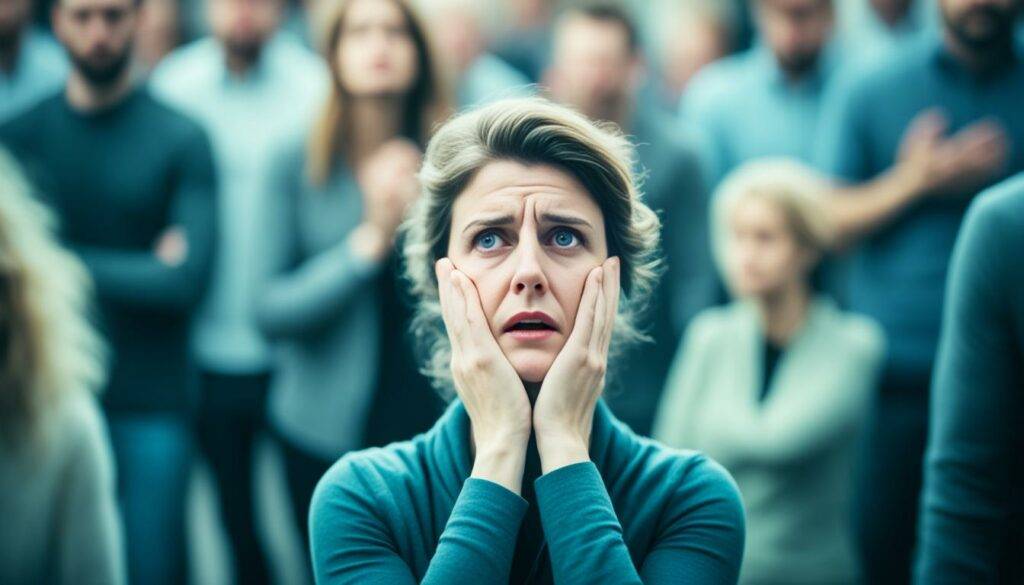
Social phobia is when a person has difficulty relating to other people. This causes a lot of nervousness and discomfort. They feel like everyone is judging them all the time.
This condition brings many emotional symptoms. For example, the fear of being judged negatively. This greatly affects life, such as work, studies, and personal relationships. Furthermore, people with social phobia may avoid leaving home or participating in social events.
The physical symptoms of social phobia include shortness of breath and rapid heartbeat. People with social phobia may also experience facial flushing and nausea . Many also have depression and generalized anxiety.
A study revealed that only 4% to 5.6% of cases of social phobia are correctly identified 5. The diagnosis is made by mental health professionals. They consider that the symptoms must last for at least six months 5 .
To treat social phobia, therapy and sometimes medication are used. Cognitive-behavioral therapy is an effective option. <sup>4 </sup> In short, social phobia is a serious problem that affects many areas of life. It is important to seek professional help.
Social phobia symptoms
The symptoms of social phobia are varied and include both behavioral and physical manifestations. This shows the significant impact that this psychological disorder can have on daily life. Approximately 10% of the world's population experiences phobic disorders, including social phobia.<sup> 6</sup>
Behavioral symptoms of social phobia
Behavioral symptoms include excessive shyness, discomfort in social situations, and a constant fear of being judged. Often, people avoid social interactions, which can affect their relationships and daily activities. It is important to remember that shyness is not the same thing as social phobia, and a specialist diagnosis is necessary .
Physical symptoms of social phobia
Physical symptoms can include rapid heartbeat, stomach pain, nausea, and shortness of breath. These symptoms not only increase anxiety but can also cause panic attacks in social situations. The interaction of these symptoms forms a difficult cycle to break. <sup>6 7 </sup>
https://www.youtube.com/watch?v=twnZ0VZ3rHQ
| Behavioral Symptoms | Physical Symptoms |
|---|---|
| Excessive shyness | Rapid heartbeat |
| Discomfort in social situations | Difficulty breathing |
| Fear of being judged | Excessive sweating |
| Avoidance of interactions | Nausea and stomach pain |
How to identify social phobia?
Identifying social phobia involves understanding behavioral patterns and symptoms in social situations. Signs of social phobia include extreme anxiety and fear of public speaking. This can lead to avoiding social interactions, affecting personal, academic, or professional life. <sup>8</sup>
Some people avoid eye contact and crowded places. This shows a cycle of avoidance that negatively impacts daily life.
Mental health professionals use interviews and questionnaires to assess symptoms. They observe tachycardia , tremors , excessive sweating, and muscle tension. These signs indicate the condition and are important in diagnosis . Fear and anxiety should lead to avoidance of social situations, affecting well-being. <sup>8 </sup>
Early detection of social phobia aids in treatment. Seeking professional help is crucial. Cognitive behavioral therapy (CBT) is an effective option in this context . Less than 5% of people seek treatment soon after symptoms appear. This highlights the importance of raising awareness about the diagnosis .

Differentiating between shyness and social phobia.
When we talk about shyness vs. social phobia , we see important differences. Shyness is more common in introverts and can change over time, especially during adolescence . At this stage, many begin to experience social phobias, which can increase or decrease shyness .
Social phobia is a more serious anxiety disorder than shyness. It causes people to avoid social places and situations, affecting their school and personal life. This can lead to depression and drug use.
To better understand the difference between shyness and social phobia , see the table below:
| Features | Shyness | Social Phobia |
|---|---|---|
| Intensity of Symptoms | Moderate | High |
| Impact on Social Life | Light | Significant |
| Avoiding Interactions | Rare | Common |
| Possibility of Isolation | Rare | Common |
| Development of Additional Problems | Low risk | High risk, including depression |
Understanding these differences is important for self-awareness and for seeking the right treatment. If shyness develops into social phobia, it's good to seek professional help to deal with these feelings in a healthy way. <sup>10</sup>
https://www.youtube.com/watch?v=0BeolrqC-1I
Causes of social phobia
The causes of social phobia are complex and come from various sources. They include genetic and environmental factors that combine. This helps to understand why this condition exists.
Genetic and biological factors
Studies show that genetics has a large impact on social phobia. If someone has family members with anxiety, they may be more likely to have the same condition. This shows how genetic factors influence social phobia.
Furthermore, problems in the brain can also make someone more susceptible to this condition 12 and 13 .
Environmental factors
Environmental influences on social phobia are also important. Negative childhood experiences, such as bullying or abuse, can be triggers. The environment in which a child grows up is crucial.
Negative experiences in social situations can cause lifelong anxiety 14 and 13. The combination of genetic and environmental factors is key to understanding social phobia.

How is social phobia diagnosed?
To diagnose social phobia, mental health professionals, such as psychologists and psychiatrists, conduct a detailed social phobia assessment . They gather information about the patient's life, including symptoms and how long they last. The assessment follows the DSM-V criteria to verify the intensity and frequency of symptoms.
Studies show that around 15 million Brazilians have social phobia 15. This greatly affects people's lives. In addition, 13% of people have lived with social anxiety disorder at some point 16. Social phobia often begins in childhood and adolescence, which shows the importance of early diagnosis for effective treatment 17 .
When diagnosing social phobia , it's important to remember that 20% of cases stem from traumatic or humiliating experiences. Fear of public speaking and low self-confidence are also symptoms to be analyzed. They affect social relationships and emotional well - being. A detailed assessment ensures an accurate diagnosis, which is important for treatment.
https://www.youtube.com/watch?v=6bQW_l381Ek
Available treatments for social phobia
Treatments for social phobia have improved significantly. They now focus on methods that work in an integrated and effective way. Psychotherapy and medication are essential to help patients overcome the phobia.
Psychotherapy
Cognitive behavioral therapy (CBT) is widely used and very effective. It helps patients understand and confront their fears. This improves patients' lives. <sup>18</sup>
Psychologists and psychiatrists work together, using CBT, to treat more severe cases. This leads to better outcomes for patients.18 The therapy includes gradual exposure, thought change, and techniques for coping with stress.18
Use of medications
Medications for social phobia have several effective options. Antidepressants, such as paroxetine, are widely used. They help to reduce anxiety. <sup>19 18 </sup>
Other medications, such as benzodiazepines and beta-blockers, may also be used. The combination of therapy and medication yields good results. This helps patients feel more socially secure. <sup>18</sup>

| Treatment | Description | Effectiveness |
|---|---|---|
| Cognitive-Behavioral Psychotherapy | A therapeutic approach focused on cognitive restructuring and gradual exposure. | High |
| Antidepressants (SSRIs) | Medications that increase serotonin levels in the brain. | High, especially paroxetine |
| Benzodiazepines | Anxiolytic medications that offer temporary relief from anxiety. | Moderate, short-term use |
| Beta-blockers | They reduce physical symptoms of anxiety, such as tachycardia. | Moderate in specific situations |
With proper treatment, many patients can improve their social lives. They learn to cope with and overcome the phobia 20 19 18 .
Therapeutic approaches
To deal with social phobia, it is important to use methods that help people face their fear safely. Exposure therapy is a very effective option. It helps the patient get used to situations that previously frightened them, reducing anxiety over time. <sup>21</sup>
With cognitive restructuring, people learn to see these situations differently. This helps to change negative thoughts about these interactions 22 .
Exposure therapy
Exposure therapy is highly recommended for people with social phobia. It involves the patient in social situations they normally avoid, but in a safe environment. This helps the person get used to these situations.
When combined with cognitive behavioral therapy, this technique can bring lasting results. It helps people learn to cope with fear 22 23 .
Support groups
Support groups are also very important for people with social phobia. In them, people can share their experiences and strategies. This creates bonds of understanding and solidarity.
These groups not only teach social skills, but also give a sense of belonging. This is very important for those who struggle with social phobia 23 .
https://www.youtube.com/watch?v=8b60GaSIq88
Complications of untreated social phobia
Ignoring social phobia can cause major problems. It affects various aspects of life, such as the ability to connect with other people. The person may feel increasingly alone and have difficulty participating in social events.
This can lead to depression and other mental health problems. Alcohol and drug use can make things even worse, creating a vicious cycle. In some cases, anxiety can reach a point where the person thinks about killing themselves.<sup> 4</sup>
Choosing not to treat social phobia can lead people to avoid social situations more. This can prolong treatment and affect personal and professional growth 24. In a career, social phobia can lead to missed opportunities and even job loss 4 .
It is very important to seek help early. The sooner we treat social phobia, the better the results will be. Without treatment, quality of life can worsen significantly, making it difficult to find support and treatment.25 Therefore, it is crucial to treat social phobia seriously.
| Consequences | Description |
|---|---|
| Social Isolation | Difficulty in forming new relationships and maintaining existing ones. |
| Low self-esteem | Feelings of inadequacy and decreased self-confidence. |
| Use of Substances | Use of alcohol or drugs as a coping mechanism. |
| Depression | Development of depressive disorders resulting from isolation. |
| Suicide Attempts | Moments of despair leading to self-destructive actions. |
It is very important to recognize and treat social phobia early. This helps ensure effective support.
How to deal with social phobia?
Dealing with social phobia requires understanding our situation well and using effective coping strategies . Social phobia is very common nowadays 26. To deal with it, it is important to accept negative thoughts and change them to more realistic things 26 .
Gradually exposing yourself to difficult situations helps a lot. It's important to learn how to communicate and ask questions to understand better. Accepting mistakes is essential, as they are part of the learning process. <sup>26 </sup>
Nearly 50,000 people subscribe to the free weekly newsletter on social phobia . It offers tips for dealing with the phobia and creating a support network . Teenagers can start experiencing phobias as early as age 13 and may be more affected by factors such as abuse .
It is important to celebrate every small step forward in the fight against social phobia. In severe cases, medication may be necessary, but therapy is crucial . It is always possible to try again and make changes to overcome the phobia .

Conclusion
Social phobia is a condition that needs attention and treatment. It affects many young people and adults, starting on average at age 13 28. In the US, between 5% and 12% of the population may experience social phobia at some point in their lives 28 .
Treatments such as cognitive behavioral therapy (CBT) and selective serotonin reuptake inhibitors (SSRIs) are important 28. Understanding social phobia helps people seek help. In Sergipe, 30.7% of medical students have social phobia, more so in women and young people aged 18 to 25 29 .
The most difficult situations include public speaking or arguing with strangers 29. With the right support, it is possible to overcome social phobia. This shows us that we can live better if we seek help and make changes 28 .
FAQ
What is social phobia?
Social phobia, or social anxiety disorder , is a very strong fear of being in social situations. This causes discomfort when there is a fear of being judged.
What are the symptoms of social phobia?
Symptoms include fear of public speaking and avoidance of social interactions. There may also be shortness of breath, rapid heartbeat, and panic attacks.
How to identify social phobia?
To identify this, observe the individual's behavior. They may avoid social situations due to fear and anxiety. Mental health professionals use interviews and questionnaires to assess this.
What are the main causes of social phobia?
The causes include genes, brain problems, and negative childhood experiences. Environmental factors also play a role.
How is social phobia diagnosed?
Psychologists and psychiatrists make the diagnosis. They analyze the patient's history and symptoms. They use DSM-V criteria for evaluation.
What treatments are available for social phobia?
Treatments include psychotherapy, such as CBT, and medication. Antidepressants and anxiolytics may be used in combination for better results.
What is exposure therapy?
Exposure therapy helps the patient become accustomed to situations that frighten them. This reduces anxiety.
Do support groups help with social phobia?
Yes, support groups offer a safe environment. Participants share experiences and strategies, strengthening social support.
What complications can arise from untreated social phobia?
Without treatment, symptoms can worsen. This can lead to loneliness, depression, problems at work and school, and isolation.
How can we deal with social phobia in our daily lives?
To cope, use breathing techniques and build a support network. Accept social invitations gradually and seek therapy and support groups.
🌟 Have you considered seeking a therapist to support your well-being journey?
If this article sparked reflections about positive changes in your life, perhaps now is the ideal time to take the next step. Do you know hypnosis as a therapeutic tool? This approach can be surprisingly effective for various personal challenges.
Special offer: Book a free 20-minute consultation with therapist Fabio Morus and discover how therapy can transform your life.
✨ No commitment — Completely free — 20 minutes that can make a difference
👉 Click here to book your free consultation
Don't postpone your well-being any longer. The first step to change is just one click away.