


Have you ever wondered why shortness of breath occurs unexpectedly? It's more common during intense physical activity. However, it can be caused by complex factors such as stress or serious respiratory illnesses. This article will show the causes of shortness of breath, how to identify the symptoms, and effective treatments. We will also learn how to control shortness of breath to improve our quality of life.
Understanding the causes of shortness of breath is very important. It can be a sign of more serious conditions that require medical attention. Let's explore the complexity of this condition and understand how to treat and control shortness of breath in a conscious and informed way.
What is shortness of breath?
Shortness of breath, or tachypnea, is when you breathe faster than normal. This happens during intense physical activity or when you are stressed.
In healthy adults, normal breathing ranges from 12 to 20 breaths per minute. If this rate increases significantly, it may be a sign that you need more oxygen or are anxious. Therefore, it's important to know how to identify this condition.
There are several reasons for shortness of breath. Heart problems, such as heart failure, can affect the heart's ability to pump blood. Coronary artery disease can also cause this. Anemia, which lowers red blood cells or hemoglobin, can lead to shortness of breath.
Obesity can put pressure on the lungs, decreasing breathing capacity and causing shortness of breath Anxiety and stress can lead to hyperventilation, increasing muscle tension and the feeling of shortness of breath.
https://www.youtube.com/watch?v=532y3DagI7E
Causes of Shortness of Breathing
There are several reasons for shortness of breath, ranging from physical to emotional factors. Let's look at the main causes of this condition.
Intense Physical Activity
When we do intense exercise, we may feel breathless. This happens because the body needs more oxygen to stay active (Health and Wellness) It's a sign that the body is adapting to the exertion.
Anxiety and Stress
Anxiety and stress can cause shortness of breath. This occurs because a person may start breathing faster, which can lead to symptoms such as dizziness and chest pain (Mental Health) This shows how mental health affects breathing.
Anemia
Anemia can lead to shortness of breath. This happens because anemia reduces the blood's ability to carry oxygen, causing shortness of breath (Health and Nutrition).
Heart Failure
When the heart is unable to pump blood effectively, it can cause shortness of breath. This occurs because the heart is unable to transport oxygen properly, leading to fluid buildup in the lungs (Cardiology).
Asthma
Asthma causes shortness of breath and wheezing. This happens due to inflammation in the bronchi, which can worsen with physical or emotional stress (Pulmonology).
Pneumonia
Pneumonia can cause wheezing due to fluid accumulating in the lungs. This leads to shortness of breath and requires prompt medical attention (Respiratory Diseases).
COPD
COPD can cause wheezing by obstructing the airways. This affects oxygen exchange and makes breathing difficult (Pulmonology).
Asthmatic Bronchitis
Asthmatic bronchitis can also cause wheezing. This occurs due to inflammation in the bronchi, which contributes to shortness of breath (Pneumology).
COVID-19
In severe cases of COVID-19, patients may experience shortness of breath and wheezing. This requires immediate medical attention due to the possibility of respiratory complications (Infectious Diseases).
Sedentary
A sedentary lifestyle can lead to shortness of breath. This occurs because a lack of exercise makes daily activities more difficult, causing constant fatigue (Wellbeing and Physical Activity).

Symptoms of Shortness of Breath
Understanding the symptoms of shortness of breath is very important. They can vary depending on the severity of the situation. Generally, they include shortness of breath, dizziness, and chest pain.
In cases of heart failure, symptoms are classified into four grades. This ranges from the absence of symptoms during usual activities to breathing difficulties at rest. It is crucial to pay attention to these signs, as they can affect our daily lives.
Identifying Common Symptoms
To identify the symptoms, it's important to observe signs of shortness of breath. They may manifest as follows:
- Rapid and shallow breathing;
- Shortness of breath when performing daily activities;
- Feelings of anxiety and tiredness;
- Difficulty breathing at rest.
These symptoms are crucial for monitoring respiratory health. They may indicate the need to seek medical help for a correct diagnosis.
Difference between panting and shortness of breath.
It's essential to know the difference between panting and shortness of breath. Panting is an accelerated breathing rate. Shortness of breath, on the other hand, is a feeling of insufficient air.
Shortness of breath can occur in situations of stress or intense physical activity. On the other hand, difficulty breathing can indicate serious medical conditions, such as heart or respiratory diseases.
https://www.youtube.com/watch?v=GhafrUJk7Fw
Treatment for Wheezing
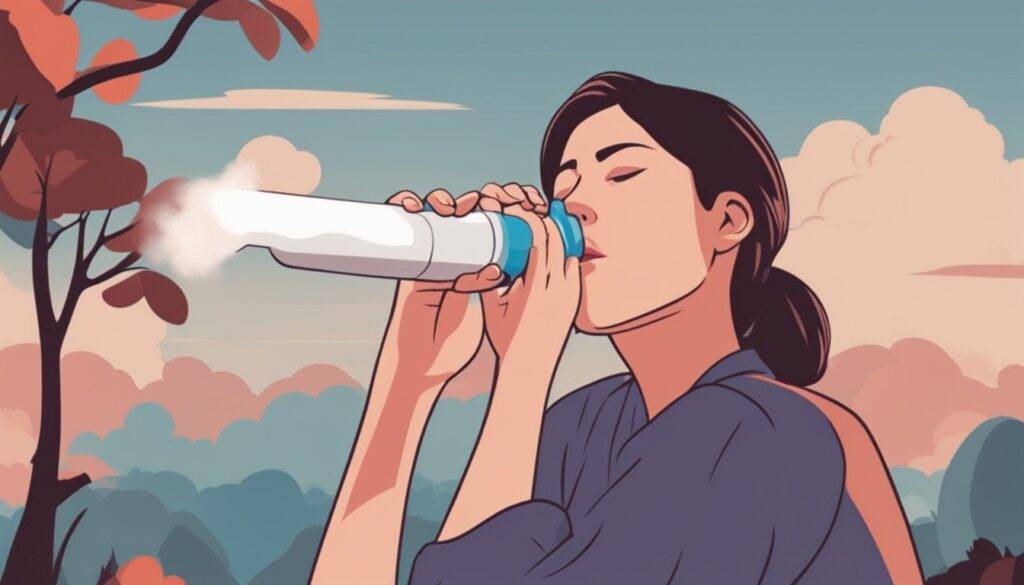
Treatment for shortness of breath depends on the cause of the problem. A medical evaluation is crucial for a better understanding. If the cause is anxiety, relaxation exercises, therapy, and medication may be used. For asthma or COPD, bronchodilators are commonly used to help with breathing.
If anemia reduces hemoglobin, it can cause shortness of breath. In this case, the doctor may recommend iron supplements. For infections such as pneumonia, antibiotics or antivirals are used. Nasal sprays and syrups are also good to use, but with caution and medical guidance
It's important to tailor treatment to each individual. Consulting a specialist helps find the best way to treat shortness of breath.
| Cause | Recommended Treatment |
|---|---|
| Anxiety | Relaxation exercises and therapy |
| Asthma | Bronchodilators and respiratory therapy |
| COPD | Bronchodilator medications |
| Anemia | Iron supplementation |
| Pneumonia | Antibiotics and antivirals |
| Infections | Specific treatments according to diagnosis. |
How to Control Shortness of Breathing
Controlling shortness of breath requires specific techniques. Practicing abdominal breathing is essential. This involves moving only the abdomen. To check, place your hand on your abdomen and feel the movement.
Another strategy is square breathing, or Sama Vritti. It involves pausing between inhaling and exhaling for four seconds. Each part of the cycle should last four seconds. We can also use elongated breathing, exhaling for eight seconds after inhaling for four.
During times of stress, it's good to have regular exercise and a healthy routine. The progressive relaxation technique helps a lot. It involves breathing slowly and contracting and relaxing the body's muscles for three seconds, bringing well-being.
Alternating nostrils while breathing also helps. Inhaling through one nostril and exhaling through the other improves mental and physical health.
When running, it's important to keep your torso upright to improve breathing. Using your arms at a 90-degree angle saves energy. Inhaling in three stages and exhaling in two helps maintain pace. Talking while running is good; if you can't, you should increase your pace.
https://www.youtube.com/watch?v=VnOYF6Dw62Q
Exercises to Improve Shortness of Breath
It is very important to find effective ways to improve shortness of breath. Breathing exercises for shortness of breath are essential for this. They help increase lung capacity and improve breathing. By practicing breathing regularly, we can alleviate shortness of breath and stay calm and focused.
Breathing Exercises
Breathing exercises are very effective. A good example is diaphragmatic breathing, which should be done 3 to 4 times a day for 30 seconds. The breath-holding exercise should be done for about 3 minutes and repeated 3 to 5 times a day The square breathing technique is also useful, where you hold your breath for four counts after each inhalation, creating a four-sided sequence in the breathing pattern.
Recommended Physical Activities
Physical activities are also important for improving shortness of breath. Walking, swimming, and yoga are great options. They strengthen the lungs and improve respiratory capacity. Exercises such as raising your arms for 3 minutes and using a straw, repeated 10 times, are also helpful

For those with conditions like COVID-19, breathing exercises help relieve shortness of breath and improve coughing. Regular physical activity not only improves wheezing but also keeps the body healthy and active. This is crucial for a balanced lifestyle.
Signs That You Should Seek Medical Help
It's very important to know how to recognize the signs of shortness of breath. This helps maintain our health. If you notice chest pain, extreme fatigue, or a persistent cough, it's a warning sign. Swelling in the legs can also be a sign that something is wrong.
If these symptoms appear even after light activity or at rest, it's time to pay attention. In these cases, it's crucial to know when to seek medical help. This can prevent bigger problems. From March to June, hospitals become very crowded, especially due to respiratory illnesses.
If symptoms worsen, such as difficulty breathing, seek medical help immediately. This is important so that you receive the right treatment. Do not ignore signs of complications, and medical evaluation can be crucial for your recovery.
https://www.youtube.com/watch?v=_ODnkxUbIJY
The Importance of Consulting Experts
It is very important to consult pulmonologists and cardiologists when you have breathing problems. They perform tests such as spirometry and chest X-rays. This helps to discover problems such as asthma, bronchitis and COPD.
Medical evaluation is very important. Finding health problems early can lead to better outcomes and prevent complications.
Athletes should also consult specialists to avoid respiratory problems during exercise Doctors give tips on how to improve breathing during physical activity. Signs such as chest pain, difficulty breathing and fatigue are signs that it's time to seek help.

If you notice any symptoms of shortness of breath, see a doctor. They can recommend the best treatment and conduct a complete assessment of your health.
Improving Quality of Life Through Proper Breathing
Adopting proper breathing practices can change the lives of those who want to improve their quality of life. Breathing is not just an automatic act. It is a powerful tool that positively affects our physical and emotional health. Studies show that breathing well helps prevent lung diseases and infections.
This practice improves lung ventilation and increases the volume of air they can hold This facilitates the oxygenation of the body. In addition, conscious breathing helps prevent complications from diseases such as Covid-19 It also reduces stress and relaxes muscles.
Most Brazilian workers report symptoms of stress, much of it tied to urban routines. Breathing techniques calm the nervous system, improve oxygenation and help the body get out of constant alert mode.
Breathing well also improves heart health and strengthens respiratory muscles This helps stabilize blood pressure and reduces the risk of heart complications In addition, it improves physical performance by optimizing muscle oxygenation.
Breathing correctly can also promote healthier skin This is due to better oxygenation of the epithelial tissues, which reduces the risk of skin problems.
Incorporating breathing techniques into daily routines improves sleep and helps with weight management This enhances weight loss. Furthermore, it promotes a more active brain and better anxiety control This leads to an overall feeling of well-being
https://www.youtube.com/watch?v=paZuTowBf1Y
Conclusion
Shortness of breath can be caused by various things, such as intense exercise or health problems. It's crucial to understand the cause and symptoms to better care for ourselves. In the summary about breathing, we see how important it is to know the difference between shortness of breath and difficulty breathing. This can indicate serious problems that require medical attention.
It is very important to listen to what your body tells you and seek help when necessary. Maintaining a healthy weight, exercising regularly, and not smoking are actions that help prevent shortness of breath. In this way, we improve our quality of life and take better care of our respiratory health.
In addition to treatment techniques, these actions allow us to live healthier and more active lives. Therefore, it is essential to consult a doctor to properly address shortness of breath and its causes. This helps us to have a more balanced and healthy life,,).
FAQ
What causes shortness of breath?
Shortness of breath can be caused by several things. These include intense physical activity, anxiety, and stress. It can also be due to medical conditions such as asthma and COPD, anemia, heart failure, and even a sedentary lifestyle.
What are the most common symptoms of shortness of breath?
Symptoms of wheezing include shortness of breath, dizziness, chest pain, and weakness. It's important to know the difference between wheezing and shortness of breath. Wheezing is when the respiratory cycle accelerates. Shortness of breath is when it is difficult to breathe.
How can we control shortness of breath?
To control shortness of breath, you can use deep breathing techniques. Mindfulness also helps. Regular physical exercise and a healthy lifestyle are important.
What should we do if we experience persistent shortness of breath?
If shortness of breath persists and you experience chest pain or fatigue, seek medical help immediately. This is very important.
Are there specific exercises to improve shortness of breath?
Yes, diaphragmatic breathing is highly recommended. Physical activities such as walking, swimming, and yoga also help. They strengthen the lungs and improve breathing.
When should we consider seeking help from healthcare professionals?
You should seek professional help if shortness of breath becomes frequent or severe. This is especially important if there are other concerning signs.
Why is it important to consult a specialist for shortness of breath?
Consulting specialists such as pulmonologists and cardiologists is very important. They can identify the cause of shortness of breath. This allows for the start of effective treatment.
How can proper breathing improve our quality of life?
Regular exercise and proper breathing techniques can reduce symptoms of shortness of breath. This improves our mood and increases our quality of life.
References
- World Health Organization. Anxiety disorders — Fact sheet. 2023.
- Manzoni GM, Pagnini F, Castelnuovo G, Molinari E. Relaxation training for anxiety: a ten-years systematic review with meta-analysis. BMC Psychiatry. 2008;8:41.
🌟 Have you considered seeking a therapist to support your well-being journey?
If this article sparked reflections about positive changes in your life, perhaps now is the ideal time to take the next step. Do you know hypnosis as a therapeutic tool? This approach can be surprisingly effective for various personal challenges.
Special offer: Book a free 20-minute consultation with therapist Fabio Morus and discover how therapy can transform your life.
✨ No commitment — Completely free — 20 minutes that can make a difference
👉 Click here to book your free consultation
Don't postpone your well-being any longer. The first step to change is just one click away.