

A single moment can change our lives and emotions forever. Psychological trauma is an emotional response to painful events. This can affect our mental health and our ability to live well. Recognizing trauma is the first step to overcoming it and regaining emotional well-being .
This article will show you how to identify and overcome psychological trauma . We will discuss its causes and how it manifests. We want to offer useful information to help you deal with these challenges and regain control over your lives and emotions.
We will explore how trauma manifests, the symptoms it causes, and the best forms of treatment. Overcoming trauma is a difficult but essential path. We are here to support you in this process.
If you are facing challenges due to traumatic events , remember: you are not alone. Seeking help is crucial to regaining emotional and mental balance. <sup>1 2 3 </sup>
What is psychological trauma?
Psychological trauma is a complex phenomenon that causes emotional and psychological responses . This occurs after significant traumatic events . The definition of psychological trauma refers to the emotional after-effects that arise after painful experiences, such as violence or loss.<sup> 4</sup>
These events can be extremely difficult, such as abuse, accidents, and natural disasters. Each person reacts uniquely to these events. Approximately 60% of the population has experienced a traumatic symptom, but only a small percentage develop PTSD .
Reactions to trauma can include nightmares, irritability, and social isolation . Factors such as resilience and seeking help are important for coping with trauma . The severity of the event is not the only factor that matters. How each person processes and responds to these experiences is crucial .
Understanding the emotional response is key to understanding the consequences and necessary treatments 4 .
https://www.youtube.com/watch?v=tOxOC_k0OgM
Common Causes of Psychological Trauma
The causes of psychological trauma are varied and important to understand. They can be related to experiences that greatly affect our mental health. Abuse, whether physical or emotional, is a common example.
Stressful events , such as violence or natural disasters, can also cause psychological problems. This can lead to disorders such as PTSD.
Women are more likely to have PTSD than men 6. This may be due to terrifying or threatening experiences they face. PTSD doesn't just stem from events, but also from long and difficult situations 7 .
Seeing assaults or hearing about serious accidents can cause a lot of stress.6 The diagnosis of PTSD has changed over time. Now, there is a greater understanding of the effects of various traumas.7
The criteria for diagnosis are being revised. This helps to better understand the impact of stressful events and the concept of complex trauma 7 .

How Psychological Trauma Manifests Itself
The manifestation of trauma varies greatly among people. Some experience flashbacks and nightmares, while others suffer from insomnia and physical pain. About 90% of people have experienced a traumatic event.8 This shows that trauma can affect people in many different ways.
Physical symptoms include ulcers, palpitations, and hypertension.8 Emotionally, many experience guilt, anxiety , and depression. This can lead to social isolation.8
10% of those who experience traumatic events develop PTSD 9. Trauma treatment needs to be delicate and informed. Traumatic events go beyond aggression, affecting emotional well-being 8 .
https://www.youtube.com/watch?v=M_j1FVuC930
The pain of trauma can be deep and long-lasting. Identifying the signs early is crucial. Psychological counseling and emotional support are fundamental to recovery. They help the person reconnect with the world.
| Common Symptoms | Description |
|---|---|
| Flashbacks | Sudden experiences in which the person relives the traumatic event. |
| Nightmares | Sleep interrupted by disturbing dreams related to trauma. |
| Physical Symptoms | Pain, muscle tension, palpitations, hypertension. |
| Emotional Disconnection | Feelings of apathy and difficulty maintaining healthy emotions. |
| Social Isolation | A tendency to withdraw from friends and family. |
Symptoms of Trauma
Symptoms of trauma can affect emotions, behaviors, and the body. There are three important areas: emotions, behaviors, and physical and mental symptoms.
Emotions and Feelings
Emotions like anger, sadness, and anxiety are common after a trauma. This leaves us constantly alert and afraid, even without a threat. We relive painful situations from the past, showing that the trauma has not been processed. 10 11
Behavioral Patterns
Behavioral disturbances are a sign of trauma. This can lead us to become isolated and distrustful of others. This can affect our relationships and work. <sup>12</sup>
Physical and Cognitive Symptoms
Physical and mental symptoms are also important. We may experience insomnia, fatigue, and pain without a known cause. Mental confusion and difficulty focusing are also signs of trauma . <sup>10 12 </sup>
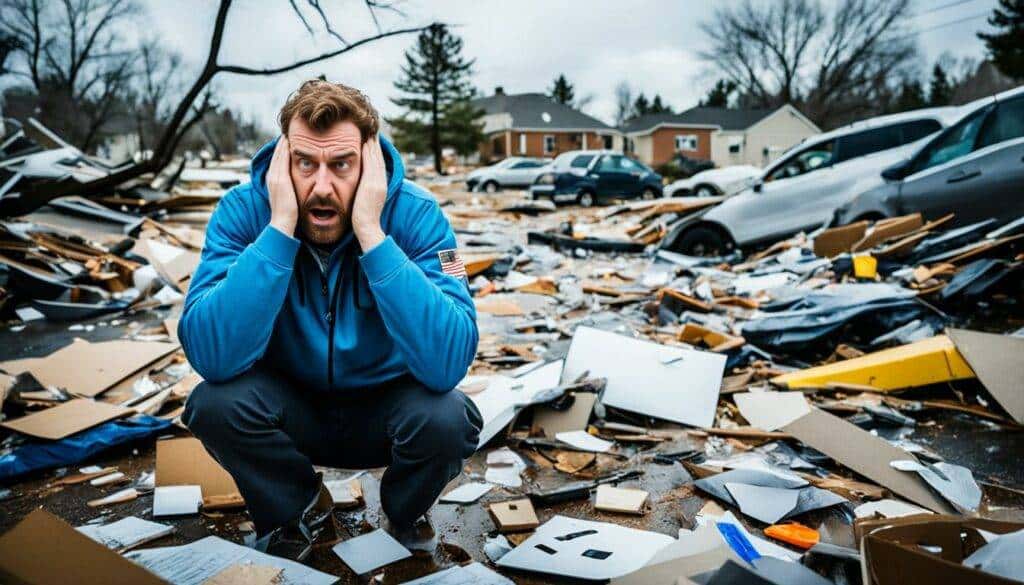
Identifying Your Psychological Trauma
Discovering psychological trauma is an important step in recovery. This requires self-awareness and careful reflection on our experiences. We should ask ourselves: What events affected us? How did we feel before and after these events? In certain situations, emotional or physical reactions may indicate unrecognized trauma.
The World Health Organization (WHO) says the world is facing a mental health crisis. Trauma can lead to serious mental disorders. Psychological trauma disorder is more common than previously thought and has been increasing in recent years. Early diagnosis of psychological trauma helps prevent bigger problems.
Speaking with qualified professionals helps identify trauma. They create a safe environment to discuss our feelings and understand how trauma affects our lives.
https://www.youtube.com/watch?v=E5e2yzD-T3E
Symptoms of trauma include anxiety, sleep problems, and feelings of helplessness. Not treating them can lead to anxiety attacks and depression.<sup> 13 </sup> It is crucial to know that there are different types of trauma and various techniques for overcoming them, such as cognitive behavioral therapy and other strategies . <sup>14</sup>
Impacts of Psychological Trauma on Daily Life
Psychological trauma affects many areas of our lives. It influences personal relationships and professional performance . This impacts our mental and emotional health.
Personal Relationships
Relationships affected by trauma can make it difficult to connect with others. This can lead to isolation and mistrust. People with trauma may feel anger, fear, or sadness, affecting their social relationships and making it difficult to form strong bonds.<sup> 15</sup>
Professional Performance
In professional life, trauma also has an impact. It can reduce productivity and increase the difficulty of focusing on tasks. Furthermore, it can lead to more absences from work. People with PTSD may experience hyperarousal and insomnia, impairing their work performance. <sup>16</sup> It is crucial to have professional support to deal with these effects. <sup>15</sup>

Treatment for Psychological Trauma
Treatment for psychological trauma is essential to help recover from the traumatic experience. Psychotherapy is one of the most effective approaches. It helps process emotions and change negative thought patterns. Research shows that seeking therapeutic help can lead to an 80% recovery rate. <sup>17</sup>
There are several types of psychotherapy, such as cognitive behavioral therapy, exposure therapy, and EMDR. Each addresses different aspects of trauma. The practice of mindfulness and meditation can reduce anxiety and depression by up to 40%. Support groups are also very helpful, with 85% satisfaction among participants. <sup>17</sup>
Emotional resilience is crucial for recovery. More resilient people may see up to a 50% reduction in symptoms after treatment. New therapy formats, such as online sessions, are emerging and showing good results 18 .
https://www.youtube.com/watch?v=ZVrgzuM9pvA
Psychotherapy for Trauma: An Effective Approach
Psychotherapy for trauma is very important for those living with emotional disorders due to traumatic experiences. Qualified professionals provide emotional support . They create a safe environment so that we can talk about our difficulties. Many studies show that therapy can bring good results, such as in Post-Traumatic Stress Disorder (PTSD) 19 20 .
EMDR is a widely used technique recommended by the World Health Organization. It is excellent for children, who improve rapidly with treatment. With EMDR, people change how they deal with emotions and improve significantly in just a few sessions.
Other therapies, such as CBT and Brainspotting, are also good. They help to change bad thoughts and promote lasting recovery 21 20 .
The duration of treatment varies from person to person, depending on the trauma experienced. Psychotherapy not only provides short-term relief, but also helps build emotional resilience, which is crucial for overcoming challenges .

How to Overcome Trauma
Overcoming trauma requires dedication and self-care. It is crucial to create strategies for coping with emotions and promoting a healthy recovery.
Practical Tips for Dealing with Emotional Trauma
To cope with emotional trauma, some tips are very helpful:
- Recognizing and accepting the feelings that arise after the trauma.
- Seek emotional support from friends, family, or support groups.
- Practice relaxation techniques, such as yoga and meditation, to relieve stress.
- Staying connected with loved ones, as this social connection is essential in the recovery of well-being 22 .
- Establish a daily routine that brings stability and emotional comfort 22 .
The Importance of Self-Care
Self-care is fundamental to recovery. Taking care of physical and mental health can be done in several ways:
- Regular physical exercise helps release endorphins and improves emotional state.
- Enjoyable activities and hobbies that promote creativity and joy.
- Gratitude practices, which help to change perspective and reduce anxiety 23 .

Support Groups and Communities
Participating in support groups is very important for those struggling with trauma. They give us a safe place to share experiences and find understanding. In groups like Alcoholics Anonymous and Neurotics Anonymous, we learn that we are not alone. This helps us find emotional relief 24/7 .
Having a good support network greatly affects our health. Research shows that a good network can protect us and help us grow emotionally. It gives us the resources to feel good and have a healthy mind. Connecting with those who understand our struggles makes us stronger .
Support groups have many benefits, such as sharing information and a sense of belonging 24/7 . They can be online, which helps reach more people. These support spaces help us grow together, which is very valuable.

| Type of Support Group | Objective | Environment |
|---|---|---|
| Alcoholics Anonymous | To assist in the recovery of individuals with alcohol problems. | In person and online |
| Neurotics Anonymous | To offer emotional and social support. | In person and online |
| Women Who Love Too Much Anonymous | Working through codependency issues | In person and online |
Support groups are very effective in creating bonds and improving mental health. This shows that social connection is key to our recovery and happiness.
Resilience: Fundamental for Overcoming Challenges
Resilience helps us overcome the challenges that arise from trauma. It is the ability to adapt and return to normal after difficulties. Developing this resilience is essential to having the inner strength to face life.
In psychology, positive therapy is very effective for those who have experienced trauma. It focuses on positive things, such as personal growth and gratitude, helping with recovery . Self-care techniques, such as mindfulness and exercise, are also important for improving emotional well-being .
Practicing resilience, such as accepting and caring for oneself, strengthens our inner strength . Research shows that resilience is linked to our experiences and ego. This helps in dealing with trauma . Using therapeutic exercises with sensitivity helps to respect our emotions and create a safe environment for recovery.
Having a good relationship with the ego and a supportive environment is crucial. This connection helps to cope with trauma and avoids emotional isolation 27 .

Building resilience requires consistent practice and the support of others. Having friends and family who support us emotionally is very important . With the right support and a safe environment, we can not only recover but also grow after challenges.
Conclusion
Psychological trauma is a difficult but manageable experience. This article discussed the importance of recognizing and treating trauma. We showed how stressful events can cause specific symptoms.
Studies show that young people between the ages of 18 and 25 have different ways of coping with trauma. This shows that each person reacts uniquely to their difficult experiences. <sup>28</sup>
Recovering emotionally can be challenging, but it is possible with the support of others and coping strategies. Seeking help and taking care of yourself are important steps toward a better life after trauma. Post-traumatic stress disorder can be overcome, and each person has their own path to recovery. <sup>29 </sup>
Looking to the future, it is important to continue researching the impact of psychological trauma. We see trauma as a collective story, not just an individual one. With empathy and solidarity, we can create a healing environment for everyone. <sup>28</sup>
FAQ
What is psychological trauma?
Psychological trauma is an emotional and psychological reaction to painful events. This can include loss or abuse. These events greatly affect our lives and well-being.
What are the common symptoms of psychological trauma?
Symptoms include intense emotions such as anger and sadness. There may also be isolation and physical symptoms such as insomnia and pain.
How can we identify psychological trauma in ourselves?
To identify it, reflect on significant events and your emotional and physical reactions. Seek professional help if necessary.
What are the impacts of psychological trauma on personal relationships?
Trauma can affect the formation of authentic connections. This can lead to withdrawal and difficulty trusting others.
How effective is psychotherapy in treating trauma?
Psychotherapy, such as cognitive behavioral therapy and EMDR, is effective. It helps process emotions and develop coping strategies.
What types of treatment exist for psychological trauma?
Treatment includes psychotherapy, exposure therapy, cognitive behavioral therapy, and, in some cases, medication.
What can we do to overcome emotional trauma?
To overcome this, acknowledge and accept your feelings. Seek emotional support, practice relaxation techniques, and prioritize self-care.
How can support groups help in trauma recovery?
Support groups offer a safe space to share experiences. They help minimize isolation and strengthen resilience.
What is resilience and how does it relate to overcoming trauma?
Resilience is the ability to recover from and adapt to difficulties. Developing resilience is crucial for overcoming trauma, along with a positive mindset and self-care practices.
🌟 Have you considered seeking a therapist to support your well-being journey?
If this article sparked reflections about positive changes in your life, perhaps now is the ideal time to take the next step. Do you know hypnosis as a therapeutic tool? This approach can be surprisingly effective for various personal challenges.
Special offer: Book a free 20-minute consultation with therapist Fabio Morus and discover how therapy can transform your life.
✨ No commitment — Completely free — 20 minutes that can make a difference
👉 Click here to book your free consultation
Don't postpone your well-being any longer. The first step to change is just one click away.