
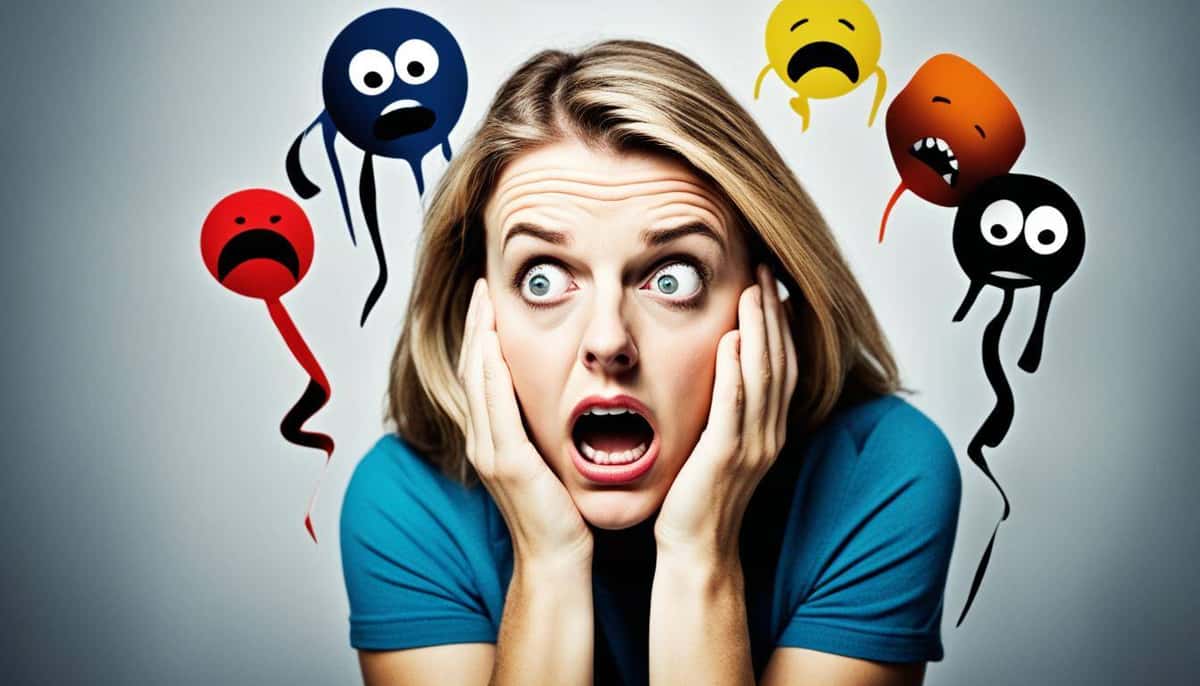

Have you ever wondered if the fear we feel is a phobia or just a reaction to stress? This question can help us better understand the relationship between phobias and anxiety .
In this article, we will explore this relationship. We will see how these disorders affect our mental health . We will also talk about the importance of treating phobias to improve quality of life. The World Health Organization (WHO) says that Brazil has the highest number of anxious people, affecting almost 10% of the population 1. About 9.3% of the Brazilian population lives with anxiety 2 .
Let's better understand what phobias and anxiety are. Let's identify the signs and symptoms that may be hidden behind the fear. With a complete analysis of causes, types, and treatments, we want to answer questions and offer a path to face these challenges with more confidence and understanding.
Introduction to Phobias and Anxiety
An introduction to the topic of phobias and anxiety disorders is crucial. They greatly affect daily life. Phobias are intense and irrational emotional responses to specific objects or situations. Anxiety disorders, on the other hand, are excessive worries that affect well-being.
In Brazil, 9.3 % of the population has anxiety disorders . This shows the importance of the topic. Among children and adolescents, the prevalence of phobias ranges from 2.4% to 3.3%. Social phobia affects 1% of this group .
This condition can begin in childhood or adolescence. If left untreated, it can last into adulthood . Approximately 65% of phobias are specific, such as acrophobia, claustrophobia, and arachnophobia .
The severity of phobias is significant. Approximately 60% of people with specific phobias are at risk of suicide . Exposure therapy helps in 70% of cases . Knowing and recognizing these conditions is crucial for support and care.
https://www.youtube.com/watch?v=gF25CmwREuQ
What are phobias?
Phobias are emotional disorders that cause excessive fear in specific situations or with specific objects. It is important to understand their characteristics and how they differ from common fear.
Definition and Characteristics of Phobias
The definition of phobias refers to strong reactions to stimuli that are not dangerous. This causes very high levels of anxiety. People avoid situations that might trigger this fear.
Phobias often begin in childhood. But they can also appear in adolescence or adulthood. 5 Tense environments at home can increase the risk of developing phobias. 5
The Distinction Between Fear and Phobia
It's important to know the difference between fear and phobia . Fear is a natural response to real dangers. A phobia, on the other hand, is an excessive and disproportionate fear that affects daily life.
Some specific fears, such as those of insects or natural phenomena, can be very difficult. Many people have multiple phobias, which shows that they may be more prone to having strong fears.<sup> 6</sup>

Causes of Phobias
The causes of phobias are varied and intertwined, including both biological and psychological factors . Understanding these causes is crucial for dealing with phobias.
Biological and Genetic Factors
Biological factors are very important in the development of phobias. Research shows that genetic inheritance can influence how we react to stimuli, leading to anxiety. About 20% of the world's population suffers from phobias, such as acrophobia . There are more than 500 types of phobias in the world .
Psychological and Environmental Influences
Psychological influences are also strong in the formation of phobias. Traumatic or negative experiences can trigger fear. Many phobias are linked to past events, showing the importance of life history. Psychological therapy is an effective way to overcome fear, allowing one to gradually confront phobias .
https://www.youtube.com/watch?v=wjfb00lRi10
Types of Phobias
Phobias are divided into several types, based on the object or situation that causes fear. This helps in diagnosis and treatment . The main types are specific phobias , social phobia , and agoraphobia .
Specific Phobias
Specific phobias include intense fears of objects or situations. For example, arachnophobia is the fear of spiders, and claustrophobia is the fear of enclosed spaces. About 75% of people with phobias have more than one object or situation that frightens them.
There are over 100 types of specific phobias . They encompass fears of natural environments, animals, and everyday situations.
Social Phobia
Social phobia is the fear of interacting in social settings. This can lead to avoiding situations involving others. This phobia can affect school life and the formation of friendships, harming self-esteem.<sup> 11</sup>
Agoraphobia
Agoraphobia is the fear of being in places or situations that are difficult to escape. It can be so strong that some people become isolated at home . Behavioral therapy helps to deal with these phobias, using gradual exposure to the fear .
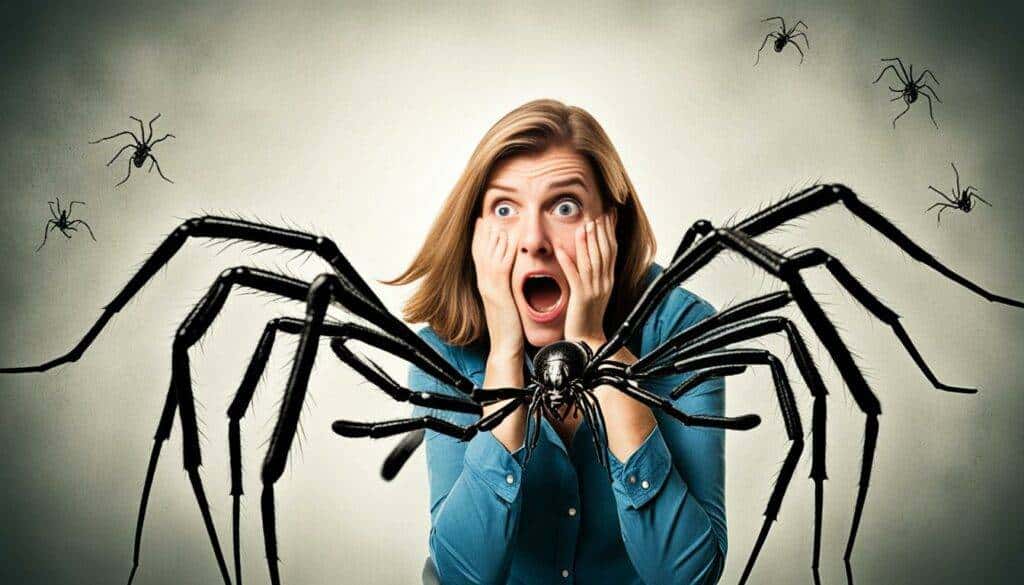
Anxiety and its Role in Phobias
Anxiety is very important in phobias. It affects how fear manifests itself in various situations. People with phobias have a great and unmotivated fear, which affects specific objects or events. <sup>12</sup>
When they are confronted with what they fear, anxiety increases. This causes symptoms such as palpitations and excessive sweating 13 .
Studies show that many people experience anxiety. About 12.5% of the population suffers from some anxiety disorder in their lifetime. And 7.6% face this every year 13. Phobias can begin with a traumatic event, leading to a very strong anxiety reaction 13 .
To deal with anxiety, it's important to have treatment . Psychotherapy is an effective option, which should be done regularly.<sup> 12</sup>
Furthermore, anxiety and fear can become a major problem. They can greatly affect people 's lives. Women are more prone to phobias and anxiety disorders. It is important to understand how these problems affect different groups.
It's crucial to be aware of and seek help for those suffering from anxiety. This can improve the lives of many people.
https://www.youtube.com/watch?v=ot9zCz-7wdM
Symptoms of Phobias
Symptoms of phobias include both physical and psychological ones. They show how fear affects our lives. Recognizing these symptoms of phobias is crucial for seeking help and improving quality of life.
Physical and Psychological Symptoms
Physical symptoms include sweating, tachycardia, and difficulty breathing. These reactions can be very strong and cause panic. Psychologically, anxiety can be very intense, leading to thoughts of despair and a strong desire to flee the feared situation. 15 16 .
Social phobia can lead to strong emotional reactions, such as fear of interacting with other people and concerns about image 16 .
Differentiating Symptoms Among Anxiety Disorders
It is important to know the difference between the psychological symptoms of phobias and other anxiety disorders. Phobias can cause specific reactions to certain stimuli. Generalized anxiety, on the other hand, brings constant and unfocused worries. Diagnoses consider the intensity and persistence of fears and their impact on daily life. <sup>17 16 </sup>
Mental health professionals assess the symptoms of phobias in order to offer appropriate treatment .

Generalized Anxiety Disorder
Generalized anxiety disorder (GAD) is very common in Brazil. Anxiety is the most recurrent mental health problem here. The World Health Organization (WHO) has stated that Brazil is the most anxious country in the world. <sup>18</sup>
This disorder causes people to worry excessively and have difficulty controlling their anxiety. This greatly affects the lives of those with GAD.
Symptoms of GAD include muscle tension, irritability, and sleep problems . Additionally, those with social phobia often also have GAD . To be diagnosed with GAD, symptoms must last more than six months, according to the DSM- 5 .
https://www.youtube.com/watch?v=EsvfPJFhxCw
Treatment for GAD should be tailored to each person's needs. Cognitive -behavioral therapy is widely used.19 However, anxiety disorders are often misdiagnosed and poorly treated. This leads to many people being absent from work and having low productivity.20
It is very important to recognize and treat the symptoms of GAD correctly. This way, we can avoid long-term problems.
Panic Attacks and Phobias
Panic attacks are sudden episodes of fear. They are common in people with phobias. Approximately 240 million people worldwide have panic disorders, mostly women . During these attacks, they may experience palpitations, excessive sweating, and thoughts of impending death. These attacks can last up to an hour and may begin and end within minutes .
For those with phobias, these attacks can increase fear. For example, someone with agoraphobia may be afraid to leave home. This can greatly affect daily life.21 Therapies and sometimes medication help control these disorders.22
Understanding the relationship between panic attacks and phobias helps to find ways to cope with them. A correct diagnosis and a well-planned treatment are key to alleviating symptoms. This improves the lives of those affected, helping them to better cope with fear and anxiety. <sup>22</sup>
FAQ
What are phobias?
Phobias are intense and disproportionate fears related to specific objects or situations. This causes an intense anxiety response, often leading to avoidance of these situations.
What are the most common types of phobias?
The most common types include acrophobia (fear of heights) and arachnophobia (fear of spiders). There is also social phobia (fear of social interactions) and agoraphobia (fear of places where escape might be difficult).
How can we differentiate between fear and phobia?
The difference between fear and phobia lies in the response. Fear is a reaction proportional to a real danger. A phobia, on the other hand, is an exaggerated reaction, without justification, affecting daily life.
What are the causes of phobias?
The causes are multifactorial. They include biological factors , such as genetic predisposition, and psychological influences , such as trauma or negative experiences. Environments can also play a role.
What are the common symptoms of phobias?
Symptoms include physical reactions such as tachycardia and tremors. There are also psychological aspects such as intense anguish and despair.
What is Generalized Anxiety Disorder (GAD) and how is it related to phobias?
Generalized anxiety disorder (GAD) is characterized by excessive worry and difficulty controlling anxiety. It can coexist with phobias, causing muscle tension and sleep problems.
How are panic attacks related to phobias?
Panic attacks are intense episodes of fear. They can occur unexpectedly and are often linked to phobias. Symptoms include palpitations and shortness of breath.
What treatments are available for phobias?
Treatment includes cognitive behavioral therapy, anti-anxiety or antidepressant medications. There are also exposure strategies to gradually confront fears.
🌟 Have you considered seeking a therapist to support your well-being journey?
If this article sparked reflections about positive changes in your life, perhaps now is the ideal time to take the next step. Do you know hypnosis as a therapeutic tool? This approach can be surprisingly effective for various personal challenges.
Special offer: Book a free 20-minute consultation with therapist Fabio Morus and discover how therapy can transform your life.
✨ No commitment — Completely free — 20 minutes that can make a difference
👉 Click here to book your free consultation
Don't postpone your well-being any longer. The first step to change is just one click away.