
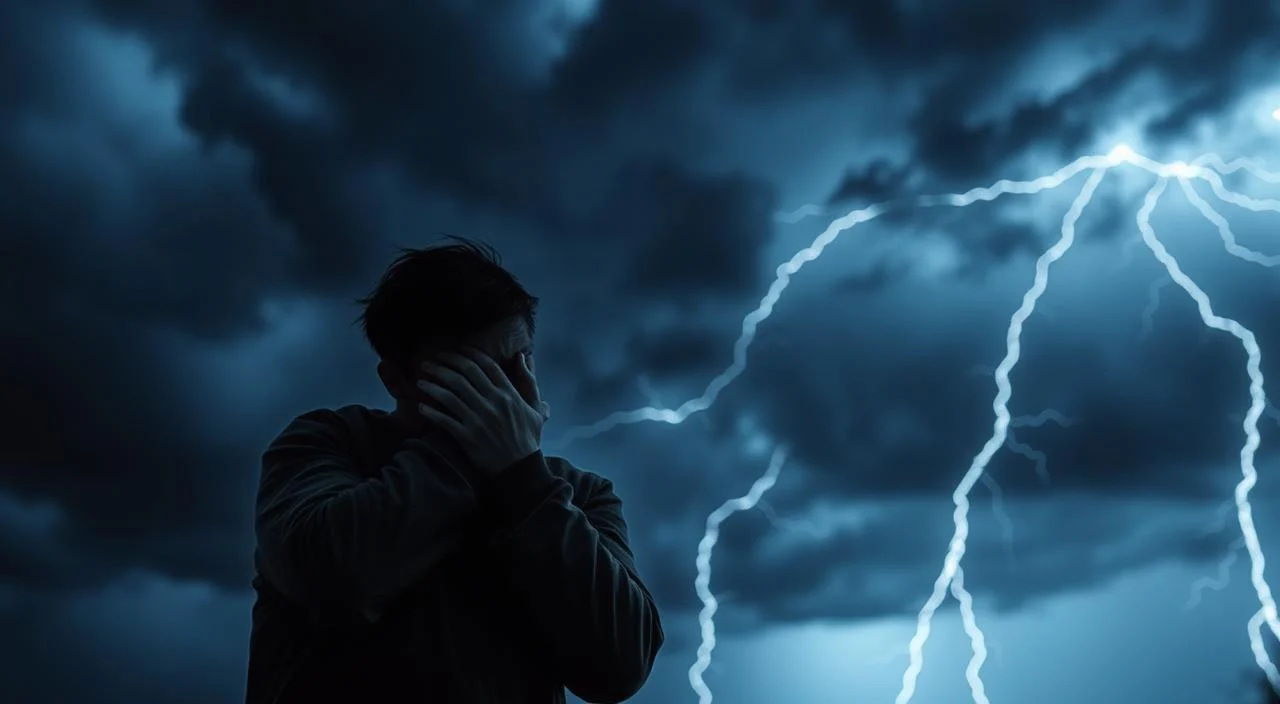

Have you ever felt paralyzed by anxiety on stormy days ? The sound of thunder can be very frightening. The fear of thunder and lightning can be very strong for some people.
This fear isn't just temporary. For many, it can become a phobia that affects their daily lives. It's time to confront this anxiety and overcome it. Let's look at the causes of this fear and how to overcome it.
What is the fear of thunder and lightning?
https://www.youtube.com/watch?v=ePuucyYMNqA
The fear of thunder and lightning is known as astraphobia. It affects many people worldwide. This fear stems from past traumas and feeling vulnerable during storms.
This phobia can drastically change the life of those who suffer from it. It can disrupt routines and diminish quality of life.
Definition and causes of fear.
Thunder phobia is a very strong fear of thunder and lightning. Many things can cause this fear. Traumatic experiences in childhood are common.
Furthermore, the anxiety of not being in control during storms helps create this phobia.
Common symptoms
Those who are afraid of thunder and lightning may experience:
- Excessive sweating
- Increased heart rate
- Feelings of panic or despair
- Muscle tension
These symptoms can vary in intensity. They may appear during storms or beforehand. The discomfort can be very significant.
When does it become a problem?
Fear becomes a major problem when it prevents a person from doing normal things. For example, they might avoid leaving the house on stormy days. Or they might not want to go into places where they could hear thunder.
These extreme actions show that the fear is not mild. It's a serious phobia that needs attention.
How does fear develop in childhood?

Fear in childhood is complex and has many contributing factors. These factors can greatly affect a child's life. In childhood, we see how certain elements are very important.
Environmental factors
The situations children experience greatly influence their fear. Strong storms can cause fear because they can be very sudden.
These experiences can change how a child sees the world. They may begin to fear thunder and lightning.
Parental influence
Parents play a large role in children's fears. If parents are afraid of thunder, this can be passed on to their children. They may learn to see thunder as dangerous.
This causes fear to develop from an early age. Parents who don't show fear can help their child overcome their fear.
Traumatic experiences
Traumatic experiences , such as being caught in a storm, have a significant impact. They can create bad memories that last a long time. This can lead to intense fear.
If these experiences are not processed properly, the child may become more vulnerable to fear. This can happen in similar situations in the future.
Signs that fear is excessive
It's very important to know when fear is excessive. It can greatly affect our lives. Often, we don't realize that the fear we feel is too great.
Impact on daily life
Excessive fear can cause you to avoid simple things. For example, not wanting to leave the house when it rains. This can make you feel lonely.
A constant state of alert can disrupt your routines. This can cause stress and anxiety.
Physical and emotional reactions
When fear is intense, you may experience a racing heart. Trembling and a feeling of helplessness are also common. These sensations are not only uncomfortable, they can cause emotional problems.
Feelings of inadequacy and despair can worsen the situation. This creates a vicious cycle.
Avoidance behaviors
Avoidance behaviors show that fear is out of control. For example, constantly checking the time or seeking sleeping pills. These actions may seem helpful, but they usually make the problem worse.
Strategies for coping with fear

Overcoming the fear of thunder and lightning is a challenge. But there are effective ways to help. It's essential to find techniques that are easy to follow every day. Let's explore practices like breathing, mindfulness, and gradual exposure to help you.
Breathing techniques
Breathing techniques are great for combating anxiety. Practicing deep breathing can calm your body and mind. Inhale through your nose, hold your breath for a few seconds, and exhale slowly through your mouth.
Repeating this process several times can make you feel calmer and more in control.
Mindfulness practices
Mindfulness is a safe space to face fear. By focusing on the present moment, you learn to observe your emotions and physical reactions. Practices like meditation and mindfulness can teach you to see the storm as a natural part of life.
Over time, this may lessen your fear.
Gradual exposure
Gradual exposure helps you get used to the sounds and sensations of thunderstorms safely. Start by listening to recordings of thunder at a low volume. Then, gradually increase the volume as you become more comfortable.
The importance of storm education.

Understanding storms helps overcome the fear of thunder and lightning. Learning about storms allows us to face them more calmly because we know what is happening.
Understanding natural phenomena
The natural phenomena of storms have scientific explanations. Knowing the difference between thunder and lightning makes us feel safer. Learning about storms reduces the fear they cause.
Debunking common myths
Many myths about thunder increase fear. For example, the idea that lightning always strikes people is an unfounded fear. Statistical data shows that this is not true. Thus, education about storms helps to clarify these misconceptions.
How to communicate fear to children

It is essential that parents and caregivers know how to talk to their children about fear. Having open conversations about fear helps children talk about their feelings. This creates a safe space for them to feel secure.
Parents' reactions greatly influence how children perceive storms. Therefore, it's important to be honest without creating panic.
Open conversations
Open conversations allow children to ask questions and express concerns. It's crucial to be honest about your feelings. This shows that it's normal to feel scared.
Sharing one's own experiences helps create a space for understanding. This exchange of emotions strengthens family bonds.
Encouragement and support
Encouragement and emotional support are very important. Telling them they are not alone helps to lessen their fear. Offering relaxing activities during a storm can make all the difference.
Having a family routine that includes safety helps a lot. This contributes to the child's emotional health.
Therapies to overcome fear

Overcoming the fear of thunder is possible with various therapies. Cognitive-behavioral therapy is very helpful. It teaches you to understand and confront your fear in an organized way.
Relaxation techniques, such as meditation and breathing exercises, are also helpful. They help control anxiety. Exposure therapy is another option, allowing you to confront your fear gradually in a safe place.
Cognitive-behavioral therapy
Cognitive behavioral therapy is highly recommended. It helps to change negative thoughts that increase fear. During the sessions, the patient learns to see storms in a different light.
Relaxation techniques
Using relaxation techniques is crucial. Meditation and breathing exercises help reduce anxiety. With them, the individual feels more prepared to face difficult situations.
Exposure therapy
Exposure therapy helps to confront fear gradually. The patient is exposed to what they fear, such as the sound of thunder, in a safe place. Over time, this reduces the fear.
| Type of Therapy | Description | Therapeutic Action |
|---|---|---|
| Cognitive-Behavioral Therapy | An approach focused on restructuring thoughts. | Reducing negative reactions |
| Relaxation Techniques | Anxiety management practices | Increased self-awareness and self-confidence. |
| Exposure Therapy | Gradual confrontation with feared situations | Desensitization and overcoming fear |
Professional support: when to seek help

Seeking professional help is essential when fear of storms disrupts daily life. Recognizing the signs is an important step. Knowing when to ask for help can change the life of someone with this phobia.
Signs that support is needed.
There are signs that indicate you need professional help. These include:
- Inability to perform simple tasks due to fear.
- Avoid leaving the house whenever it rains.
- Very high anxiety before, during, and after storms.
- Problems in relationships with friends and at work.
Specialized professionals
Psychologists and therapists have the skills to help overcome this phobia. They use techniques that are tailored to each individual. This creates a safe space to learn how to cope with the fear.
The influence of culture on the fear of storms.

Fear of storms varies greatly around the world. Culture plays a very important role in this. It shapes how people view these natural phenomena .
In different cultures, perspectives are unique. This affects how people deal with the fear of thunder and lightning. Seeing these differences shows how the traditions and stories of each place influence fear.
Cultural differences
The fear of storms stems from cultural differences . In some places, stories and superstitions increase the fear. For example, in some groups, storms are seen as supernatural or divine events.
This makes the fear even greater. But in other cultures, storms are seen as natural phenomena . They teach us to respect, but not fear, storms.
Regional myths
Myths about thunderstorms are common. They can greatly affect how people deal with fear. These stories often exaggerate the risks of thunder and lightning.
This creates an atmosphere of fear. In some regions, thunder is believed to be a sign of divine displeasure. Educating people about the science behind thunderstorms can help demystify these fears.
Online resources and tools
Searching for resources online is very helpful in combating the fear of thunder and lightning. There are several options to feel calmer during storms. Apps for managing fear are effective, with exercises and techniques for any situation.
Recommended apps
Apps designed to control fear can help manage anxiety. Some examples include:
- Calm : Focused on breathing techniques and guided meditations.
- Headspace : Offers mindfulness practices that help calm the mind.
- Simple Habit : Presents short relaxation exercises that can be done quickly.
Educational websites about storms
Learning about storms is essential to demystify the fear. Some useful websites are:
- National Weather Service : A reliable source of information on weather and safety during storms.
- Ready.gov : Offers tips on preparedness and how to act in case of severe storms.
- Weather Underground : Provides scientific forecasts and explanations about weather events.
Stories of overcoming adversity.
Stories of overcoming adversity are a source of inspiration. Many people are afraid of thunder and lightning. These examples show the strength of the human spirit.
These stories reflect the resilience of each individual. They also show the importance of community support.
Inspiring examples
There are many inspiring stories. One mother taught her son about storms, lessening his fear. A young man, in self-help groups, found safety in collective empathy.
These examples of overcoming fear show that sharing difficulties helps. Many find relief and hope by talking about their experiences.
The role of the community
The role of the community is crucial in overcoming fears. Support groups and community initiatives are essential. They offer a safe space to share.
Encouragement and understanding among those facing similar challenges are important. The bonds formed strengthen self-confidence. They also create a sense of belonging that is vital for emotional recovery.
Conclusion: living in harmony with nature
Accepting storms as part of life helps us deal with fears. Living in harmony with nature allows us to face adversity calmly. Understanding this is crucial for having the courage to overcome challenges.
Accepting the inevitability of storms
Storms are part of our daily lives. Accepting them changes how we feel about them. They become opportunities to learn and grow, not just threats.
Cultivating resilience and courage
Cultivating resilience means viewing challenges with optimism. Recognizing our inner strengths helps us face difficulties with courage. This strengthens our connection with the world around us.
Final considerations and practical tips
In our journey to overcome the fear of thunder and lightning, it's crucial to revisit best practices. Understanding natural phenomena helps a lot. It's also important to cultivate resilience with breathing and mindfulness techniques .
Seeking support when needed is essential. A summary of the practices discussed can be a foundation for transforming fear into personal growth.
Reflection and self-evaluation are fundamental. Ask yourself: what are the triggers that intensify your fear? What strategies have you already tried that worked? And which ones could be adjusted?
These questions can help you understand better and find effective practical tips for yourself.
Remember, overcoming the fear of storms is not a solitary task. With the right tools, we can live in harmony with nature . Your determination and self-awareness are key to transforming fear into strength.
🌟 Have you considered seeking a therapist to support your well-being journey?
If this article sparked reflections about positive changes in your life, perhaps now is the ideal time to take the next step. Do you know hypnosis as a therapeutic tool? This approach can be surprisingly effective for various personal challenges.
Special offer: Book a free 20-minute consultation with therapist Fabio Morus and discover how therapy can transform your life.
✨ No commitment — Completely free — 20 minutes that can make a difference
👉 Click here to book your free consultation
Don't postpone your well-being any longer. The first step to change is just one click away.