

Have you ever felt a tightness in your chest at the thought of showering alone at home? This fear is more common than you might think. It can profoundly affect your peace of mind.
It's distressing to feel trapped by this feeling. But the good news is that it's possible to overcome the fear of showering alone at home and regain control of your life.
In this article, we'll explore practical tips. They will help you face this challenge and enjoy moments of self-care with confidence.
What is the fear of showering alone?
https://www.youtube.com/watch?v=NdsWg-eo_rE
The fear of showering alone is a common anxiety. Many people face it at some point. It's crucial to understand the causes of this fear and how they arise.
Common causes of this fear
Some causes of fear of bathing alone include:
- Traumatic experiences in childhood, such as falls.
- Fears of vulnerability and a feeling of being exposed.
- Cultural influences that increase insecurity in isolated places.
How fear manifests itself
This fear manifests with physical and psychological symptoms. People often experience:
- Symptoms include sweating, rapid heartbeat, and tremors.
- A feeling of panic or despair at the thought of showering alone.
- Avoiding showering disrupts the daily routine.
The difference between fear and phobia.
It's important to know the difference between fear and phobia. Fear can be uncomfortable, but it doesn't significantly affect life. Phobias, like ablutophobia, are more intense. They limit daily life and cause great suffering.
The emotional impact of fear in daily life.

The fear of showering alone at home greatly affects life. It can change routines and mental health. This makes us see ourselves negatively.
Consequences in personal routine
When fear is very strong, some people avoid bathing. This can cause problems such as:
- Proliferation of bacteria on the skin.
- Skin infections and other health problems.
- Difficulties socializing due to lack of hygiene.
How does it affect mental health?
Fear greatly affects mental health. It can increase anxiety and even cause depression. This leaves us emotionally exhausted.
Relationship with self-image
Fear greatly affects how we see ourselves. Feeling vulnerable can make us see ourselves negatively. This affects self-esteem and relationships with others.
The origin of the fear of showering alone.
The fear of bathing alone stems from various sources. Childhood experiences and cultural factors are key. Traumatic memories, such as falls in the bathtub, can create a significant fear.
These childhood memories can leave a lasting mark. They cause fear to persist into adulthood.
Childhood experiences
Childhood memories are very important. Children who have had bad experiences in the bath may develop a fear. Water that is too hot or falls can create a fear that lasts a lifetime.
These past experiences affect how people feel in the shower. They can make showering a time of anxiety.
Cultural and social factors
Cultural customs greatly influence bathing habits. In some places, bathing is seen as a pleasant experience. In others, it's an obligation.
This difference can change how people view bathing. Understanding the fear of bathing involves looking at these cultural aspects.
Influence of the media
The media also plays a large role. It often portrays themes of fear. This can increase people's fear.
Negative information about bathing can increase fear. This highlights the importance of a safe bathing environment.
Signs that you have this fear.
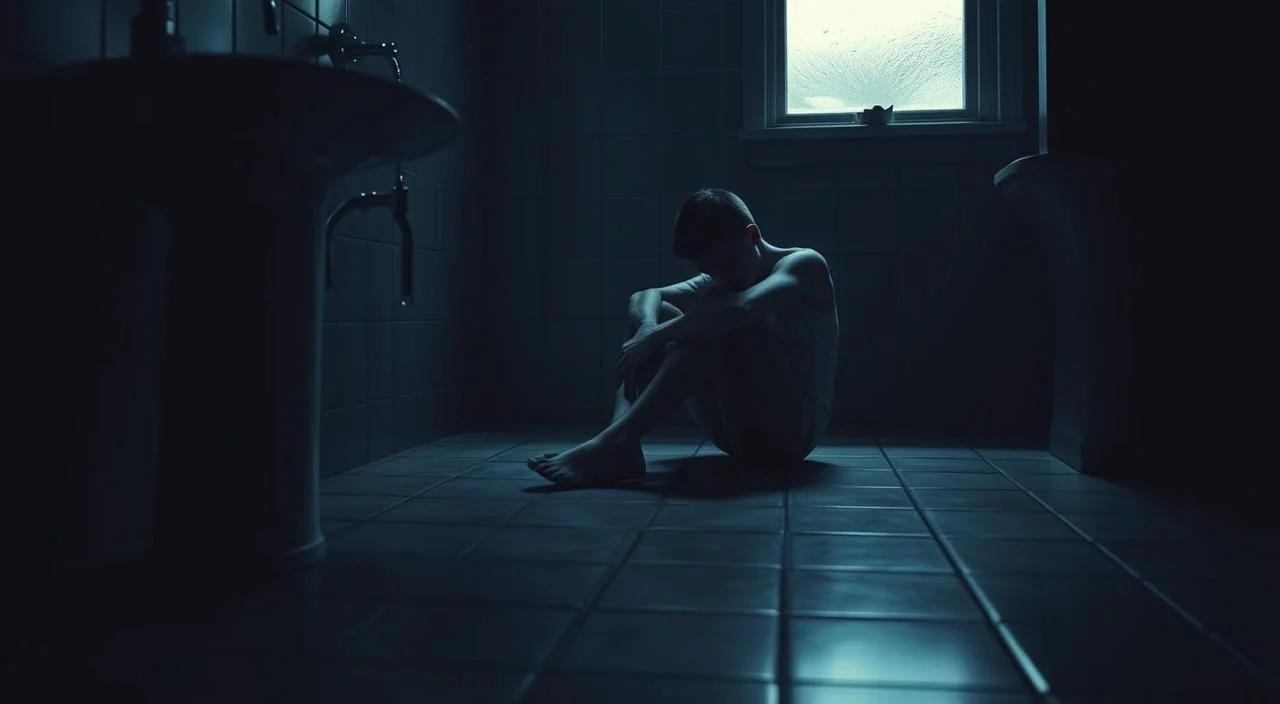
Identifying the signs of fear of bathing is very important. These signs can be physical or behavioral. They can affect your daily routine.
Physical and psychological symptoms
The physical symptoms are clear. People with a fear of bathing experience tachycardia and sweating. Other physical symptoms include:
- Irregular breathing.
- Feelings of nausea.
- Cold hands and feet.
In the mind, anxiety manifests in various ways. This includes intrusive thoughts and feeling helpless. Recognizing these signs of fear of showering helps in finding solutions.
Avoidance behaviors
Fear of bathing leads to avoidance behaviors. This can be gradual. Examples include:
- Procrastination during shower time.
- Ignoring the need for hygiene.
- Prefer short or shallow showers.
These behaviors increase fear. They can also affect self-esteem and health. This creates a cycle that is difficult to break.
Difficulty relaxing
People who are afraid of bathing have difficulty relaxing. The tension makes bathing stressful. These difficulties include:
- Inability to switch off the mind.
- Constant concerns about safety while showering.
- Hesitation to take a shower even when tired or stressed.
These factors increase anxiety and make overcoming fear even more difficult.
Strategies for coping with fear

To overcome the fear of showering, specific strategies are needed. Mental preparation, exercise, and viewing showering in a positive light are essential. These steps greatly help in managing anxiety.
Mental preparation before a bath.
Good mental preparation is crucial. Define what you want to do in the shower, how to take care of yourself. Remember that showering is part of self-care. This changes your perspective.
This mental preparation brings control and security. It helps you feel safer.
Breathing and relaxation exercises
Doing breathing exercises before showering helps reduce anxiety. Breathing slowly and deeply calms the nervous system. Try inhaling for four seconds, holding for four, and exhaling for four.
Repeating this cycle several times brings tranquility. This prepares the body and mind for the bath.
Positive view
Positive visualization is very important for reducing anxiety. Imagine yourself in the bath, with warm water, relaxing and enjoying yourself. Seeing the bath as something pleasurable helps to make it more pleasant.
This psychological practice is one of the strategies for coping with fear that you can use every day.
Effective self-help techniques
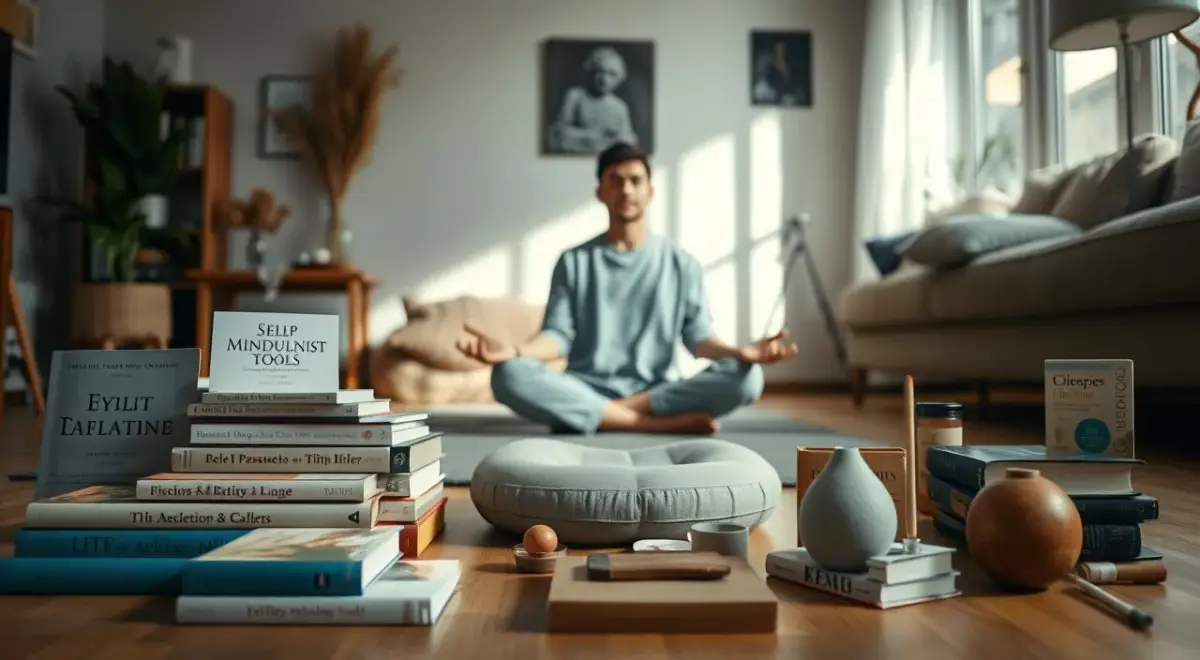
Adopting self-help techniques is essential to transforming bath time into a pleasant moment. By creating a welcoming environment, you facilitate disconnecting from negative thoughts. This makes your bathing routine more peaceful and accessible.
Creating a welcoming environment
Your home can become a safe and relaxing space. Preparing the bathroom with scented candles, soft towels, and a pleasant temperature is essential. These thoughtful touches create an atmosphere that invites relaxation.
Use of music and ambient light
Choosing a calm soundtrack, such as instrumental music or nature sounds, helps. Soft lighting complements the experience, providing a space of comfort and tranquility.
Establishing a routine
Creating a structured bathing routine can transform this moment into a daily ritual. By dedicating specific time to bathing and following a consistent set of steps, you strengthen your connection with this habit, making it an integral part of your day.
The importance of social support

Social support is very important in overcoming the fear of showering alone. Talking about how we feel helps create a support network. This makes us feel more accepted and understood.
Talking about the feeling with friends and family
Talking about our feelings is essential. Friends and family can give helpful advice. They can also share their own experiences, which helps to feel less afraid.
Seek support groups
Participating in support groups is very beneficial. There, we find people who are going through similar things. They give us a safe place to talk and learn from others.
Consider professional therapy.
If the fear is too strong, therapy may be the solution. Therapies such as cognitive behavioral therapy help to confront fear. A therapist can help us create a plan to deal with daily life.
Effects of practice in combating fear.
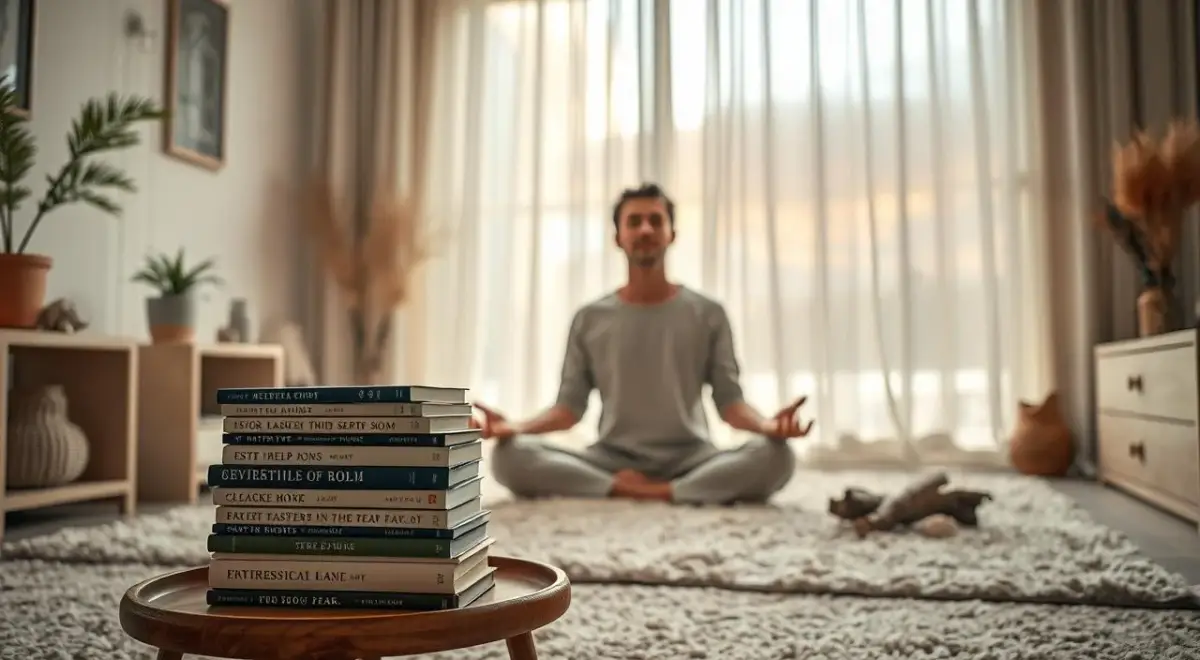
Practicing facing the fear of showering alone makes a big difference. It creates important new habits. Over time, these habits help to reduce fear and increase confidence.
Forming new habits
Acquiring new habits requires effort. Creating a shower schedule helps you get used to it. This makes showering easier and more natural.
Increased confidence over time.
Every small success boosts confidence. Every bath is a victory. This improves self-esteem and makes you see life in a more positive way.
Assessing progress
Seeing progress is very important. Recording advancements, such as spending more time in the shower, helps a lot. These notes motivate and show the effects of the practice.
Applying gradual exposure techniques

Gradual exposure is very helpful in overcoming the fear of showering alone. It involves facing the fear little by little, starting with easy things and increasing the difficulty. It is very important to monitor your reactions at each stage.
What is gradual exposure?
Gradual exposure is one method. It allows you to face difficult situations little by little. This way, you reduce the anxiety of showering alone.
Practical examples of exhibition
- Entering the bathroom without intending to take a shower.
- Agree to take a quick and safe shower.
- Use the shower without turning the water on initially.
Monitoring their reactions
It's crucial to monitor your reactions at each stage. This means observing how you feel. You can notice levels of anxiety, comfort, and the thoughts that arise.
Moments of self-care after showering.
Taking a bath is a chance to take care of yourself. Setting aside time for self-care helps you relax. It also strengthens your connection with your own body.
Creating a relaxing routine
A relaxing routine can include using moisturizing creams. It can also include reading a book or meditating. These actions make bathing a celebration of self-care.
The importance of self-affirmation.
Self-affirmation increases self-confidence. Thinking positive thoughts about yourself helps. Repeating self-love phrases makes bathing more relaxing.
Using favorite products
Using your favorite products makes bathing more enjoyable. Fragrances and textures that we like make all the difference. This transforms bathing into a pleasurable moment.
When to seek professional help
Recognizing the signs that you need therapy is very important. This helps those who are afraid to shower alone. This fear can greatly affect daily life and quality of life. Therefore, seeking professional help is essential when the fear worsens.
Signs that indicate the need for therapy.
It's crucial to know when fear starts to become a major problem. Signs that you may need therapy include:
- Constant avoidance of situations related to bathing.
- Physical symptoms such as a racing heart or sweating when thinking about taking a shower.
- Difficulties in maintaining a personal and social routine.
- Persistent feelings of anxiety and despair.
Types of professionals who can help
Seeking professional help is the first step in overcoming this challenge. Psychologists and therapists are experts in dealing with anxiety. They have experience and know how to personalize treatment for each person.
The role of cognitive behavioral therapy
Cognitive behavioral therapy (CBT) is very effective. It helps to change negative thoughts and learn to cope with fear. With CBT sessions, it's possible to change how we see and confront fear.
Tips for having a relaxing shower
Taking a bath can be simple. But with a few tips, it can be much more relaxing. Preparing yourself and creating a bathing ritual makes all the difference. This creates a relaxing and welcoming environment.
Preparation before bathing
Before showering, prepare your mind. This could be a quick meditation, deep breathing exercises, or simply a moment to disconnect. Setting a fixed time and having a tidy environment also helps.
Creating a bathing ritual
A bathing ritual can be very important. Start by filling the bathtub with warm water. Add essential oils or bath salts. Or, if you prefer, take a shower, adjusting the temperature and playing soft music.
What to do after a shower
After your shower, think about the good things from the day. Think about the small victories. This practice improves your mood and sense of accomplishment. It brings peace and renewal.
Stories of overcoming adversity.
Sharing stories of overcoming challenges is very helpful for those facing difficulties, such as the fear of showering alone. People who have overcome this fear show that it is possible with effort.
Inspiring testimonials
Many people shared their stories. They show that courage and determination are essential. Stories of overcoming adversity inspire self-belief.
The role of perseverance
Perseverance is very important. Overcoming challenges takes time, but every small success is valuable. The role of perseverance shows that effort brings rewards.
Learning from the experiences of others
Learning from other people's stories is very helpful. Sharing experiences in support groups is very valuable. Coming together around stories of overcoming challenges creates a supportive environment.
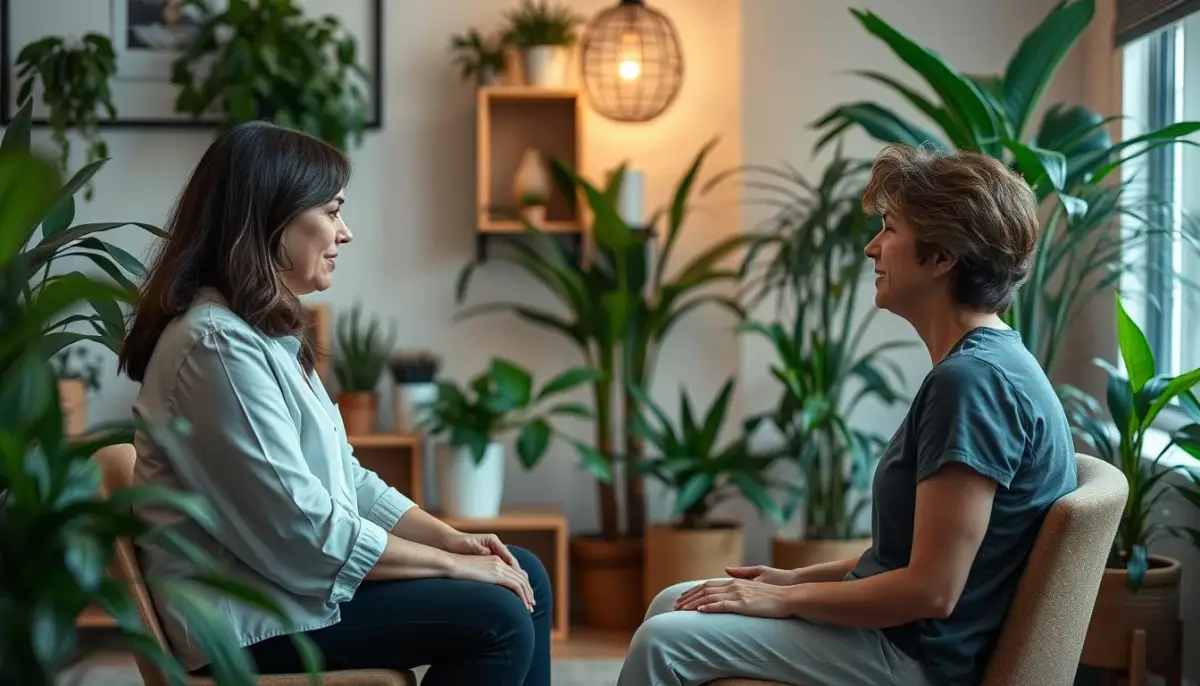
Fear and the practice of mindfulness.
Mindfulness is very helpful in combating fear. It includes showering alone. It teaches us to stay in the present moment, without judgment.
What is mindfulness?
Mindfulness is about being attentive to the present moment. It's about acknowledging our feelings without reacting. It helps us deal with fear in a safe way.
How mindfulness can help
Practicing mindfulness reduces anxiety. It helps us to feel and choose how to react to fear. This gives us more confidence to face challenges.
Mindfulness exercises for beginners
To begin with, it's not difficult. Simple exercises include:
- Breath-focused meditation: set aside a few minutes to concentrate solely on your breathing.
- Sensory exploration: during bath time, pay attention to the sounds of the water, the scent of the soap, and the water temperature.
- Moments of silence: dedicate some time to sit in silence, simply observing your thoughts and feelings.
Maintaining motivation throughout the process.
Staying motivated is crucial. Setting realistic goals helps a lot. Every step taken is a step forward.
With a clear plan, we see progress. This helps us face challenges.
Setting realistic goals
Realistic goals are essential. They should be clear, measurable, and achievable. For example, increasing shower time gradually is easier.
When goals are achievable, it becomes easier to stay motivated. The process doesn't seem so difficult.
Celebrating small victories
Every small victory boosts confidence. Celebrating these victories, even small ones, keeps motivation high. This can be done with rewards or moments of reflection.
These celebrations help to continue the journey of self-discovery.
The importance of patience
Being patient with yourself is essential. Change takes time. Respecting your own pace is crucial.
Patience allows for greater reflection on experiences. Thus, each step taken is valued. The combination of motivation, realistic goals, and celebration of small victories creates a positive cycle.
Conclusion: living without fear
Reflecting on overcoming the fear of showering alone shows great progress. This path requires determination and a willingness to follow the techniques that helped. Every small step is a great advance and deserves to be celebrated.
To move forward, explore new ways to help yourself. Reaffirm the experiences that have already helped you. This way, you can create a daily life full of emotional well-being. This makes you more confident and fearless.
The final message is one of hope and courage. Everyone can face their fears and change their lives. By beginning this journey, you not only overcome fear, but you also profoundly transform your life. Remember, living without fear is an ongoing journey, and you are on the right path.
References
- Wardenaar KJ, et al. The cross-national epidemiology of specific phobia in the World Mental Health Surveys. Psychological Medicine. 2017;47(10):1744-1760.
- Choy Y, Fyer AJ, Lipsitz JD. Treatment of specific phobia in adults. Clinical Psychology Review. 2007;27(3):266-286.
🌟 Have you considered seeking a therapist to support your well-being journey?
If this article sparked reflections about positive changes in your life, perhaps now is the ideal time to take the next step. Do you know hypnosis as a therapeutic tool? This approach can be surprisingly effective for various personal challenges.
Special offer: Book a free 20-minute consultation with therapist Fabio Morus and discover how therapy can transform your life.
✨ No commitment — Completely free — 20 minutes that can make a difference
👉 Click here to book your free consultation
Don't postpone your well-being any longer. The first step to change is just one click away.