
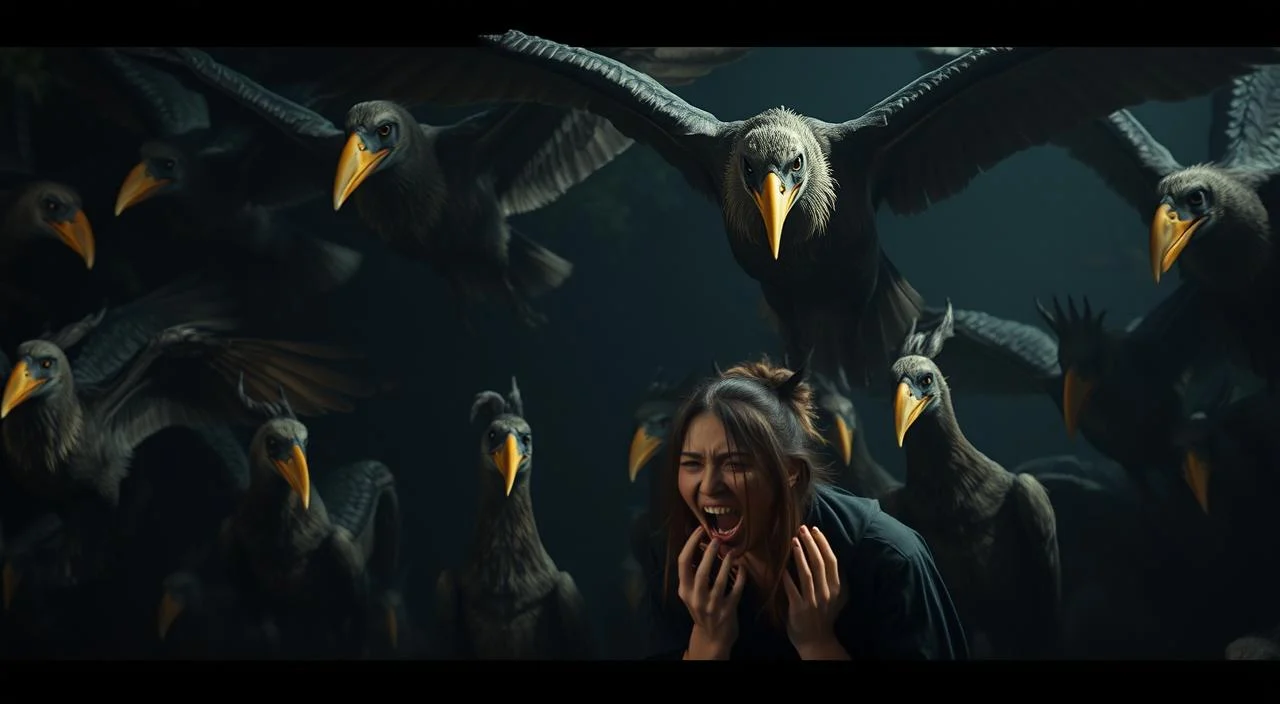

Fear of birds is common. It limits what we can do and causes anxiety. But it is possible to overcome this phobia.
Avoiding outdoor spaces can worsen the problem. However, there are ways to overcome this fear. We will show you strategies and treatments that can help.
Understanding the Fear of Birds and Poultry
Ornithophobia is a very strong fear that affects many people. This fear can stem from various causes and manifests itself in different ways. It's important to understand the causes and symptoms in order to cope with it.
What is ornithophobia?
Ornithophobia is an intense fear of birds. It can stem from traumatic experiences or negative associations with birds. The fear can be mild or very strong, even causing panic attacks.
Common causes of fear
There are several reasons for fear of birds. Some of them are:
- Bad experiences with birds in childhood
- A culture that views birds as dangerous.
- Genetics, which can make someone more anxious.
Symptoms and reactions
Symptoms of fear of birds vary from person to person. Some feel intense fear when they see birds. Others experience physical reactions such as excessive sweating or a racing heart.
- Severe anxiety upon seeing or hearing birds.
- Physical reactions such as sweating and a racing heart.
- Avoid places with birds.
The Impact of Fear on Daily Life
https://www.youtube.com/watch?v=VHPT3W2YZUM
Fear of birds greatly affects the lives of those who have it. It limits their ability to do things without worry. For many, this fear prevents them from carrying out routines, affecting relationships and emotions.
How does fear affect your activities?
Activities such as outdoor walks and visits to parks are affected. Even being in places with birds can cause fear. This leads to frustration and anxiety, decreasing quality of life.
People may avoid places or events out of fear. This creates a cycle of fear and isolation.
Social and emotional effects
Fear of birds greatly affects social relationships. Many feel isolated and have difficulty relating to others. Fear can cause anxiety in social situations.
This makes talking to friends and family difficult. Fear can lower self-esteem and cause mental health problems.
When fear becomes a problem.
It's important to know when fear becomes a problem. If fear affects your daily life or relationships, it's time to seek help. Facing these fears helps improve your life and find emotional balance.
Strategies for Coping with Fear

Overcoming a fear of birds is possible. Therapy, relaxation techniques , and safe exposure can be very helpful. Let's see how these approaches can change your life.
Cognitive-behavioral therapy
Cognitive behavioral therapy (CBT) is very effective. It helps to change thoughts that cause fear. As a result, you begin to see birds in a different light, without so much fear.
Relaxation and breathing techniques
Practicing relaxation is very helpful against anxiety. Deep breathing is a powerful technique. It calms the body and mind, preparing you to face fear.
Gradual and safe exposure
Safe exposure to fear is a way to overcome phobia. It starts with images and videos of birds. Then, it moves on to live encounters in safe places. This way, you confront your fear gradually, without too much panic.
Immediate Coping Practices

To overcome the fear of birds, it's crucial to understand its roots. First, identify what triggers your anxiety. It could be the sight of a bird or the sound of its singing. With these triggers identified, you can use effective coping strategies .
Trigger identification
Understanding what triggers your fear is the first step. Write down situations or places that increase your anxiety. Working to demystify them helps create awareness and allows for better control.
Use of positive visualizations
Visualizing positive moments helps reduce anxiety. Imagine yourself in a safe place, surrounded by friendly birds. This technique reprograms the mind, making it easier to face fear.
Create a safe space
Having a safe environment to practice in is essential. This space should be free from stimuli that generate fear. This allows you to gradually adjust your perception. Comfort and safety in this location are crucial for overcoming fear.
Educating yourself about birds.

Exploring the world of birds can be a great step. It helps overcome fear and appreciate these fascinating creatures. Learning about birds not only gives us knowledge but also reduces anxiety.
Getting to know different species
Learning about specific birds enriches our understanding. It helps to demystify fear. Knowing their characteristics and life habits is fascinating.
For example, some birds sing melodiously. Others have vibrant colors. This diversity makes the study of birds very interesting.
Benefits of learning about birds
Investing in bird education brings many benefits. It increases empathy and respect for nature. It transforms fear into curiosity.
The act of learning helps to alleviate anxiety. With information, we can change our perception. This creates a safer environment.
Resources for learning
Many resources for learning about birds are available. Books, documentaries, websites, and interactive apps are great places to start. Attending workshops or lectures is also very helpful.
The more we learn, the more empowered we feel. This helps us deal better with fear.
The Importance of Birdwatching

Birdwatching is very helpful for those who are afraid of birds. This activity connects us with nature. It's also a safe way to learn about various species.
The benefits include less anxiety and learning about bird behavior. This makes us appreciate their beauty more.
How can observation help?
Birdwatching gives us the chance to observe behaviors calmly. Over time, this reduces fear. We begin to see birds in a different light.
This activity can also be meditative. It helps to focus on the present moment, reducing fear.
Equipment for beginners
For beginners, the right equipment is essential. The following is recommended:
- Binoculars: They are essential for seeing birds from a distance without scaring them away.
- Field guides: help to identify species and their habits.
- Cameras: they capture special moments and connect with other observers.
These devices are easy to find and enhance the experience for those who want to learn about birds.
Ideal places for bird watching
Choosing the right place for birdwatching enhances the experience. Some good options include:
- Urban parks: they have various species in a controlled environment.
- Nature reserves: they are closer to the birds' natural habitat.
- Near ponds and rivers: places with many species searching for food.
These places are perfect for bird watching and enjoying nature.
Supporting Groups and Communities

Participating in support groups changes how we deal with the fear of birds. Meeting people with similar concerns provides emotional support. It also allows us to share experiences and learn new ways to cope with the fear.
Participation in support groups
Support groups for people with a fear of birds are a safe space. Here, we can express our feelings and difficulties. Loneliness diminishes when we join with those who understand our struggle.
Connecting with bird lovers
Participating in bird-loving communities helps to demystify fear. Interacting with nature enthusiasts inspires confidence. They offer a new perspective on birds, reducing fear.
Advantages of sharing experiences
Sharing experiences creates a support network. Every inspiring story helps everyone. This exchange not only educates but also strengthens resilience.
Seeking Professional Help

Recognizing the need for professional help for a fear of birds is an important step. Ornithophobia can cause significant discomfort and affect the lives of those who suffer from it. Specialized therapists can offer essential support during these times.
When should you seek therapy?
If your fear of birds is preventing you from doing everyday things, it's time to seek help. Strong reactions to seeing birds or avoiding places where they are present are signs that you need help. Understanding your feelings and reactions can help you find a therapist.
Types of therapy available
There are several therapies for ornithophobia that can help. Cognitive-behavioral therapy is highly recommended. It helps to change negative thoughts. In addition, gradual exposure is a technique used to confront the fear in a controlled way.
The role of psychiatry in treatment
Psychiatry and fear of birds are linked. Mental health professionals may prescribe medication to help manage anxiety. This medication aids in treatment, along with therapy. Collaboration between psychiatrists and therapists is crucial for a complete treatment.
Assessing Your Progress

Assessing progress in treating fear of birds is very important. This helps you see how you are progressing. It also helps you know which areas need more attention.
With self-assessment tools , you can record your experiences. This creates a map of your personal growth.
How to monitor improvements
To track improvements, it's helpful to set clear goals. Journaling can show you how you're progressing. Remember to be kind to yourself, as every small step forward is important.
Tools for self-assessment
There are several tools to help on this journey. Wellness apps have questionnaires to help you reflect on your feelings. These tools are a great source of motivation.
Importance of personal celebrations
Celebrating small victories is essential for maintaining motivation. It strengthens the sense of accomplishment. Take time to celebrate your wins; every step is a chance to be proud.
The Role of Mindfulness in Coping
Mindfulness is very helpful in overcoming the fear of birds. It helps people react in a calmer way. For beginners, there are several ways to meditate in everyday life.
Meditation practices for beginners
For beginners, meditation can seem difficult. But there are simple techniques that help a lot. For example, focused breathing helps to observe thoughts without judging them.
Progressive muscle relaxation is also helpful. It involves tensing and releasing the muscles, bringing peace. These practices are easy and bring many benefits of mindfulness .
Mindfulness techniques in everyday life
Integrating mindfulness into daily life is easy. You don't need a lot of time to meditate. For example, you can focus on your breathing while driving.
Another idea is to take a mindful walk. Even having tea can be an opportunity to be present. These small pauses transform fear into curiosity.
Benefits of mindful presence
The benefits of mindful presence are numerous. It reduces anxiety and improves emotional well-being. With mindfulness, we become stronger and kinder.
Over time, we begin to see birds in a different light. Instead of fear, we see beauty in them.
Overcoming Myths about Birds
Many myths surround birds. They fuel fear in those who already have anxiety about birds. Demystifying the fear of birds is crucial to seeing these animals in a fairer light. Let's look at some common myths and facts that can change the negative view of birds.
Common myths debunked
- Birds attack humans: Most birds prefer to avoid contact and rarely attack unless they feel threatened.
- Birds are messy: Although some may leave droppings, the vast majority maintain good hygiene, spending time cleaning themselves.
- All birds are dangerous: The diversity of species brings a variety of behaviors. Many birds are harmless and even friendly.
Interesting facts about birds
- There are over 10,000 species of birds in the world, each with unique behaviors and characteristics.
- Birds like canaries and parakeets are known for their sociable personalities.
- Many birds play vital roles in the ecosystem, such as pollinators and seed dispersers.
How misinformation intensifies fear.
Misinformation about ornithophobia can create a negative relationship with birds. This happens when people base their opinions on myths and negative experiences. It is important to combat these myths to promote curiosity and admiration for birds.
Factors that Increase Sensitivity to Fear
Understanding what increases the fear of birds is very important. Past traumas and culture have a big impact. Let's see how these things affect our fear.
Past experiences and traumas
Traumatic experiences, such as bird attacks in childhood, can leave deep scars. These memories make us more susceptible to fear. They create a cycle of fear that is difficult to break.
Influence of culture and society
Culture also greatly influences our fear of birds. Stories, films, and urban legends often portray birds negatively. This makes us more easily afraid of them.
Perception and interpretation of behavior
As we can see, bird behavior varies greatly. For some, the approach of a bird is a threat. For others, it's just curiosity. This difference comes from personal experiences and culture.
How to Support Someone Who Is Afraid of Birds
Supporting someone with a fear of birds requires sensitivity. It's necessary to understand the emotions involved. The pain of ornithophobia can make a person feel very vulnerable and isolated.
Using the right emotional support strategies can greatly change a person's life. This helps in overcoming this fear.
Strategies for providing support
One of the best ways to help is to be there and listen attentively. This creates a safe space for the person to speak without fear of judgment. Staying calm and showing empathy helps a lot.
Avoiding criticism is also very important. This helps to embrace the person's experience.
Encouraging speeches
Using motivational words is very effective. Phrases that show you understand and acknowledge the difficulty help a lot. For example, saying "I understand that you feel very scared, and that's completely valid" can be very relieving.
Avoid minimizing fear.
It's not good to downplay someone's fear of birds. Saying "it's nothing" or "you just need to relax" can worsen anxiety. It's better to validate the person's emotions and say that it's normal to have fears.
Tips for Safe Coexistence with Birds
To have a good outdoor experience with birds, having a plan is essential. Good planning and staying calm are key to happy moments. Here are some tips for bird encounters that can help.
How to stay safe outdoors
When in natural settings, be aware of your surroundings. Some helpful tips include:
- Stay calm and avoid sudden movements, as this may scare the birds.
- Wear clothes that blend in with nature, avoiding very bright colors that might draw attention.
- Bring a local bird guide to better understand the species you might encounter.
What to do in case of unexpected encounters.
Unexpected encounters with birds can cause anxiety. At this time, controlled breathing is essential. Try:
- Inhale deeply through your nose and exhale slowly through your mouth.
- Focus on a positive thought or relaxing image that helps you stay calm.
- Observe the bird's behavior, instead of trying to quickly move away, to understand its intentions.
Preparing for environments with birds
Before visiting areas with birds, prepare yourself well. This can improve your safe coexistence with them. Consider:
- Do some research on the local birds and their habits.
- Plan your visit during times when the birds are most active, increasing the likelihood of pleasant sightings.
- Choose locations with signage indicating the presence of birds, allowing for greater outdoor safety .

Incorporating the Love for Nature
Connecting with nature is more than just seeing its beauty. It's a way to confront fear. By appreciating nature, we feel calm and discover new benefits.
This practice changes our view of birds. Fear is transformed into admiration.
Benefits of connecting with nature
Nature offers many advantages. For example:
- Stress reduction: Being outdoors reduces stress.
- Increased creativity: Nature stimulates the mind and enhances creativity.
- Improved focus: Nature helps to recharge the mind and increases concentration.
Outdoor activities to promote peace.
Engaging in outdoor activities strengthens our connection with nature. Some ideas include:
- Excursions in parks and nature reserves.
- Gardening and plant care.
- Meditations outdoors, enjoying the sounds of nature.
The impact of nature on mental health.
Regular contact with nature improves mental health. Studies show that:
| Aspect | Positive Impact |
|---|---|
| Anxiety | Reduction in anxiety levels after outdoor activities. |
| Depression | Depressive symptoms improve with regular outdoor activities. |
| General well-being | Increased feelings of well-being and happiness. |
Final Thoughts on Fear
Reflecting on ornithophobia teaches us a lot. The fear of birds can be overcome with the right approach. Practices such as cognitive behavioral therapy and relaxation are very helpful.
Learning more about birds is also important. It helps us grow personally.
Recapping the main lessons
Lessons about fear of birds show the importance of information. Connecting with nature is also essential. Understanding the triggers and gradually confronting them changes our perspective.
This process not only overcomes fear, it also builds our self-confidence and resilience.
Daily practices to continue overcoming challenges.
Practicing self-compassion and mindfulness is crucial. Facing challenges, even difficult ones, strengthens us. This leads us to a freer life.
Don't forget to celebrate your small victories. Every step is a great achievement.
The importance of not giving up.
Overcoming challenges is a long road with ups and downs. But don't give up. Persistence is very powerful.
Staying true to our purpose paves the way for a better future. Facing fear with courage is the first step towards transformation.
🌟 Have you considered seeking a therapist to support your well-being journey?
If this article sparked reflections about positive changes in your life, perhaps now is the ideal time to take the next step. Do you know hypnosis as a therapeutic tool? This approach can be surprisingly effective for various personal challenges.
Special offer: Book a free 20-minute consultation with therapist Fabio Morus and discover how therapy can transform your life.
✨ No commitment — Completely free — 20 minutes that can make a difference
👉 Click here to book your free consultation
Don't postpone your well-being any longer. The first step to change is just one click away.