
Mental and emotional health is one of the fundamental pillars for a full and balanced life. It directly impacts personal well-being, interpersonal relationships, and professional performance. In the modern world, daily demands and social pressures have exposed many people to challenges such as anxiety, phobias, and other disorders. Therefore, understanding how to care for emotional health is essential for cultivating resilience and well-being.
In this article, we will delve into every aspect of mental health, exploring everything from effective practices and accessible therapies to proven strategies for coping with anxiety. We will also address the challenges faced by millions of people living with mental disorders, as well as examples of how community and individual initiatives can transform realities. Recent studies indicate that approximately 970 million people worldwide suffer from mental or substance use disorders, highlighting the urgent importance of addressing this issue in a practical and transformative way. You will discover how small changes can transform your emotional life and pave the way for a more balanced future.
The Importance of Mental Health
Mental health is an essential component of overall well-being. It influences how we cope with stress, make decisions, and relate to the world. Neglecting this area can result in conditions such as depression and anxiety, which affect not only the individual but also their support network. Therefore, understanding the importance of this topic is the first step towards adopting meaningful changes.
Practices to Promote Mental Health:
- Physical exercise: Regular physical activity not only improves mood but also reduces stress levels by releasing endorphins—the happiness hormones. Whether it's an outdoor walk, a yoga session, or even a lively dance at home, physical movement is essential for promoting a general sense of well-being and boosting brain health. Studies indicate that just 30 minutes of moderate exercise, five times a week, can make a significant difference to mental health.
- Meditation and mindfulness: These practices are true havens for the mind amidst the chaos of daily life. Creating moments of pause to focus on the present helps reduce anxiety, increase focus, and create a more tranquil mental space. Try starting with five minutes a day, concentrating on your breathing or listening to nature sounds. Consistency in this practice can transform how you deal with stress.
- Cultivating healthy relationships: Maintaining meaningful social connections is vital for emotional health. Friends and family can offer essential support during difficult times, providing a network of comfort and security. Investing time in sincere conversations, face-to-face meetings, or even warm text messages strengthens these bonds and combats feelings of isolation.
- Adequate sleep: Nighttime rest is the foundation of good mental health. During sleep, the brain processes emotions, consolidates memories, and recovers energy to face the next day. Creating a regular sleep routine, avoiding electronic stimuli before bed, and ensuring a quiet environment in the bedroom are simple steps that promote more effective emotional and mental recovery. Sleeping between seven and nine hours a night is ideal for most people.
These simple strategies, when integrated into daily life, can positively transform how we face emotional challenges and strengthen our resilience.
How to Deal With and Overcome Phobias
Phobias are anxiety disorders characterized by intense and irrational fears that can significantly limit quality of life. These specific fears trigger extreme emotional and physical reactions, often disproportionate to the stimulus that provokes them. There are different types of phobias, including:
Specific phobias: Fears related to specific objects or situations, such as acrophobia (fear of heights), zoophobia (fear of animals), or claustrophobia (fear of enclosed spaces).
Social phobia: An intense fear of social situations or of being evaluated by others, which can interfere with everyday interactions and the ability to form interpersonal connections.
Agoraphobia: Characterized by the fear of being in places or situations where escape might be difficult, such as public transportation or large crowds.
These phobias can profoundly impact a person's routine, from avoiding places and situations to developing significant social isolation. Fortunately, there are effective therapeutic approaches, such as cognitive-behavioral therapy, gradual exposure techniques, and, in some cases, medication, that help overcome these limiting fears.

Therapeutic Approaches for Phobias:
A practical example can illustrate the effectiveness of these approaches. Imagine a person with a fear of heights who, during cognitive-behavioral therapy, was guided to create a hierarchy of fears. The process began with simple activities, such as looking at pictures of high places, and progressed to walking on a suspension bridge. With constant support and breathing techniques, they were able to reduce their panic reaction in situations that were previously unthinkable. This example demonstrates how the combination of gradual exposure and professional support can lead to overcoming seemingly insurmountable fears.
Hypnosis for phobias also deserves mention. This approach works at the subconscious level, helping to reprogram negative associations with the feared object or situation. For example, a person with a phobia of enclosed spaces can, through hypnosis, access memories and emotions related to this fear, restructuring them to promote a sense of security and control. This method, often used in conjunction with other therapies, has shown significant results in reducing the impact of phobias.
A practical example can illustrate the effectiveness of these approaches. Imagine a person with a fear of heights who, during cognitive-behavioral therapy, was guided to create a hierarchy of fears. The process began with simple activities, such as looking at pictures of high places, and progressed to walking on a suspension bridge. With constant support and breathing techniques, they were able to reduce their panic reaction in situations that were previously unthinkable. This example demonstrates how the combination of gradual exposure and professional support can lead to overcoming seemingly insurmountable fears.
Cognitive Behavioral Therapy (CBT): This approach is effective in identifying and challenging limiting beliefs. For example, a person with an intense fear of public speaking can, with the help of a therapist, practice small steps, such as rehearsing in front of a mirror, then in front of a friend, until gradually presenting to larger groups. This process helps replace negative automatic thoughts with more realistic and functional perceptions.
Gradual exposure: Under the guidance of a therapist, this technique allows one to confront fear in a controlled manner. Imagine someone with a phobia of dogs. The process might begin with viewing photos of dogs, progress to observing a dog from a distance, and finally, petting a friendly puppy. Each step strengthens confidence and reduces the intensity of the fear reaction.
Breathing and relaxation techniques: These are simple yet powerful tools. For example, during an anxiety attack triggered by a phobia, practicing diaphragmatic breathing—inhaling deeply through the nose, holding for a few seconds, and exhaling slowly through the mouth—can reduce physical symptoms such as tremors and a racing heart, promoting calm and confidence.
Hypnosis for phobias: This method accesses the subconscious to reprogram negative emotional responses. A person with a phobia of enclosed spaces, for example, can, in hypnosis sessions, explore the origins of this fear and replace them with more positive associations, feeling safer and more in control in previously challenging situations.
Overcoming a phobia requires patience, commitment, and the right support. Each small victory in the process brings more strength to keep moving forward, showing that overcoming it is possible with the right strategies.
Therapies and Approaches for Well-being
Therapy plays a crucial role in strengthening mental health, providing a safe space to explore emotions and develop strategies for coping with challenges. There are various therapeutic approaches, each tailored to different individual needs and preferences.
Cognitive Behavioral Therapy (CBT): This is one of the most widely used approaches and is based on identifying and restructuring dysfunctional thought patterns. For example, a person with severe anxiety can learn to recognize negative automatic thoughts, such as "I am not capable of handling this," and replace them with more balanced beliefs, such as "I can try and learn from this experience." With practice, they can face social gatherings or other challenges with greater confidence.
Mindfulness and Full Attention: This approach encourages focusing on the present moment, reducing rumination and promoting inner peace. Individuals with post-traumatic stress disorder, for example, report significant improvements when practicing simple mindfulness exercises, such as observing their breath or taking mindful walks. These practices help create a sense of control over intrusive thoughts and overwhelming emotions.
Art Therapy: Using creativity as a form of expression can be transformative. Imagine a young woman dealing with grief who found in painting a way to process her pain. By painting her emotions, she was able to access repressed feelings and find relief. This creative channel allows one to explore the emotional world in a safe and non-verbal way.

Systemic Therapy: This approach is ideal for resolving family conflicts and strengthening bonds. An example would be a family facing communication challenges. During sessions, a systemic therapist can help each member understand the other's point of view, promoting empathy and harmony. It is especially useful for families wishing to overcome dysfunctional dynamics.
These therapies not only treat specific symptoms, but also promote self-awareness and emotional intelligence. By adopting a therapeutic approach aligned with your needs, it is possible to build a solid foundation to face life's challenges with greater resilience and balance.
Anxiety: Causes, Management, and Control
Anxiety is a natural response to stress, but when it becomes chronic, it can significantly affect quality of life. Before exploring management strategies, it's important to understand its causes. Among the main factors contributing to anxiety are genetics, traumatic experiences, chemical changes in the brain, and prolonged stress. Understanding these origins helps contextualize control and management practices.
Practical Strategies for Managing Anxiety:
- Deep breathing techniques: Deep, controlled breathing, such as diaphragmatic breathing, activates the parasympathetic nervous system, which is responsible for calming the body and mind. By focusing on your breathing, you divert your attention from anxious thoughts and lower your heart rate and blood pressure.
- Regular exercise: Regular physical activity, such as walking, running, swimming, or yoga, releases endorphins, which are neurotransmitters that promote a sense of well-being and reduce stress. In addition, exercise helps improve sleep quality and self-esteem, contributing to anxiety control.

- Mindfulness practices: Mindfulness involves being present in the moment, without judgment. Practicing mindfulness, through meditation, mindful attention to daily activities, or body awareness exercises, helps to observe anxious thoughts and feelings without being carried away by them, reducing emotional reactivity.
- Cognitive restructuring: Cognitive restructuring is a technique that helps identify and question negative and distorted thoughts that contribute to anxiety. By learning to recognize and challenge these thoughts, you can replace them with more realistic and positive interpretations, reducing anxiety.
- Social support: Having a support network of friends, family, or support groups can be crucial for coping with anxiety. Sharing your feelings and concerns with trusted people can help alleviate the emotional burden and make you feel understood. Furthermore, social support can offer different perspectives and encouragement to seek professional help if needed.
Integrating these practices into your daily routine can provide immediate relief from anxiety symptoms and contribute to a state of calm and well-being in the long term.
Anxiety is a natural response to stress, but when it becomes chronic and significantly interferes with daily life, it's important to seek professional help. Identifying the causes of anxiety and adopting effective management strategies, with the support of a mental health professional, is fundamental to restoring balance and improving quality of life.
Practical Strategies for Managing Anxiety
Anxiety can seem like a constant companion during times of stress and challenges, but there are effective strategies to manage it and regain emotional balance. Here are some practical and proven approaches:
Cognitive restructuring: Often, our thoughts can amplify anxiety, causing small worries to turn into major fears. Cognitive restructuring is a technique that helps identify these automatic negative thoughts and replace them with more realistic and positive ones. For example, when facing a challenge at work, instead of thinking "I'm going to fail and everyone will notice," you can adopt a more balanced perspective, such as "I have the skills to handle this, and I can learn from the experience." With practice, this approach helps reduce the influence of anxious thought patterns and promotes a more confident outlook on life.
Mindfulness practices: Mindfulness, or full attention, is a powerful technique for managing anxiety, as it teaches us to focus on the present moment. By concentrating on the now, it's possible to reduce the feeling of mental overload caused by worries about the past or the future. Try starting with simple exercises, such as paying attention to your breathing or observing your surroundings with curiosity and without judgment. A practical example is the "5-4-3-2-1" technique: identify five things you can see, four you can touch, three you can hear, two you can smell, and one you can taste. This practice activates the senses, calms the mind, and creates a space of tranquility amidst the daily chaos.

Deep breathing techniques: During moments of anxiety, it's common to feel a racing heart and shortness of breath. Deep breathing techniques help combat these physical symptoms, promoting calm and mental clarity. One effective technique is diaphragmatic breathing: inhale deeply through your nose while counting to four, hold your breath for four seconds, and exhale slowly through your mouth for another four. Repeating this cycle for a few minutes can help regulate your heart rate and reduce muscle tension. Furthermore, this practice can be done anywhere, making it an accessible and powerful tool against anxiety.
Regular exercise: Physical activity is one of the most effective ways to reduce anxiety levels. Exercises such as walking, running, swimming, or yoga release endorphins, the "happiness hormones," which promote relaxation and well-being. For example, a simple walk outdoors not only improves mood but also provides a moment to disconnect from worries and appreciate nature. Furthermore, group activities, such as dance classes or team sports, can combine physical benefits with social support, creating an even more comprehensive approach to anxiety management.
Social support: Sharing your experiences with trusted people can significantly alleviate the emotional burden. Friends, family, and support groups offer a safe network to vent and find new perspectives. Imagine, for example, participating in a support group for people facing anxiety. In these meetings, you can share your concerns, learn from the experiences of others, and find practical strategies to cope with challenges. The simple act of knowing you are not alone on your journey can be extremely comforting.
Integrating these practices into daily life: Integrating these strategies into your daily routine is essential for achieving consistent results. This can include setting aside a few minutes each morning to meditate, incorporating short breathing pauses throughout the day, scheduling regular meetings with friends, or establishing a physical exercise schedule. Consistency is key to transforming these practices into habits that bring immediate relief and contribute to a more lasting state of calm and well-being.
Managing anxiety is an ongoing process, but with these practical strategies, it's possible to build a path to a more balanced and fulfilling life. Remember: every little step counts, and you deserve to live with peace and confidence.
Common Mental Disorders: Symptoms and Treatments
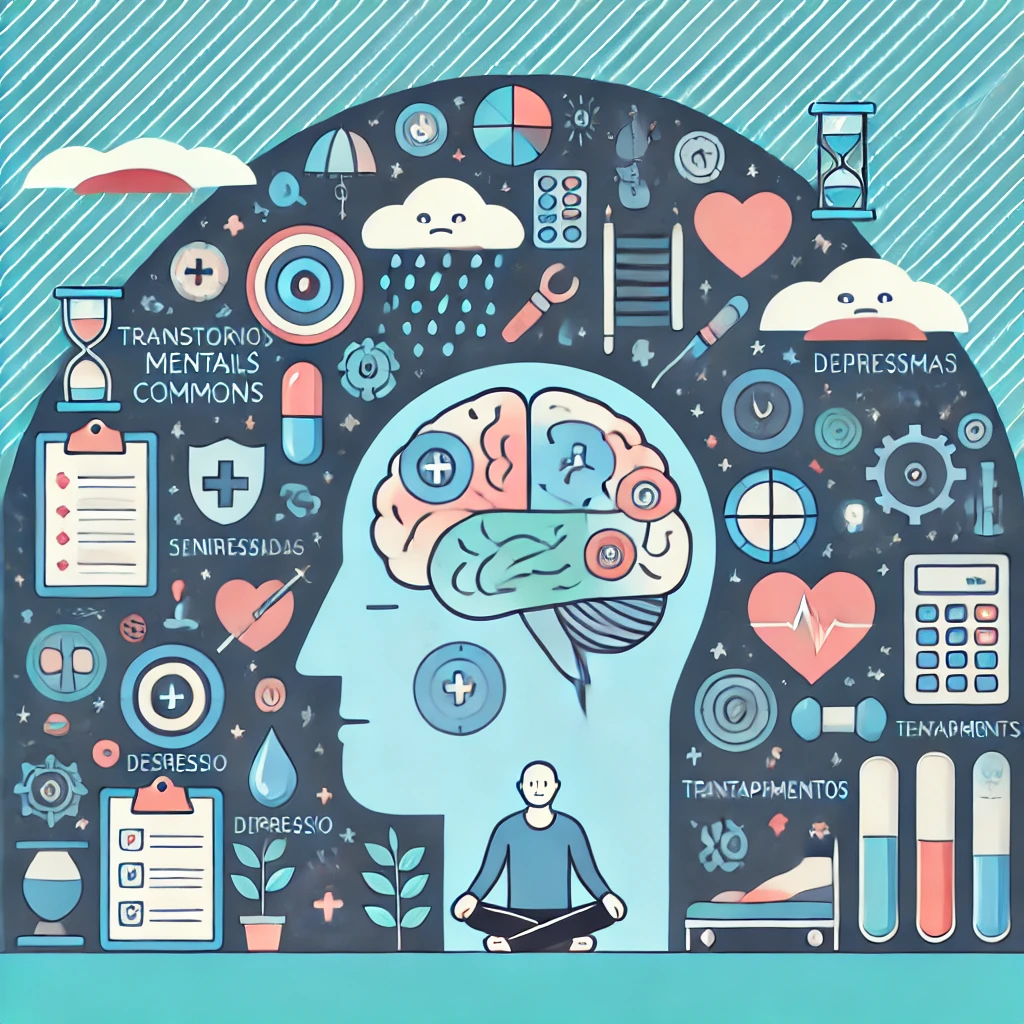
Mental disorders affect millions of people worldwide, influencing various aspects of life. Among the most common are depression, anxiety, and Attention Deficit Hyperactivity Disorder (ADHD). These disorders not only alter emotional well-being but also impact physical and social health, potentially hindering relationships, work or academic performance, and even daily activities. In many cases, these conditions remain undiagnosed or without adequate treatment, intensifying their negative impacts.
The World Health Organization (WHO) estimates that one in four people will be affected by mental disorders at some point in their lives. This data reflects the urgency of raising awareness and providing adequate support. Despite its prevalence, the stigma surrounding mental health still prevents many people from seeking help, creating a cycle of unnecessary suffering.
Signs of Mental Disorders:
- Mood and behavioral changes: Extreme mood swings, irritability, or social isolation can indicate an underlying problem. For example, a person who was previously outgoing and suddenly begins to avoid social interactions may be experiencing symptoms of depression.
- Difficulty concentrating: Many disorders, such as ADHD and depression, make it difficult to focus and perform daily tasks. This difficulty can manifest as frequent forgetfulness, an inability to follow a plan, or even a constant feeling of being "lost" in daily activities.
- Hallucinations or obsessive thoughts: Some conditions, such as schizophrenia or obsessive-compulsive disorder (OCD), can present severe symptoms, including fixed ideas or sensory experiences that do not correspond to reality. In the case of OCD, a person may feel an irresistible urge to perform specific rituals, such as repeatedly washing their hands to alleviate obsessive thoughts about contamination.
- Changes in sleep and appetite: Insomnia, hypersomnia, lack of appetite, or compulsive eating can be signs of problems such as depression or anxiety. For example, someone with severe anxiety may have difficulty falling asleep due to persistent thoughts and worries.
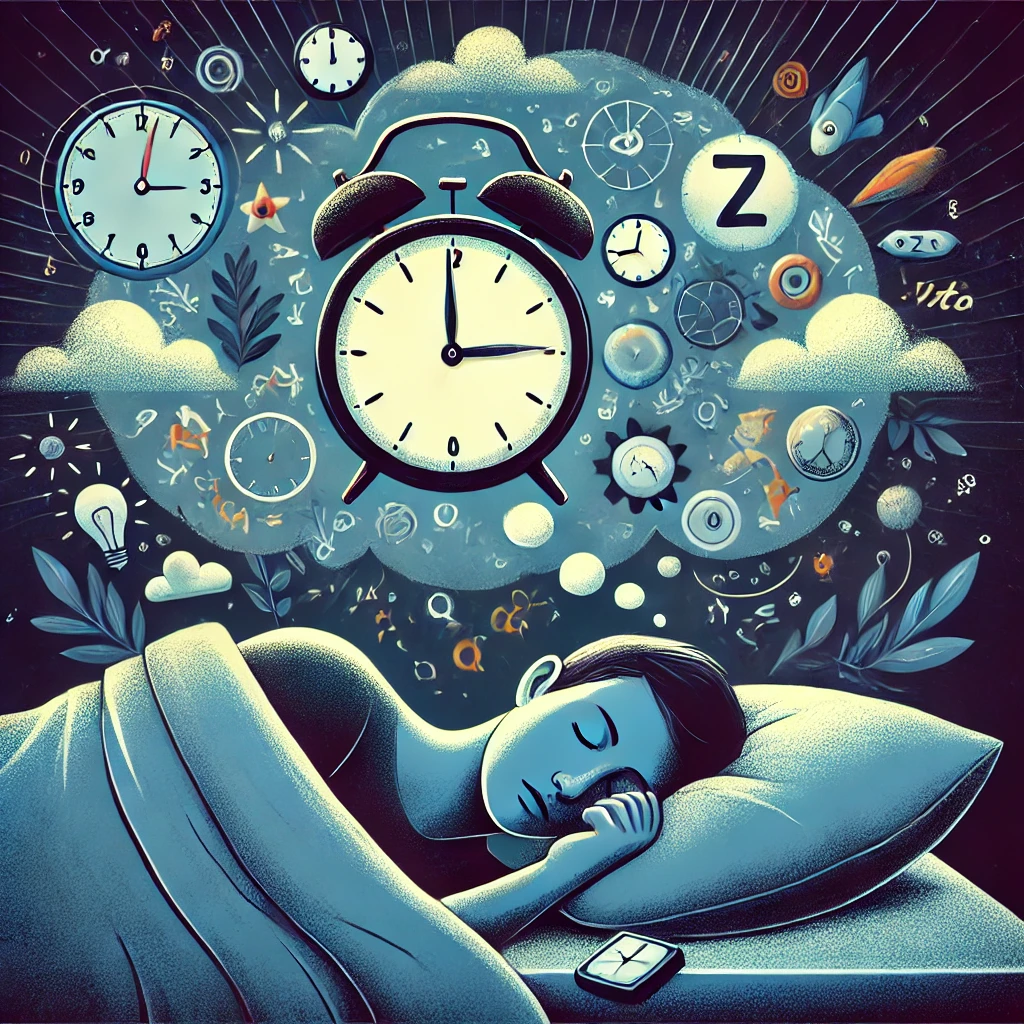
In addition to these signs, it's important to be aware of other behaviors, such as constant lack of energy, feelings of worthlessness or excessive guilt, and even thoughts of self-harm. Recognizing these symptoms is an essential step in seeking help.
Impact on Daily Life: Mental disorders can profoundly affect all areas of a person's life. In the workplace, for example, difficulty concentrating and fatigue can lead to decreased performance. In interpersonal relationships, mood swings or isolation can generate conflict or estrangement. Physical health can also be impacted, as many disorders are associated with conditions such as hypertension, diabetes, and cardiovascular disease.
Available Treatments: Despite the challenges, there are several effective treatments that can help manage symptoms and improve quality of life. Below are some common approaches:
- Psychotherapy: Cognitive behavioral therapy (CBT) is widely recognized for its effectiveness in treating disorders such as anxiety and depression. It helps individuals identify negative thought patterns and develop practical strategies for coping with them.
- Medication : In many cases, medications such as antidepressants or anxiolytics may be prescribed to help balance neurotransmitters in the brain. It is essential that this type of treatment be supervised by a qualified healthcare professional.
- Alternative therapies: Techniques such as meditation, yoga, and art therapy have gained prominence as complementary forms of treatment, helping to reduce stress and promote emotional well-being.
- Support groups: Sharing experiences with others facing similar challenges can provide relief and a sense of belonging. These groups offer a safe space to discuss feelings and learn from others' stories.
The Importance of Early Diagnosis: Identifying mental disorders in their early stages significantly increases the chances of successful treatment. This includes regular consultations with healthcare professionals, who can comprehensively assess symptoms and recommend the best therapeutic approaches. Furthermore, mental health education is crucial so that friends and family can recognize the signs and offer support to those in their lives who may be struggling with these conditions.
Building a Healthier Future: Promoting mental health requires collective efforts. Governments, organizations, and communities must work together to reduce stigma and increase access to treatment. Awareness campaigns, such as "Yellow September" in Brazil, have played an important role in educating about suicide prevention and normalizing dialogue about mental health. Every step taken in this direction creates an environment where people feel safer to seek help and share their stories.
With accurate diagnoses and appropriate interventions, it is possible to manage mental disorders and significantly improve quality of life. Remember: seeking help is not a sign of weakness, but rather of courage and a commitment to your own well-being.
Self-care: A Pillar for Emotional Health
Self-care is an essential practice for regulating emotions and strengthening resilience in the face of adversity. It involves small actions that, when performed regularly, have a significant impact on emotional health.

Practical Self-Care Tips:
Self-care is an essential practice for maintaining emotional balance and strengthening resilience in the face of daily challenges. Here are some tips that can transform your routine and promote well-being:
- Daily meditation practices: Setting aside a few minutes each day to meditate can make a big difference. Meditation calms the mind, increases focus, and reduces anxiety. Try simple techniques, such as focusing on your breathing, or use guided apps that help create a consistent habit.
- Regular physical activity: Body movement is as beneficial for the mind as it is for physical health. Walking, yoga, or even dancing to your favorite music helps release endorphins, improving mood and combating stress. Find an activity you love and make it part of your weekly routine.
- Journaling (reflective writing): Expressing thoughts and feelings in a journal helps process emotions and identify thought patterns that may be causing worry or sadness. Try starting with three daily questions: "What brought me joy today?", "What challenges did I face?", and "What can I improve tomorrow?".
- Meaningful social connections: Healthy relationships are essential for emotional support. Invest time in strengthening ties with friends and family. A quick call, a heartfelt message, or a relaxed coffee can create moments of connection that renew your energy.
- Time for hobbies: Dedicating time to enjoyable activities is a powerful way to recharge your energy. Whether it's painting, cooking, reading, or playing a musical instrument, finding time for hobbies brings joy and personal satisfaction.
- Take care of your physical health: In addition to physical activity, make sure you get enough sleep, maintain a balanced diet, and have regular check-ups. The body and mind are interconnected, and taking care of one directly reflects on the well-being of the other.
Investing in self-care is a powerful way to promote a more balanced and healthy life. Small daily steps can bring about big changes, helping you face challenges with more serenity and live more fully.
Reducing the Stigma surrounding Mental Health
The stigma surrounding mental health remains a significant barrier for those seeking help to cope with emotional issues. Often, prejudice and lack of information hinder access to treatment, perpetuating suffering and isolation. Overcoming this barrier requires a collective effort and changes in social perception. Below are key strategies to combat stigma and promote a more welcoming environment:
Community education: Informing people about mental disorders is essential to dispel common myths. Promoting talks in schools, companies, and communities on topics such as anxiety, depression, and other disorders can help broaden knowledge and reduce prejudice. Furthermore, educational campaigns on social media reach an even larger audience, helping to normalize these conditions.

Encouraging open dialogue: Creating safe spaces to share experiences and emotional challenges is a powerful step. For example, support groups, discussion circles, and online forums offer environments where people can feel heard without judgment. These spaces help break the silence surrounding the topic and show that no one is alone in their struggle.
Normalizing the search for therapy: Reinforcing that asking for help is a sign of strength, not weakness, is essential to changing the collective mindset. Showing stories of people who have benefited from therapy and openly discussing the benefits of psychological support helps to destigmatize this resource. Celebrities and public figures who share their mental health journeys also have a positive impact in this context.
Public awareness campaigns: Initiatives like "Yellow September" in Brazil have played a vital role in suicide prevention and stigma reduction. These campaigns use lectures, themed lighting of monuments, and social media posts to reach millions of people with important messages. Another example is the "Heads Together" program in the United Kingdom, led by the British royal family, which seeks to normalize conversations about mental health.
Actions in the workplace: Companies can implement mental wellness programs, offer psychological support to employees, and promote an organizational culture where it is safe to talk about emotional health. These measures not only reduce stigma but also improve employee performance and satisfaction.
By reducing stigma, we create an environment where more people feel comfortable seeking the support they need. This transforms not only the lives of individuals, but also strengthens entire communities, promoting greater understanding, empathy, and acceptance regarding mental health.
Conclusion
Mental health is the foundation of a balanced and happy life. Taking care of your emotions, seeking professional support when needed, and investing in self-care practices are fundamental steps towards a fuller life. Every small effort makes a difference and brings us closer to a healthier and more satisfying existence.
Take the first step today to take care of your emotional health! Therapist Fabio Morus offers free 20-minute sessions.
🌟 Have you considered seeking a therapist to support your well-being journey?
If this article sparked reflections about positive changes in your life, perhaps now is the ideal time to take the next step. Do you know hypnosis as a therapeutic tool? This approach can be surprisingly effective for various personal challenges.
Special offer: Book a free 20-minute consultation with therapist Fabio Morus and discover how therapy can transform your life.
✨ No commitment — Completely free — 20 minutes that can make a difference
👉 Click here to book your free consultation
Don't postpone your well-being any longer. The first step to change is just one click away.