


Chronic and acute pain greatly affects people. Is it possible to learn self-hypnosis to manage pain at home ? Yes! This practice can help reduce pain and improve quality of life.
Key Points
- Self-hypnosis can be learned and practiced at home to manage pain .
- Self-hypnosis techniques can reduce the perception of pain and improve quality of life.
- Self-hypnosis can be a complementary or alternative option to conventional pain treatments.
- Hypnosis can generate "analgesia" and "anesthesia," reducing pain and sensation.
- The regular practice of self-hypnosis can lead to significant improvements in health.
What is self-hypnosis?

Self-hypnosis is an altered state of consciousness. It can be induced by relaxation and concentration techniques . It is versatile and helps with relaxation and pain management, with few side effects.
To understand self-hypnosis, it is essential to know its definition and basic concepts . It allows the individual to enter a trance state. In this state, it is easier to receive positive suggestions and control pain and stress .
The history of self-hypnosis goes back a long way, with similar practices in various cultures. Today, it is an effective therapeutic tool for anxiety, chronic pain, and other disorders.
The benefits of self-hypnosis are numerous. They include pain reduction, improved sleep, increased self-esteem, and stress management. It also helps overcome fears, resist pain, and improve stress management.
With regular practice , self-hypnosis improves quality of life. It reduces dependence on medication and increases well-being. It can be used with other therapies, such as meditation and physiotherapy , for even greater benefits .
How does the brain perceive pain?
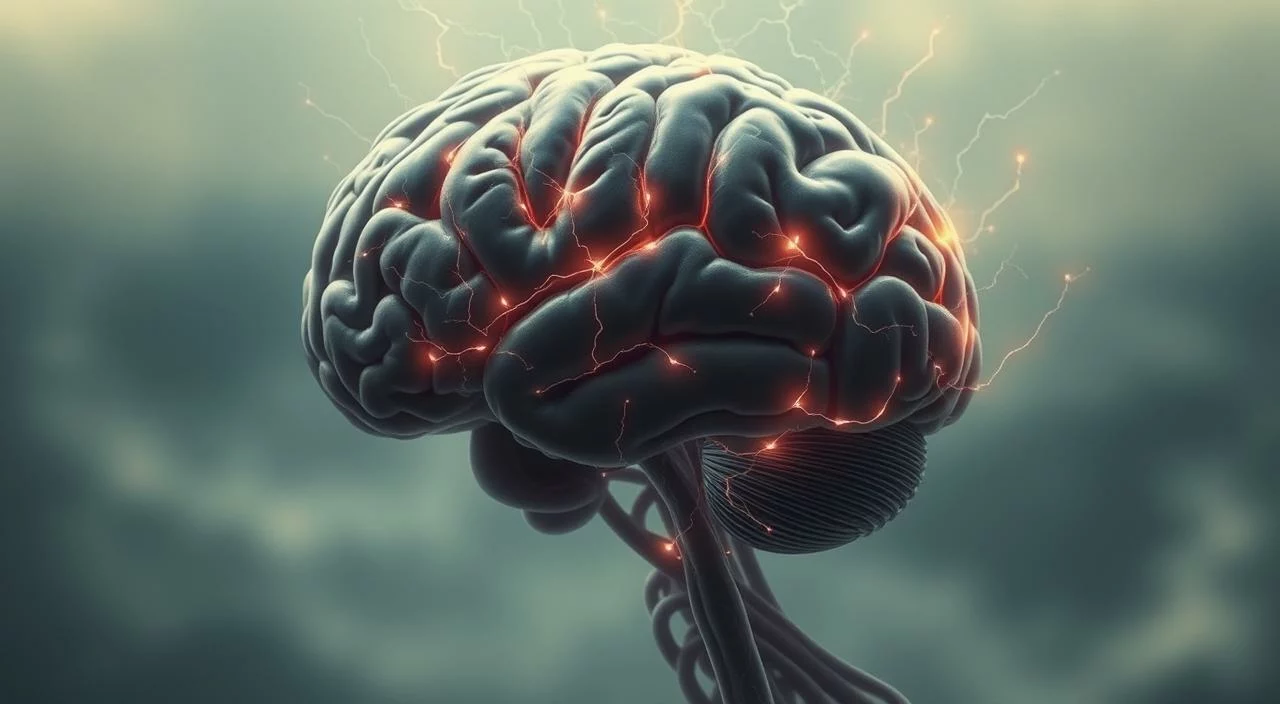
Pain is a unique experience for each person. It activates various areas of the brain . How we feel pain depends on our perception and mind .
There are two types of pain : acute and chronic. Each activates the brain in different ways.
Mechanisms of acute and chronic pain
Acute pain is a rapid response to a stimulus. Chronic pain, on the other hand, persists for a longer period. It can be caused by injuries, illnesses, or medical conditions.
The role of the mind in pain perception.
The mind greatly influences how we experience pain . Factors such as anxiety, stress, and depression can alter our perception of pain. Techniques like hypnosis and meditation can also help manage pain.
To cope with pain, we can use several strategies:
- Relaxation techniques , such as deep breathing and meditation.
- Regular physical exercise
- Alternative therapies , such as acupuncture and hypnosis.
Principles of self-hypnosis
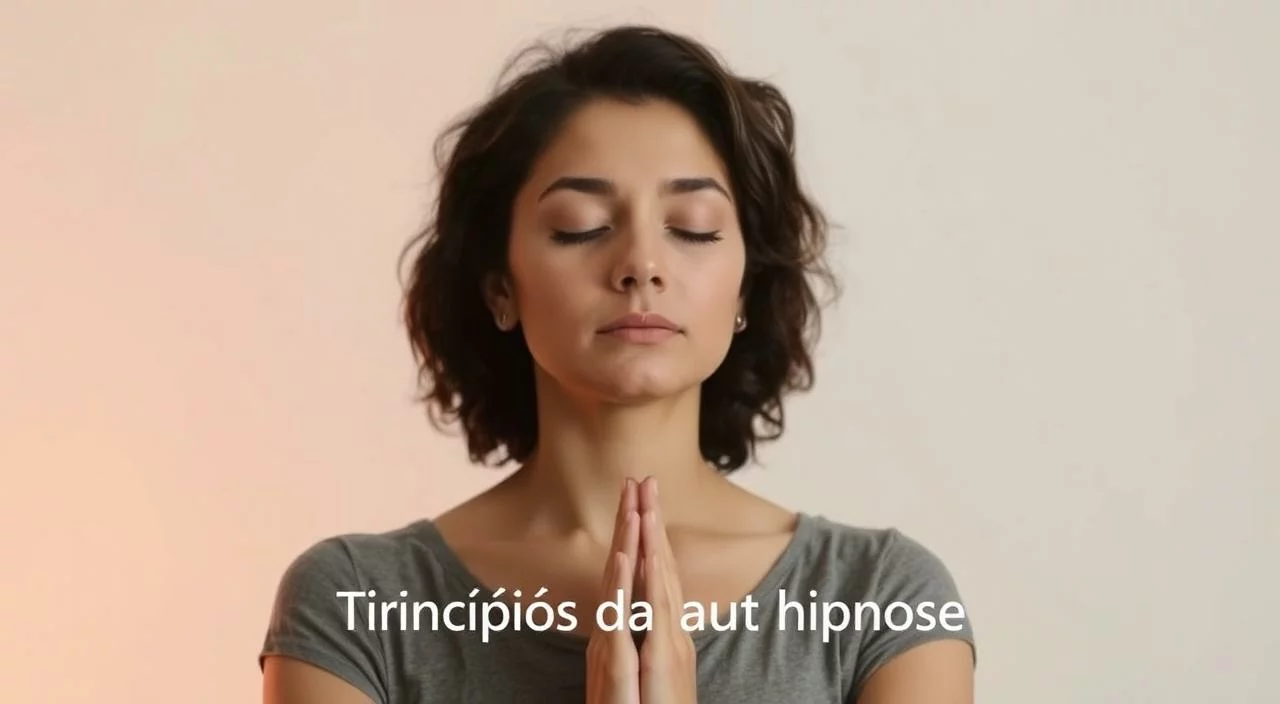
Self-hypnosis is a technique that changes the state of consciousness. It uses positive suggestions to help cope with pain. Understanding how it works helps to reap its benefits .
The brain can process information and follow cues . By entering self-hypnosis, a person can change their perception of pain. This happens by accessing the subconscious.
How self-hypnosis works
Self-hypnosis changes the state of consciousness. This allows the person to access the subconscious. There, they can receive positive suggestions and change their perception of pain.
Altered state of consciousness
Altering the state of consciousness is crucial in self-hypnosis. By entering this state, a person can change their perception of pain. This happens by accessing the subconscious.
Positive suggestions and focus
Positive suggestions and focus are essential in self-hypnosis. Positive suggestions help to change the perception of pain. This improves quality of life.
Self-hypnosis helps manage pain effectively. It improves quality of life. Furthermore, it's easy to learn in just a few hours.
Preparation for practice

To begin practicing self-hypnosis, it's essential to create a calm environment . This helps reduce distractions and increases relaxation . It's also important to choose a fixed time for practice . This way, you'll have time to dedicate to self-hypnosis.
To create the perfect environment , follow these tips :
- Choose a quiet place without distractions.
- Dim the lights and keep the temperature comfortable.
- Use a chair or cushion to support your spine.
By following these tips , you'll be ready to begin self-hypnosis. This way, you can experience the benefits of relaxation and pain reduction.
Self-hypnosis techniques

There are several self-hypnosis techniques for managing pain. Visualization involves mental images for relaxation . Deep breathing helps to reduce stress and anxiety.
Anchoring creates a stimulus for relaxation. It can be a word or gesture to calm down.
Regular practice is essential for success. Self-hypnosis improves life. With the right techniques , you can relax and reduce pain.
Creating a self-hypnosis script

A self-hypnosis script can be created for you. This allows you to personalize your practice . The structure of a good script has an introduction, a body, and a conclusion . In it, you include positive suggestions to help with the pain.
To create a script , start by thinking about your goals. Then, create a structure for it. Include an introduction to relax and focus. The main body should contain positive suggestions . And the conclusion helps to break free from self-hypnosis.
Some tips for a self-hypnosis script are:
- Define your specific goals and needs.
- Develop a clear and concise structure .
- Include positive and encouraging suggestions.
- Practice regularly to improve your self-hypnosis skills.
With a self-hypnosis script tailored to you, you can better manage pain. This improves your life. Self-hypnosis is a powerful tool for well-being.
Tips for different types of pain

There are several tips for dealing with different types of pain . This includes headaches and migraines , back pain , and stress pain .
For headaches and migraines , keeping a pain diary helps. This helps to identify the cause of the pain and to prevent it.
For back pain , stretching and strengthening exercises are helpful.
For stress-related pain , relaxation techniques are helpful. This includes deep breathing and meditation .
Each person is unique and may need specific advice for their pain. That's why it's essential to talk to a doctor. This way, you can create a treatment plan that works for you.
The importance of regular practice
Regular practice greatly helps in pain management. It also brings other benefits of self-hypnosis . With practice , we can relax more and focus better.
To see the benefits of self-hypnosis , it's good to practice every day. This keeps the mind and body aligned with our goals. It's also important to monitor our progress. This way, we can adjust our practice to achieve better results.
Studies show that regular self-hypnosis greatly improves our mental health. It also increases quality of life. Furthermore, regular practice reduces stress. This leads to a healthier and more balanced life.
Integration with other health practices
Self-hypnosis can be very useful when used in conjunction with meditation and physiotherapy . This integration enhances the effects of self-hypnosis. It helps to better manage pain and improve well-being.
Some health practices that combine well with self-hypnosis are:
- Meditation : to reduce stress and anxiety.
- Physical therapy : to treat chronic pain and improve mobility.
This integration is great for those who want a natural treatment. Self-hypnosis can be used with meditation and physiotherapy . This creates a treatment plan that works well for each person.
Conclusion and next steps
Self-hypnosis is very useful for dealing with pain and improving life. It uses techniques such as visualization and deep breathing . This helps to access the subconscious mind and alleviate pain.
If you're experiencing pain, it's time to try self-hypnosis . There are many additional resources to learn more, such as workshops, apps, and guided videos. With practice, you'll learn to manage your pain better.
Don't be afraid to talk about your pain and ask for help. With the help of professionals, you can use self-hypnosis alongside other therapies. With effort and determination, you will find the relief you desire.
It's possible to learn self-hypnosis to manage pain at home , and this technique can transform your relationship with pain. With dedication and regular practice, you can reduce physical discomfort and improve your overall well-being. If you wish to deepen your knowledge and learn effective techniques, schedule your free 20-minute session for personalized guidance.
Source Links
- Hypnosis for Pain Management - Online Consultations & Clinic. - http://miltonalencaronline.com.br/hipnose-no-controle-da-dor/
- Hypnosis in cancer patients: a psychosomatic study in patients with prostate cancer - https://www.scielo.br/j/pusf/a/jcg3GjSdKThsz3W7KZbKCcv/
- Hypnosis as an Ally in Pain Relief – ISSN 1678-0817 Qualis B2 - https://revistaft.com.br/explorando-as-profundezas-da-mente-hipnose-como-aliada-no-alivio-da-dor/
- Self-hypnosis for pain management - https://www.hipnose.com.br/blog/hipnose/auto-hipnose-para-dor/
- How Self-Hypnosis Can Help You Control Stress - https://www.psymeetsocial.com/blog/artigos/auto-hipnose-e-estresse
- Hypnosis: What it is, how it works, and what the technique is used for - https://www.personare.com.br/conteudo/hipnose-o-que-e-m124984
- Types of Therapy: The 7 Most Used Methods by Psychologists Today - https://www.hipnose.com.br/blog/saude-mental/terapia/tipos-de-terapia-mais-usados-por-psicologos/
- Alternative treatments for cancer pain | Oncoguia Institute - https://www.oncoguia.org.br/conteudo/tratamentos-alternativos/7677/902/
- Self-Control – Gustavo Almeida - https://gustavoalmeida.com.br/auto-controle/
- 5 Hypnosis Techniques for Pain Relief - https://www.aprenderpnl.com.br/tecnicas-de-hipnose/
- Self-Hypnosis Course - https://www.sympla.com.br/evento/curso-auto-hipnose/70865
- How to relieve a stiff neck: 5 effective and quick methods - https://www.hipnose.com.br/blog/saude-fisica/como-aliviar-o-torcicolo/
- Hypnosis for Chronic Pain: Relief Without Medication! - https://lp.adolfoderner.com/blog/hipnose-para-dor-cronica-alivio-sem-medicamentos/
- Hello! Is the treatment in hypnotherapy the same as in self-hypnosis? - https://www.doctoralia.com.br/perguntas-respostas/ola-o-tratamento-na-hipnoterapia-ea-mesma-na-auto-hipnose
- PDF - https://www.scielo.br/j/brjp/a/JJqKGjcrP6r7YJRsq8P3Mdc/?format=pdf&lang=pt
- Hypnosis helps treat problems such as depression, anxiety, and stress - https://noticias.uol.com.br/saude/ultimas-noticias/redacao/2012/12/08/terapia-da-hipnose-ajuda-a-tratar-problemas-como-depressao-ansiedade-e-ate-estresse.htm
- Hypnosis: How it can help your life - https://super.abril.com.br/saude/hipnose-como-ela-pode-ajudar-na-sua-vida
- Hypnosis: Technique helps with anxiety, eating, and sleeping better - https://www.terra.com.br/vida-e-estilo/autocuidado/hipnose-tecnica-serve-para-ansiedade-comer-e-dormir-melhor,19cb52f3fd8e15745ff2a52c15f9d38fq0qm231f.html
- Natural methods to relieve labor pain - https://brasil.babycenter.com/a25008169/métodos-naturais-para-aliviar-a-dor-do-parto
- How can I calm myself down when I have anxiety attacks? - https://www.doctoralia.com.br/perguntas-respostas/como-faco-para-me-acalmar-quando-tenho-crises-de-ansiedade
- Psychosomatic: Symptoms, Causes, and How to Treat Effectively - https://www.hipnose.com.br/blog/saude-fisica/tratamentos/psicossomatico/
- Quality of Life: Proven Strategies to Improve Yours Today - https://www.hipnose.com.br/blog/hipnose/qualidade-de-vida/
- Efficacy of hypnosis in the management of non-procedural pain: systematic review - https://www.scielo.br/j/brjp/a/JJqKGjcrP6r7YJRsq8P3Mdc/?lang=pt
- Hypnosis in Pharmacy: Applications and Limitations - https://www.hipnose.com.br/blog/hipnose/hipnose-em-farmacia-aplicacoes-e-limitacoes/
- Hypnosis for Stress - Teaching Our Mind to Relax - https://consultoriodehipnose.com.br/hipnose-para-estresse-ensinando-nossa-mente-a-relaxar/
- ProGen Generative Pain Management – Andréia Kisner Method - https://andreiakisner.com.br/atendimento-generativo-para-dor/
🌟 Have you considered seeking a therapist to support your well-being journey?
If this article sparked reflections about positive changes in your life, perhaps now is the ideal time to take the next step. Do you know hypnosis as a therapeutic tool? This approach can be surprisingly effective for various personal challenges.
Special offer: Book a free 20-minute consultation with therapist Fabio Morus and discover how therapy can transform your life.
✨ No commitment — Completely free — 20 minutes that can make a difference
👉 Click here to book your free consultation
Don't postpone your well-being any longer. The first step to change is just one click away.