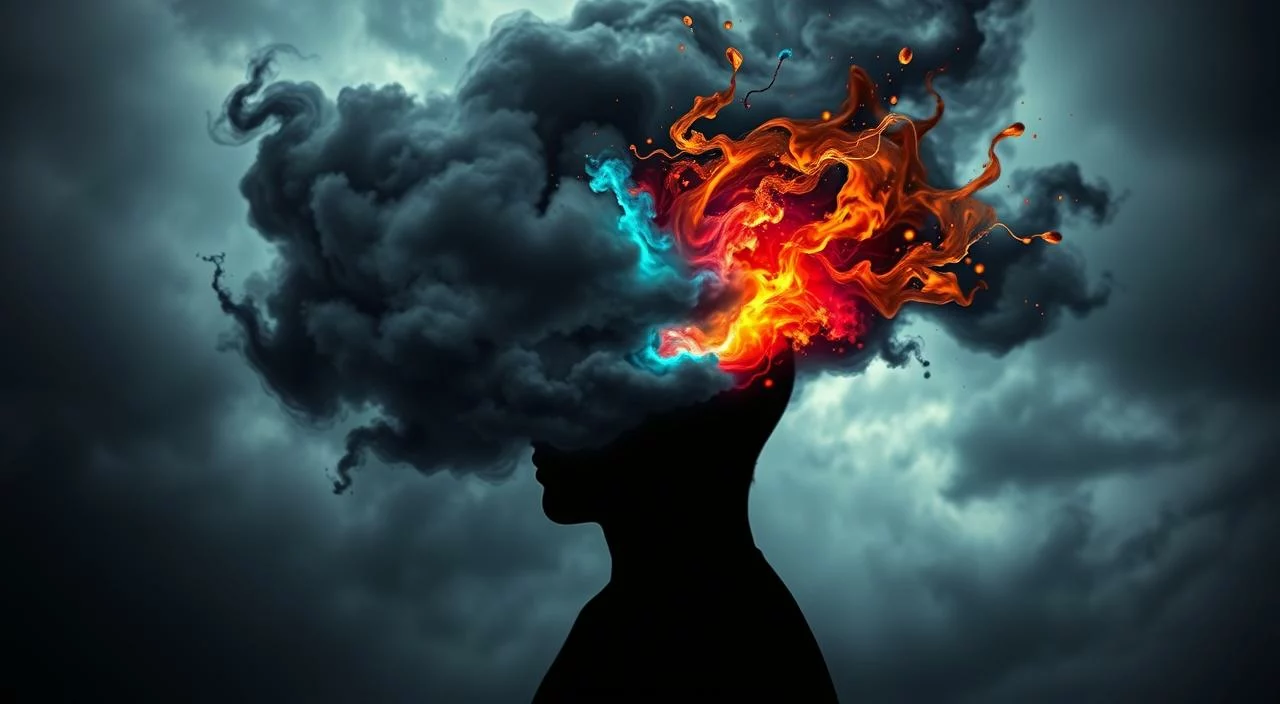

Have you ever felt paralyzed by intense worry that you can't control? Anxiety disorder affects millions of Brazilians. It transforms simple moments into very difficult emotional challenges.
The psychological causes of anxiety stem from deep and complex experiences. They directly affect quality of life. Anxiety is not just a temporary mental state. It is a problem that requires understanding and specialized care.
In this article, we will unravel the mysteries of anxiety. We will offer valuable insights into its origins, symptoms, and effective treatments. Are you ready to better understand this condition that silently impacts so many lives?
What is anxiety and how does it manifest itself?

Anxiety is a complex emotional disorder . It goes beyond normal day-to-day worries. It is characterized by a state of great apprehension, fear, and discomfort.
Understanding the symptoms of anxiety is essential. This helps to know when the feeling goes beyond normal limits.
Definition of anxiety
Anxiety is an emotional response. It brings feelings of tension and worry. It also causes physical changes, such as an accelerated heartbeat.
Unlike momentary fear, anxiety persists even without real threats.
Common symptoms of anxiety
- Constant restlessness and nervousness
- Difficulty concentrating
- Tremors and sweating
- Changes in sleep
- Frequent fatigue
Types of anxiety disorders
| Type of Disorder | Main Features |
|---|---|
| Generalized Anxiety Disorder | Excessive worry about various aspects of life. |
| Panic Disorder | Sudden attacks of intense fear |
| Social Phobia | Extreme fear of social interactions |
According to the Diagnostic and Statistical Manual of Mental Disorders (DSM-5), anxiety symptoms generally last at least six months. They can last much longer.
Causes of anxiety: psychological and biological factors

Anxiety comes from various sources. Understanding these causes helps us cope better with stress. This improves our mental health .
Genetic influence on anxiety
Studies show that genetics plays a role in anxiety. Some people are born more prone to anxiety due to inherited neurobiological characteristics.
- Family history of anxiety disorders
- Specific genetic variations
- Inherited characteristics of the nervous system
Impact of the environment and life experiences
The environment and our personal experiences affect anxiety. Trauma, stress, and how we were raised are very important. They shape how we respond to stress.
| Environmental Factors | Impact on Anxiety |
|---|---|
| Family environment | High potential for transmitting emotional patterns. |
| Traumatic experiences | Triggers for the development of chronic stress |
| Socioeconomic conditions | Influence on levels of psychological stress |
Neurochemical and hormonal factors
Changes in neurotransmitters and hormones cause anxiety. The brain regulates our emotions and stress in complex ways.
- Serotonin imbalance
- Changes in cortisol
- Dysfunction in neural circuits
Understanding these dimensions helps in creating effective strategies. This improves our mental health and reduces chronic stress .
Anxiety and its impact on daily life.
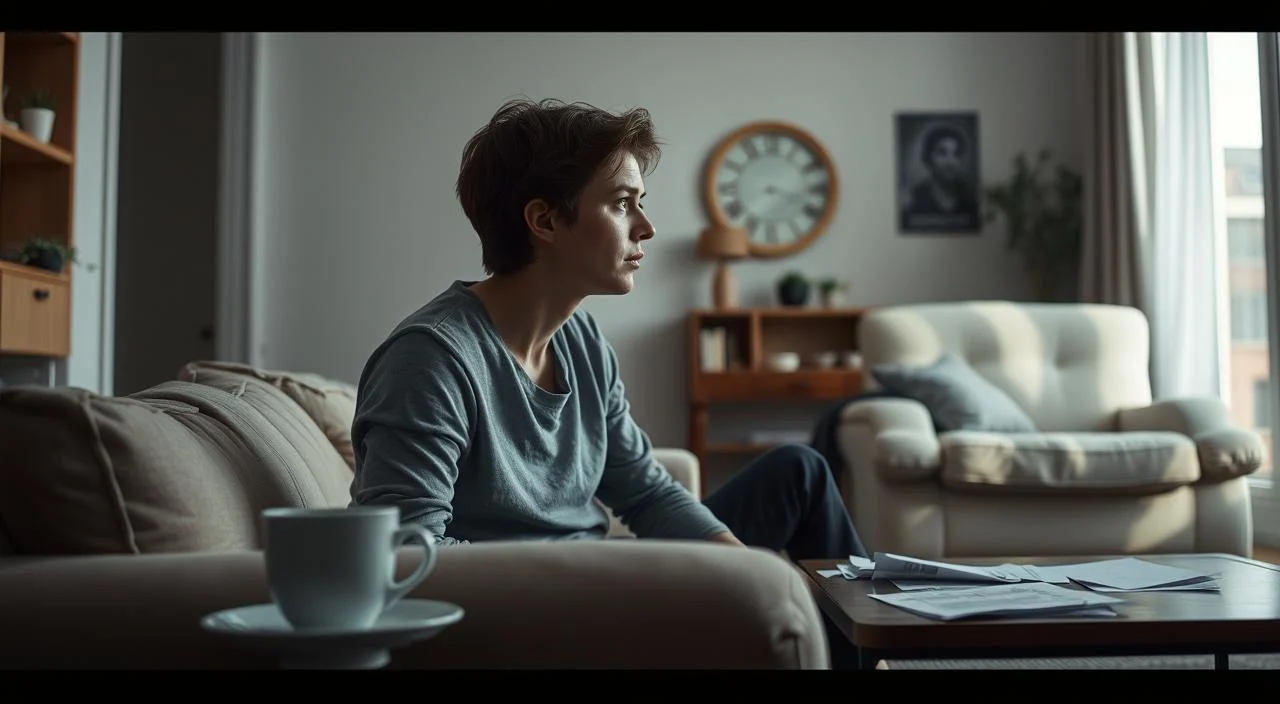
Is anxiety a psychological problem? Anxiety can significantly change someone's life. It affects social, professional, and personal life. Learning to control emotions is crucial to coping with anxiety.
Social effects of anxiety
People with anxiety have difficulty relating to others. Symptoms may include:
- Progressive social isolation
- Avoiding events and gatherings
- Low self-esteem
- Difficulty in establishing close relationships.
Consequences for physical health
Anxiety affects not only the mind, but also the body. The physical effects include:
- Sleep disorders
- Chronic muscle pain
- Gastrointestinal problems
- Changes in the immune system
Anxiety in the workplace
At work, anxiety can be very detrimental. Symptoms include:
- Decreased productivity
- Difficulty concentrating
- Increased stress levels
- Possible development of burnout.
It is very important to learn how to control emotions. This helps to reduce the negative effects of anxiety. In this way, it is possible to improve personal and professional well-being.
Anxiety and other mental disorders

Mental health is a complex world. Several psychological disorders overlap. Anxiety disorder is not alone. It is linked to other mental disorders, creating a significant emotional challenge.
Anxiety and depression: a delicate relationship.
The relationship between anxiety and depression is very strong. Many people experience symptoms of both at the same time. This is called comorbidity.
The main points of this interconnection are:
- Sharing similar emotional symptoms
- Mutual impact on psychosocial functioning
- Possibility of sequential development of a disorder.
Obsessive-compulsive disorder and anxiety
Obsessive-Compulsive Disorder (OCD) is closely linked to anxiety. Repetitive thoughts and ritualized behaviors are attempts to control anxiety.
Eating disorders and anxiety
Anxiety greatly affects eating patterns. Disorders such as anorexia and bulimia have roots in control mechanisms related to mental health . People use eating behaviors to manage anxiety.
Understanding these interconnections is crucial for treating anxiety. It shows the importance of treating mental health holistically.
Diagnosis of anxiety: how is it done?

To begin effective treatment, it's crucial to know if someone has anxiety. Mental health professionals use careful methods to understand each case.
Psychotherapy begins with a thorough assessment. It involves several steps to investigate the patient's symptoms and life context.
In-depth psychological assessment
In a psychological assessment, the professional conducts a detailed interview. They seek to understand:
- Family and personal history
- Behavioral patterns
- Traumatic or stressful events
- Emotional impact on everyday life
Specialized clinical trials
Clinical tests are very important in the diagnosis of anxiety. They help to measure and better understand the patient's symptoms.
- Standardized rating scales
- Specific psychological questionnaires
- Screening tests for anxiety disorders
Importance of professional consultation
Consulting specialists is essential for an accurate diagnosis. Each person is unique and needs personalized treatment.
Anxiety treatment: available options
Many people seek treatment for anxiety. There are several ways to manage the symptoms and improve life.
It's possible to combine different treatments to achieve the best results. Each person is unique, so it's essential to find the right treatment for them.
Cognitive Behavioral Therapy (CBT)
Cognitive-behavioral therapy is very effective against anxiety. It helps patients to:
- View negative thought patterns
- Finding ways to deal with problems
- Changing behaviors that increase anxiety
Medications for Treating Anxiety
| Type of Medication | Main Function | Possible Effects |
|---|---|---|
| Antidepressants | Regulate neurotransmitters | Reduces symptoms of anxiety. |
| Anxiolytics | Calming the nervous system | Quick relief from tension. |
| Benzodiazepines | Controlling acute symptoms | Risk of addiction |
Alternative and Complementary Therapies
Clinical hypnosis is an interesting technique for treating anxiety. Other options include:
- Meditation
- Breathing techniques
- Yoga
- Acupuncture
Anxiety treatment should be done under the guidance of mental health professionals. Combining cognitive behavioral therapy , medication, and complementary therapies can yield the best results for each individual.
The role of diet in managing anxiety.
Nutrition is very important for emotional control and mental health. What we eat affects our anxiety levels. This influences our psychological well-being.
Understanding the relationship between diet and mental health is crucial. This helps in creating strategies to manage anxiety.
Foods that help reduce anxiety
Some nutrients help with emotional control . Here are some examples:
- Fish rich in omega-3
- Nuts and seeds
- Dark chocolate
- Probiotic foods
- Dark fruits and vegetables
Unhealthy eating habits
Some eating behaviors can worsen anxiety:
- Excessive caffeine consumption
- High sugar consumption
- Alcohol
- Processed foods
- Irregular meals
The importance of hydration.
Drinking water is essential for emotional balance. A lack of water can alter mood and increase stress.
| Nutrient | Benefits for Mental Health | Food Sources |
|---|---|---|
| Magnesium | Reduces anxiety | Almonds, spinach, beans |
| Omega-3 | Improves mood | Salmon, sardines, flaxseed |
| Tryptophan | Regulates serotonin. | Turkey, banana, oats |
Eating a balanced diet greatly helps with emotional control . This can be a great help alongside traditional treatments for anxiety.
Self-care practices to combat anxiety
Self-care is very helpful in combating anxiety. Creating practical strategies can reduce stress, making you feel calmer and more balanced.
Deep Relaxation Techniques
Relaxation techniques are essential for calming the mind. Hypnotherapy for anxiety is an effective therapy. It helps to reduce stress.
- Guided meditation
- Diaphragmatic breathing
- Relaxing visualization
- Mindfulness
Importance of Physical Activity
Regular exercise releases endorphins. This helps to reduce anxiety. Activities such as walking, yoga, and swimming are very beneficial .
Establishing a Healthy Routine
Having a routine helps you feel more in control. Include rest, a balanced diet, and good sleep. This improves your emotional well-being.
- Regular sleep schedules
- Nutritious food
- Leisure time
- Practice of relaxation techniques
How to deal with anxiety attacks
Anxiety attacks can come without warning. They cause discomfort and fear. Knowing how to cope with these crises is essential for anyone who has anxiety.
Identifying Triggers and Warning Signs
Knowing the early signs of a crisis helps prevent it from worsening. Common signs include:
- Sudden heart rate increase
- Gasping for breath
- Tremors or sweating
- Feeling of despair or panic
Immediate Coping Strategies
To deal with an anxiety attack, there are some helpful techniques:
- Deep breathing : Inhale for 4 seconds, hold for 4, exhale for 4.
- Mindfulness practice
- Sensory anchoring
- Muscle relaxation exercises
When to Seek Professional Help
If you are experiencing frequent crises, it's time to seek professional help:
| Situation | Recommendation |
|---|---|
| Frequent crises | Consult a psychologist |
| Impact on routine | Psychiatric evaluation |
| Intense symptoms | Therapeutic accompaniment |
Seeking help is not a sign of weakness. It is an act of self-care and strength to face anxiety.
Childhood anxiety: identification and treatment
Childhood anxiety is a major challenge for parents and healthcare professionals. There has been a significant increase in cases of emotional disorders in children. Before the pandemic, it was 11.6%, and now it is 19%.
It is very important to know the signs of anxiety in children. Each child reacts in a unique way. Therefore, a careful and personalized approach is essential.
Symptoms of Anxiety in Children
Symptoms of anxiety in children can vary widely. For example:
- Excessive fear of social situations
- Difficulty sleeping
- Physical complaints such as stomach pain
- Frequent irritability
- Concentration problems
Specialized Therapeutic Approaches
Integrative psychotherapy is very effective for children with emotional disorders. It uses various techniques to help each child in a unique way.
The Role of Parents and Caregivers
Parents play a very important role in treating childhood anxiety. Some important strategies include:
- Create a welcoming and safe environment.
- Listen attentively without judging.
- Establish consistent routines
- Seek professional help when needed.
Early intervention and appropriate support can make a significant difference in a child's emotional development.
The importance of a support network in the treatment of anxiety.
Anxiety cannot be treated alone. Mental health requires emotional support from friends, family, and professionals.
A support network is crucial for those struggling with anxiety. It helps keep the person safe and supported.
How can friends and family help?
Friends and family can help in many ways:
- Listen without judging
- To demonstrate understanding and empathy.
- Encourage the search for professional treatment.
- Actively participate in the recovery process.
Support groups and communities
Support groups are safe places to talk about mental health. They help people with anxiety to:
- Exchanging ideas on how to deal with anxiety.
- Feeling less lonely
- Learning new ways to manage anxiety
- Building a support network
Involvement of mental health professionals
Psychologists, psychiatrists, and therapists are essential. They help not only the individual but also their family to cope with anxiety .
The union between family, community, and professionals creates a supportive environment. It's a welcoming place for those seeking help with anxiety.
Preventing anxiety: tips for a balanced lifestyle
To prevent anxiety, it's important to know yourself well. Mental reprogramming helps change negative thoughts. This allows you to see challenges differently.
Integrative psychotherapy is very helpful in this regard. It provides techniques for dealing with stress. With a professional, you learn to breathe better, meditate, and organize your mind.
Creating a positive environment is crucial. This includes setting boundaries, taking care of yourself, and having supportive friends. Organize your space so that it is peaceful and stress-free.
Don't replace professional help with any other strategy. Talking to a psychologist or psychiatrist is the first step. They can help create a plan to deal with anxiety.
🌟 Have you considered seeking a therapist to support your well-being journey?
If this article sparked reflections about positive changes in your life, perhaps now is the ideal time to take the next step. Do you know hypnosis as a therapeutic tool? This approach can be surprisingly effective for various personal challenges.
Special offer: Book a free 20-minute consultation with therapist Fabio Morus and discover how therapy can transform your life.
✨ No commitment — Completely free — 20 minutes that can make a difference
👉 Click here to book your free consultation
Don't postpone your well-being any longer. The first step to change is just one click away.