
Have you ever considered whether integrative and complementary therapies can improve your holistic well-being ? They are not just fads. They are traditional ways of caring for health in a complete way. This includes the body, mind, and social relationships. The more we learn about them, the more we see that they are becoming popular in Brazil. More than nine thousand health centers offer consultations in complementary therapies . The SUS (Brazilian Public Health System) even offers 29 integrative and complementary treatments free of charge . It is important to understand how these practices can be used alongside medical treatment. This helps in healing and prevention. Thus, we can better understand what integrative health is.
Introduction to Integrative and Complementary Therapies
Integrative and complementary therapies are gaining prominence. They seek a holistic approach to health. These practices are increasingly popular in public and private settings. Recently, the demand for integrative therapists has grown by 20%. This shows how much people are accepting these approaches . It is important to seek treatments that view the individual as a whole. Integrative therapies complement traditional treatments. They not only help cure diseases but also improve overall well-being. Professionals in these areas can work in various places. They can work in private practices, clinics, and even become entrepreneurs. This allows them to offer services that promote holistic health. Integrative therapy courses include subjects such as Acupuncture , Homeopathy , and Phytotherapy. They provide students with a solid foundation. This training combines knowledge of biology, anatomy, and physiology with holistic practices.What are Integrative and Complementary Therapies?
Integrative and complementary therapies use natural resources and various techniques to improve health and well-being. They are very important nowadays because they help create a healthcare system that sees the patient as a whole, not just their illnesses.Definition and Context
These therapies include methods such as acupuncture , homeopathy , and bodywork practices. They seek to restore physical and emotional balance. The National Policy on Integrative and Complementary Practices , created in 2006, has greatly helped these practices in Brazil. Today, the SUS (Brazilian Public Health System) offers 29 integrative and complementary practices . This is progress since 2006. More than 9,300 health establishments in the country offer these practices, representing about 19% of Basic Health Units (UBS) 6 .The Importance of Integrative Health
Integrative health brings a more human approach, improving the relationship between professionals and patients. Complementary therapies are effective in managing chronic diseases and promoting holistic well-being . Today, 54% of Brazilian municipalities offer these practices, demonstrating a high demand. These practices can be found in various places, such as clinics, hospitals, and beauty centers. This shows the importance and versatility of these therapies in our healthcare system.
Common Practices and Techniques in Integrative Therapies
Integrative therapies encompass various practices that improve well-being. Let’s talk about acupuncture , homeopathy , yoga , and meditation . These techniques are widely used.Acupuncture
Acupuncture is an ancient technique that uses needles to stimulate points on the body. This helps improve health and reduce pain. Studies show that it helps with chronic pain and promotes relaxation. Today, more people are using acupuncture. This shows the growing interest in alternative treatments that complement traditional medicine.Homeopathy
Homeopathy uses the principle that “like cures like.” This means using substances that would cause symptoms in healthy people to treat the same symptoms in those who are ill. It helps to strengthen the immune system. Homeopathy views the patient as a whole, considering their individual characteristics. This makes it a holistic approach.Yoga and Meditation
Yoga and meditation are very popular for improving mental and emotional well-being. Yoga combines physical exercise, breathing, and meditation . This helps reduce stress and improve concentration. Meditation brings calm and helps you get to know yourself better. Together, yoga and meditation improve physical and mental health. They are essential in integrative therapies. https://www.youtube.com/watch?v=45KwrMfijx8| Technique | Benefits | Objectives |
|---|---|---|
| Acupuncture | Pain reduction, relaxation | Restoring the body’s balance |
| Homeopathy | Strengthening the immune system | Treat symptoms on an individual basis. |
| Yoga and Meditation | Improved mental health, reduced stress. | Promoting balance and self-awareness |
Integrative and Complementary Therapies in the Brazilian Unified Health System (SUS)
Integrative and complementary practices are very important for public health in Brazil. This is due to the National Policy on Integrative and Complementary Practices (PNPIC), which began in 2006. Now, there are eighteen practices available, since 2017, to improve the health of all 11 .The National Policy on Integrative and Complementary Practices
The PNPIC seeks to include practices such as Acupuncture and Homeopathy in the SUS . This shows the desire to offer health options that are effective and of high quality 12 .Available Services and Access for the Population
With the SUS (Brazilian Public Health System), more people have access to integrative practices. Now, there are 29 types of integrative practices available. This helps improve health holistically and highlights the importance of these practices .<sup>12</sup>
How Complementary Therapies Help in Holistic Well-being
Complementary therapies are essential for holistic well-being . They address various areas of health, such as emotional well-being and the management of chronic diseases . Since 2006, the Brazilian Unified Health System (SUS) has recognized practices such as Acupuncture, Yoga, and Homeopathy. This allows for more comprehensive treatment, caring for both physical and mental health.Emotional and Mental Balance
Complementary therapies greatly improve emotional balance . During the pandemic, many people sought online meditation and reiki 13. A study showed that the recognition of 29 integrative therapies by the SUS adequately serves those seeking personalized care 14 .Chronic Disease Control
Integrating complementary therapies into the treatment of chronic diseases greatly improves patients’ lives. They help reduce symptoms of diabetes and hypertension, improving the control of chronic diseases.14 These practices care not only for the body, but also for the mind and emotions.Symptom and Stress Relief
Complementary therapies help reduce stress and anxiety. Practices such as music therapy and aromatherapy relieve pain and bring emotional comfort. Research shows that these therapies are effective in improving emotional and physical well-being. [https://www.youtube.com/watch?v=JVW3fevMlpI](https://www.youtube.com/watch?v=JVW3fevMlpI )| Complementary Therapies | Benefits | Examples of Practices |
|---|---|---|
| Emotional Balance | Increased self-esteem, emotional tranquility | Meditation, Reiki |
| Chronic Disease Control | Improved physical fitness, symptom control. | Acupuncture, Homeopathy |
| Stress Relief | Reduction of physical pain, relief from anxiety. | Aromatherapy, Music Therapy |
Training and Career in Integrative and Complementary Therapies
Training in integrative and complementary therapies is gaining prominence. It focuses on practices that improve human health. This includes homeopathy, herbal medicine, and cosmetology.Course Curriculum
The Integrative and Complementary Therapies course covers many topics. This includes Regulatory Aspects, Management, and Pharmacology. Classes are offered remotely, allowing for rapid training. Furthermore, students learn how to interact with people and manage emotions, which is very important in healthcare.What to Study and How to Prepare
To succeed in integrative health , it’s important to be familiar with various therapies. The job market is growing and needs more specialists. Students can begin their training with affordable prices and discounts.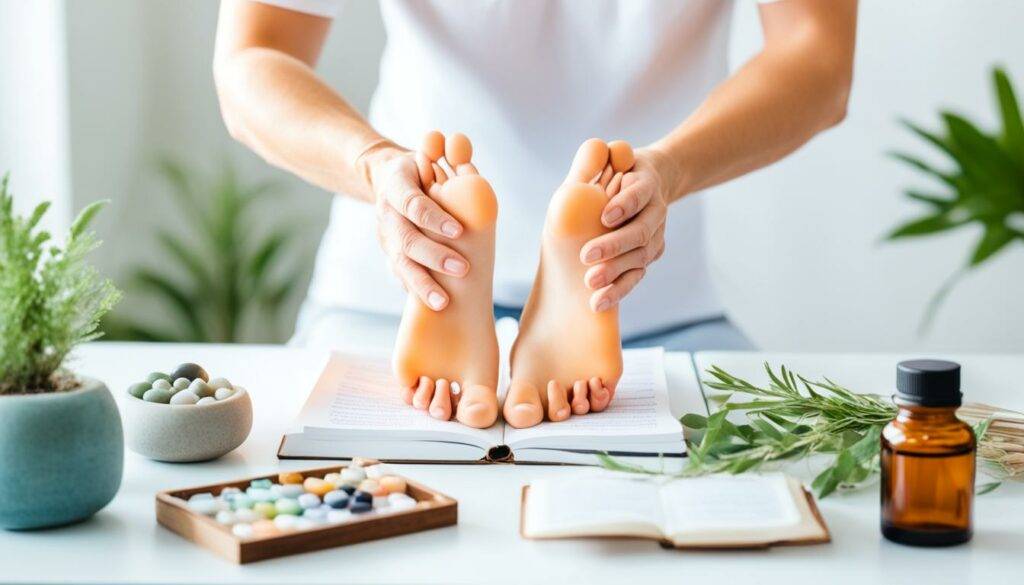
Myths and Truths about Integrative Therapies
When we talk about integrative therapies, we often confuse them with alternative therapies. It’s crucial to understand that integrative therapies aim to complement traditional treatments, not replace them. This helps to demystify these practices, demonstrating their credibility and effectiveness.Confusion with Alternative Therapies
Energy therapies, linked to esotericism , are seen as effective in improving life. They align the chakras, bringing benefits to the body, mind, and emotions. People who use them report improvements in quality of life and personal changes over time . Furthermore, the myth that they are merely quackery is false. The Brazilian Unified Health System (SUS) recognizes and recommends these therapies as complementary .Esotericism and Mysticism
Some people still have prejudices about energy therapies , believing them to be linked to esoteric or religious beliefs. In fact, they are open to everyone, regardless of personal beliefs.18 Effectiveness may take several sessions, showing the importance of a gradual process to see results.18 https://www.youtube.com/watch?v=k_ICEJUm4t0Benefits of Integrative and Complementary Therapies
Integrative and complementary therapies offer many benefits . They help improve the promotion of patient autonomy . This makes self-care more important, focusing on empowering the individual to care for themselves.Promoting Autonomy and Self-Care
A major advantage of these therapies is the promotion of autonomy . This means that patients can better manage their health. They make informed choices about their therapies and healthcare. This increases self-confidence and knowledge about different approaches. This makes patients more active in their health journeys. They have better control over their conditions and are more satisfied with their care. The World Health Organization (WHO) views this as positive, especially with Traditional and Complementary Medicine (TCM), which includes practices such as acupuncture and aromatherapy. <sup>19</sup>Integration with Conventional Treatments
The integration of complementary therapies with conventional treatments is a major advancement in healthcare . For example, acupuncture can help alleviate side effects of cancer treatments. This improves the quality of life of patients. The National Policy on Integrative and Complementary Practices in the SUS (Brazilian Public Health System) supports this approach. It offers 29 PICS (Integrative and Complementary Practices) procedures free of charge. This integration is important because it improves the outcomes of therapies. It also offers emotional and physical support, which is crucial for recovery.
Conclusion
Finally, we reaffirm the importance of integrative and complementary therapies. They are essential for comprehensive health care. Since the 1980s, Brazil has recognized their importance with the National Policy on Integrative and Complementary Practices (PNPIC) 21. These practices have changed the focus of healthcare. Now, the patient is at the center, not just the disease 21. They integrate various care systems, making health more accessible and complete 21. Practices such as Chinese and Ayurvedic medicine are now more accessible, thanks to the SUS 21. Integrative medicine seeks to combine conventional and complementary practices. This allows for more comprehensive and personalized care 21. It is important that we continue to explore and expand these therapies. They not only improve physical health, but also the quality of life and emotional well-being of the patient 21 .FAQ
What are integrative and complementary therapies?
They use natural techniques to improve health and well-being. They complement traditional treatments, viewing the human being as a whole.How can integrative therapies help with mental health?
They help to balance emotions and mind. They relieve stress and anxiety. This improves overall well-being.Thousands of people have sought integrative therapies in recent years. What motivated this search?
The search for more comprehensive and humane care was the motivation. This includes not only physical care, but also emotional and social well-being.Is acupuncture an effective therapy?
Yes, acupuncture is effective for managing pain and improving well-being. It is a widely recognized practice.How are complementary therapies recognized within the public health system?
The Brazilian Unified Health System (SUS) recognizes Integrative and Complementary Health Practices (PICS). It offers 29 comprehensive and free practices for everyone.What differentiates integrative therapies from alternative therapies?
Integrative therapies complement traditional treatments. Alternative therapies are used on their own. Integrative therapies are based on traditional knowledge and are accepted by conventional medicine.Is specific training necessary to work with integrative therapies?
Yes, specific training is essential. This includes subjects that prepare you to work interdisciplinarily in the integrative health market.What are the main benefits of integrative and complementary therapies?
The benefits include patient autonomy and greater satisfaction with care. They also improve integration with traditional treatments, leading to better outcomes.🌟 Have you considered seeking a therapist to support your well-being journey?
If this article sparked reflections about positive changes in your life, perhaps now is the ideal time to take the next step. Do you know hypnosis as a therapeutic tool? This approach can be surprisingly effective for various personal challenges.
Special offer: Book a free 20-minute consultation with therapist Fabio Morus and discover how therapy can transform your life.
✨ No commitment — Completely free — 20 minutes that can make a difference
👉 Click here to book your free consultation
Don't postpone your well-being any longer. The first step to change is just one click away.