
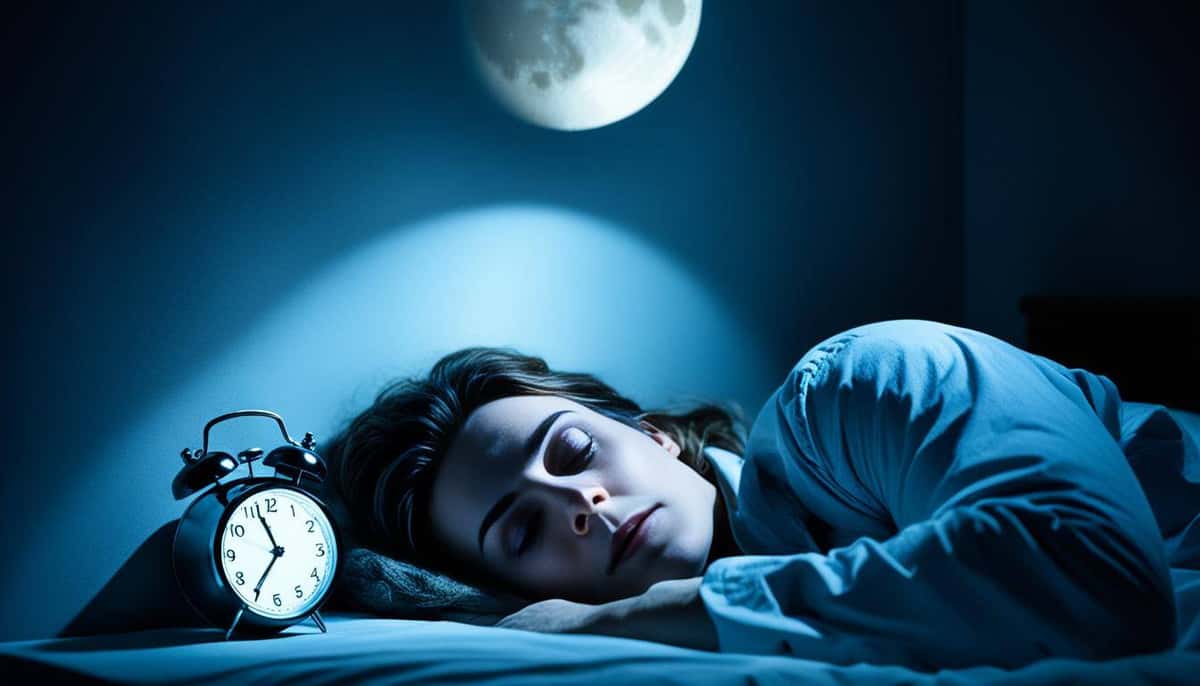

Have you ever felt tired, irritable, and had difficulty concentrating during the day? This could be because you didn’t sleep well at night. If this happens frequently , you may have insomnia . But do you know what insomnia is, its causes and symptoms, and what effective treatments are available? Let’s understand this condition better and discover how to improve your sleep.
What is insomnia?
Insomnia is when it is difficult to fall asleep or stay asleep at night. It can be acute, chronic, transient, or intermittent. Acute insomnia lasts less than 2-3 weeks. Chronic insomnia lasts more than 2 years, with episodes lasting 3 days each. If insomnia lasts from one night to a few weeks, it is considered transient. If it comes and goes, it is intermittent. Chronic insomnia is when it happens almost every night and lasts more than a month .Types of Insomnia
- Acute Insomnia: Short-term episodes, usually lasting less than 2-3 weeks.
- Chronic Insomnia: Occurs several times a year, for at least 2 years, with each episode lasting at least 3 days.
- Transient/Subacute Insomnia: Difficulty sleeping that lasts from one night to a few weeks.
- Intermittent/Occasional Insomnia: Episodes of insomnia that come and go over time.
“Insomnia is one of the most common symptoms that lead adults to seek medical help.” 4
| Type of Insomnia | Definition |
|---|---|
| Acute Insomnia | Short-term episodes, usually lasting less than 2-3 weeks. |
| Chronic Insomnia | It occurs several times a year, for at least 2 years, with each episode lasting at least 3 days. |
| Transient/Subacute Insomnia | Difficulty sleeping that lasts from one night to several weeks. |
| Intermittent/Occasional Insomnia | Episodes of insomnia that come and go over time. |
Causes of insomnia
Insomnia can be caused by various factors, both physical and emotional. Knowing what causes insomnia helps to find solutions and sleep better . Almost everyone experiences insomnia from time to time. It is crucial to identify and treat the causes to improve sleep .Triggers and perpetuators of insomnia
A stressful event can trigger insomnia, such as work or financial problems. People with stress or mental disorders tend to have more sleep problems. The factors that start insomnia can be different from those that maintain it. Someone might start worrying too much about sleep, perpetuating insomnia. Changes in routine and habits also affect sleep . Some of the main triggers and perpetuators of insomnia include:- Emotional stress, such as problems at work, with family, or financially.
- Mental disorders, such as anxiety and depression.
- Physical illnesses, such as chronic pain, cancer, Alzheimer’s disease, and thyroid disorders.
- Use of substances such as nicotine, caffeine, and alcohol.
- Changes in routine and habits, such as irregular sleep schedules.

| Triggering Factors | Perpetuating Factors |
|---|---|
| Emotional stress (problems at work, family or finances) | Excessive worry about not being able to sleep. |
| Mental disorders (anxiety, depression) | Changes in routine and habits (irregular sleep schedules) |
| Physical illnesses (chronic pain, cancer, Alzheimer’s, thyroid disorders) | Use of substances (nicotine, caffeine, alcohol) |
“Identifying and treating the causes of insomnia can help you sleep better.” 5Understanding the factors that cause and maintain insomnia is crucial for finding lasting solutions. With the help of a professional, it is possible to overcome insomnia.
Insomnia and age
Insomnia greatly affects the elderly . Approximately 50% of the elderly have sleep problems . Insomnia rates vary from 20 % to 40 %. Elderly women are more affected than men . The older we get, the more sleep we need. Adults need 7 to 9 hours of sleep. The elderly need 7 to 8 hours. However, only 12% of those aged 65 or older do not have sleep problems. The most common complaints are: difficulty falling asleep (43%), waking up during the night (30%), napping during the day (25%), waking up early (19%), and poor sleep ( 13 %) . Insomnia in old age is a major problem. It causes clinical and functional impairments . Elderly people with insomnia use more health services and have more health problems. Insomnia affects quality of life . It can cause problems with concentration and memory . It also increases the risk of falls and accidents 7. https://www.youtube.com/watch?v=ug8LZBySPSw Insomnia is common , affecting 72% of the population 7. Older adults need care to improve their sleep and health.Medical causes of insomnia
Insomnia affects many people worldwide . It can be caused by emotional factors, lifestyle, and medical conditions. Understanding these causes is important in order to find solutions.Medications, diseases and associated conditions
Certain medications, such as caffeine and nicotine, can cause insomnia . Some medications, such as beta-blockers and antidepressants, also affect sleep . Conditions like sleep apnea and chronic pain can lead to insomnia . To improve sleep, lifestyle changes are important. Avoiding caffeine and alcohol before bed and maintaining a regular sleep schedule helps a lot . Medications, relaxation techniques, and medical care are also effective options.| Type of Insomnia | Description |
|---|---|
| Acute Insomnia | Short-term sleep disorder, lasting less than three months 9 |
| Chronic Insomnia | Long-term sleep disorder, lasting more than three months 9 |

Psychological causes of insomnia
Insomnia can be caused by various psychological reasons, such as depression , anxiety , and stress . Other factors, such as mania or hypomania , can also contribute to it . The environment also influences it, with noise , jet lag , daytime naps , night work , eating , and exercise before bed . Alcohol or caffeine consumption can also cause insomnia . Some people have a high level of alertness , which makes them more sensitive to stimuli that can affect sleep . Sleep quality can be affected by several factors, such as medications , bad habits , heavy meals before bed , excess caffeine and alcohol , and technology use before bed . Shift work can also affect sleep quality. Hormonal changes, such as during menopause, are common in women and can cause insomnia . Insomnia can be occasional or frequent , affecting health and well-being . In severe cases, it can occur three times a week for several weeks . Getting enough sleep is essential for well-being, improving cognition, mood, and disposition . Lack of sleep can impair memory, concentration, learning, emotional well-being, and the immune system. Furthermore, it can increase the risk of depression , anxiety , Alzheimer’s disease , high blood pressure , diabetes , obesity , and other conditions. Understanding and treating the psychological causes of insomnia is crucial for healthy mental health and better sleep .Symptoms of insomnia
Insomnia affects the quality of life of those who suffer from it . It can cause difficulty falling asleep, waking up several times during the night, and waking up too early . Furthermore, it brings tiredness, fatigue, and reduces the ability to concentrate during the day . The effects of insomnia go beyond sleep . People with insomnia can become irritable and impatient . It can also affect memory, concentration, and attention . Those with chronic insomnia, that is, for more than three months , may have serious problems. Research shows that many do not get enough sleep, which can cause heart disease, mental health problems, and more . If insomnia persists, it is crucial to seek professional help. This can improve people ‘s physical and mental health.
“Most people need seven to eight hours of sleep to wake up feeling refreshed, and almost half of women suffer from insomnia after menopause.” 13
What is insomnia?
Explaining the main concept
The definition of insomnia is when it is difficult to start or stay asleep at night . This affects the quantity and quality of sleep. It can cause difficulty falling asleep, waking up several times, and not being able to fall back asleep . Insomnia can be sporadic or constant . It can be caused by stress, depression, pregnancy, menopause, or health problems. In fact , about 40% of Brazilians suffer from insomnia, making it the most common disorder among adults. Symptoms of insomnia include difficulty falling asleep and waking up several times during the night . It can also cause fatigue, lack of concentration, irritability, and less energy . More than 70% of cases are caused by psychological factors. Inadequate serotonin production and stress are also important factors. Insomnia can affect productivity at work or school. It also increases the risk of errors and accidents and negatively impacts quality of life . https://www.youtube.com/watch?v=ShmPtPalnGoDiagnosis of insomnia
The diagnosis of insomnia is made by evaluating patients’ complaints.16 It is important to understand what caused and maintained the insomnia.16 Polysomnography helps to find other sleep problems that may worsen insomnia.16 Actigraphy, a portable test, analyzes sleep and can show neurological or psychiatric problems.16Additional tests
Additional tests are crucial for understanding the patient’s sleep 16. They show how sleep is affected by insomnia 16. Understanding insomnia is key to treating it well, as it affects daily life 16 .“Insomnia affects women, the elderly, and people of lower socioeconomic status more frequently.” 16It is vital to carefully assess the symptoms and perform tests for an accurate diagnosis 16. This helps to find the right treatment 16 .

Treatments for insomnia
Insomnia treatment needs to be personalized. It may include lifestyle changes and therapies to improve sleep. It’s also important to treat underlying conditions that can worsen insomnia and, if necessary, use medication.Therapeutic approaches
Sleeping pills can help for a while, but they don’t cure insomnia. They should be used carefully to avoid negative effects. About 65.5% of people have sleep problems, affecting women more. Medications like amitriptyline and zolpidem can be used to treat insomnia. But it’s important to take them with a doctor’s prescription. This is because they can cause dependence and side effects. Behavioral and cognitive therapies are also good options. Cognitive Behavioral Therapy for Insomnia (CBT-I) is one of them. It helps change thoughts and behaviors that affect sleep. https://www.youtube.com/watch?v=eaVrZrIjMo0 In addition, there are strategies like sleep hygiene . These include avoiding social media before bed and not drinking coffee close to bedtime. Physical activity during the day is also good. The treatment of insomnia in children is different from that in adults. In adults, signs such as drowsiness and memory problems may indicate the need for medical help. There are digital resources, such as Memed+, that help in the treatment of insomnia. They offer more than 60,000 medications to choose from 17 18 19 .Sleep hygiene
Habits for a good night’s sleep
Having a sleep routine is very important for sleeping well . This includes creating an ideal environment and avoiding bad habits. These practices greatly improve the quality of your sleep. It is essential to have a fixed bedtime . This helps the brain get used to it. In addition, sleeping between 7 and 9 hours a night is fundamental . Avoiding naps during the day helps you sleep better at night . The bedroom should be dark, quiet, and at a comfortable temperature. This creates an ideal environment for sleeping. Do not drink caffeine or alcoholic beverages close to bedtime . This can affect your sleep. Heavy meals are also not recommended before bed.- 22. Doing something relaxing before bed, such as taking a bath or reading, helps you sleep better.
- 22. Not constantly looking at the clock can reduce stress and improve sleep.
- 22. Intense physical activity before bed can disrupt sleep.
- 21. Sleeping at night helps produce melatonin and ensures deep sleep.

Complementary therapies
In addition to behavioral changes and medication, there are therapies that help with insomnia. Meditation is one of them. It can decrease respiratory rate and teach the mind to deal with negative thoughts. It is an effective remedy against insomnia, stress , and anxiety.23 It is good to do at least ten minutes of meditation a day, either in the morning or before bed. In Brazil, 29 complementary therapies are recognized, such as apitherapy and aromatherapy.24 More than 1,708 municipalities offer these therapies, with most in primary health care.24- Reiki , a Japanese technique, can reduce stress, depression, insomnia, and anxiety 24 .
- Reflexology uses reflex points to perform therapeutic massages on different parts of the body 24 .
- Auriculotherapy uses acupuncture on the ear to treat various conditions, including insomnia 24 .
- Relaxing massage can help with chronic pain and depression, but it’s important to follow medical recommendations 24 .
- Sports lymphatic drainage improves circulation and relieves muscle pain in athletes 24 .
“At least 73 million Brazilians suffer from insomnia, according to the Brazilian Sleep Association (ABS).” 23There are many complementary therapies to help improve sleep. It is possible to find effective and personalized treatments to combat insomnia.

Conclusion
Insomnia affects approximately 40% of Brazilians. <sup>25</sup> It impacts health and quality of life, becoming a major public health problem. <sup>26</sup> The causes can be varied, including medical or psychological problems, or poor habits. Diagnosis requires a complete evaluation. <sup>27</sup> Treatment for insomnia varies from person to person. It may include lifestyle changes, therapies, and, if necessary, medication.<sup> 26</sup> With the right diagnosis and treatment, it is possible to improve sleep and the lives of those suffering from insomnia.<sup> 27 </sup> Insomnia affects many people, but there are ways to manage it with the support of healthcare professionals. In short, insomnia is a challenge, but with the right knowledge and treatment, it is possible to improve sleep and well-being.<sup> 26</sup> Seeking specialized help and adopting healthy habits is essential for a better life. <sup>25</sup>FAQ
What is insomnia?
What are the causes of insomnia?
How does insomnia affect different age groups?
What are the symptoms of insomnia?
How is insomnia diagnosed?
What are the treatments for insomnia?
What is sleep hygiene?
What are some complementary therapies for insomnia?
🌟 Have you considered seeking a therapist to support your well-being journey?
If this article sparked reflections about positive changes in your life, perhaps now is the ideal time to take the next step. Do you know hypnosis as a therapeutic tool? This approach can be surprisingly effective for various personal challenges.
Special offer: Book a free 20-minute consultation with therapist Fabio Morus and discover how therapy can transform your life.
✨ No commitment — Completely free — 20 minutes that can make a difference
👉 Click here to book your free consultation
Don't postpone your well-being any longer. The first step to change is just one click away.