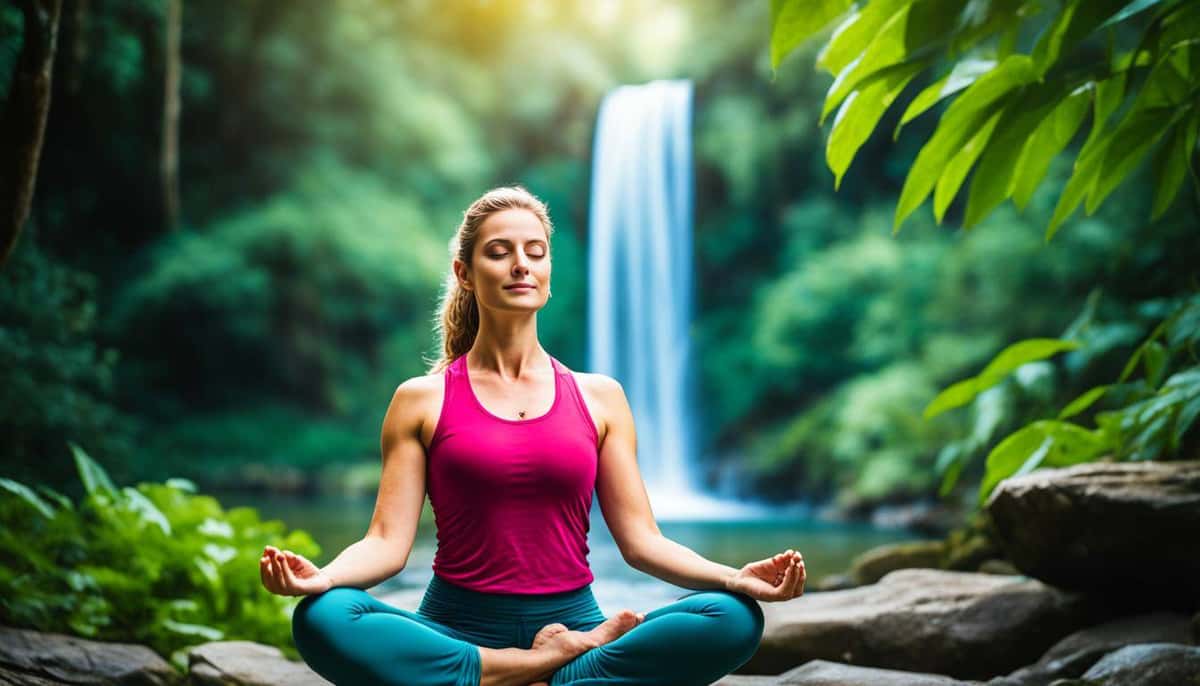

Have you ever thought about how to improve your quality of life ? This makes us think about what it means to live well and how to achieve lasting well-being . Quality of life is more than just not having diseases. It's a balance between physical, mental, and emotional health.
This article will show you several ways to improve your life. We'll talk about eating well, exercising, and taking care of your health. These practices are based on data that shows they work.
Eating well is key to a healthy body and mind. Foods rich in antioxidants, vitamins, and fiber help prevent disease . Exercise benefits both physical and mental health, reducing the risk of disease and increasing lifespan .
Practices like meditation and hypnosis help to manage stress and improve health . It's also important to see a doctor regularly and know yourself well in order to have lasting well-being .
The Importance of Physical, Mental, and Emotional Well-being
Well-being is a holistic construct encompassing the physical, mental, and emotional aspects . The World Health Organization defines health as a complete state of well-being . This goes beyond simply not having disease, including physical, mental, and social well-being .
Being in good physical condition means being able to do everyday things. This leads to an active lifestyle. This lifestyle improves our self-esteem and helps control weight and blood pressure 3 .
Mental health is very important for our relationships and quality of life . One study showed that having good interpersonal relationships is more important for happiness than having wealth or fame.<sup> 4</sup>
For emotional well-being , it's important to have healthy habits. Eating foods rich in tryptophan, such as fruits and vegetables, helps produce serotonin. This is essential for emotional balance. <sup>4</sup>
Emotional distress can cause psychosomatic illnesses. This highlights the importance of taking care of oneself and seeking help when necessary. <sup>4</sup>
Taking care of well-being means paying attention to physical, mental , and emotional health. Mental health affects how we manage our personal and professional lives. It is crucial to support mental health in all aspects, such as at home and at work.
A balanced focus across all these areas is essential for improving our quality of life.
https://www.youtube.com/watch?v=TztNRCcUzV4
Improving quality of life through healthy eating.
Eating well is very important for our quality of life. This goes beyond choosing what to eat. It's also about choosing where and when to eat, which makes the act of eating more enjoyable . To stay healthy, we should eat fruits, vegetables, legumes, grains, and lean proteins. This gives us many nutrients. A plate full of colors shows that it has many nutrients .
Essential Foods for Health
To eat well, we should choose balanced foods. Avoiding ultra-processed foods, such as cookies and soft drinks, is good. They have a lot of sugar, salt and fat, but little nutrition. It is important to eat plenty of vegetables, fruits, rice, beans and dairy products. This helps strengthen the immune system and prevent diseases . The Dietary Guidelines for Brazil say to eat more natural foods and avoid ultra -processed foods.
Tips for a Balanced Diet
To eat well, it's good to plan your meals and drink enough water. The amount of water we should drink depends on our weight 8. Swapping unhealthy foods for better ones, like sardine pâté instead of mayonnaise, helps a lot. It's important to have a good balance of protein and carbohydrates in each meal to maintain health 7 .

Regular Physical Exercise: A Pillar for Health
Regular physical exercise is essential for maintaining health and improving quality of life. These activities help control weight and mental health. They also reduce the risk of chronic diseases. Recognizing the benefits of physical activity is fundamental.
Benefits of Physical Activity
Physical exercise brings many benefits, both in the short and long term. According to Shephard, quality of life depends on the perception of health and well-being. Lack of physical activity can lead to problems such as anxiety and obesity. To avoid disease, adults should do 150 to 300 minutes of moderate activity per week . This helps with weight loss and improves health .
How to Find the Ideal Activity
It's important to find an activity you enjoy and make it a habit. Start with activities like running or walking to improve your heart and overall well-being. Choose something you enjoy and do it three times a week .
https://www.youtube.com/watch?v=JXGdZl_IiOY
| Age Group | Physical Activity Recommendations |
|---|---|
| Children and Adolescents | 60 minutes of physical activity, at least 3 times a week. |
| Adults (18 to 64 years old) | 150 to 300 minutes of moderate-intensity activity or 75 to 150 minutes of vigorous-intensity activity per week. |
| Seniors (65 years or older) | 150 to 300 minutes of moderate-intensity activity or 75 to 100 minutes of vigorous-intensity activity per week, plus strengthening and balance exercises. |
Integrating regular physical exercise into your routine brings many benefits. This contributes to a healthier and more active life. 9 10 .
The Importance of Sleep for Quality of Life
Sleep is very important for our health and well-being. Adults need to sleep 7 to 8 hours a day. Teenagers and children need more, from 8 to 13 hours 11. Babies, in turn, need 12 to 16 hours 12 .
Not getting enough sleep can cause health problems. This includes obesity, diabetes, and heart disease. Sleeping less than 5 hours a day can increase the risk of death by up to 15 %.

To sleep well, it's important to create a suitable environment for rest. Maintaining a fixed sleep schedule and avoiding activities before bed helps a lot . Sleep medicine deals with problems that affect sleep, such as apnea and insomnia. These problems can cause fatigue and mood swings .
Healthy Practices to Improve the Balance Between Body and Mind
It is very important for us to develop healthy practices that help maintain the balance between body and mind . Relaxation and mindfulness techniques, as well as activities that improve mental well-being , bring great benefits. The World Health Organization (WHO) says that health goes beyond not having disease. It includes being physically, mentally and socially well.<sup> 14</sup>
Relaxation and Mindfulness Techniques
Practices such as meditation and breathing exercises are essential. They help reduce stress and improve concentration. A study by Icict/Fiocruz showed that, during the pandemic, 61.7% of Brazilians used meditation and Reiki to feel better 14 .
Activities that Promote Mental Well-being
Connecting with nature and pursuing hobbies also helps maintain balance. The Ministry of Health's Food Guide suggests eating plenty of natural foods to stay healthy 14. Brazilian adults sleep an average of 7.5 hours per night, which is crucial for mental health and strengthening bonds with others. Having good social connections can increase the chance of living longer by up to 50%, according to a data analysis 14 .
https://www.youtube.com/watch?v=OwaEsagax50
Healthcare: Prevention is Key
It is very important to pay attention to health care . This is like investing in our quality of life. Prevention is fundamental and should be the starting point for taking care of ourselves. Studies show that Brazilian men live 7.2 years less than women. This shows how crucial it is to go to the doctor for prevention .
Furthermore, many men postpone medical consultations, which can lead to diseases in advanced stages 15 .
It is highly recommended to have preventive checkups starting at age 50, such as colonoscopies. This helps cure colorectal cancer in over 90% of cases if detected early . Maintaining a health schedule with regular checkups and appointments is essential for early detection of diseases and successful treatment.
Furthermore, not smoking, maintaining a healthy weight, and eating well are important steps toward self-care. It's important to talk to family about illnesses and pay attention to the body's signals. This helps us take better care of ourselves. <sup>16 </sup>

Regular Medical Check-ups and their Relevance
It is very important to have regular medical checkups to maintain health and improve quality of life. These visits help to find problems early, which makes treatment easier. In 2021, 82.3% of women went to the doctor, while 69.4% of men did the same 17. This shows that women seek medical attention more often.
The importance of preventive medicine is crucial. Visits to specialists, such as gynecologists and cardiologists, are important for controlling diseases and detecting problems early.17 Primary care greatly assists in this process, offering prevention and personalized diagnosis with the help of various professionals.
One point to consider is that 40% of Brazilians self-diagnose via the internet, which can lead to errors and self-medication 18. Detecting diseases early is key to curing them and improving life 18 .
https://www.youtube.com/watch?v=HpObzFU6UEk
Regular checkups are essential for monitoring health and identifying risks, allowing for accurate diagnoses and treatments 17 18. Family history and genetics are also important, as they can affect chronic diseases and their effects.
The Influence of the Environment on Quality of Life
The environment in which we live greatly affects our quality of life. Air quality and the organization of space are important. They influence our well-being and comfort in a healthy home . A well-structured environment is crucial for a balanced life.
Tips for a Healthy Home
To have a healthy home , it's important to adopt simple practices. Here are some tips:
- Using sustainable materials in decorating and renovations helps improve overall health.
- Good natural lighting and ventilation are essential for a relaxing environment.
- Organizing space well increases practicality and reduces anxiety, making the home more welcoming.
- Keeping the house clean is important for improving quality of life.
- Choosing relaxing colors and rustic textures creates a welcoming atmosphere.
- Using shelves and niches helps to better organize the space.

By following these tips, we can turn our home into a truly healthy haven. This improves our quality of life and emotional well-being . This change is important for a sustainable and healthy future .
The Importance of Social Relationships for Well-being
Social relationships are essential for our emotional and mental well-being . Research shows that the quality of these relationships is just as important as the quantity. This is especially true in adulthood, where strong bonds are crucial for our health. <sup>22</sup>
Using digital social networks can give a false sense of connection. But personal contact is fundamental to creating and maintaining deep relationships. <sup>22</sup>
As we age, we prefer more meaningful social interactions and emotionally close contacts. The Socioemotional Selectivity Theory states that, as we age, it is important to invest in intimate relationships to improve well-being.<sup> 23</sup>
Having a strong social support network brings a sense of belonging. This helps to live a longer and healthier life 22 .
Loneliness is a major health risk, potentially causing physical and cognitive problems. A review of studies showed that lonely people are 26% to 33% more likely to die sooner compared to those with strong social ties 24 .
Maintaining healthy relationships is crucial for emotional well-being and can impact our longevity and quality of life 23 .

It is important to reflect on the quality and frequency of our social interactions. Social interaction improves mental health and prevents illnesses such as depression and anxiety.23 Cultivating good relationships can improve our lives and increase well-being.
Using Self-Knowledge in the Pursuit of Well-being
Self-awareness is a powerful tool in our pursuit of well-being . Understanding our emotions and recognizing our limits helps us make healthy decisions. Practices such as meditation, journaling, and feedback from friends improve our self-awareness and bring about positive changes.
Studies show that self-knowledge increases our self-esteem, controls emotions and helps to define clear goals 25 .
Many people know the importance of self-knowledge , but have difficulty practicing it.26 This can lead to risks, such as compromising personal growth and getting involved in bad relationships. Lack of self-knowledge affects our physical and emotional health, so it is important to reflect on our goals and actions.
It is crucial to reflect on our strengths and weaknesses. Tools such as the Ikigai Mandala and the Wheel of Life help to discover vocations and increase self-confidence. By focusing on self-knowledge, we make more assertive decisions aligned with our goals. <sup>27</sup>
We encourage an environment of continuous learning, considering the opinions of others, but following our own path. Self-knowledge improves quality of life and helps to cope with daily challenges. This skill not only improves our decisions, but also strengthens our emotional resilience. <sup>26</sup>
Developing a Healthy Lifestyle
Adopting a healthy lifestyle is a major commitment to well-being. It is crucial to limit the consumption of sodium, sugar, and saturated fats. This can increase the risk of diseases such as diabetes and hypertension 28 .
It's important to sleep between 6 and 8 hours a night. This helps with energy recovery and reduces stress. Insufficient sleep affects our memory and concentration. <sup>29</sup>
Drinking 1.5 to 2 liters of water a day is essential. This keeps the body functioning well, as water makes up two-thirds of our body 29 .
It's vital to include exercise in your routine. It reduces stress and anxiety, increasing happiness hormones 28 .
Balancing work and personal life is important. Planning activities that bring us pleasure and health helps. A balanced diet is also crucial. <sup>28</sup>
Finally, don't forget your annual medical check-ups. They are essential for detecting asymptomatic conditions and preventing serious problems. This contributes to healthy aging. <sup>29 </sup>
Conclusion
Improving quality of life requires attention to various aspects of our daily lives. This includes diet, exercise, sleep, mental health, and relationships. The World Health Organization (WHO) says that quality of life depends on how we view our lives. This includes our goals and concerns .
Practices that improve mental health, such as relaxation and exercise, are crucial . They help fight stress, which can be very harmful.31 Each of us should be proactive in taking care of our health. In this way, we can live better and more fully. It is important to have a healthy environment at home and at work.30
Reflecting on our habits and adopting the practices in this article is fundamental. This prepares us for the future. By changing our routines, we take care of ourselves and the world around us . To learn more about health and quality of life, see here .
FAQ
What is quality of life?
Quality of life goes beyond simply not having diseases. It includes physical, mental, and social well-being . It's important to take care of all these aspects to achieve a healthy balance.
How can a healthy diet influence our quality of life?
Eating well provides essential nutrients for the body. This affects our physical and mental health, thus improving our quality of life.
What are the benefits of regular physical exercise?
Exercising helps control weight and mental health. It also reduces the risk of disease. This leads to overall well-being and a healthy lifestyle .
Why is sleep so important for our health?
Getting enough sleep is crucial for the body to regenerate and for the immune system to stay strong. It also affects our mood and energy levels, improving our overall health.
How can we balance body and mind?
Practices such as meditation and relaxation activities help to balance body and mind. This improves our emotional well-being.
What precautions should we take regarding our health?
It's important to have regular check-ups, eat well, and take care of vaccinations and hygiene. These practices help maintain good health.
Why is it important to maintain regular medical check-ups?
Regular medical checkups help identify health problems early. This allows for less invasive treatments and ongoing care.
How does the environment influence our quality of life?
A healthy environment, with good air quality and organization, affects our well-being. Therefore, creating a good environment is essential to improving life.
How do social relationships impact our well-being?
Having strong relationships brings happiness and a sense of belonging. They are fundamental to our emotional and mental well-being.
What is the role of self-knowledge in the pursuit of well-being?
Understanding our emotions and limits through self-awareness helps us make healthy decisions. This brings positive changes to our lives.
What does it mean to adopt a healthy lifestyle?
A healthy lifestyle includes taking care of your diet, exercising, managing stress, and looking after your mental health. This leads to long-term well-being.
🌟 Have you considered seeking a therapist to support your well-being journey?
If this article sparked reflections about positive changes in your life, perhaps now is the ideal time to take the next step. Do you know hypnosis as a therapeutic tool? This approach can be surprisingly effective for various personal challenges.
Special offer: Book a free 20-minute consultation with therapist Fabio Morus and discover how therapy can transform your life.
✨ No commitment — Completely free — 20 minutes that can make a difference
👉 Click here to book your free consultation
Don't postpone your well-being any longer. The first step to change is just one click away.