

Did you know that tachycardia due to anxiety is more common than we imagine? It can even affect our heart health. In this article, we'll see how breathing as a relaxation tool can help. It's an effective solution for controlling this uncomfortable condition.
The practice of controlled breathing is very important for managing anxiety . It helps regulate the heart rate and brings calm. Understanding the connection between tachycardia due to anxiety and breathing is key to improving our well-being.
To what extent can breathing techniques change our daily lives when dealing with anxiety? Let's explore together!
To learn more about cognitive behavioral therapy and anxiety, see our article here 1 .
Understanding Tachycardia Due to Anxiety
Understanding tachycardia due to anxiety is important. It makes the heart beat faster, often above 100 beats per minute. In Brazil, about 23% of the population suffers from some anxiety problem 2. During these moments, many feel their heart beating strongly, up to 140 bpm 3 .
In addition, anxiety can cause chest pain, nausea, and shortness of breath. Chest pain can radiate to the left arm and back. It may feel like burning and tingling . This shows that the body is very alert, especially during times of stress.
Understanding these symptoms is essential for managing emotional tachycardia . Staying calm and using relaxation techniques can help. For more information on anxiety and tachycardia, see this link .
https://www.youtube.com/watch?v=phWC-WGiv28
What is tachycardia and what are its causes?
Tachycardia occurs when the heart beats more than 100 times per minute. It can be temporary or constant and is linked to emotions such as anxiety and stress. Sinus tachycardia is one of the most common types. It can be caused by various conditions, such as anemia and hyperthyroidism. <sup>4</sup>
Substances such as caffeine and alcohol can also increase heart rate 4 .
Tachycardia can be caused by physiological or pathological factors. It is common in stressful situations and during anxiety attacks. Feeling your heart racing shows the impact of tachycardia and stress on the body. <sup>5</sup>
There are different types of tachycardia, such as atrial and ventricular, depending on the patient's condition 4 .
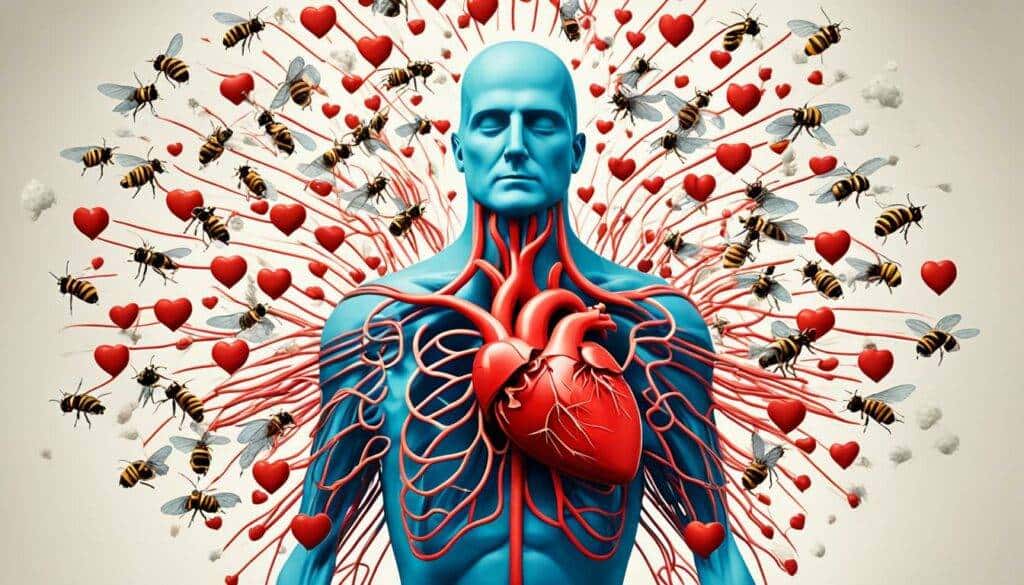
When tachycardia occurs, it may be accompanied by symptoms such as chest pain, dizziness, and excessive sweating. 5. If we notice changes in heart rhythm, it is important to seek medical help. This may include tests such as an electrocardiogram. 4 .
Understanding the causes of tachycardia helps control heart rate. Techniques like the 5-4-3-2-1 drill can be helpful. Maintaining healthy habits and engaging in physical activity are also important .
How Anxiety Affects the Heart
Anxiety and the heart have a complex and important relationship. When we feel nervous or stressed, our body releases hormones such as adrenaline and cortisol. These hormones help protect us from danger, but they can be bad for the heart if anxiety is constant. The World Health Organization says that 9.3% of Brazilians have anxiety, making Brazil the most anxious country in the world .
https://www.youtube.com/watch?v=hi3dabtoA5o
In stressful situations, the body reacts with a faster heartbeat and high blood pressure. For those with anxiety and heart problems , this can cause symptoms such as chest pain and shortness of breath. Anxiety can damage the heart, increasing the risk of heart attack, even in young people. Chronic inflammation, which anxiety can cause, can also lead to heart problems.
Understanding the effects of anxiety on the heart is crucial. Exercising and eating well can help a lot. Using plants like passionflower, which are calming, can also be helpful with the guidance of a doctor. <sup>8</sup>
Symptoms of Tachycardia Due to Anxiety
When discussing symptoms of tachycardia and anxiety , it's important to understand that anxiety can affect the heart in several ways. The main signs include:
- Rapid heartbeat;
- Palpitations and anxiety ;
- Feeling short of breath;
- Dizziness;
- A feeling of impending fainting.
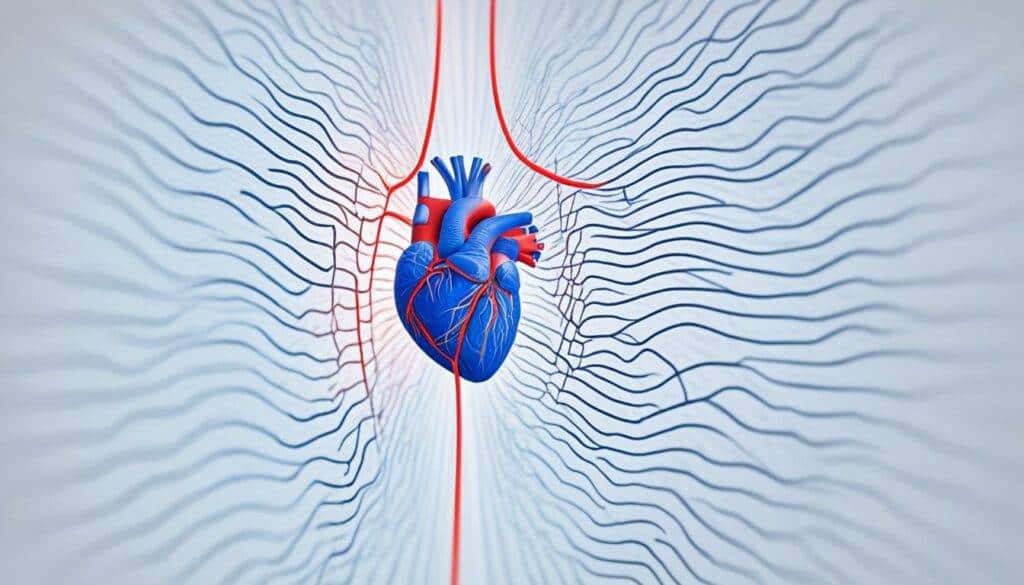
It is crucial to recognize these signs of an anxiety crisis in order to act correctly. The Brazilian Society of Cardiac Arrhythmias says that the heart should beat 60 to 100 times per minute when we are at rest . If we experience palpitations and anxiety , it is important to seek professional help for appropriate treatment.
Managing anxiety is fundamental in our daily lives. Sometimes, a racing heart can be a sign of stress or serious heart conditions. Therefore, it's important to seek a specialist when experiencing these symptoms .
Importance of Controlled Breathing
Controlled breathing is very important for reducing anxiety and improving emotional well-being. It helps regulate the nervous system, bringing calm and decreasing tachycardia and rapid breathing. Using breathing techniques can completely change the way we deal with anxiety. <sup>11</sup>
https://www.youtube.com/watch?v=Rxv0ZOH7xXk
Square breathing , or Sama Vritti, is a very effective technique. It involves four-second pauses between each inhalation and exhalation, which brings relaxation and concentration . Research shows that stress can increase the risk of heart disease. Therefore, it is crucial to use controlled breathing to take care of heart health.
The 4-7-8 breathing technique is another useful method. It involves four counts of inhalation, seven of retention, and eight of exhalation. This practice not only reduces anxiety but also improves heart and blood pressure, bringing physical and mental balance. <sup>13</sup>
In short, breathing techniques are great to use every day. They help us relax, get to know ourselves better, and improve our well-being. This helps reduce anxiety and make us feel better overall.
| Breathing Technique | Description | Benefits |
|---|---|---|
| Square Breathing | Pause for four seconds between inhalations and exhalations. | It promotes relaxation and focus. |
| 4-7-8 Breathing | Inhale for four counts, hold for seven, and exhale for eight. | It improves heart rate and blood pressure. |
| Alternate Breathing | Alternating nostrils while breathing. | It promotes concentration and relaxation. |
Breathing Techniques to Reduce Tachycardia
Breathing techniques are great for relieving tachycardia caused by anxiety. They improve our well-being. We highlight abdominal breathing and square breathing as the best for moments of crisis.
Abdominal Breathing
Abdominal breathing involves inhaling through the abdomen, causing the diaphragm to expand. This relaxes the mind and body, slowing the heart rate and improving oxygenation. It is good to practice for 15 minutes daily.
Square Breathing (Sama Vritti)
Square breathing, or Sama Vritti, has four steps: inhale, pause, exhale, and pause, each lasting four seconds. This helps regulate breathing, reducing tension and stress. It is a simple and effective technique for mental health. <sup>15 14 </sup>
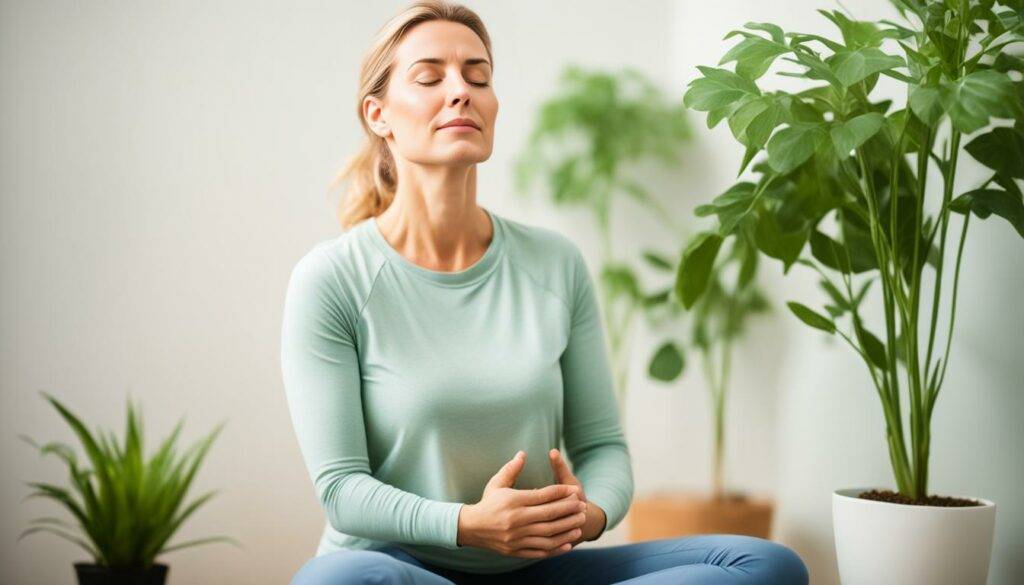
Other Strategies for Controlling Anxiety
To control anxiety, it's important to use a comprehensive approach. Exercising three times a week helps manage stress. This is crucial for preventing and treating mental health problems, as it releases hormones that are good for the mind.<sup> 16</sup>
Practicing relaxing activities , such as meditation, is also very effective. Just five minutes a day can bring peace and improve emotional intelligence 16. In case of anxiety or panic attacks, seeking an open and calm place can help alleviate the symptom 17 .
Therapy is very important for those who have anxiety. It helps to understand and change bad behaviors. Adding these practices to our routine can bring a lot of peace to life.
https://www.youtube.com/watch?v=YYrMgmjoAHM
Natural Calming Agents and Their Effectiveness
Recent years have shown an increase in the use of natural calming agents . This is because many people seek relief from anxiety. Chamomile, for example, helps in the treatment of anxiety and stress. Valerian, on the other hand, is great for those who have insomnia, improving sleep .
Teas like passion fruit and lemon balm are very popular. This is because they relax and sedate, and are recognized by Anvisa 19 .
Plants like ashwagandha and lavender are known for their calming properties. They help reduce stress and regulate mood . Combining breathing techniques with these plants can improve emotional well-being.
With over 9.3% of the Brazilian population suffering from anxiety, it's important to find natural solutions. Calming teas and conscious breathing can help. They not only reduce anxiety but also improve quality of life.
FAQ
What is tachycardia due to anxiety?
Anxiety-related tachycardia occurs when the heart beats too fast due to anxiety. This happens when the heart rate exceeds 100 beats per minute. It typically occurs in stressful situations.
What are the symptoms of tachycardia due to anxiety?
Symptoms include a very fast heartbeat, palpitations, shortness of breath, dizziness, and a feeling that you are going to faint. It is important to recognize these signs to manage anxiety and seek help when necessary.
How can controlled breathing help with tachycardia caused by anxiety?
Controlled breathing helps calm the nervous system. This reduces symptoms of anxiety , such as a racing heart. Simple breathing techniques can send a signal to the brain that you are safe.
What are the main causes of tachycardia due to anxiety?
The main causes include intense stress, constant worries, too much coffee or alcohol, and pre-existing medical conditions.
What types of breathing techniques can I use?
Techniques such as abdominal breathing, with slow and deep inhalations and exhalations, and square breathing (Sama Vritti), which is done in four-second cycles, are good for controlling tachycardia and anxiety.
Are there other strategies for managing anxiety?
Yes, exercising regularly, meditating, and having a healthy routine also help control anxiety. This can reduce the frequency of tachycardia episodes.
What are natural calming agents and how can they help?
Natural calming agents , such as chamomile and passionflower teas, can relax and improve sleep. They help reduce anxiety symptoms when used in conjunction with breathing techniques.
🌟 Have you considered seeking a therapist to support your well-being journey?
If this article sparked reflections about positive changes in your life, perhaps now is the ideal time to take the next step. Do you know hypnosis as a therapeutic tool? This approach can be surprisingly effective for various personal challenges.
Special offer: Book a free 20-minute consultation with therapist Fabio Morus and discover how therapy can transform your life.
✨ No commitment — Completely free — 20 minutes that can make a difference
👉 Click here to book your free consultation
Don't postpone your well-being any longer. The first step to change is just one click away.