
How to Reduce Anxiety in 1 Minute: Effective and Simple Techniques
Anxiety can arise at various times of the day, affecting our mental health and quality of life. Sometimes, all we need is a quick solution to calm us down. An effective way to reduce anxiety in just one minute is through meditation . The practice doesn't require much time or effort and can bring tranquility and comfort quickly. Another technique we can use is diaphragmatic breathing, which controls breathing and helps calm the body. By focusing on our breathing, we can lower stress levels and relieve anxiety. Short walks are also helpful, as they help release accumulated tension. Identifying our emotions is also important. By recognizing what we are feeling, we activate parts of the brain that help reduce stress. In moments of heightened anxiety, remembering these techniques can be key to maintaining our quality of life and mental health. For more tips, explore the page on how to reduce anxiety in 1 minute .
Understanding Anxiety
Anxiety is different from stress, although both can present similar symptoms. We can learn to identify the signs of anxiety and distinguish between anxiety and stress to better manage our emotions.Identifying Symptoms
Symptoms of anxiety can vary, but some are common to many people. One sign is muscle tension , which can cause pain and discomfort in the back and shoulders. Often we feel a constant fear or insecurity without an apparent cause. In addition, our emotional symptoms can include mood swings, such as irritability and impatience. We may find ourselves constantly worried, unable to relax, even in situations that normally leave us calm. Physically, anxiety can also manifest through palpitations , sweating, and rapid breathing. These symptoms are the body's response to living in a constant state of alert.Anxiety vs. Stress
Stress and anxiety are related but distinct concepts. Stress is generally a response to a specific situation, such as a tight deadline at work or a family problem. On the other hand, anxiety may not have a direct, identifiable cause. While stress may subside once the stressful situation passes, anxiety can persist. Anxiety is often accompanied by a constant feeling of fear and worry. Stress can cause similar physical and emotional symptoms, such as muscle tension and mood swings. However, anxiety tends to be more long-lasting and can interfere more severely with our daily lives.Quick Relaxation Techniques
To reduce anxiety quickly, we can use simple and effective techniques. Here are some strategies that can help us achieve a state of calm in just one minute.Diaphragmatic Breathing
Diaphragmatic breathing is a powerful technique for reducing anxiety. It involves breathing deeply using the diaphragm, which allows for greater air intake into the lungs. To begin, sit or lie down in a comfortable position. Place one hand on your chest and the other on your abdomen. Inhale slowly through your nose, causing your abdomen to expand while your chest remains still. Hold your breath for a few seconds and then exhale slowly through your mouth. Repeat this process several times, focusing on your breaths. This technique helps reduce your heart rate and promotes an immediate state of relaxation.Guided Visualization
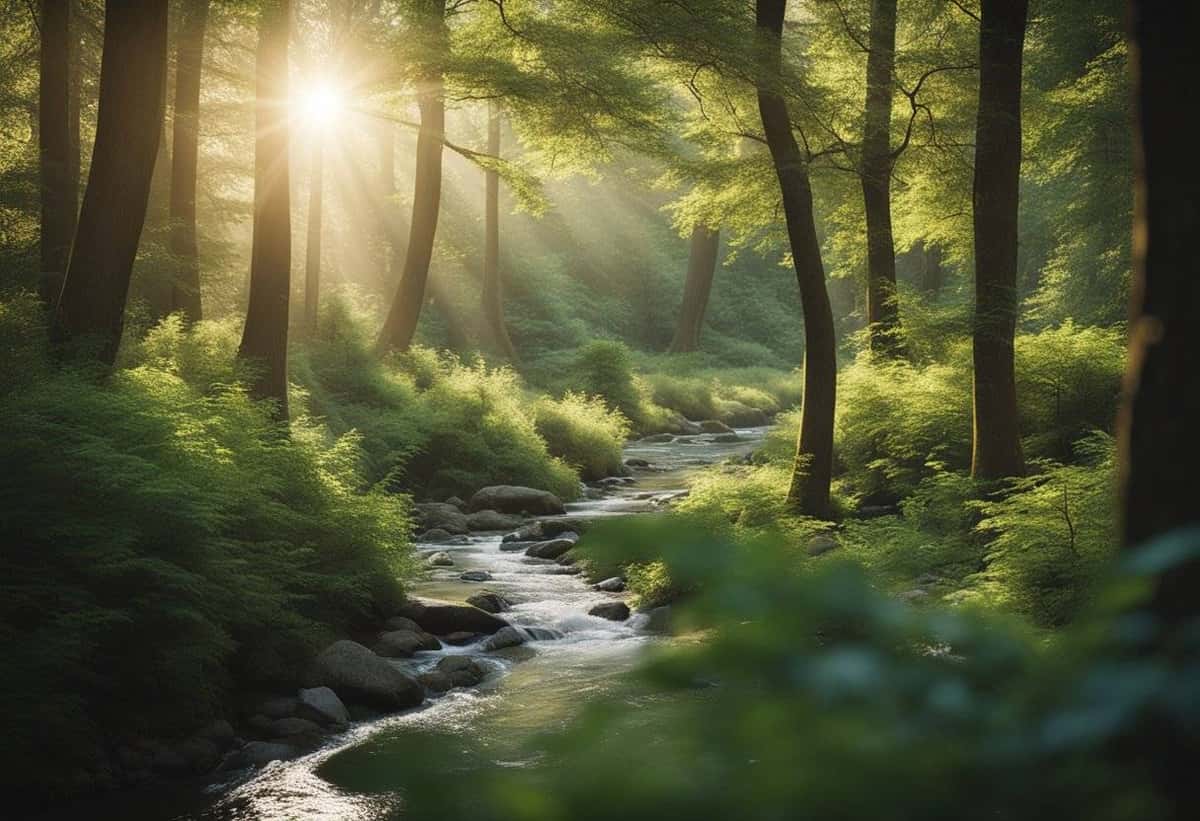
Guided visualization is another useful technique. It involves closing your eyes and imagining a place or situation that brings you peace and happiness. You can think of a tranquil beach, a forest, or any environment that makes you feel safe and calm. You should focus on details, such as the sound of the waves, the smell of the trees, or the feeling of the wind on your skin. The more vivid and detailed these images are, the more effective the technique will be. Guided visualization helps us divert our minds from anxious thoughts, promoting a state of calm and well-being.Mindfulness and Full Attention
Mindfulness, or full attention, allows us to focus on the present and reduce anxiety. To practice, we can choose an object, sound, or our own breath to focus on. We sit in a comfortable position and focus completely on that point of attention. When our mind wanders, we gently bring it back to focus. The goal is to be fully present, without judgment or distractions. By practicing mindfulness, we slow down anxious thoughts and increase our awareness of the present moment, which helps us feel calmer and more centered. These quick relaxation techniques are valuable tools for managing anxiety effectively. By experimenting with each one, we can discover which works best for us and incorporate them into our daily routine.Creating a Tranquil Environment
To reduce anxiety in a minute, it's essential to create an environment that fosters peace and tranquility. Below, we detail how to adjust your physical space and adopt habits to maintain harmony in your daily life.Adjusting your Physical Space
The space where we spend our time can directly influence our anxiety levels. An ideal environment begins with choosing a quiet and organized location. Eliminating visual clutter can help calm the mind quickly. Choosing a comfortable position is vital. We should opt for a chair or cushion that allows us to relax. Furthermore, incorporating elements of nature, such as plants and flowers, brings a touch of love and the harmony of nature to the space. Another important aspect is lighting. The sun's energy can be very beneficial. When possible, keep windows open to let natural light in. If this is not an option, use lamps that emit soft, warm light.Habits for Maintaining Harmony
Maintaining tranquility requires more than just adjusting the space; we must adopt habits that promote constant harmony in our environment. Practicing deep breathing techniques can be extremely effective. Breathing slowly and deeply helps reduce anxiety in critical moments. Soft music and nature sounds also contribute to a sense of peace. Creating a playlist of relaxing music or investing in a device that emits pleasant sounds can transform any space into a sanctuary of serenity. The beauty of colors is equally important. Colors like blue and green have a proven calming effect. Considering the color palette when decorating can positively influence our feelings. Implementing these adjustments and habits can make a big difference in how we experience tranquility daily.Complementary Practices
 Complementary practices can be an effective way to reduce anxiety in a minute, promoting well-being and mental health. They include light physical activity and natural methods such as herbal medicine, which are simple ways to quickly calm the body and mind.
Physical Activity and Yoga
Physical activity is one of the quickest ways to relieve anxiety. A short walk or a few minutes of yoga can work wonders. Moving your body releases endorphins that help improve your mood almost instantly. Practicing yoga combines breathing exercises, meditation, and light physical activity, creating a sense of calm. In addition to improving flexibility and strength, yoga also helps connect the body and mind. Simple poses like child's pose or warrior pose can be done in just a minute to relieve tension.Herbal Medicine and Infusions
Natural remedies are also very effective. In herbal medicine, infusions of plants such as chamomile , passionflower , and valerian are known for their calming properties. These teas are easy to prepare and can be consumed quickly to help reduce anxiety. Chamomile , for example, has been traditionally used to promote calmness and improve sleep. Valerian is known to reduce nervous tension, while passionflower helps to lessen the symptoms of anxiety. Drinking a warm tea can be a comforting moment, helping the body to relax almost instantly.Frequently Asked Questions
We'll address some common questions about how to reduce anxiety in just one minute, using quick techniques, immediate control strategies, and natural relaxation exercises.What are some quick techniques to reduce anxiety?
We can use guided meditation and deep breathing to quickly reduce anxiety. A simple practice is to focus on your breath, inhaling slowly through your nose and exhaling through your mouth.What strategies can I use to control anxiety immediately?
The practice of mindfulness can be very effective. Focusing on the present and performing grounding exercises, such as touching objects around you or describing what you see, helps to maintain calm.Are there any effective breathing techniques to reduce anxiety?
Yes, the 4-7-8 technique is quite effective. We inhale deeply for 4 seconds, hold our breath for 7 seconds, and exhale slowly through the mouth for 8 seconds. This helps regulate the nervous system.What relaxation exercises can I do when I'm feeling anxious?
Stretching and yoga exercises can be very helpful. Simple poses like the "child's pose" or stretches for the arms and legs relieve tension and promote calmness.How can I relieve nervousness and anxiety naturally?
We can use essential oils like lavender and eucalyptus and practice relaxing activities such as listening to soft music or walking outdoors. These practices are natural and calming.What can I do to calm my mind when I feel anxious?
We can practice therapeutic writing. Writing down our thoughts and feelings in a journal organizes our emotions and reduces anxiety. Artistic activities like drawing or painting also help to distract ourselves and calm the mind.For more details, you can check out some quick techniques to relieve anxiety , as well as specific strategies for immediate relief.
Is anxiety interfering with your life?
Regain control and inner peace.
Discover how hypnosis-focused therapy can be the key to the change you seek!
Schedule your free 20-minute session now!
Transform your life in just a few sessions.
🌟 Have you considered seeking a therapist to support your well-being journey?
If this article sparked reflections about positive changes in your life, perhaps now is the ideal time to take the next step. Do you know hypnosis as a therapeutic tool? This approach can be surprisingly effective for various personal challenges.
Special offer: Book a free 20-minute consultation with therapist Fabio Morus and discover how therapy can transform your life.
✨ No commitment — Completely free — 20 minutes that can make a difference
👉 Click here to book your free consultation
Don't postpone your well-being any longer. The first step to change is just one click away.