Emotional health is very important for our well-being. It is essential to take care of it. In Brazil, 86% of the population suffers from some type of mental disorder. Therefore, it is important to understand how to recover emotional health and maintain it balanced throughout life.
Key Points
- Emotional health is one of the pillars of overall well-being .
- Developing emotional health skills can increase resilience.
- Emotional self-care is essential for the recovery of emotional health.
- Physical exercise and meditation can help with mental health .
- Seeking professional help is an option for those who need emotional support.
The Importance of Emotional Health

Emotional health is essential for our well-being . It helps us face challenges and achieve our goals. The World Health Organization (WHO) says that emotional health is being well-equipped to perform tasks and cope with life's stresses .
To take care of mental health , emotional self-care is crucial. This includes meditating, exercising, and eating well. It's also important to have good relationships and get enough sleep to reduce stress and anxiety.
Some practices can improve emotional health :
- Practice regular physical exercise.
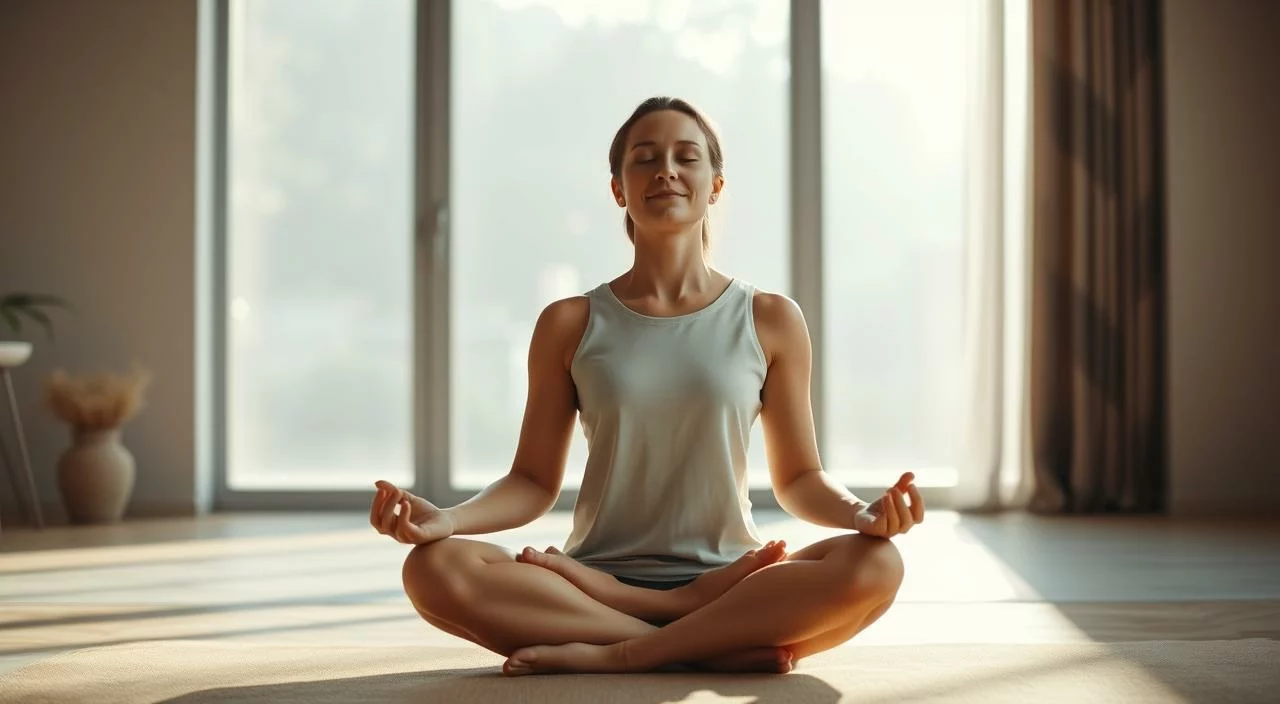
- Meditate and practice relaxation techniques.
- Maintain a healthy and balanced diet .
- Establishing healthy relationships and getting good quality sleep.
Remember that emotional health is just as important as physical health. If you have emotional problems, seek professional help . With emotional self-care and help when needed, you can maintain strong mental health and feel good emotionally.
Recognizing Signs of Emotional Burnout

Feeling exhausted or stressed is common. But when it happens frequently, it can be a sign of emotional burnout. Emotional health is essential for feeling good. Recognizing the signs of emotional burnout is the first step in seeking help.
Some common symptoms of emotional problems include:
- Constant fatigue
- Difficulty concentrating
- Sleep disturbances
- Excessive irritability
- Demotivation
It's important to know the difference between stress and burnout . Stress is a response to excessive demands. Burnout, on the other hand, is a state of prolonged emotional and mental exhaustion. Both can affect emotional health . But it's crucial to recognize the signs of emotional burnout in order to seek professional help when necessary.
Seeking help and taking care of yourself are essential for maintaining emotional health. This includes setting clear boundaries and taking regular breaks. Getting enough sleep is also important. Exercise and meditation greatly contribute to emotional and mental well-being .
Establishing a Support Network

Having a support network is very important for emotional health. Family and friends are essential. They help us face challenges.
Therapy also helps a lot. A therapist teaches you how to deal with stress. And connects us with people who can support us.
Support groups are great too. In them, we can talk about our experiences. This makes us feel less alone.
- Identify people who can offer emotional support.
- Developing skills to cope with stress and anxiety.
- Participating in support groups or therapy.
Having a good support network is crucial. With the help of family , friends , and therapy , we can overcome life's challenges.
Self-Knowledge Techniques

Self-awareness is essential for emotional health. It helps us to better understand our thoughts, feelings, and actions. This allows us to recognize our strengths and weaknesses and make better decisions.
There are several ways to develop self-awareness . Journaling and meditation are two of them. Journaling helps us reflect on our thoughts and feelings. Meditation , in turn, helps us gain more mental clarity.
Journaling Practices
Journaling is a simple yet powerful technique. Just dedicate a few minutes each day to writing about your thoughts and feelings.
Meditation as a Tool for Reflection
Meditation helps cultivate awareness and mental clarity. When we meditate, we can reflect on our thoughts and feelings. This helps us identify areas for improvement.
The benefits of self-knowledge are many. They include:
- Improved emotional health
- More informed decision-making
- Developing healthier relationships
- Increased self-esteem and self-confidence.
In short, self-knowledge is a powerful tool. It can be developed through techniques such as journaling and meditation. By cultivating self-knowledge, we can improve our lives and achieve our goals.
Strategies for Stress Management

Managing stress is essential for emotional health. Regular physical exercise helps reduce stress and improve mood. Breathing techniques and mindfulness are also effective in reducing anxiety.
Some tips for managing stress include:
- Engage in regular physical exercise , such as walking or running.
- Learn deep breathing and mindfulness techniques.
- Maintain a regular and healthy sleep routine.
- Sharing feelings with trusted people
Managing stress is an ongoing process. It's important to find the strategies that work best for you. With practice and patience, it's possible to reduce stress and improve emotional health.
The Role of Nutrition in Emotional Health

The food we eat greatly affects our mood. A balanced diet helps maintain well-being. It should contain important nutrients such as B vitamins, omega-3 fatty acids, and fiber.
These nutrients help regulate serotonin in the brain. This can reduce depression and anxiety.
Some foods that are good for you include:
- Fruits and vegetables, rich in vitamins and minerals.
- Fatty fish, a source of omega-3.
- Legumes, rich in fiber and protein.
- Nuts and seeds, sources of healthy fats and minerals.
It's important not to eat emotionally. This can be harmful to our brains.
Eating a healthy diet is essential for emotional health. Talking to a nutritionist can help create the perfect meal plan for you.
Relaxation and Mindfulness Techniques

To achieve a state of deep relaxation , it is essential to incorporate mindfulness techniques into our daily routine. Practicing relaxation exercises can help reduce stress and anxiety, promoting greater emotional balance .
There are several relaxation techniques that can be practiced. These include meditation, mindful breathing , and yoga. These practices can help calm the mind and reduce muscle tension. They promote a state of deep relaxation .
The practice of mindfulness can also be incorporated into daily activities. For example, eating or walking. This promotes mindfulness and awareness of the present moment. This can help reduce feelings of overwhelm and improve productivity.
To begin practicing relaxation exercises , it is recommended to start with short sessions, 5 to 10 minutes a day. Increase the time as you become more comfortable with the practice. Additionally, it's important to find a quiet and comfortable place to practice, free from distractions and noise.
The Importance of Sleep for Emotional Health

Sleep is essential for our emotional health. We sleep for a third of the time we live. This shows the great impact of sleep on our health.
When we don't sleep well, anxiety and stress increase. This can lead to the development of anxiety disorders.
Lack of sleep also increases the risk of depression. And it worsens symptoms in those who already have depression. Poor sleep can make people more irritable and moody.
When sleep is compromised
If you're having trouble sleeping, it's time to improve your sleep hygiene . Create a quiet, dark, and cool sleeping environment. Avoid using electronic devices before bed.
Avoid drinking caffeine or alcohol close to bedtime. This helps improve sleep.
Tips for good sleep hygiene
- Establish a regular sleep and wake schedule.
- Create a peaceful and comfortable sleep environment.
- Avoid exposure to blue light from electronic devices before bed.
- Avoid consuming caffeine and alcohol in the hours leading up to sleep.
- Practice relaxation techniques, such as meditation and warm baths, to prepare your body and mind for a restful night's sleep.
In short, sleep is crucial for emotional health. Poor sleep can cause emotional problems. By following tips to improve sleep, we can reduce the risk of anxiety and depression.
Seeking Professional Help
Knowing when to seek professional help is crucial for emotional health. The World Health Organization (WHO) says that 86% of the Brazilian population has some type of mental disorder. This includes depression, anxiety, phobias, and personality disorders.
If you feel overwhelmed or unable to cope with emotional problems on your own, it's time to seek professional help . Psychologists and psychiatrists can offer support and guidance to overcome these challenges.
When to Seek Help
There are several reasons to seek professional help . For example:
- Symptoms of depression or anxiety
- Difficulty coping with stress or trauma.
- Relationship or communication problems
What to Expect from Therapy
Therapy can be very powerful in overcoming emotional challenges. With a psychologist or psychiatrist , you can learn strategies for coping with emotional problems. This helps improve mental health .
Changing Perspectives and Relearning
When we face difficult times, we can lose perspective. We forget what really matters. But gratitude can be a powerful tool to change that.
Gratitude helps us see what we have, not what we lack. Finding passions can bring joy and revive forgotten interests.
- Practice gratitude every day, by writing in a journal or talking to friends and family.
- Rediscovering passions that were set aside, such as painting, music, or sports.
- Seeking new experiences and challenges, such as travel or courses, to expand our minds.
Change is a gradual process. Gratitude and passion are valuable tools on this journey.
Maintaining Progress in Recovery
Maintaining progress in emotional recovery requires dedication. Setting realistic goals helps a lot. This allows you to track your progress and achieve small victories.
Frequent self-assessments are crucial. They help you see what needs more attention, allowing you to make the necessary adjustments.
When setting goals, be clear and objective. Celebrate every small victory. They show you're on the right track.
Don't be afraid to ask for help when you need it. Remember, recovery is an ongoing process. Stay vigilant and make adjustments as needed.
With determination and care, you will maintain progress . Enjoy each step. They will lead you to a better lifestyle.
Integrative Therapy: A Journey of Inner Transformation
Many people wonder how to achieve emotional healing in a natural and lasting way. The answer lies in the integration of therapeutic methods and spiritual practices such as meditation and hypnosis, and in connecting with one's life purpose.
You deserve to live without the weight of the past. Therefore, I invite you to schedule your free 20-minute session to better understand your current situation and develop an action plan with professional and empathetic guidance.
Source Links
- 8 tips on how to take care of your emotional health - https://www.unimedcampinas.com.br/blog/saude-emocional/8-dicas-de-como-cuidar-da-saude-emocional
- 5 tips for taking care of your mental and emotional health all year round - https://portal.pucrs.br/noticias/saude/5-dicas-para-cuidar-da-saude-mental-e-emocional-o-ano-todo/
- Emotional health: how to improve and have a better quality of life - Ticket Blog - https://www.ticket.com.br/blog/saude-e-bem-estar/saude-emocional/
- Mental Health - https://www.gov.br/saude/pt-br/assuntos/saude-de-aaz/s/saude-mental
- Emotional health and quality of life: what is the relationship? - https://www.unimedcampinas.com.br/blog/saude-emocional/saude-emocional-e-qualidade-de-vida-qual-a-relacao
- The Importance of Taking Care of Your Emotional Well-being – Research Health – https://pesquisare.com.br/saude-mental-a-importancia-de-cuidar-do-seu-bem-estar-emocional/
- Symptoms of emotional exhaustion: what to do to avoid them - BBC News Brazil - https://www.bbc.com/portuguese/geral-54517943
- Exhausted? Understand mental burnout – Marcelo Parazzi - https://www.marceloparazzi.com.br/blog/entenda-o-esgotamento-mental/
- Learn what mental exhaustion is and how to avoid it - https://www.unimedcampinas.com.br/blog/saude-emocional/saiba-o-que-e-esgotamento-mental-e-como-evitar
- Reflections on social support networks as a mechanism for protection and promotion of resilience - https://www.scielo.br/j/asoc/a/BxDVLkfcGQLGXVwnHp63HMH/
- How Can the Support Network Be Involved in the Care Transition Process? - YUNA - https://yuna.com.br/como-a-rede-de-apoio-pode-estar-envolvida-no-processo-de-transicao-de-cuidados/
- Self-awareness: what it is, a test with 6 questions and exercises for HR - https://www.conexasaude.com.br/blog/autoconhecimento/
- Self-knowledge and happiness: 11 techniques for a better life - Marjan Farma - https://marjan.com.br/blog/11-tecnicas-de-autoconhecimento-que-ajudam-voce-a-ter-uma-vida-mais-feliz/
- 5 ways self-knowledge impacts your mental health – SeConsult - https://seconsult.com.br/2024/04/26/5-maneiras-de-como-o-autoconhecimento-impacta-na-sua-saude-mental/
- Anxiety and Stress: Managing and Improving Mental Health - https://hospitalsantamonica.com.br/ansiedade-e-estresse-estrategias-para-gerenciamento-e-melhoria-da-saude-mental/
- How to control stress: 10 tips that can help you - https://essentia.com.br/conteudos/como-controlar-o-estresse/
- Stress Management: Maintaining a Healthy Mind - https://dramichelleteixeira.com.br/gerenciamento-do-estresse-mente-saudavel/
- Mental health and nutrition: what is the relationship? - Nutritotal PRO - https://nutritotal.com.br/pro/material/saude-mental-e-alimentacao-qual-ea-relacao/
- Nutrition and mental health: how food affects your emotions - https://salzclinica.com.br/nutricao-e-saude-mental-como-os-alimentos-afetam-suas-emocoes/
- What is the influence of diet on mental health? - Usisaúde - https://www.fsfx.com.br/usisaude/qual-a-influencia-da-alimentacao-para-a-saude-mental/
- Mindfulness: 100 practical tips to reduce stress and improve mental health | Blog | Dr. Tulio Tomaz - Psychiatrist in Ribeirão Preto and Franca - https://dtuliotomaz.com/blog/mindfulness-100-dicas-praticas-para-reduzir-o-estresse-e-melhorar-a-saude-mental/
- How Mindfulness Practice Can Transform Your Well-being - Mental Clean - https://mentalclean.com.br/como-a-pratica-do-mindfulness-pode-transformar-seu-bem-estar/
- How important is sleep for mental health? – Centro CEREBRO - https://centrocerebro.pt/blog/importancia-do-sono-na-saude/
- The Importance of Sleep for Mental Health: Tips to Improve Sleep Quality - Doctor Prime - https://doctorprime.com.br/a-importancia-do-sono-para-a-saude-mental-dicas-para-melhorar-a-qualidade-do-sono/
- How to take care of your mental and emotional health in 7 tips - https://www.clinicaceu.com.br/blog/como-cuidar-da-saude-mental-e-emocional/
- Mental Health: How to Help - https://www.fundacionmapfre.com.br/educacao-e-divulgacao/saude-mental/como-ajudar/
- Neural plasticity: relationships with behavior and experimental approaches - https://www.scielo.br/j/ptp/a/ysvrdSJm8fSR5fTsdYjMFXM/
- New practices in mental health and work in therapeutic residential services - https://www.scielo.br/j/ean/a/hnzYwmJX6GQQPD7HXtbLSbg/
- The brain has the capacity to reconfigure itself and be trained for better results - https://jornal.usp.br/radio-usp/cerebro-tem-capacidade-de-se-reconfigurar-e-ser-treinado-para-melhores-resultados/
- Neurorehabilitation and its effect on mental health - https://neuronup.com/br/reabilitacao-cognitiva/o-impacto-da-neurorreabilitacao-na-saude-mental-uma-abordagem-abrangente-ao-bem-estar-cognitivo-e-emocional/
- Recovering Mental Health: Anxiety and Depression in Recovery - https://vidasobria.com.br/recuperando-a-saude-mental-ansiedade-ea-depressao-na-recuperacao
- Experts offer tips on how to maintain emotional balance throughout life - Ceará State Health Department - https://www.saude.ce.gov.br/2020/10/29/especialistas-do-hsm-dao-dicas-de-como-manter-equilibrio-emocional-ao-longo-da-vida/
🌟 Have you considered seeking a therapist to support your well-being journey?
If this article sparked reflections about positive changes in your life, perhaps now is the ideal time to take the next step. Do you know hypnosis as a therapeutic tool? This approach can be surprisingly effective for various personal challenges.
Special offer: Book a free 20-minute consultation with therapist Fabio Morus and discover how therapy can transform your life.
✨ No commitment — Completely free — 20 minutes that can make a difference
👉 Click here to book your free consultation
Don't postpone your well-being any longer. The first step to change is just one click away.