


Taking time to consider how your support can change the life of someone with depression is crucial. More than 300 million people worldwide struggle with this condition, called the "disease of the century" by the World Health Organization 1. Depression brings feelings of hopelessness and low self-esteem, leading many people to isolate themselves. Therefore, it is very important to offer emotional support for depression 2 and encourage seeking treatment for depression 1 .
This article will show you how to understand depression, recognize its signs, and how to help someone who is going through it. Knowing how to deal with this illness can be a big step towards providing support and hope. Let's learn together how to make a significant difference in the lives of those who need it.
What is depression?
Depression is a complex psychiatric condition that affects millions of people worldwide. It manifests in various ways and has significant consequences in several areas of life. Understanding its definition and characteristics is fundamental to providing effective support.
Definition and characteristics of the disease
The definition of depression includes a depressed mood state that makes daily activities difficult. In 2015, the World Health Organization (WHO) recorded more than 300 million people affected by depression . Characteristics of depression include intense sadness, apathy, low self-esteem, and changes in sleep patterns. A depressed person may react negatively to external stimuli, showing irritation at inappropriate times.
The impact of depression on daily life.
The impact of depression on daily life is significant and can lead to social isolation. People with depression may have difficulty participating in activities they previously enjoyed. Inappropriate attitudes from friends and family can worsen isolation and hinder recovery. To cope with this, it is important to offer understanding and patience, respecting the recovery process. The presence of robust emotional support can facilitate recovery, according to the WHO .
https://www.youtube.com/watch?v=KZ2GJ7FTRTw
Recognizing the symptoms of depression
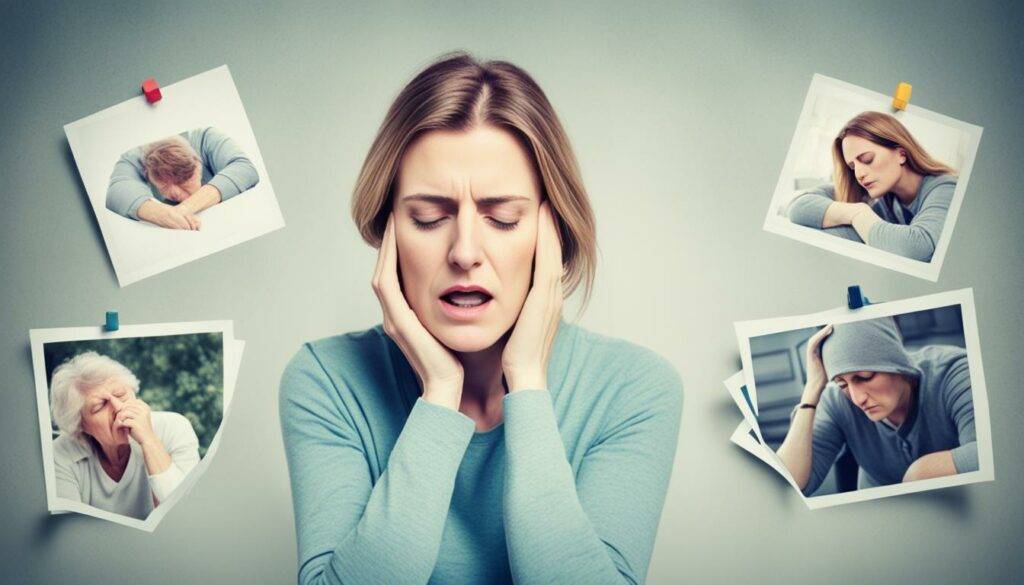
It's very important to know how to recognize the signs of depression. This helps to support those who are going through it. The symptoms can be physical or emotional.
Physical signs include fatigue, sleep problems, and loss of appetite. Emotional signs include sadness and despair. These symptoms can be confusing for those unfamiliar with them.
Physical and emotional signs of depression
The symptoms of depression are numerous and affect daily life. The physical signs are:
- Constant fatigue
- Changes in appetite and weight
- Insomnia or hypersomnia
- Headaches and muscle aches
The emotional signs are:
- Feelings of emptiness and despair
- Loss of interest in previously enjoyable activities.
- Recurring negative thoughts
- Irritability or anger
Depression affects people of all ages. It is more common in women and people between 30 and 45 years old 5 6 .
Differentiating normal sadness from depression.
It's important to know the difference between normal sadness and depression. Sadness is normal and passes with time. Depression lasts longer and affects the life of the person who has it.
Seeking professional help is essential. It can bring relief and guidance for treatments such as medication and therapy 7 5 .
How to help someone with depression
Helping someone with depression is a challenge. It's important to be careful and sensitive. Emotional support is essential, as the person may feel alone and misunderstood. A simple act of being there can change their life.
The importance of emotional support.
Offering emotional support means listening and understanding. Words have a great impact. It's important that the person feels accepted. The goal is to acknowledge feelings, not to solve the problem immediately. This strengthens the relationship and increases trust.
Avoid judgments and clichés.
It's crucial not to judge. Phrases like "stay strong" can lessen the person's pain. It's better to be empathetic and allow them to express their feelings without fear of criticism. This creates a safe environment for honest conversations, aiding in their recovery.
https://www.youtube.com/watch?v=YK70q5eys4k
Strategies for coping with depression
It is very important to use various strategies to deal with depression . A good start is to seek professional help . Psychologists and psychiatrists can give good advice for better recovery. Denying the problem can make recovery more difficult .
For those with severe depression, seeking professional help for depression can be a big step toward improvement .
Encouraging the search for professional help
We must be ready to help in times of crisis. Offering a safe space helps the person express their emotions. The CVV (Center for Suicide Prevention) is ready to help by phone, email, and chat, which is very useful.
Reinforcing the practice of physical activities
Exercising for at least 20 minutes a day helps a lot. This increases happiness with hormones like endorphins 9. Participating in support groups and going into nature are also good ideas. They help you feel less lonely and improve your mood 9 .

| Strategy | Benefit |
|---|---|
| Seeking professional help | Proper guidance and emotional support |
| Practice of physical activities | Production of happiness hormones |
| Participation in support groups | A sense of belonging and understanding. |
| Getting closer to nature | Tranquility and contentment |
The role of active listening
When someone is dealing with depression, active listening is crucial. It creates an environment of trust, allowing the person to share their emotions without fear of being judged. Active listening is very important, but it is often underestimated. <sup>10 </sup>
https://www.youtube.com/watch?v=Dqnw0YulRjo
Practicing empathy
Empathy in depression means validating the other person's pain, recognizing that their feelings are legitimate. Suicide is one of the leading causes of death, affecting one in every 100 people. It is important to be attentive and offer the necessary support. Active listening can improve human relationships, creating a healthier environment.
Supporting those in crisis is very important. Active listening, along with actions against stigma, helps connect those suffering with appropriate treatment 11. This strengthens emotional bonds and helps create a more empathetic and strong society 10 .
The importance of self-care for those who help
Caring for someone with depression is a major emotional challenge. It's crucial that caregivers understand the importance of taking care of themselves. This means understanding their own personal limits when helping someone with depression.
Recognizing one's own limitations
When we help someone in need, we often forget to take care of ourselves. A study by IBOPE showed that only one third of Brazilians take care of themselves.13 It is important to remember that we cannot help others if we do not take care of our own mental and emotional health.
Having good relationships and support networks is good for mental health 14. It's important to seek help and share our difficulties. This helps us recharge our energy and clear our minds. In addition, physical exercise and a healthy diet greatly improve well-being 15 .
Having moments of leisure and relaxation is fundamental for those who help others . This gives us space to rest and recover. Therefore, it is important to establish personal boundaries when helping someone with depression. This makes us better caregivers and healthier.

Arguments about seeking professional treatment
Seeking professional treatment is a crucial step in overcoming depression. A psychologist specializing in depression can help you understand the emotional causes. They also develop strategies for coping with negative feelings. Psychotherapy offers emotional support and helps improve mental health.
Psychologist specializing in depression.
A psychologist specializing in depression understands the complex signs and symptoms. Approximately 50% to 60% of depression cases go undetected by doctors . This expertise is essential because depression affects many areas of people's lives . There are various treatment approaches , such as focused therapies and medication.
Treatment for depression and its approaches
Treatment for depression varies from person to person. This requires a careful assessment of individual needs. Currently, there are more than 30 types of antidepressants.17 In the first consultation, it is important to take a detailed medical history.16 Practices such as meditation and exercise help maintain emotional balance.18
https://www.youtube.com/watch?v=FLzEOM-T3I0
The impact of social isolation on depression.
Social isolation and depression often combine, creating a vicious cycle. This affects the mental health of many people. The COVID-19 pandemic has worsened this, increasing global anxiety and depression by 25%, according to the WHO. This highlights the importance of maintaining regular support and strengthening social bonds.
Account and regular support
It is essential that friends and family maintain regular contact with those who have depression. Social support can protect against the negative effects of isolation. It helps to reduce feelings of loneliness and symptoms of depression. People who leave home less than once a week have high rates of psychological symptoms, especially women 19 .
Having a routine of daily or weekly contact can greatly improve the well-being of those struggling with these challenges.
Warning signs to watch out for
We must watch out for signs of depression in those who have isolated themselves. Changes in behavior, such as not wanting to leave the house, are important signs. If someone talks about hopelessness or needs professional help, it is crucial to act quickly.
Isolation can greatly increase anxiety and depression, especially in those who are very lonely 19. Recognizing these signs early can prevent the situation from worsening.

| Risk Factors | Psychological Consequences |
|---|---|
| Social Isolation | Increased symptoms of depression and anxiety. |
| Living alone | Feelings of loneliness and hopelessness |
| Fragile economic conditions | Low self-esteem and mental health problems |
| Lack of social support | High risk of self-harm and suicidal behaviors. |
Women were more affected by the pandemic in terms of mental health 20. Recognizing these risk factors is crucial to helping and promoting a supportive environment.
Conclusion
Understanding how to help someone with depression is very important. Around 11.5 million Brazilians suffer from depression . This shows the importance of treatment and emotional support.
Depression can cause many symptoms, both physical and emotional. Therefore, it is essential to have an approach that addresses each person uniquely.
Depression affects everyone, and is often linked to other health problems. Promoting socialization and self-care is important. Encouraging people to seek professional help is also crucial.
When we raise awareness about depression and emotional support, we create an environment that helps people seek help. With understanding and empathy, we can contribute to the recovery and well-being of those affected. <sup>21</sup>
FAQ
What is depression and what are its main symptoms?
Depression is a psychiatric condition that brings a depressed mood and changes the way one lives their daily life. It brings symptoms such as apathy, low self-esteem, fatigue, sleep problems, and loss of interest in things that were previously enjoyed.
How can I help someone who is depressed?
We can help by providing emotional support and encouraging professional treatment. It's important to listen without judgment and accept the person's feelings. Avoid saying things that might lessen their pain.
When should I seek professional help for someone with depression?
Seek help when you notice drastic changes in behavior, expressions of despair, or difficulty doing simple things.
What treatments are available for depression?
Treatment includes therapy, medication, and exercise. Specialized psychologists are very important for recovery.
How important is self-care for those who help someone with depression?
Self-care is crucial for providing effective support. Recognizing our limits and seeking help when needed maintains our mental health. This allows us to help in a more empathetic way.
How can I recognize the warning signs of depression?
Warning signs include changes in behavior, such as isolation, changes in appetite, and difficulty concentrating. Recognizing these signs early helps to act quickly.
Why is emotional support so important for people with depression?
Emotional support is vital because it makes a person feel welcomed and understood. This alleviates the emotional burden and motivates them to seek treatment.
What is active listening and how can I practice it?
Active listening is listening attentively and demonstrating genuine interest. To practice it, avoid interrupting, ask open-ended questions, and reflect on what has been said. This creates a safe environment for expressing emotions.
There is stigma associated with depression, and how can we reduce it?
The stigma still exists and prevents many people from seeking help. To reduce it, we need to demystify depression, promote information, and increase empathy.
Can physical activity really help with depression?
Yes, regular exercise helps with depression. It releases endorphins and serotonin, improving emotional well-being.
🌟 Have you considered seeking a therapist to support your well-being journey?
If this article sparked reflections about positive changes in your life, perhaps now is the ideal time to take the next step. Do you know hypnosis as a therapeutic tool? This approach can be surprisingly effective for various personal challenges.
Special offer: Book a free 20-minute consultation with therapist Fabio Morus and discover how therapy can transform your life.
✨ No commitment — Completely free — 20 minutes that can make a difference
👉 Click here to book your free consultation
Don't postpone your well-being any longer. The first step to change is just one click away.