

Have you ever felt intense fear upon seeing blood? Hemophobia , or fear of blood , is a challenge that affects the quality of life for many. It limits daily activities and causes discomfort in common situations.
This anxiety is real and can stifle your freedom. It makes you avoid even routine situations. But it doesn't have to be this way! In this article, we'll explore the causes and available treatments.
What is hemophobia?
Hemophobia is an excessive fear of blood. It can be caused by injuries or simply by thinking about blood. This fear greatly affects the lives of those who have it. To determine if someone has hemophobia , mental health professionals conduct an evaluation. They look at the individual's history and symptoms.

Definition and Diagnosis
The definition of hemophobia shows that the fear is very intense and irrational. To confirm this, doctors conduct interviews and psychological tests. They check if the symptoms are frequent, long-lasting, and severe.
Common Symptoms
The most common symptoms of hemophobia are:
- Extreme anxiety upon seeing blood.
- Palpitations and rapid heartbeat.
- Excessive sweating.
- In some cases, there may be fainting or a feeling of fainting.
Causes of hemophobia

Hemophobia is a very strong fear of blood. Knowing what causes this condition helps a lot. Often, the fear stems from genes and past experiences.
Genetic Factors
Genes also play an important role. If the family has anxiety disorders, the risk of hemophobia increases. Research shows that heredity can influence the fear of blood .
Past Experiences
Traumatic experiences are also important. Serious injuries or seeing blood in violent situations can cause hemophobia. These memories can cause the fear of blood to grow.
Impacts of hemophobia on daily life

Hemophobia can cause significant challenges in daily life. This fear of blood affects social and professional life. It can also harm mental health. It's important to understand these effects in order to seek help and overcome the condition.
Personal Relationships
Hemophobia can make social relationships difficult. People with this condition may avoid places with blood. This can lead to social isolation.
This isolation can cause family problems. Maintaining friendships can also be difficult. It's crucial that loved ones understand the situation.
Professional Life
At work, hemophobia can cause stress and anxiety. People who work in healthcare may experience difficulties. Situations involving blood can trigger panic attacks.
A supportive work environment helps a lot. It improves the professional's well-being.
Mental health
Hemophobia greatly affects mental health. The intense fear can lead to anxiety or depression. Social isolation worsens these problems.
Seeking professional help is essential. This helps break the vicious cycle and promotes better mental health.
Medical diagnosis of hemophobia

Diagnosing hemophobia is very important. It seeks to understand the intense fear some people have of seeing blood. Mental health professionals use special techniques to help the patient.
Psychological Assessment
Psychological assessment for hemophobia uses various methods. Psychologists conduct interviews to better understand the patient's fear. They observe how the patient behaves and collect important information.
Tests and Interviews
Hemophobia tests help measure a patient's emotional reaction. They can be questionnaires that ask about the fear of seeing blood. Along with interviews, these tests help to better understand the fear and how to treat it.
Available treatments for hemophobia

Overcoming hemophobia can be difficult. However, there are treatments that can be very helpful. Treatments for hemophobia vary, and each person reacts differently to them.
Cognitive-Behavioral Therapy
Cognitive behavioral therapy (CBT) is widely used. It helps to change negative thoughts about the fear of blood. As a result, anxiety decreases and people face their fears more rationally.
Medications
In some cases, medication helps. Anxiolytics can be used to reduce anxiety. This helps the patient feel calmer when facing their fears. Medication should be used under medical supervision.
Exposure Therapy
Exposure therapy helps to confront fear gradually. The patient gets used to the blood. This reduces the fear. Many people manage to overcome their phobias with this therapy.
Strategies for dealing with hemophobia

To overcome hemophobia, it's essential to understand the fears. It's also important to use strategies to control anxiety. Relaxation techniques and breathing exercises are very helpful in this process.
Relaxation Techniques
Relaxation techniques aim to bring calm. This helps to better manage stress. Meditation and guided visualization are examples that can relieve tension.
Practicing these techniques regularly improves mental health. They can be used every day to take care of yourself.
Breathing Exercises
Breathing exercises help reduce anxiety. Practicing conscious breathing helps maintain calm. This is very useful when faced with situations that evoke a fear of blood .
One technique is to breathe in through the nose and exhale through the mouth. This strengthens the emotional response and makes it easier to cope with hemophobia .
Prevention of hemophobia in children
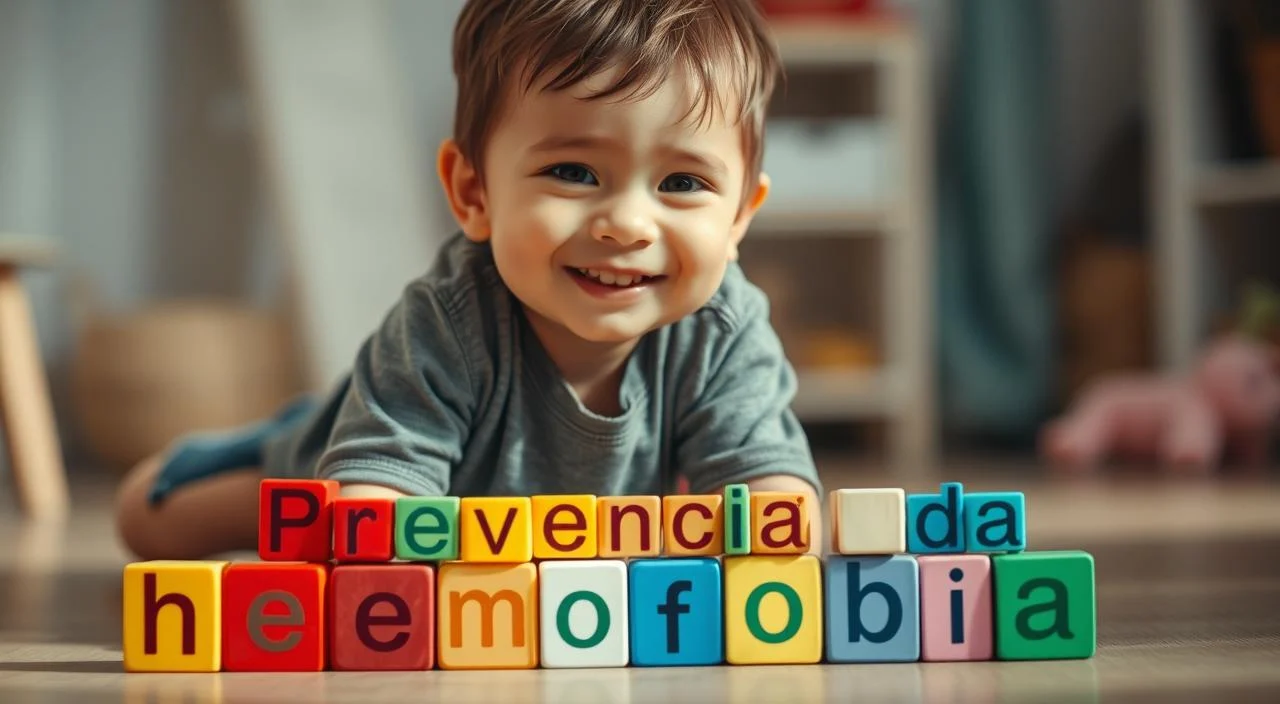
It's possible to start preventing hemophobia early on. This involves emotional education. It's important to give children the tools to understand and manage their emotions.
It is also crucial to combat the stigma surrounding phobias. Creating a safe environment helps children talk about their fears without fear of being judged.
Emotional Education
Emotional education is very important in preventing hemophobia. It helps children understand and cope with feelings such as the fear of blood. Practicing open conversations and engaging in fun activities are good ways to help.
Combating Stigma
It is crucial to combat the stigma of hemophobia in children . This can be done through open conversations. These help to demystify phobias and promote empathy.
Children should know that it's normal to be afraid, and that it's possible to overcome those fears. This helps create strong support within the family and at school.
The influence of culture on hemophobia

Culture and hemophobia are linked. They shape how people view and deal with the fear of blood. The media has a significant influence on this, creating an environment that can reinforce or challenge the stigma of hemophobia.
Representations in the Media
Hemophobia appears in various forms in the media. It can be in movies, TV, or advertisements. Often, blood is shown in a way that increases fear.
How hemophobia is portrayed can change the way people view the fear. It can also affect how those with this phobia see themselves. Without fair representation, stigmas can grow and make it harder to seek help.
Social Stigma
The social stigma of hemophobia can be very strong. People with this fear feel isolated and don't want to talk about it. This exclusion worsens psychological suffering and discourages treatment.
Understanding how culture affects this is crucial. It's important to reduce shame and talk more about hemophobia.
Hemophobia compared to other phobias
Hemophobia is an intense fear of blood. It resembles other phobias, such as arachnophobia and claustrophobia. These similarities are most evident in the available treatments.
Common Differences
Each phobia has its own unique characteristics. However, they all share fear and avoidance. For example:
- Hemophobia is related to blood, while arachnophobia is the fear of spiders.
- Claustrophobia causes fear in enclosed spaces. Hemophobia, on the other hand, can be triggered by images of injuries.
Similarities in Treatments
Treatments for phobias have common points. Cognitive behavioral therapy (CBT) is very helpful. It restructures thoughts and analyzes emotions.
Another common technique is exposure therapy. It helps patients confront their fears in a safe environment.
The role of the family in addressing hemophobia.
Family plays a crucial role in combating hemophobia. It creates a safe space for those struggling with this fear. It's essential that everyone offers support and understanding.
This greatly helps in communicating about phobias. Sharing feelings is crucial to overcoming fear.
Emotional Support
Emotional support from family is essential. Without it, fear and anxiety can grow. It's important to encourage and validate the person's feelings.
This makes her feel safe to talk about her fears.
Open Communication
Openly discussing phobias is an important step. It helps reduce isolation and feelings of vulnerability. It's crucial to do this with empathy and without judgment.
This makes it easier to find treatment and can bring about positive changes.
How to support someone with hemophobia
Helping someone with hemophobia can be difficult, but it's very important. It's necessary to understand and be sensitive to the person. Avoiding situations that increase their fear is an important step.
Furthermore, providing emotional support is crucial. This helps the person feel safer and more supported.
Avoid Triggers
It is essential to avoid situations that could worsen the person's fear. Talking about blood or injuries should be done carefully. A calm environment helps to reduce anxiety.
Offering Comfort and Understanding
Showing empathy is very important. Listen attentively and validate the person's feelings. This shows that you are there to help.
Your willingness to understand the person's struggle is crucial. This helps to lessen feelings of despair.
Resources and psychological support
Seeking psychological help for hemophobia is very important. Online therapy is an easy and accessible option. It allows you to connect with specialists from afar.
Support groups are welcoming places. There, people can share their experiences and find ways to overcome hemophobia.
Online Therapy
Online therapy is very helpful in combating hemophobia. Therapists use techniques such as cognitive behavioral therapy . This helps patients confront their fears.
Having online sessions is very convenient. It makes access to psychological support easier and more popular.
Support Groups
Participating in support groups is essential for those struggling with hemophobia. These groups are safe spaces to talk about emotions and experiences. People feel less alone when they know they are not alone.
Peer support is very valuable. It helps with therapy and reinforces skills for coping with the phobia.
Impact of hemophobia on physical health
Hemophobia affects physical health in incredible ways. Many people are unaware that this phobia can cause strong physical reactions. The body reacts intensely to fear, displaying symptoms that affect physical well-being.
Effects on the Body
The effects of hemophobia on the body include various reactions. For example:
- Tachycardia
- Excessive sweating
- Muscle tension
- Breathing difficulties
- Nausea
These symptoms are part of the fight-or-flight response. While useful in dangerous situations, irrational fears are detrimental. These signals can consume a lot of energy and cause serious health problems.
Relationship with Stress
Stress and hemophobia are intricately linked. Chronic stress, due to hemophobia, can cause sleep problems and weaken the immune system. This makes the individual more susceptible to physical illnesses and emotional problems.

Stories of overcoming hemophobia
Overcoming hemophobia is a great challenge. But many people have managed to do it. Their stories are full of determination and hope.
They share how seeking professional help and emotional support changed their lives. This shows that it is possible to overcome fear.
Inspiring Testimonials
Many people share their stories of overcoming adversity. They tell how they faced their fears with courage.
For many, cognitive behavioral therapy was essential. It changed how they view blood. This opened up new ways of coping with anxiety.
Others highlight the support of their family. They created a safe environment to face the difficulties. This was very important to them.
Support Resources
There are many resources available for people with hemophobia. Group therapy, individual sessions, and educational materials are some examples.
Support groups are very valuable. There, people find understanding and empathy.
Online resources are also helpful. They allow you to deal with the problem discreetly. Sharing experiences in these places greatly helps in the journey of overcoming it.
Future Research on Hemophobia
Future research on hemophobia shows a promising future. It will help create better treatments. This will change the lives of people with hemophobia for the better.
New Therapeutic Approaches
Recent studies focus on new techniques. Virtual therapy is gaining prominence. It allows patients to confront their fears safely.
Furthermore, neuroscience is being explored. It seeks to change how people react to fear.
Pioneering Studies
Pioneering studies show that mixing old and new therapies works. Cognitive-behavioral therapy and mindfulness are yielding good results. This research on phobia treatment helps create personalized treatments.
Conclusion: Living without fear of hemophobia
Living without fear of hemophobia is possible. The first step is understanding that fear is natural. With treatment, such as therapy and social support, you can regain control of your life.
It's crucial to know that change is possible. There are many resources available to help.
Paths to a Full Life
Overcoming hemophobia requires more than just confronting the fear. It's important to take care of your mental and emotional health. Relaxation techniques and breathing exercises are very helpful.
It's also essential to have good support. This could be family or support groups. They are a great help on the journey of overcoming fear.
In short, the key to overcoming hemophobia is facing challenges and seeking help. By taking care of yourself, you can create a new story. A story of freedom and peace. The transformation begins now, and the first steps can lead to a better life.
🌟 Have you considered seeking a therapist to support your well-being journey?
If this article sparked reflections about positive changes in your life, perhaps now is the ideal time to take the next step. Do you know hypnosis as a therapeutic tool? This approach can be surprisingly effective for various personal challenges.
Special offer: Book a free 20-minute consultation with therapist Fabio Morus and discover how therapy can transform your life.
✨ No commitment — Completely free — 20 minutes that can make a difference
👉 Click here to book your free consultation
Don't postpone your well-being any longer. The first step to change is just one click away.