

Introduction
Online psychological therapy has grown significantly in Brazil and worldwide, especially with technological advancements and the need for safe and accessible alternatives for mental health. This therapy model offers flexibility for both psychologists and patients, but requires specific precautions to ensure quality, ethics, and safety.
This guide was created to provide practical guidance for psychology professionals and patients seeking to take advantage of the benefits of virtual therapy. From regulations to best practices, here you will find everything you need to conduct or participate in online psychotherapy with confidence. See our Guidelines for Online Psychology Therapy.
What is online psychological therapy?
Concept and Definition
Online psychological care refers to the practice of psychotherapy conducted remotely, using technological tools such as video conferencing. In Brazil, this modality is regulated by CFP Resolution No. 11/2018 , which defines the ethical and legal parameters for psychologists to provide services remotely.
Benefits of Online Psychological Counseling
Among the main benefits are:
- Accessibility: Patients in remote locations can have access to psychological care.
- Flexibility: Psychologists and patients can schedule sessions more easily.
- Comfort: The possibility of conducting therapy at home reduces logistical and emotional barriers.
Limitations and Challenges
Although advantageous, online customer service presents challenges, such as:
- Difficulties in non-face-to-face interaction, which can affect the reading of body language.
- Technical issues, such as internet connection failures.
- Concerns about the privacy and security of shared data.
Requirements for Psychologists to Offer Online Therapy
Registration and Authorization from the CFP (Federal Council of Psychology)
To provide online therapy, psychologists must register on the e-psi platform of the Federal Council of Psychology. This registration is mandatory and serves to monitor and regulate the practice, ensuring that professionals follow ethical guidelines.
Recommended Tools and Platforms
Choosing a secure platform is essential to protect patient confidentiality. Examples of recommended platforms include:
- Zoom: Offers encryption and advanced security settings.
- Google Meet: Easy to use and with good privacy options.
- Doxy.me: Developed especially for healthcare professionals.
Workspace Suitability
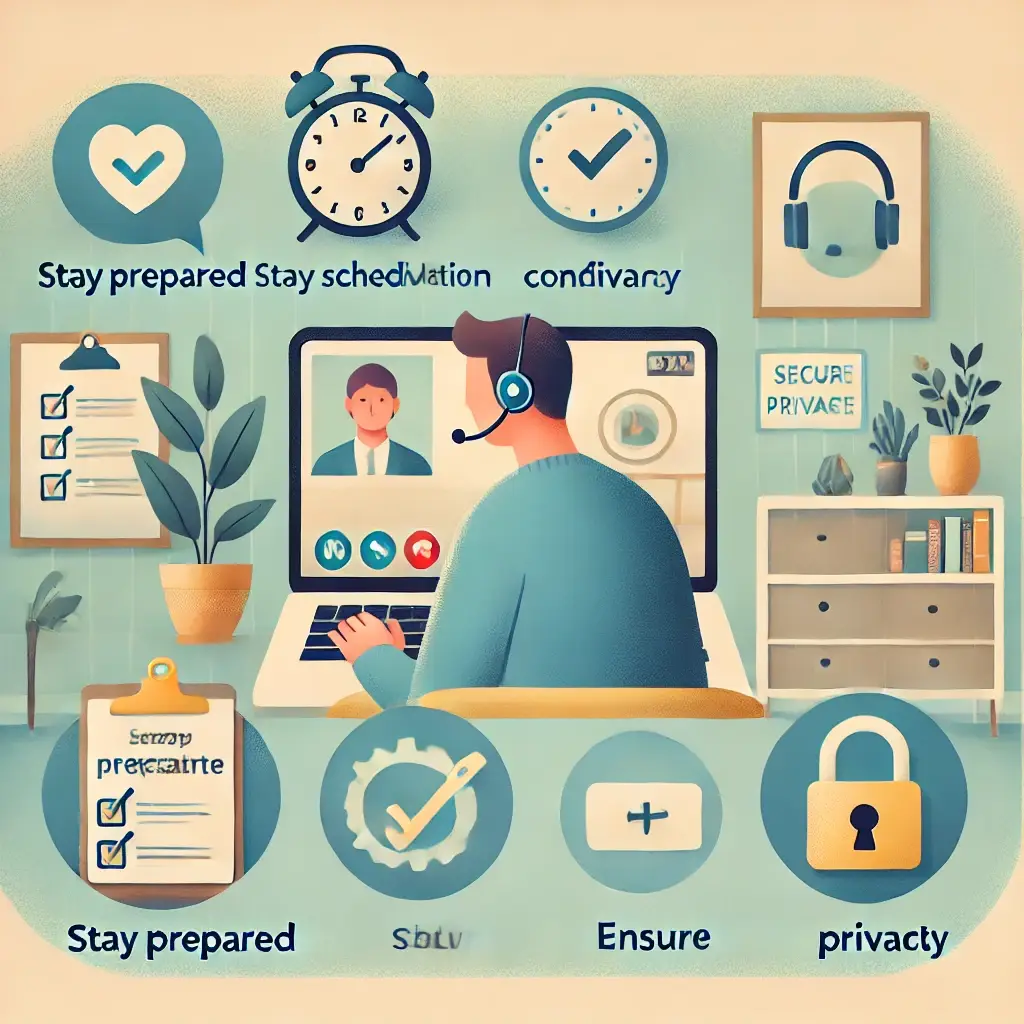
It is essential that the psychologist prepares a suitable environment for conducting online consultations. This includes:
- A quiet space, free from noise or interruptions.
- Good lighting and professional camera framing.
- Equipment such as headphones and a stable internet connection.
Ethical Practices and Confidentiality in Guidelines for Online Psychology Services
Codes of Ethics in Virtual Customer Service
Psychologists who offer online therapy must follow the same ethical principles applied to in-person psychotherapy. This includes respecting client autonomy, ensuring confidentiality, and acting within their technical competencies.
Resolution CFP No. 11/2018 emphasizes that professionals must ensure the quality of service, even in a virtual environment, guaranteeing that the technical and ethical conditions are aligned with the Council's standards.
Privacy and Data Protection Guarantee
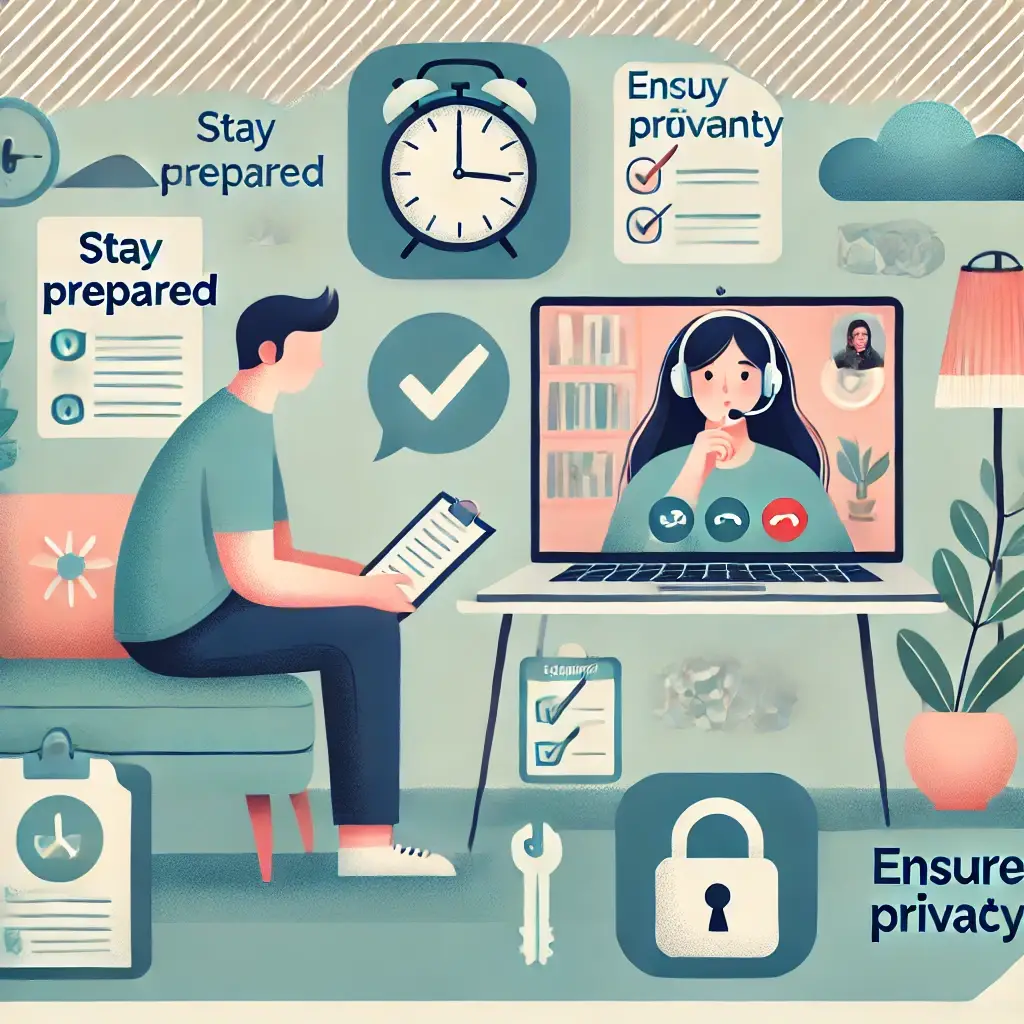
With the implementation of the General Data Protection Law (LGPD) , psychologists must adopt rigorous measures to protect the sensitive information of their patients. This includes:
- Use platforms with end-to-end encryption.
- Avoid storing data on shared devices.
- Implement clear terms of use for personal data consent.
Informed Consent in Online Care
Informed consent is a fundamental pillar in psychological practice. In the online context, it is essential to draft a clear and objective document, including:
- Description of the therapeutic approach.
- Information about the limitations and risks of online therapy.
- Clarifications regarding confidentiality and the use of digital platforms.
This document must be sent, read, and signed electronically before the start of the service.
Tips for Effective Online Psychotherapy
Building Rapport in a Virtual Environment
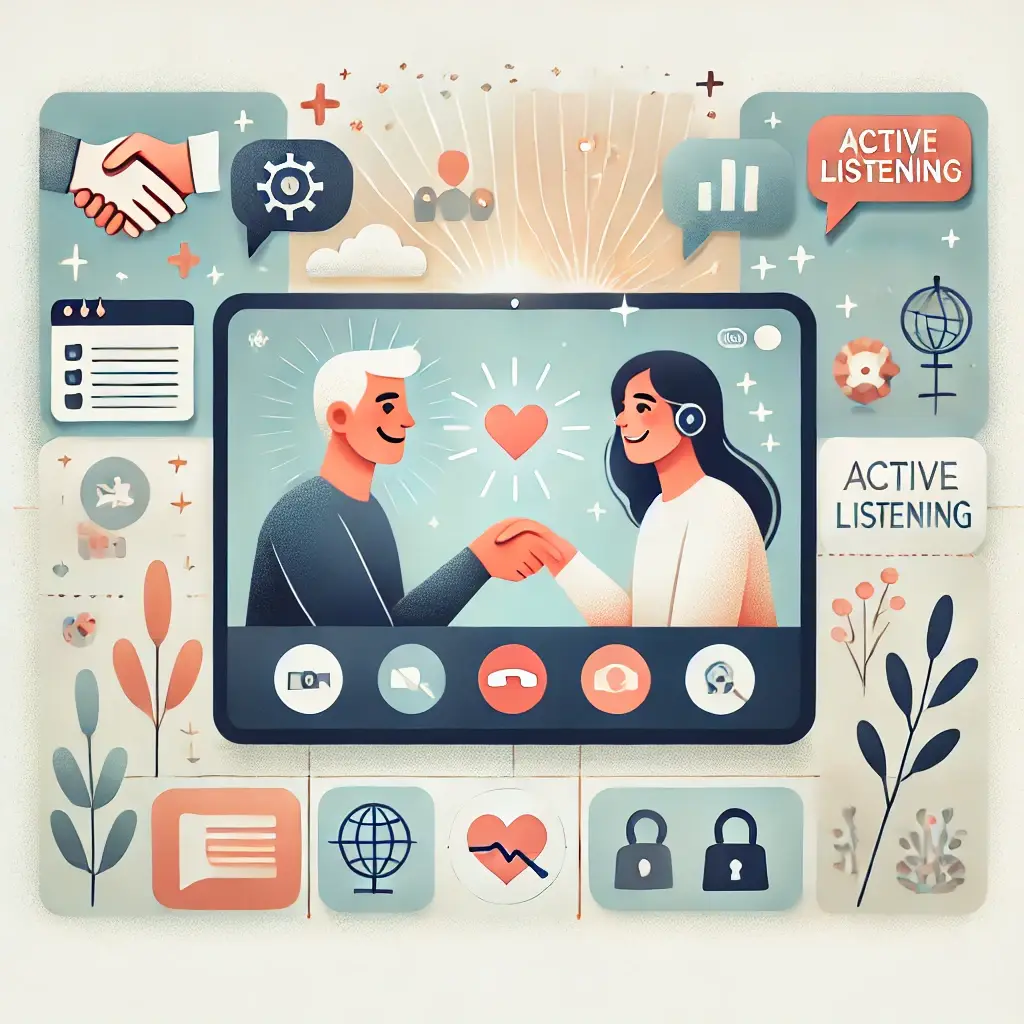
Establishing a connection with the customer in the virtual environment can be challenging, but it is possible with certain strategies:
- Adopt a welcoming attitude and show empathy from the start.
- Use the camera whenever possible, ensuring proper eye contact.
- Listen actively, confirming that you understand the points raised by the client.
Interruption and Technical Problem Management
Unexpected events such as dropped connections or external noise can occur. To deal with these situations:
- Establish a contingency plan with the patient, such as resuming the session by phone.
- Ensure your internet connection is stable before the sessions.
- Inform the customer about what to do in case of interruptions.
Adapted Techniques for Online Customer Service
Not all techniques applied in person are ideal for the virtual environment. Approaches such as Cognitive Behavioral Therapy (CBT) have proven effective on digital platforms. Other adaptations include:
- Use of tasks and records in electronic format.
- Sharing materials such as PDFs and videos during the sessions.
- Exploring mindfulness exercises that can be guided remotely.
Guidelines for Patients in Online Therapy
Preparing the Personal Environment
For online care to be productive, it is essential that the patient also prepares a suitable environment, ensuring:
- A private place where you won't be interrupted.
- A stable internet connection and a functional device.
- Reducing distractions, such as turning off notifications and silencing other devices.
Communication with the Psychologist
A healthy therapeutic relationship depends on transparency and communication. During online sessions, patients should:
- Report any technical difficulties that may interfere with therapy.
- Expressing doubts about the therapeutic process or the online format.
- Being honest about the challenges faced outside of sessions.
Monitoring the Therapeutic Process
Even in a virtual environment, it's important for the patient to monitor their therapeutic progress. Some suggestions include:
- Keep a progress journal between sessions.
- Review the main points discussed with the psychologist.
- Evaluate how the tools and techniques applied are helping you in your daily life.
Key Mistakes to Avoid in Online Psychology Therapy
Use of Insecure Platforms
One of the most common mistakes in online healthcare is using platforms that don't offer sufficient security features. Avoid tools that lack data encryption or that aren't recommended by reputable healthcare or technology organizations. Always prioritize patient safety and privacy.
Lack of clarity regarding fees and payment methods.
Communication regarding fees and payment methods should be clear from the outset. Psychologists should establish and explain the financial conditions, such as:
- Session fees.
- Payment options (bank transfers, Pix, credit cards).
- Cancellation or rescheduling policy.
This transparency helps to avoid misunderstandings and strengthens the relationship of trust with the patient.
Negligence in Documenting Patient Care
Even in an online format, it is essential to maintain detailed records of each session, respecting ethical standards and the LGPD (Brazilian General Data Protection Law). These records should include:
- Date and time of the session.
- Key points discussed.
- Interventions performed and necessary referrals.
Using management software can make organizing these documents easier and ensure greater security.
Tools and Additional Resources for Psychologists
Patient Management Software
Specialized software can help psychologists manage their patients' information securely and efficiently. Some options include:
- PsychoManager: Focused on organizing schedules, patient records, and payments.
- Zenklub: A platform that connects psychologists and patients, with integrated management tools.
- TheraPlatform: A complete solution for online therapy, with video conferencing and data logging capabilities.
Courses and Training in Online Customer Service
To improve their practices in the digital environment, psychologists can seek specific courses on online therapy. Some suggestions include:
- Training programs promoted by Regional Psychology Councils.
- Online therapy workshops offered by reputable institutions.
- Courses on data protection and LGPD (Brazilian General Data Protection Law) aimed at healthcare professionals.
Resources to Improve Session Quality
In addition to software and courses, it is helpful to explore tools that improve interaction with patients, such as:
- Sending digital materials, such as e-books and practical guides.
- Use of meditation or emotional log apps (e.g., Calm, MoodTracker).
- Secure sharing platforms, such as Google Drive, with restricted access.
Conclusion
Online psychological therapy is a constantly evolving practice that demands technical, ethical, and practical preparation from professionals. By following the guidelines presented in this guide, psychologists and patients can make the most of the benefits of this therapeutic modality, while ensuring safety and effectiveness.
Whether it's enhancing the therapeutic relationship, ensuring privacy, or adapting techniques to the digital environment, online therapy represents a valuable opportunity to expand the reach of psychology and offer support to those who need it, wherever they are.
Now that you know the best practices for online psychological care, you are ready to put them into practice or find the ideal professional to begin your therapeutic journey.
Simple Practices to Reduce Anxiety
- Conscious breathing: Inhale counting to 4, hold for 4, and exhale for 4. It's magic!
- Physical exercise: Get moving! Walking or yoga can help relieve tension.
- Digital disconnection: How about taking a break from social media and focusing on the present?
- Establish a routine: Organizing your day reduces that feeling of chaos.
- Seeking help: Therapy is a compass to finding balance.
Why is Seeking a Therapist Important?
It's like having a guide on an unfamiliar trail. A therapist can help you better understand your feelings, find practical solutions, and develop a more balanced life. Asking for help is not a sign of weakness; on the contrary, it's an act of courage and self-care.
Sometimes, dealing with anxiety alone feels like a labyrinth with no way out. A therapist can be the guide you need to transform the burden into learning and reclaim the lightness of living. It's not a sign of weakness, it's an act of courage and self-care.
A Path to Inner Peace
Dealing with anxiety isn't easy, but it's possible. You're not alone on this journey. How about taking the first step?
Learning to control your anxiety is possible, and you deserve that peace.
Start taking care of your mental health now and discover a new way of living.
Click here to schedule a free 20-minute session with Fabio Morus Therapist .
🌟 Have you considered seeking a therapist to support your well-being journey?
If this article sparked reflections about positive changes in your life, perhaps now is the ideal time to take the next step. Do you know hypnosis as a therapeutic tool? This approach can be surprisingly effective for various personal challenges.
Special offer: Book a free 20-minute consultation with therapist Fabio Morus and discover how therapy can transform your life.
✨ No commitment — Completely free — 20 minutes that can make a difference
👉 Click here to book your free consultation
Don't postpone your well-being any longer. The first step to change is just one click away.