


Most people with functional neurological disorder (FND) say the same thing: the symptoms started during a stressful period. Not after a physical injury. Not after an infection. After pressure, loss, conflict, or burnout.
This is not a coincidence. Stress and FND are deeply connected. Understanding that connection is the first step toward managing symptoms more effectively.
What Is the Link Between FND and Stress?
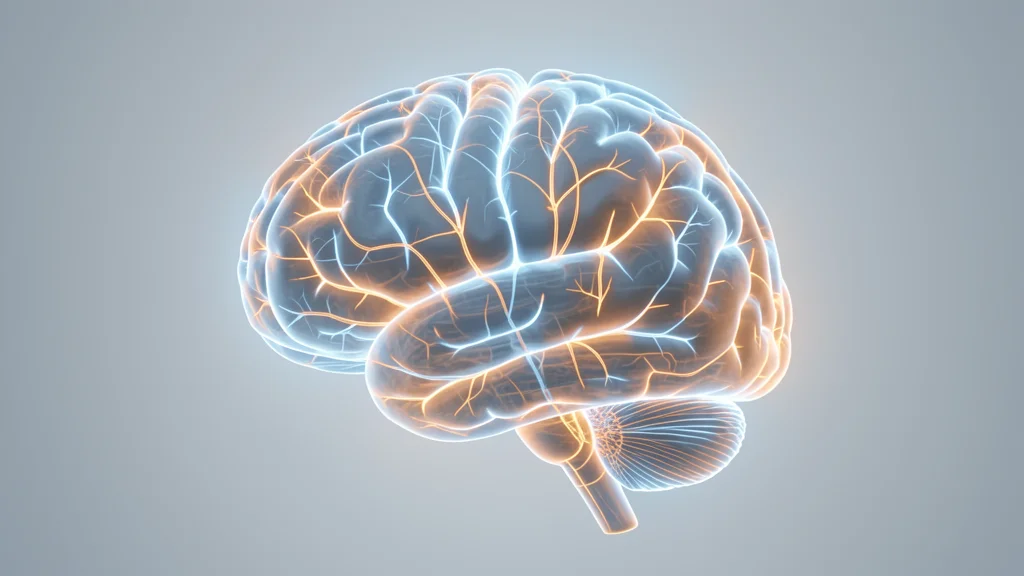
FND happens when the brain produces real neurological symptoms — tremors, weakness, seizures, dizziness — without structural damage. The brain is functioning, but not in the way it should.
Stress changes how the brain processes signals. When the nervous system is overloaded, it starts to misinterpret normal sensations as threats. That misinterpretation can show up as physical symptoms.
Research from neurosymptoms.org and clinical studies consistently show that stress is one of the most reported triggers for FND onset and flare-ups.
Why Does Stress Trigger FND Symptoms?

The nervous system has two main modes: calm and alert. In a healthy state, it switches between them smoothly. Under chronic stress, it gets stuck in alert mode.
When that happens:
- Muscle tension increases
- Breathing becomes shallow
- The body stays ready to react, even when there is no danger
- The brain starts to “shortcut” normal pathways
These shortcuts can produce functional symptoms. A functional seizure, for example, looks like epilepsy but has no electrical abnormality. A functional tremor looks like Parkinson’s but has no degenerative cause.
The symptoms are real. The mechanism is different.
Common Stress Triggers for FND
Not all stress is obvious. Some of the most common triggers include:
- Work pressure or burnout
- Relationship conflict or breakup
- Bereavement or loss
- Financial insecurity
- Health anxiety or previous medical trauma
- Perfectionism and high self-expectations
Sometimes the trigger is a single event. Other times it is years of accumulated pressure with no release.
Can Reducing Stress Improve FND Symptoms?

Yes. Not instantly, and not for everyone in the same way. But calming the nervous system is one of the most effective approaches to FND management.
What helps:
- Regulating the nervous system through breathwork, grounding, and somatic techniques
- Processing unresolved stress or trauma with therapy such as EMDR or clinical hypnotherapy
- Reducing hypervigilance by understanding that symptoms are not dangerous
- Building predictable routines that signal safety to the body
The goal is not to eliminate all stress. That is impossible. The goal is to help the nervous system recover between stressful moments.
What Does Not Help
- Telling someone to “just relax” — the nervous system does not respond to commands
- Ignoring the stress and focusing only on the physical symptom
- Assuming the problem is purely psychological without addressing the neurological reality
FND is not imagined. The symptoms are real, and the stress connection is biological, not imaginary.
When to Seek Professional Support

If stress is making your FND symptoms worse, or if you suspect stress might be the underlying trigger, working with a therapist who understands both FND and nervous system regulation can make a significant difference.
Look for someone who:
- Understands FND as a real neurological condition
- Has experience with stress-related symptom management
- Offers techniques such as clinical hypnotherapy, EMDR, or somatic therapy
- Works online if local options are limited
Frequently Asked Questions
Can stress alone cause FND?
Stress is a major trigger, but FND usually develops from a combination of factors including predisposition, past experiences, and current pressure. Stress is rarely the only cause.
Will my symptoms go away if I reduce stress?
Many people see significant improvement when they address the underlying stress and regulate their nervous system. Recovery is possible, though it takes time and the right approach.
Is FND just anxiety?
No. Anxiety and FND can overlap, but FND produces distinct neurological symptoms such as functional seizures, tremor, or weakness. The conditions are different, even if stress plays a role in both.
What therapy works best for stress-related FND?
Clinical hypnotherapy, EMDR, and CBT have all shown positive results. The best choice depends on the individual, their history, and their specific symptoms.
Conclusion
Stress does not cause FND in a simple way. But it is one of the most powerful triggers and one of the most important areas to address. When the nervous system is given the right support, symptoms often improve. The brain can learn new patterns. Recovery is possible.
Fábio Morus is a clinical hypnotherapist and psychotherapist based in Jersey, Channel Islands. He works with people experiencing FND, anxiety, and stress-related conditions, both in person and online.