


Have you ever postponed important exams or treatments because of a fear of injections? Trypanophobia can be a major challenge. It prevents many people from taking good care of their health.
Fear of injections affects thousands of Brazilians. Approximately 10% of the world's population has a phobia, including fear of injections.
Good news! There are practical strategies to overcome the fear of vaccines and medical procedures. This article will show you 7 powerful techniques to change your experience with injections.
Our goal is to provide a complete guide to overcoming the fear of injections (fear of injections) . Each tip has been chosen to help those who have this common fear.
Get ready for a journey of overcoming challenges and self-care. Let's learn together how to deal with trypanophobia safely and effectively!
What is fear of injections (phobia) and what are its characteristics?
The fear of needles , also called trypanophobia , is a complex psychological condition. It affects thousands of people. It is an intense and irrational anxiety that arises with sharp objects, especially needles.
Differences between aichmophobia and trypanophobia
There are two major phobias related to the fear of sharp objects:
- Aichmophobia : Fear of sharp objects in general.
- Trypanophobia : A specific fear of needles and injections.
Prevalence of fear of needles in the population
Studies show that 10 out of every 100 people are afraid of needles . This phobia can vary greatly, affecting people of all ages.
| Feature | Details |
|---|---|
| Prevalence | 10% of the population |
| Groups most affected | Sensitive children and adults |
| Impact | It can limit medical care. |
Main triggers and triggering situations
Triggers for fear of needles include:
- Seeing sharp objects
- Being in medical environments
- Waiting for procedures involving injections
- Traumatic experiences from the past
A fear of needles can cause weakness, dizziness, and fainting. This is the body's response to situations of great distress.
Origins and causes of fear of injections

Understanding the fear of injections helps to understand why it exists. This fear comes from various sources. It is linked to personal experiences and how our bodies react to the world.
Exploring the Psychological Roots
Childhood trauma plays a significant role in the fear of injections. Bad medical experiences in youth can leave lasting scars, potentially persisting into adulthood.
- Memories of traumatic medical procedures
- Negative narratives about injections transmitted by family members
- Increased sensitivity to pain during childhood
Evolutionary Perspective on Fear
The fear of needles may have originated as an ancient protective mechanism. Our ancestors avoided sharp objects to prevent injury. This aided in their survival.
- Defense mechanism against piercing objects
- Instinctive self-protective response
- Genetic memory of potential threats
One in ten people has aichmophobia . This shows that fear of injections is common. Culture, personal experiences, and genetics influence this phobia.
Understanding the fear of injections helps to overcome it. This can change the fear experience into something more manageable.
Physical and emotional symptoms of needle phobia
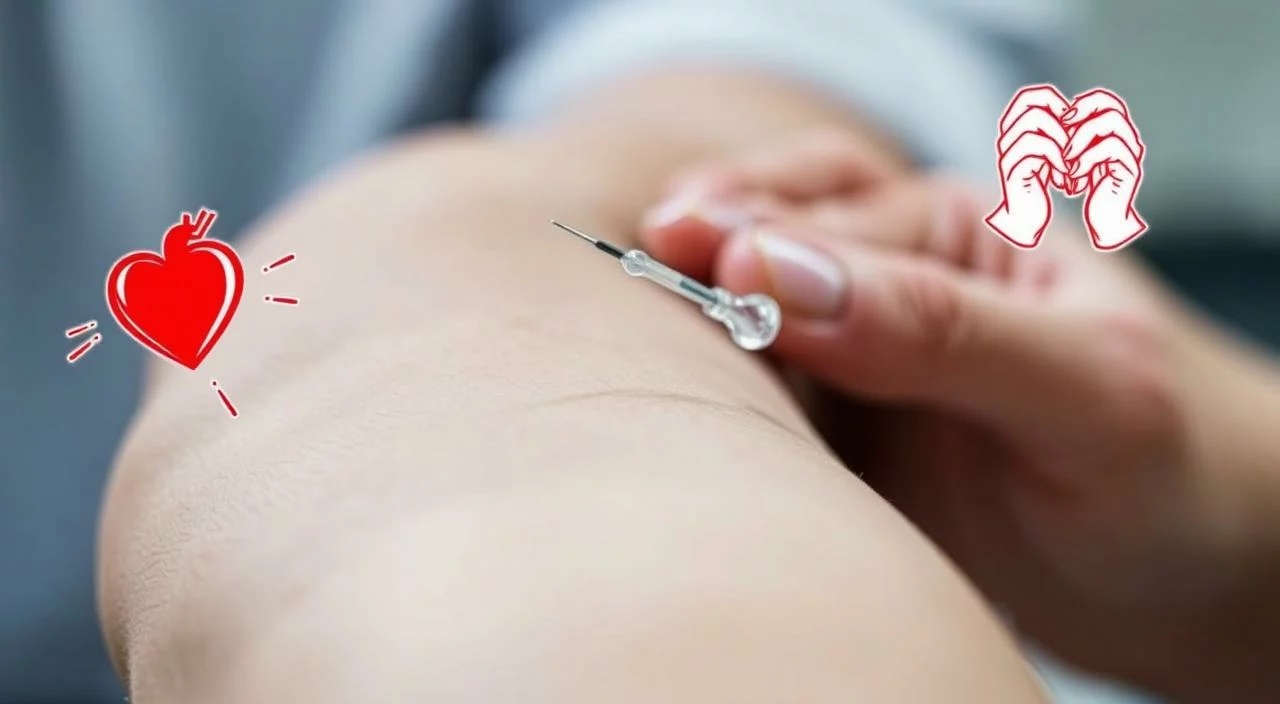
Needle phobia brings many symptoms that greatly affect people's lives. About 10% of the world has this fear. They experience various physical and emotional effects.
Common Physical Manifestations
Symptoms of needle phobia include several strong physical reactions :
- Rapid tachycardia
- Excessive sweating
- Involuntary tremors
- Dizziness and imbalance
- Possibility of fainting
Psychological and Behavioral Reactions
Anxiety stemming from a fear of needles causes many strong emotional reactions:
- Intense panic attacks
- Persistent irrational fear
- Avoidance behaviors
- Feeling of helplessness
When Symptoms Become Worrying
Symptoms of needle phobia require attention when:
- They significantly interfere with the daily routine.
- They prevent essential medical procedures from being carried out.
- They cause social isolation.
- They cause prolonged emotional suffering.
It is recommended to seek professional help when anxiety symptoms and physical reactions compromise quality of life and personal well-being.
Impact on health and quality of life
Fear of needles greatly affects people's health and lives. This phobia is not just a discomfort; it significantly impacts physical and emotional well-being.
The consequences of fear of injections are very bad. Many people don't get important medical checkups. This can delay diagnosis and treatment.
- Postponement of blood tests
- Refusal of important vaccinations
- Neglecting regular medical check-ups
The impact on health manifests in several ways. The vasovagal response can last up to two days. This causes significant fatigue and weakness.
| Physical Consequences | Emotional Consequences |
|---|---|
| Hemodynamic changes | Generalized anxiety |
| Unregulated blood pressure | Social isolation |
| Physiological instability | Depressive symptoms |
According to the World Health Organization, 9.3% of Brazilians have anxiety disorders. This highlights the importance of treating phobias such as fear of injections.
Life can become very difficult for someone with this phobia. It is essential that healthcare professionals help these people.
Fear of injections (phobia): psychological aspects

The fear of injections is much more than a simple reaction. Understanding what happens inside us can help overcome this fear.
Mechanisms of fear and anxiety
The nervous system plays a crucial role in the fear of injections. When we see something that scares us, our body reacts in various ways:
- Activation of the sympathetic nervous system
- Release of stress hormones
- Increased heart rate
- Sweating and trembling
Neurological Processing of Phobic Reactions
The fight-or-flight response activates parts of the brain. The anterior cingulate cortex is crucial for processing emotions of fear.
| Brain Region | Function in Phobic Reactions |
|---|---|
| Amygdala | Emotional processing and threat detection |
| Hippocampus | Memory and contextualization of fear |
| Prefrontal Cortex | Emotional regulation and response control |
Understanding these mechanisms helps to better manage the fear of injections. This allows for a more conscious and controlled approach.
Relaxation and self-control techniques

Overcoming the fear of injections requires relaxation techniques . Practicing them regularly helps control emotions. This reduces the anxiety that comes with medical procedures.
- Meditation : A practice that calms the mind and reduces anxiety.
- Yoga : A combination of breathing and physical postures for relaxation.
- Controlled breathing: A technique to calm the nervous system.
- Guided visualization: Imagining tranquil environments
Progressive muscle relaxation is very useful. This technique involves contracting and relaxing the muscles. This helps to release physical tension.
| Technique | Benefits for Self-Control | Practice Time |
|---|---|---|
| Meditation | Reducing anxiety | 10-15 minutes daily |
| Yoga | Emotional balance | 30-45 minutes |
| Deep Breathing | Calming the nervous system | 5-10 minutes |
Practicing these techniques can change your emotional reaction to injections. Start with short sessions. Then, increase the time as you become more comfortable.
Professional treatments available

When the fear of injections becomes very strong, there are treatments that can help. They use various therapies to reduce anxiety. This helps people to face their fear.
Cognitive-Behavioral Therapy
Cognitive behavioral therapy (CBT) is widely used. It helps to change negative thoughts and learn to control emotions. In this way, people learn to cope better with fear.
- Identifying negative thoughts associated with injections
- Modify irrational thought patterns.
- Developing emotional control techniques
- Building healthy coping mechanisms
Systematic Desensitization
Systematic desensitization is also very important. It helps the patient get used to situations that previously frightened them. This is done with the help of relaxation techniques .
The main steps include:
- Learning relaxation techniques
- Creating a hierarchy of fear-generating situations
- Progressive and controlled exposure
- Developing more adaptive coping responses
Studies indicate that 80% of patients with phobias can be cured with psychological treatment . The choice of treatment depends on the severity of the phobia and the individual characteristics of each person.
Practical strategies for dealing with fear.
Overcoming the fear of injections is a major challenge. But with the right strategies, this experience can become easier.
Developing effective techniques helps to reduce anxiety. This makes medical procedures more comfortable.
Breathing Techniques to Calm the Nervous System
Breathing techniques are very powerful. They help control anxiety and calm the nervous system.
- Deep and slow breathing
- Diaphragmatic breathing
- Counting respiratory cycles
- Focus on exhalation.
Distraction Strategies
Distraction is an effective technique for reducing fear. Some options include:
- Listen to music
- Talk to a healthcare professional.
- Using electronic devices
- Practice positive visualization
Gradual Exposure to Fear
Gradual exposure is essential to overcoming fear. Start with small steps:
- Looking at images of needles
- Visiting medical environments
- Talking to healthcare professionals
- Participate in simulation sessions.
Professional Support
Seeking help from a specialized therapist is very important. They offer guidance and techniques to overcome the fear of injections.
| Strategy | Benefits |
|---|---|
| Breathing | It reduces anxiety and controls physical reactions. |
| Distraction | It distracts attention from the procedure. |
| Gradual Exposure | It gradually reduces fear. |
| Therapeutic Support | It offers customized strategies. |
The role of family and professional support.
Family support is very important in overcoming the fear of injections. Close family members create a safe and supportive environment. This is essential for those who have this phobia.
The collaboration between patient, family, and healthcare professionals is fundamental. It helps create essential support for treatment. The support of qualified professionals allows for the creation of personalized coping strategies.
- Empathic understanding of symptoms
- Assistance during medical procedures
- Shared relaxation techniques
- A trustworthy and safe environment.
Healthcare professionals can adjust their approaches to reduce stress. Open and respectful communication is crucial for building trust.
Support groups are safe spaces to share experiences. They help overcome phobias. These communities offer emotional support and practical tips for coping with fear.
The combination of family support , professional help , and therapy can change the life of someone who has a fear of injections.
Conclusion
Overcoming the fear of injections greatly improves life and well-being. Those who have this phobia can change their perspective on medical procedures. This happens with the help of psychological techniques and support from professionals.
Desensitization techniques and cognitive-behavioral therapy are very effective. Around 7% to 10% of people worldwide have strong fears. Knowing you're not alone greatly helps mental health .
Addressing this fear isn't just about overcoming an obstacle. It's about opening doors to important medical care. Seeking professional help and using relaxation techniques are very helpful. This helps people feel safer in healthcare settings.
The path to overcoming fear is personal and takes time. With the right support, it's possible to use fear as an opportunity to grow and get to know yourself better.
How about scheduling a free 20-minute session with Therapist Fabio Morus? He can help you take the first step towards a lighter and more balanced life. Click here to schedule!
Source Links
| Title | Description | Link |
|---|---|---|
| Aichmophobia - Fear of needles and/or injections | Information about aichmophobia, its causes, symptoms, and forms of treatment. | Buzzy Medical |
| Aichmophobia – Wikipedia | Definition of aichmophobia, its characteristics and available treatments. | Wikipedia |
| How to deal with the fear of needles? | Strategies and techniques for overcoming the fear of needles, including recommended therapies. | LabVW |
| Aichmophobia: learn how to deal with the fear of needles. | This article discusses the symptoms of aichmophobia and how to manage this phobia in clinical settings. | State of Minas |
| Aichmophobia: how to overcome the fear of needles! | Tips and strategies for dealing with aichmophobia and improving the experience during medical procedures. | Synlab |
| Fear of needles: understand its causes and how to treat it. | Explanation of the causes of needle phobia and suggestions for treatment. | Marjan |
| Aichmophobia: how to deal with the fear of needles - Santa Clara | Techniques for controlling the fear of needles and the importance of professional support. | Santa Clara Laboratory |
| Afraid of needles? Understand aichmophobia. | Discussion about the origins of the fear of needles and how to overcome it with practical tips. | eCycle |
🌟 Have you considered seeking a therapist to support your well-being journey?
If this article sparked reflections about positive changes in your life, perhaps now is the ideal time to take the next step. Do you know hypnosis as a therapeutic tool? This approach can be surprisingly effective for various personal challenges.
Special offer: Book a free 20-minute consultation with therapist Fabio Morus and discover how therapy can transform your life.
✨ No commitment — Completely free — 20 minutes that can make a difference
👉 Click here to book your free consultation
Don't postpone your well-being any longer. The first step to change is just one click away.