
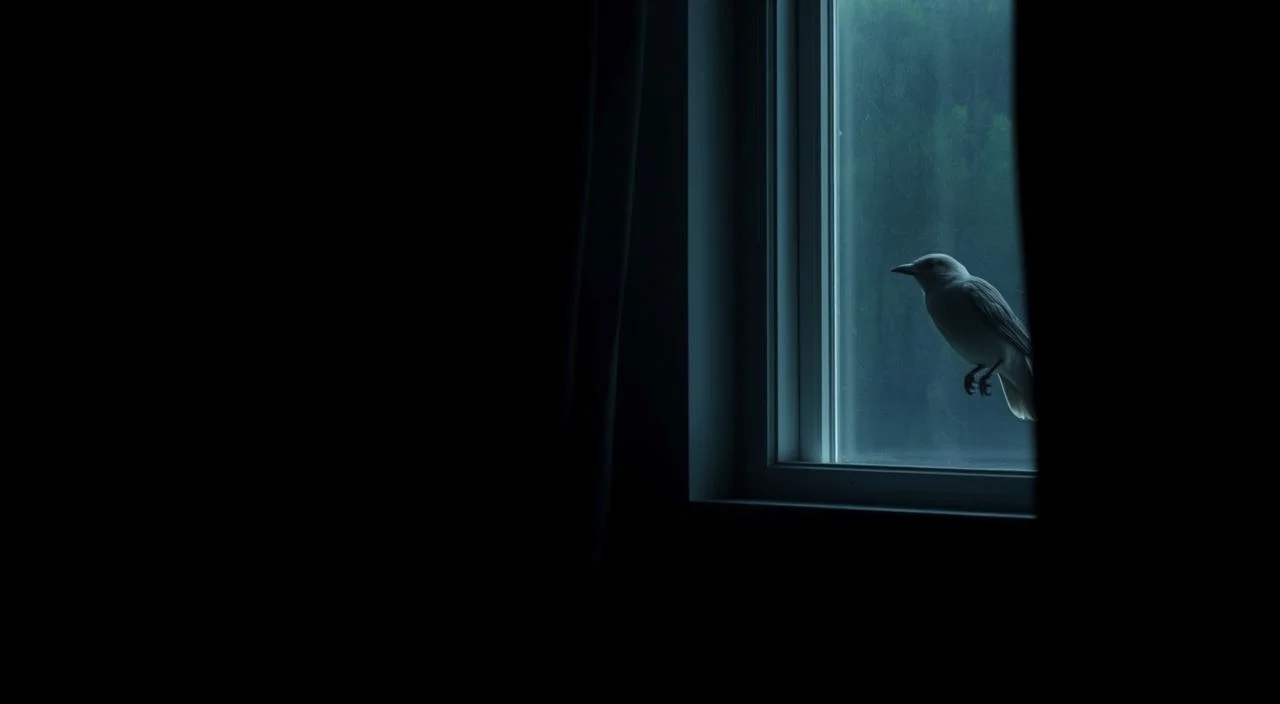

Imagine avoiding parks, gardens, or even your own balcony because of an intense, seemingly inexplicable fear . For many people, the mere sight of a bird—be it a majestic falcon or a tiny parakeet—triggers sweating, rapid heartbeat, and an irresistible urge to flee. This is not a common fear: it's a phobic response that limits routines and steals peace of mind.
Ornithophobia, as this condition is called, goes beyond a passing fright. Fallen feathers on the ground, the flapping of wings near the ear, or the song of a bird can trigger attacks. What many don't know is that this emotional disorder is among the most frequent phobias, affecting even those who consider themselves to have a "normal" life.
But there is hope. Understanding the causes behind this fear is the first step to regaining control. In the following lines, we will explore how to identify the signs and transform your relationship with birds.
Introduction: Understanding Ornithophobia and Its Impacts
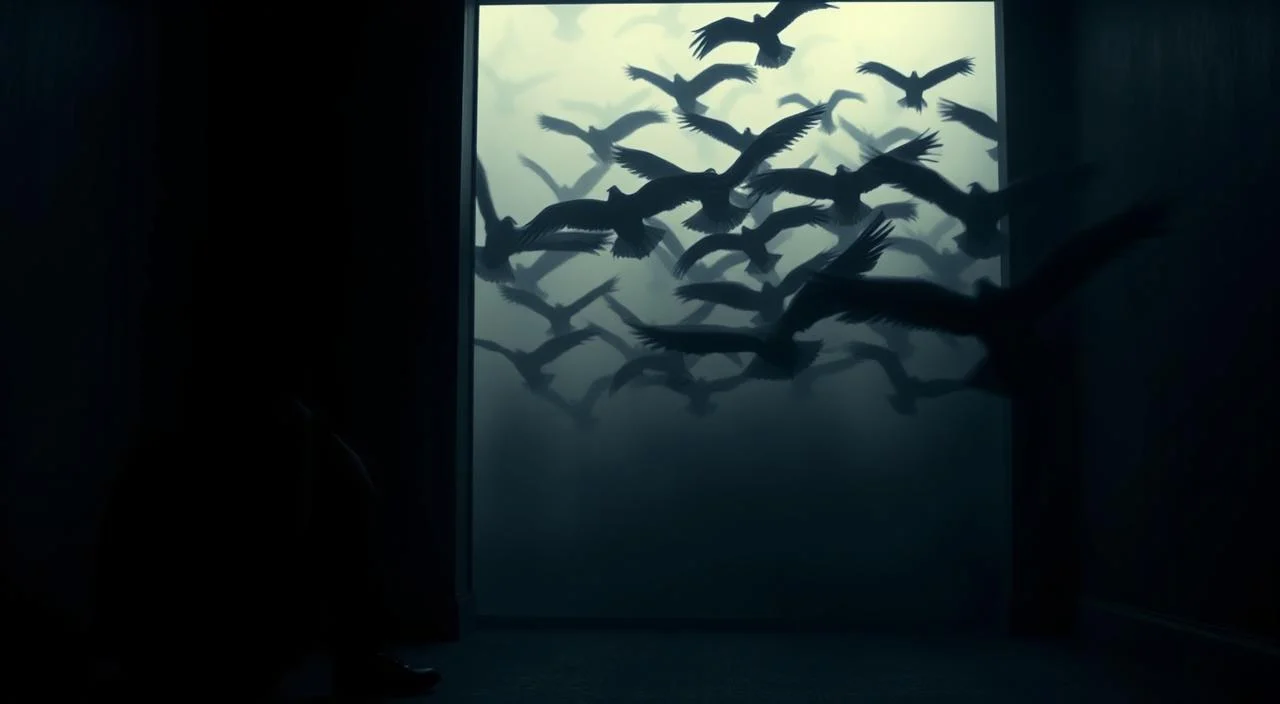
Enjoying nature should be relaxing, but for some, it's a source of panic. What begins as mild discomfort can turn into intense physical reactions—trembling hands, rapid breathing, and catastrophic thoughts. This is the reality for those who live with specific phobias , where the brain interprets everyday situations as imminent threats.
The Mechanism Behind Fear
Phobias function like malfunctioning alarms. While natural fear protects us from real risks—like moving away from a wild animal—the phobic response arises in the face of harmless stimuli. A person may rationally know that a sparrow poses no danger, but their body reacts as if it were facing a predator.
Invisible Effects in Daily Life
Avoiding balconies with bird feeders or crossing the street upon seeing feathers on the ground are common adaptations. For many, even the sound of flapping wings causes immediate anxiety. These behavioral changes, initially subtle, can limit:
- Walks in green areas
- Outdoor activities
- Social interactions in parks
The impact varies — while some experience only temporary discomfort, others develop debilitating crises. Recognizing these patterns is crucial for seeking specialized help and regaining control over one's life .
Fear of birds: Concept and Meanings
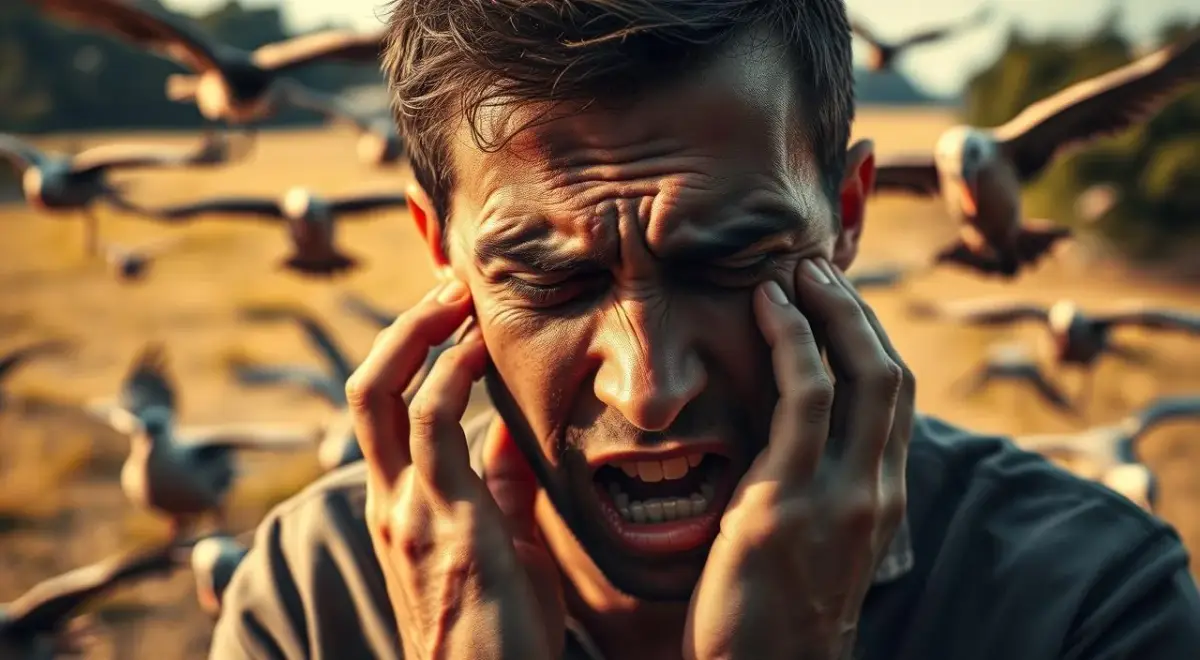
Have you ever wondered why a Greek word defines this specific fear? Ornithophobia — a term that combines "ornithos" (bird) and "phobos" (fear) — describes an intense emotional reaction that goes beyond common discomfort. It's not just about avoiding winged animals, but a physical and psychological response that disrupts routines.
The triggers are surprisingly varied: from direct contact with birds to images in magazines or stories about them. For many, even the sound of wings in videos causes immediate reactions. The body goes into high alert, releasing adrenaline as if there were real danger.
Physical symptoms reveal the intensity of this condition. Tremors in the hands, cold sweats, and a racing heart are common. Some report nausea or difficulty breathing—automatic responses of the nervous system that are independent of willpower.
Interestingly, fear can be selective. While some fear only crows or hawks, others feel panic in the presence of any winged animal. The intensity also varies: from a controllable discomfort to crises that mimic a heart attack.
Understanding these nuances is essential. Each experience is unique, and comparing reactions only increases guilt. The important thing is to recognize when this fear limits freedom and seek strategies to regain emotional balance.
Possible Causes and Related Experiences
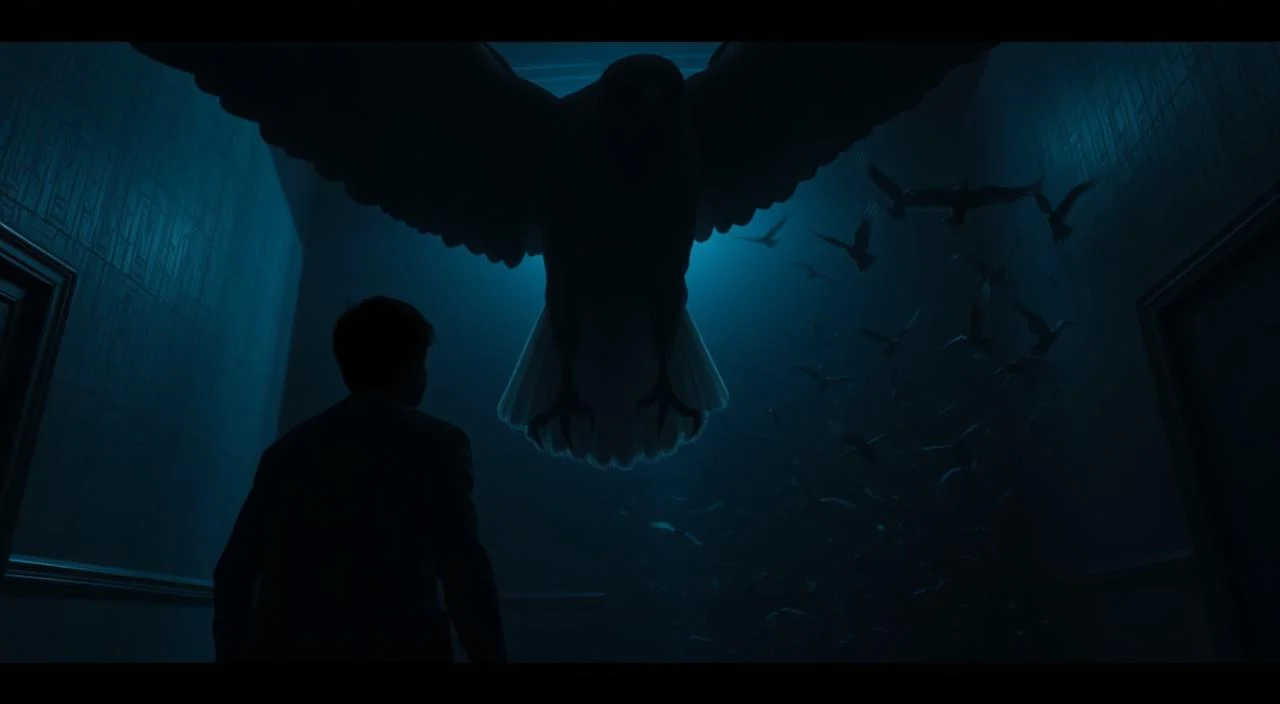
Have you ever noticed how certain fears seem to have invisible roots? Ornithophobia often arises from specific experiences combined with distorted interpretations. Let's explore how memories and misinformation shape this emotional response.
Memories that Shape Reactions
A simple childhood fright—like a pigeon flying close to the face—can create lasting associations. The brain registers the event as a real danger, even years later. Family members who show aversion to birds also have an influence: children absorb these patterns as absolute truths.
| Triggering Factor | Practical Example | Impact on Behavior |
|---|---|---|
| Childhood trauma | Startled by a flock of sparrows | Avoid open spaces |
| Social conditioning | Parents afraid of owls | Anxiety in forests |
| Cultural myths | Belief in "birds of bad luck" | Widespread fear |
| Lack of information | Lack of knowledge about eating habits | Panic upon seeing pecks |
When Fiction Surpasses Reality
Films that portray birds as aggressive or carriers of disease reinforce fears. Many believe that any contact carries risks, ignoring the fact that most species avoid humans. Approaching to pick up crumbs, for example, is seen as a threat—not as natural behavior.
Understanding these origins helps to dismantle patterns. Each negative experience functions as a piece of an emotional puzzle. Identifying them is the first step in rewriting your relationship with the winged world.
Building a Hierarchy of Phobias

Creating a personalized coping strategy begins with self-awareness. Gradual exposure works like an emotional ladder: each step represents a calculated challenge, allowing you to progress at your own pace. The secret is to start with stimuli that generate mild discomfort, not panic.
Progressive development of exposure levels
Your personal checklist should include 8 to 12 steps. Start by identifying bird-related situations that cause varying reactions. An effective hierarchy might include:
- View bird drawings for 2 minutes
- Watch documentaries without sound for a limited time.
- Observing birds through a closed window
Practical examples for identifying triggers.
Use this table as a guide to map out your journey:
| Anxiety Level | Activity | Suggested Time |
|---|---|---|
| Bass (1-3) | Drawing wing shapes | 5 minutes/day |
| Moderate (4-6) | View color photos | 3 sessions per week |
| High (7-10) | Visit the nursery with a guide. | Once every 15 days |
The process requires patience. If you feel intense anxiety, go back to the previous step for a longer period. The key is consistent repetition in controlled environments. Remember: every small step forward strengthens your ability to manage reactions.
Exposure Techniques and Coping Strategies
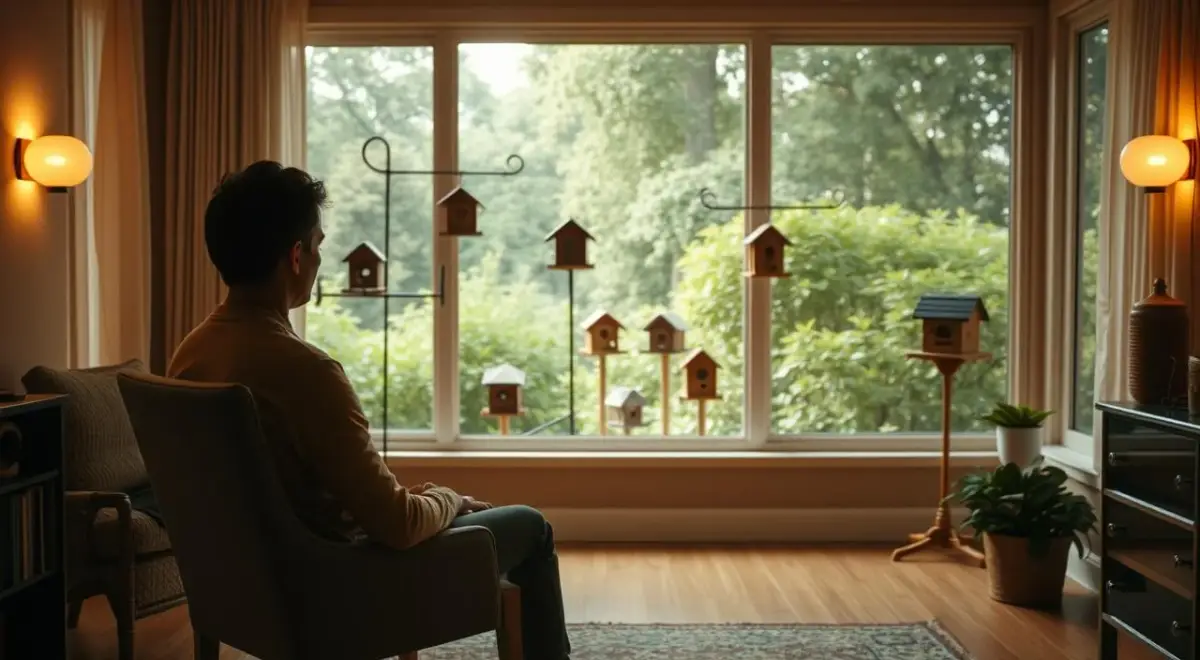
Mastering emotional control requires strategies that respect your own pace. We begin with methods that prepare the mind before real contact, creating a safe bridge between the imaginary and the physical world.
Imaginary exhibition and virtual methods
Close your eyes and visualize a winged animal in detail: the colors of its feathers, the movement of its wings, its surroundings. Describe it aloud in the present tense: "The bird lands on a branch two meters away." This narration activates brain areas similar to the real experience, reducing future impact.
| Level | Activity | Tool |
|---|---|---|
| Beginner | Viewing still images | Black and white photos |
| Intermediary | Audios of natural singing | 30-second recordings |
| Advanced | Videos without close-ups | Edited documentaries |
Procedures for safe in vivo exposures
Before approaching real birds, practice square breathing : inhale for 4 seconds, hold for 4, exhale for 4. Use this technique during exhibitions to stay calm. Start by observing from closed windows, then in parks with a companion.
A practical example of safe progression:
- Days 1-7: Watch live streams from nests
- Days 8-14: Visit pet stores without going inside.
- Day 15+: Feeding pigeons in a square while wearing gloves
Anxiety will gradually decrease if you remain in place while experiencing symptoms. Every minute spent facing the situation reinforces confidence: your brain learns that the danger is not real.
Relaxation and Anxiety Control Methods
Controlling intense reactions requires more than willpower—it demands practical tools. Let's explore strategies that transform crises into opportunities for self-discovery, allowing you to move forward on your journey of overcoming challenges.
Mastering the Body and Mind
Diaphragmatic breathing is your first ally. Inhale deeply through your nose, expanding your abdomen. Hold for 3 seconds and exhale slowly through your mouth. Repeat 5 times whenever you notice physical symptoms such as tremors or sweating.
Combine this with progressive muscle relaxation : tense and release muscle groups for 5 seconds each. Start with your feet, working your way up to your face. This combination reduces tension in 70% of cases, according to studies.
Mapping Your Progress
Create a journal using a scale of 0 to 10. Record challenging situations, rating the discomfort. Patterns will emerge—perhaps mornings in the park generate more anxiety than afternoons. This data guides adjustments in treatment.
Remember: Levels 0-3 are manageable. Above 4, use your techniques immediately. Over time, you will identify the early signs—such as an accelerated heart rate—and act before a crisis occurs.
These tools empower people to transform fear into self-confidence. Each step, however small it may seem, rebuilds the freedom to live without limitations.
🌟 Have you considered seeking a therapist to support your well-being journey?
If this article sparked reflections about positive changes in your life, perhaps now is the ideal time to take the next step. Do you know hypnosis as a therapeutic tool? This approach can be surprisingly effective for various personal challenges.
Special offer: Book a free 20-minute consultation with therapist Fabio Morus and discover how therapy can transform your life.
✨ No commitment — Completely free — 20 minutes that can make a difference
👉 Click here to book your free consultation
Don't postpone your well-being any longer. The first step to change is just one click away.