
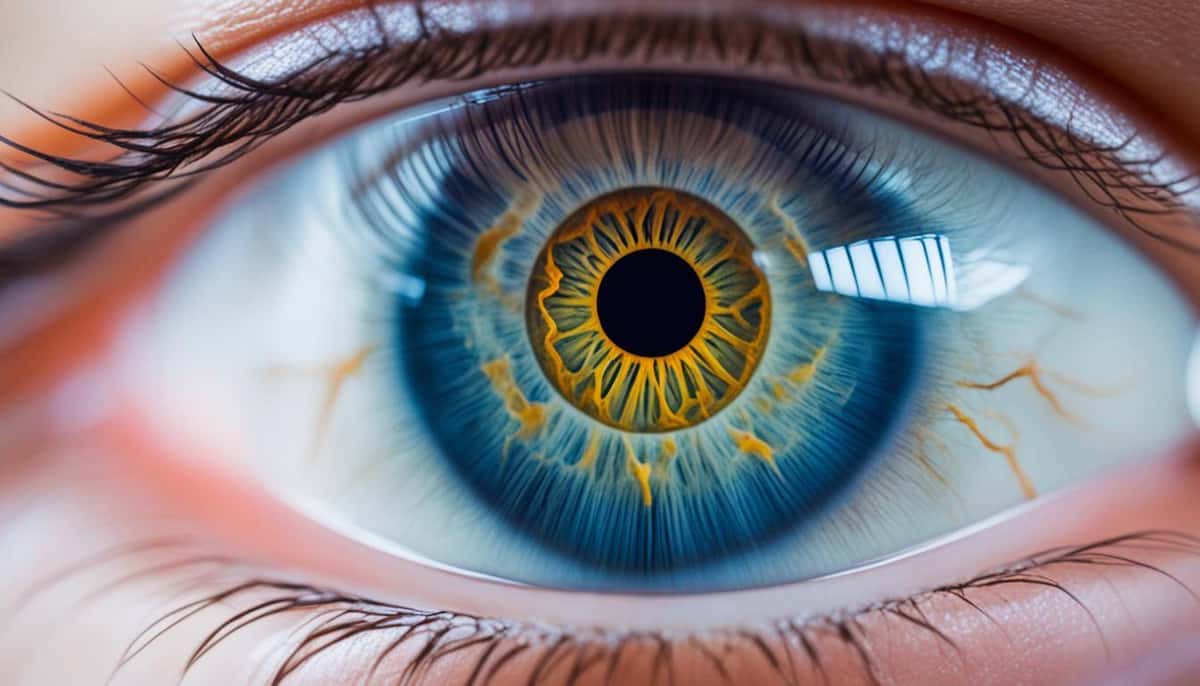

Have you ever wondered why eye twitching occurs when we're stressed or tired? This symptom can be a sign that the body needs care. Let's look at the main causes of eye twitching , such as stress, caffeine, and eye problems. We'll also discuss how to prevent and treat this condition.
We will use information from reliable sources to better understand eye twitching . We will analyze everything from the effects of alcohol to poor sleep and eye spasms. The goal is to find out how to alleviate this problem 1 2 3 .
What is eye twitching?
Eyelid myokymia , or eye twitching , refers to involuntary spasms of the eyelid. It can affect one or both eyes. This condition is harmless and usually resolves without treatment.
Eye twitching symptoms are similar to muscle cramps. They are more common in stressed and tired people. Stress releases hormones that cause involuntary contractions. Excessive screen use also contributes to spasms .
Dry eye syndrome affects older people or those who wear contact lenses more often. Additionally, eye allergies and vision problems, such as myopia and hyperopia, are also linked to eye twitching . Lack of sleep tires the eye muscles, increasing twitching . It's important to watch out for signs of serious problems, such as redness or swelling of the eyelids.
https://www.youtube.com/watch?v=TQv0D1LkA78
What causes eye twitching?
The causes of eye twitching are varied. They range from behavioral factors to medical conditions. Stress is a major culprit, affecting the nervous system and eye muscles. This leads to spasms .
Anxiety can also cause eyelid twitching 5. A lack of important nutrients, such as magnesium , can be another common cause 6 .
Consuming too much coffee and alcohol can increase the risk of tremors. This is because these substances can lead to dehydration and muscle tension. Dry eye syndrome and other eye conditions can also cause spasms .
Sleep problems, such as lack of sleep, can affect the eye muscles. This can lead to more tremors 5 .

Blepharospasm is a rare condition, more common in women. In some cases, it may require medical treatment. Reducing stress, eating well, and getting enough sleep can help prevent these problems.
Excessive stress and eye twitching
Stress is a major culprit in eyelid twitching, affecting approximately 80 % of cases. When we are under pressure, our bodies release hormones that can impact the body's stress levels . This results in involuntary control and spasms in the eyelids . This condition is more common during periods of high emotional stress and difficult situations, affecting our eye health.
Sleeping less than 6 to 8 hours a night can also increase eyelid twitching 8. Eye strain can trigger these spasms. Excessive use of electronic devices and visual overload also contribute to digital eye strain and twitching.
Practicing self-care and adopting healthy habits is crucial. Reducing stress with relaxation techniques and ensuring adequate sleep can decrease stress and eye twitching . Establishing a balanced routine helps maintain our eye health.
https://www.youtube.com/watch?v=Df9TZvZa5Jw
Caffeine and its impact on eye twitching
Caffeine can cause eye twitching, called palpebral myokymia . This occurs when you drink too much coffee. This twitching causes the eye to close involuntarily 10. It is more common in the lower eyelid 11 .
These spasms are usually benign and do not indicate serious illness. But if you experience eye strain, headaches, and eye pain, it is best to seek medical help .
To alleviate the tremor, it's good to drink less coffee and more water 12. Sleeping well, 7 to 8 hours a night, helps prevent fatigue and tremor 12. The tremor can last from a few days to more than a month 11 .
In addition to caffeine, a lack of nutrients such as vitamin B12, magnesium, and potassium can cause spasms 12. Eating well and exercising helps control the effects of caffeine 11 .

Factors related to sleep
Sleep quality is very important for eye health. Without it, eye twitches can worsen. Research shows that poor sleep harms the eyes, increasing the risk of spasms.
When we don't get enough sleep, the eye muscles become tired. This makes them more prone to involuntary contractions. Sleeping well helps prevent problems like myokymia, which causes spasms in the eyelid muscles.
https://www.youtube.com/watch?v=1QAqaHtvCgo
Sleep deprivation not only causes eye muscle twitching , but also increases stress and fatigue. A good night's sleep is crucial to avoid these problems. It's important to adopt healthy habits to improve sleep quality .
| Factors | Impact on eye health |
|---|---|
| Lack of sleep | Increases the risk of eye spasms. |
| Stress | Common cause of eye twitching |
| Excessive caffeine consumption | It can worsen eye spasms. |
| Excessive use of electronic devices | It contributes to eye strain. |
The importance of a balanced diet.
Nutrition is very important for eye health. A balanced diet helps prevent vitamin deficiencies , which can cause eye twitching. Foods like spinach and almonds are good for eye health and can prevent spasms.
Studies indicate that a lack of magnesium can cause eye tremors. This can worsen with stress and fatigue, especially from excessive use of digital devices. Additionally, a lack of vitamin B12 and potassium can weaken muscles, leading to these conditions.

It's crucial to consume foods rich in magnesium . Foods like pumpkin seeds and dark green vegetables improve eye health and reduce tremors. Therefore, it's important to take care of our diet to protect our eyes and avoid vitamin deficiencies .
| Essential Nutrition | Recommended Foods |
|---|---|
| Magnesium | Spinach, Almonds, Pumpkin Seeds |
| Vitamin B12 | Eggs, Fish, Dairy Products |
| Potassium | Bananas, Potatoes, Avocados |
In conclusion, a healthy and balanced diet is essential for eye health and the control of eye tremors. It is important to nourish the body with the necessary vitamins to maintain healthy eyes and avoid discomfort. 13 14
Eye problems associated with eye tremor
It's crucial to understand that eye conditions that cause eye twitching include dry eye and irritation. This can lead to eye problems and eye tremors . These problems are common due to eye strain . Our eyes become tired and twitchy from being fixed on a screen or point- and-shoot for too long.
Furthermore, vision problems, such as myopia or hyperopia, also affect eye tremor. Our eyes need to work harder to compensate for poor vision 15. This is common, as more than 90% of the world's population suffers from stress that affects eye health 16 .
https://www.youtube.com/watch?v=QCelobpGK3o
It is important to have regular checkups with an ophthalmologist. This helps diagnose and treat eye problems. The Assad Rayes Vision Institute has been offering quality services to improve eye health since 1996 .
Therefore, taking care of eye problems and eye twitching is essential for well-being. We should pay attention to the signals our eyes give us and seek specialized help. Quality of life is linked to the care of our vision.
How to avoid eye twitching
Avoiding eye twitching means adopting preventative measures . It is crucial to reduce caffeine and alcohol consumption. They can trigger twitching. Stress, which is a common cause, releases hormones that cause involuntary contractions. Therefore, relaxation, such as meditation and yoga, is recommended to reduce stress.<sup> 17</sup>
Getting quality sleep is very important. Sleeping well helps prevent eye tremors. In addition, a balanced diet, rich in vitamins and minerals, such as potassium, is essential for the body's well-being.<sup> 18</sup>

Regular physical exercise is also very beneficial. Physical activity helps combat stress and improves circulation. Maintaining an active lifestyle can be key to preventing eye twitching and having healthy eyes.
Recommended treatments for eye tremor
Treatment for eye twitching depends on the cause. Stress is the main cause, signaling that something is wrong in the person 's life. Lifestyle changes may be sufficient in some cases.
Practicing yoga and meditation helps to calm the mind. Avoiding screens for long periods is also good. For quick relief, use chamomile tea compresses or apply ice to the muscles .
If the tremors persist or are severe, see an ophthalmologist. Medication may be necessary in more serious cases.
For blepharospasm, Botox injections can be effective. A neuro-ophthalmologist administers the injection, and the effect lasts three to six months. 17 15 Don't ignore the problem, as it may indicate serious health conditions.
Conclusion
Eye twitching, or myokymia, is a common condition that affects many people. It is usually not a sign of serious problems. Mental stress is one of the main causes, and excessive caffeine consumption can contribute to it. <sup>19</sup>
In addition, lack of sleep and poor hydration are also important factors. It is important to take good care of eye health, such as resting your eyes and maintaining a balanced diet 20 .
If eye twitching is frequent, it is important to consult an ophthalmologist. This helps to find out if there are more serious conditions and to find appropriate treatment 19 20 .
Paying attention to your body's signals is essential for managing symptoms. This not only improves daily life but also prevents future health problems.
FAQ
What is eye twitching?
Eye twitching, or palpebral myokymia , refers to involuntary spasms of the eyelid. It can affect one or both eyes. It is usually harmless and short-lived.
What are the causes of eye twitching?
Eye twitching can be caused by stress, eye strain, and nutrient deficiencies. Consuming too much caffeine and having underlying eye problems can also be contributing factors.
How can I prevent eye twitching?
To avoid tremors, it's important to have healthy habits. This includes a balanced diet, adequate sleep, less caffeine and alcohol, and relaxation.
What are the symptoms of eye twitching?
Symptoms include involuntary eyelid spasms. Some may experience discomfort or sensitivity to light.
What to do if you experience persistent eye twitching?
If the tremor doesn't stop, it's a good idea to consult an ophthalmologist. They can make a diagnosis and, if necessary, start treatment. This may include lifestyle changes or medication.
Are there any exercises that can help control eye twitching?
Yes, relaxation exercises, such as gently blinking and focusing on distant objects, can help. They relieve muscle tension and reduce tremors.
What is the most appropriate treatment for eye twitching?
Treatment varies depending on the cause. In many cases, lifestyle changes are sufficient. However, in more severe cases, medication or specialized therapies may be necessary.
🌟 Have you considered seeking a therapist to support your well-being journey?
If this article sparked reflections about positive changes in your life, perhaps now is the ideal time to take the next step. Do you know hypnosis as a therapeutic tool? This approach can be surprisingly effective for various personal challenges.
Special offer: Book a free 20-minute consultation with therapist Fabio Morus and discover how therapy can transform your life.
✨ No commitment — Completely free — 20 minutes that can make a difference
👉 Click here to book your free consultation
Don't postpone your well-being any longer. The first step to change is just one click away.