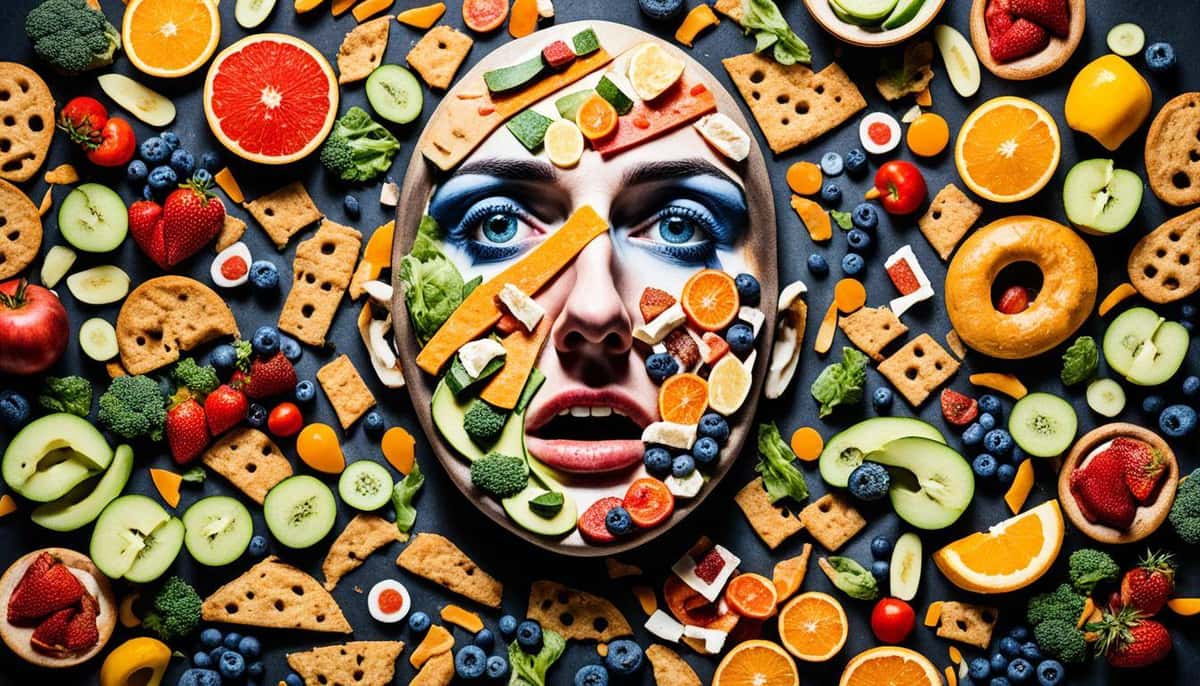

Have you ever thought about how aesthetic pressure and social media affect our relationship with food?
An eating disorder is a mental condition that affects how we eat. This brings serious physical and emotional problems. Around 70 million people worldwide struggle with it, mostly young people.
Symptoms range from binge eating to extreme dieting. This shows how society influences our body image 2. Therefore, treatment needs to be comprehensive, including healthcare professionals and family support 3 .
What is an eating disorder?
An eating disorder is a psychological condition that affects how people eat and view their bodies. The definition of eating disorder shows that these illnesses go beyond eating habits. They are linked to emotions such as anxiety and depression. About 1 in 10 people in the world suffer from these disorders .
Anorexia nervosa and bulimia are the most common. Anorexia causes people to have a great fear of gaining weight and can cause serious health problems. <sup>5</sup>
https://www.youtube.com/watch?v=HANYTI0kRMQ
Bulimia, on the other hand, involves episodes of binge eating and purging behaviors, such as using laxatives . Many people have more than one eating disorder at the same time. This makes treatment more difficult. It is important to recognize these signs early in order to seek treatment with psychiatrists, psychologists, and nutritionists.
Symptoms of an eating disorder
Eating disorders affect both physical and mental health . They bring symptoms such as changes in eating habits and self-image . This shows a struggle against aesthetic pressure and negative thoughts about oneself . It is important to recognize these signs in order to seek help.
Main signs to watch out for
We should be aware of several signs of an eating disorder , such as:
- Excessive weight gain or loss without justification.
- Shame about eating behaviors.
- Excessive concern with self-image .
- Social isolation to hide eating behaviors.
- Aversion to eating in the presence of other people.
Those with eating disorders, such as anorexia or bulimia, use mechanisms like restriction and purging. This can cause serious health damage.7 They often deny the severity of the symptoms, which leads to self-deprecation and isolation.6
Physical and emotional effects
The physical effects can be serious, such as malnutrition and gastrointestinal problems. In severe cases, they can be life-threatening. Furthermore, these disorders increase anxiety and depression, harming mental health . <sup>7</sup> The quality of life of those who suffer from them is affected, demonstrating the negative impact of these disorders.

| Symptoms | Physical Effects | Emotional Effects |
|---|---|---|
| Weight changes | Malnutrition and health conditions | Anxiety and depression |
| Social isolation | Gastrointestinal problems | Avoidance of social situations |
| Secret eating behaviors | Loss of interest in daily activities | Guilt and shame related to food. |
It is crucial to pay attention to these symptoms and seek help early. This can help mitigate the devastating effects of eating disorders 6 7 .
Types of eating disorders
Eating disorders come in many forms and have various characteristics. They vary in severity and impact on people's lives. They include conditions such as anorexia nervosa and bulimia nervosa , as well as orthorexia and pica.
Anorexia nervosa
Anorexia nervosa is characterized by extreme calorie restriction. This leads to very low weight. It is the condition with the highest mortality rate among eating disorders. 8 9 Symptoms include fear of gaining weight and a distorted body image.
Bulimia nervosa
Bulimia nervosa involves episodes of binge eating followed by compensatory behaviors. This may include self -induced vomiting and the use of laxatives. During these episodes, the person may eat many calories quickly . Symptoms include excessive concern about weight and shame about eating.
Binge eating disorder
Binge eating disorder (BED) is characterized by episodes of uncontrolled food intake without purging practices. Individuals feel guilty and embarrassed after these episodes.10 Emotional connection with stress and anxiety is common, creating a vicious cycle.
Other lesser-known eating disorders
There are lesser-known eating disorders , such as orthorexia and pica. Orthorexia involves an obsession with healthy foods. Pica includes the ingestion of non-food substances, such as cotton or clay.10 Vigorexia is more common in young men and involves an obsession with a perfect body, leading to excessive exercise.9 Other problems include drunkorexia and diabulimia, which are dangerous to health.8
https://www.youtube.com/watch?v=hhd8bKR8pIs
Causes of eating disorders
The development of eating disorders is complex and involves several factors. This includes psychological, sociocultural, and genetic aspects. These factors interact uniquely in each person. The causes of eating disorders are linked to emotional and social issues . They affect how we see ourselves and our bodies.
Psychological factors
Psychological factors are very important in the development of eating disorders. Childhood traumas, such as parental separation or abuse, can contribute to these disorders. Low self-esteem and anxiety are also common among those with these conditions.
11 ..
Sociocultural factors and aesthetic pressure
The pressure to conform to beauty standards is a major sociocultural factor affecting eating disorders. Modern society has beauty standards that are often impossible to achieve. This leads people to have poor diets and unhealthy eating behaviors. Comparing oneself to perfect images on social media can worsen body dissatisfaction and increase the risk of eating disorders. Professions that value appearance, such as ballet and wrestling, also have more cases of these disorders 11 and 12 .
Influence of genetics
Genetics also plays an important role in eating disorders. People with a family history of these disorders may be more likely to develop them. Hormonal changes, such as ghrelin and leptin, which control appetite, are also factors. The interaction between genes and environment can make it easier for these disorders to emerge in some individuals.

How to identify an eating disorder
Identifying an eating disorder can be difficult for both the person who has it and those around them. It's very important to know the warning signs of these problems. These signs include rapid weight changes, excessive preoccupation with food, and using harmful methods such as vomiting.
Warning signs for family and friends
For those who have family and friends around them, it's crucial to observe certain behaviors. Here are some important warning signs :
- Rapid weight loss or gain.
- Constant preoccupation with weight and food.
- Eating in secret or eating too much.
- Feeling guilty after eating.
- Using laxatives or other substances after eating.
These signs may indicate that the person has a poor relationship with food and self-image . This is common among teenagers who want to be accepted.
Self-assessment and personal perception
Self-assessment is crucial for anyone who suspects they have an eating disorder. It's important to think about your feelings regarding food and your body. Consider things like:
- Feeling inadequate because of your weight.
- Having an aversion to certain foods.
- Compulsive behaviors in physical activities.
A better understanding of self-image can help identify problems. This is the first step in seeking help. <sup>14</sup>
https://www.youtube.com/watch?v=pVEXUF59EJU
Recognizing and treating these signs early can be very important. This can help the person recover and feel better.
Consequences of eating disorders
Eating disorders affect both physical and mental health . They impact the body and mind, causing serious psychological consequences . It is important to pay attention to these conditions.
Impacts on physical health
The effects of eating disorders on physical health can be serious. Anorexia can lead to heart failure, kidney problems, and even premature death, according to the World Health Organization. Bulimia can cause cardiac arrhythmias, tooth decay, and acid reflux. Binge eating can lead to type 2 diabetes, hypertension, and respiratory problems. This highlights the importance of preventing and treating these conditions.
Impacts on mental health
Eating disorders greatly affect mental health . People with these conditions may experience anxiety , depression , and a lack of self-confidence. This can increase the risk of suicide.16 Those with a family history of eating disorders are more likely to suffer from them.16 Therefore, it is crucial to identify and treat these conditions to improve quality of life.

| Eating Disorder | Physical Consequences | Psychological Consequences |
|---|---|---|
| Anorexia Nervosa | Heart failure, osteoporosis, kidney problems | Anxiety, depression, low self-esteem |
| Bulimia Nervosa | Arrhythmias, acid reflux, tooth decay | Mood disorders, binge eating |
| Binge Eating Disorder | Diabetes, hypertension, sleep apnea | Social isolation, depression, anxiety attacks |
It is very important to recognize the consequences of an eating disorder and seek help to recover.
Learn more about the consequences of eating disorders and their implications 15
Treatment of eating disorders
Treating eating disorders is complex and requires the expertise of various professionals. Psychologists, nutritionists, and doctors work together. They help address patients' emotions and behavior. A nutrition plan is essential to meet nutritional needs and support recovery.
Eating disorders affect people of all ages and backgrounds. Treatment requires consistent support tailored to each individual. This includes nutritional re-education and cognitive therapy.
Multidisciplinary interventions
Interventions from various areas are crucial for treatment. Nutritionists, psychologists, and doctors work together. Each brings a perspective to address psychological and nutritional issues. This helps improve treatment and reduce risks.
According to the Ministry of Health, 4.7% of the population suffers from eating disorders. Professional support is very important in this process.
Importance of family support
Family support is vital in treatment. A positive environment helps reduce shame and isolation. The family can learn about the disorders and offer emotional support.
Understanding the treatment is fundamental to helping patients. Binge eating disorder can cause a large number of calories to be consumed at once. In this case, emotional and practical support is crucial.
https://www.youtube.com/watch?v=XSaieHTRvzA
Prevention of eating disorders
It is very important to prevent eating disorders to ensure healthy development. Having a healthy diet from adolescence onwards is crucial. Nutrition education from an early age helps a lot, teaching about healthy choices and the importance of a balanced diet. Research shows that many eating disorders begin at this stage of life.<sup> 17</sup>
How to promote healthy eating
Eating as a family and valuing mealtimes are great practices. This helps create a good relationship with food. Talking about body diversity and promoting open dialogues about insecurities is also important. The World Health Organization states that about 10% of adolescents suffer from eating disorders. <sup>18</sup>
The importance of self-esteem and mental health.
Developing self-esteem is essential to prevent eating disorders. Working on self-acceptance and resolving emotional problems reduces vulnerability to these disorders. A welcoming environment and open communication are fundamental for young people to feel safe to express their insecurities 17. Physical activity and quality sleep are also important for mental health , especially in a world full of poor aesthetic standards 19 .

| Prevention Factors | Description |
|---|---|
| Healthy Eating | Nutrition education and balanced choices from childhood. |
| Enjoy the Food | Encourage family meals and appreciation of food. |
| Self-esteem | Working on self-image acceptance and self-confidence. |
| Welcoming Environment | To facilitate interaction and open dialogue about insecurities. |
| Physical Activity | Promote regular exercise as part of a healthy lifestyle. |
| Education on Diversity | Talking about different body types and nutrition . |
With an approach that combines healthy eating , self-esteem and mental health, we can prevent eating disorders. This ensures a healthier future for everyone 19 18 17 .
Eating disorders and mental health
The link between eating disorders and mental health is very strong. Studies indicate that anxiety and depression can lead to these disorders. It is important to treat both mental health and eating habits.
The connection between eating disorders and emotional issues.
People with eating disorders often face a range of emotions. Factors such as low self-esteem and body dissatisfaction can trigger them. In the last 20 years, the prevalence of these disorders has increased significantly, especially during the pandemic .
Furthermore, following diets without supervision can worsen the problem 20 .
The role of cognitive behavioral therapy
Cognitive behavioral therapy (CBT) is very effective in treating eating disorders. It focuses on changing the thoughts and behaviors that cause these disorders. CBT helps patients understand the emotional roots of these disorders, find ways to deal with them , and develop coping strategies .
When combined with nutritional support, CBT can bring great benefits. This offers a real chance to improve mental health and overcome emotional issues 21 .

Popularization of the topic and its social relevance.
Social media changes how we view the body. It presents information and beauty standards that are not realistic. This can lead to eating disorders, especially in young people.
A study shows that between 1 and 4% of adolescents have anorexia or bulimia. Furthermore, 20 to 56% of girls and 31 to 39% of boys may develop these disorders. Comparisons on social media can lead to poor eating behaviors, affecting 56 % of girls and 28 % of boys.
How social media influences body perception.
Excessive use of Instagram can increase eating disorders 23. Exposure to weight loss tips can lead to problems. Nutritionists help correct myths about food and develop a healthy relationship with food 23 .
Awareness campaigns are important for understanding the seriousness of disorders. Seeking psychological support is crucial for recovery . Treatment with professionals from various fields is very helpful .
Almost all eating disorders begin with dieting. Talking about mental health in schools and communities can prevent these problems 23 .
Conclusion
Eating disorders, such as anorexia and bulimia, affect many young women. Around 45% of school-aged children want to be thinner 24. It is crucial to identify these disorders early and treat them carefully.
This is because anorexia can cause serious problems, such as heart failure and anemia 25. Treatment should be carried out by a team of professionals, including doctors, psychologists and nutritionists 26 .
It's important to understand the symptoms and causes of these disorders. We should talk openly about them to prevent them and help those who suffer from them. Social media and society also have a significant influence on this.
Therefore, we should all be attentive and help create a healthier environment. Recovery and treatment should be priorities for everyone.
FAQ
What is an eating disorder?
An eating disorder is a mental condition that affects eating behavior. This impacts both physical and emotional health.
What are the main symptoms of eating disorders?
Symptoms include irregular eating habits and a distorted body image. This can also lead to social isolation. In addition, there are excessive concerns about weight and appearance.
How can we identify an eating disorder in someone close to us?
Changes in eating habits and weight fluctuations should be observed. It is also important to note any secretive behaviors during meals.
What are the most common types of eating disorders?
The most common are anorexia nervosa, bulimia nervosa , and binge eating disorder ( BED ). There are also orthorexia and muscle dysmorphia, which are less well known.
What causes eating disorders?
The causes include psychological, sociocultural, and genetic factors . Childhood trauma, aesthetic pressure , and heredity also play a role.
What is the impact of eating disorders on mental health?
They can cause serious emotional problems, such as anxiety and depression. They can also lead to feelings of inadequacy and increase the risk of suicide.
How is eating disorder treated?
Treatment is multidisciplinary, involving psychologists, nutritionists, and doctors. It includes therapy, nutritional re-education, and family support .
Is there a way to prevent eating disorders?
Yes, it's important to promote healthy eating habits from childhood. Cultivating self-esteem also helps in prevention.
What is the relationship between social media and eating disorders?
Social media can negatively influence body image . It promotes unrealistic beauty standards, increasing dissatisfaction and vulnerability to these disorders.
How do awareness campaigns help with the issue of eating disorders?
Awareness campaigns are crucial for informing people about the risks. They offer psychological support and destigmatize the disorders. This encourages those who suffer from them to seek help.
🌟 Have you considered seeking a therapist to support your well-being journey?
If this article sparked reflections about positive changes in your life, perhaps now is the ideal time to take the next step. Do you know hypnosis as a therapeutic tool? This approach can be surprisingly effective for various personal challenges.
Special offer: Book a free 20-minute consultation with therapist Fabio Morus and discover how therapy can transform your life.
✨ No commitment — Completely free — 20 minutes that can make a difference
👉 Click here to book your free consultation
Don't postpone your well-being any longer. The first step to change is just one click away.