
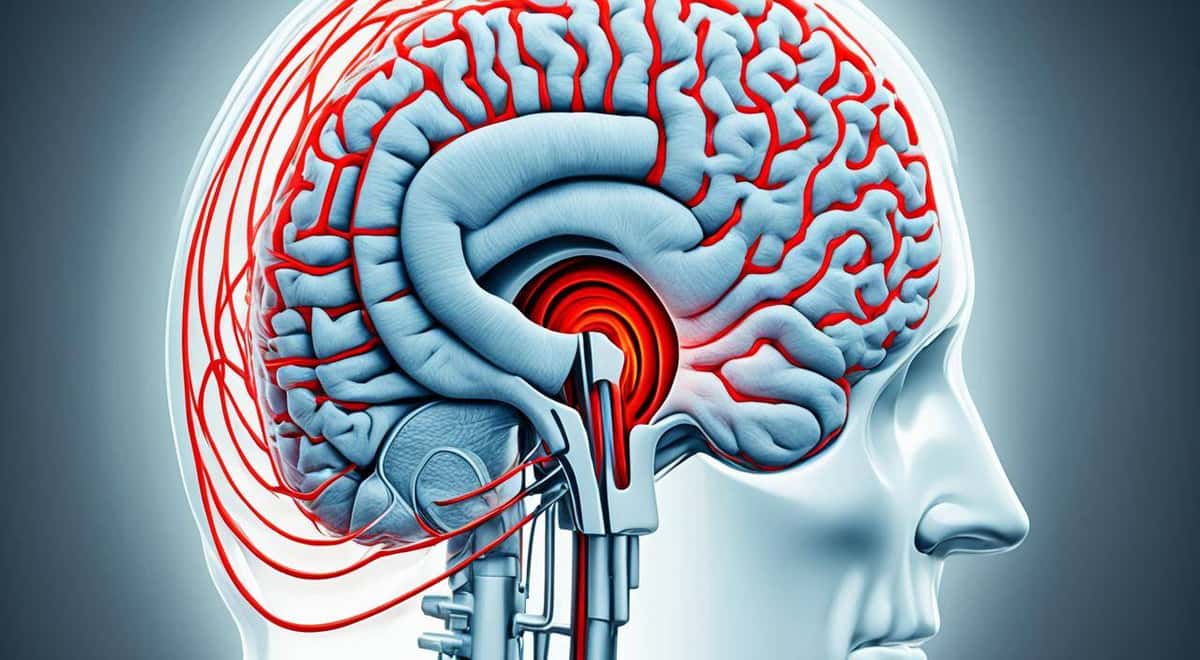

Is it true that anxiety causes tinnitus? Many people wonder about this. Tinnitus is a common symptom, and anxiety affects many people. Understanding how these two relate is important for finding solutions. This article will show how anxiety and tinnitus are linked. We’ll see how emotions affect tinnitus and how to treat it. Together, we’ll better understand tinnitus and how to deal with it in a healthy way.
What is tinnitus?
Tinnitus is a sound that only the patient hears, like a hissing or an alarm ringing. It can be caused by various things, such as ear problems or problems in the nervous system.Symptoms and Characteristics of Tinnitus
Some hear a constant hissing sound, others an alarm or a whistle. Some even hear a sound of air or musical notes. Each person experiences tinnitus in a unique way .Main Causes of Tinnitus
Hearing loss is one of the main causes of tinnitus. Other factors include infections, problems in the inner ear, and the use of certain medications. Stress and anxiety can also cause tinnitus . Tinnitus is not a disease, but a sign of several conditions. It is important to seek medical help to alleviate the symptoms .| Cause | Incidence |
|---|---|
| Hearing loss or injury | Most cases |
| Infections | Common |
| Labyrinth disorders | Frequent |
| impacted earwax | Occasional |
| Use of medications | Possible |
| Vascular changes | Possible |
| Functional disorders | Possible |
Does Anxiety Cause Tinnitus?
Emotional Factors as a Trigger for Tinnitus
Anxiety isn’t always the primary cause of tinnitus. Emotional factors can trigger tinnitus in those who already have other causes. Studies show that stress increases the severity of tinnitus . A 2015 study showed that 53.6% of patients began experiencing tinnitus during periods of high stress. Furthermore, 52.8% felt their tinnitus worsen with increased stress. Besides anxiety, many other things can cause tinnitus, such as hearing problems or heart disease. It’s important to consult a doctor to determine the cause and treatment . The Sensorium Clinic , with over 30 years of experience, can help.
Effective strategies for relieving stress - related tinnitus include stress reduction, sound distraction techniques, and cognitive behavioral therapy.To deal with tinnitus caused by anxiety and stress, there are several options. Exercises, relaxation techniques, cognitive behavioral therapy, and sound therapy interventions can help . It is important to consult healthcare professionals, such as audiologists, to find the best solution.
How Anxiety Affects Tinnitus
Tinnitus caused by stress , and anxious tinnitus and hearing spikes are linked to anxiety. Around 28 million Brazilians suffer from tinnitus.<sup> 4 </sup> The WHO states that 278 million people worldwide struggle with this problem. <sup>4</sup> Stress and anxiety can worsen tinnitus, especially in those with mouth problems.Impact of Tension and Stress on Tinnitus
Emotional feelings can make tinnitus seem stronger. One study showed that stress can increase the duration of tinnitus . Approximately 10 to 15% of the population suffers from tinnitus . In the US, this percentage is 17%, and in São Paulo, it’s 22 %. Anxiety affects 9 to 20% of people, reaching up to 30% in some cases. Anxiety and tinnitus are linked, especially in those who experience stressful situations. Some anti-anxiety medications can cause tinnitus . However, cognitive behavioral therapy can help improve both anxiety and tinnitus . https://www.youtube.com/watch?v=UuFQsHuFna0“The relationship between tinnitus and anxiety is complex and multifaceted, with bidirectional impacts that can worsen the symptoms of both disorders.”
Tinnitus and Patient Perception
Tinnitus , or ringing in the ears, affects 6.28 million people in Brazil and 278 million worldwide. The experience of tinnitus varies greatly from person to person. For some, it is seen as a noise, while for others, it is a major problem, even with similar noises. A study with 65 people showed that the perception of tinnitus varies greatly . It can be continuous or intermittent, and its intensity changes. It can be a single sound or several sounds, such as hissing or whistling . Patients’ anxiety affects how they experience tinnitus . The study showed that those with higher anxiety experience more discomfort from tinnitus, especially women. Understanding how the patient experiences tinnitus is crucial to helping them. Other research has shown that how the mind processes tinnitus is also important 8. This affects people’s quality of life. Psychological stress is common among those with tinnitus, showing the importance of treating both mind and body. In conclusion, tinnitus affects each person uniquely, involving physical, emotional, and mental aspects 6. About 1 in 5 people say that tinnitus greatly affects their lives. Understanding this experience is key to effective treatment 6 .
Impacts of Tinnitus on Mental Health
Tinnitus affects not only physical health, but also mental and emotional health . It can cause stress, anxiety, and depression . This affects people ‘s well-being. Social isolation also increases the negative effects on mental health.Relationship between Tinnitus and Mood Disorders
Studies show that people with tinnitus are more likely to experience anxiety and depression. Fear of the unknown and worry about tinnitus increase anxiety. Tinnitus also disrupts sleep, further impacting mental health. Among adults, approximately 10-15 % have tinnitus, and this increases to 33-51 % in those over 60. About 25 million Brazilians suffer from tinnitus, and 64 % of these have psychological disorders. In 18% of cases, tinnitus interferes with daily activities. The severity of tinnitus and psychological symptoms tend to increase with age . The elderly population is more affected by tinnitus, and there is a high correlation between severe tinnitus and depression and anxiety . It is important to understand the impact of tinnitus on mental and emotional health in order to seek the right treatment. https://www.youtube.com/watch?v=m151loU4CB8 It is crucial that otolaryngologists and mental health professionals work together to treat tinnitus . Lack of diagnosis and treatment can increase patient anxiety. Hearing aids are also important for emotional well-being as they reduce the perception of tinnitus . Raising awareness and supporting patients can transform tinnitus into an effective treatment process. This addresses not only the physical aspects but also the effects on mental and emotional health.Importance of Medical Follow-up
Tinnitus affects millions of people worldwide . It’s not just an emotional problem; there are many underlying medical causes. Ignoring it can lead to serious problems. A doctor can provide an accurate diagnosis and help understand the problem . They will ask questions and perform tests like audiometry to better understand it . Tinnitus treatment needs to be tailored to the patient’s needs . Therefore, specialized medical follow-up is crucial. It helps choose the best treatment, such as medication or therapy. Seeking medical help for tinnitus is very important. This helps find the cause and treat it correctly. With the right tinnitus treatment , the patient can feel better.
Treatments for Tinnitus
There are several treatment options for tinnitus. The choice of the best treatment depends on the cause of the tinnitus. Techniques such as cognitive-behavioral therapy , psychological counseling, sound therapy, and exercises can help alleviate tinnitus caused by anxiety . In some cases, medication is also necessary. According to the World Health Organization (WHO), approximately 28 million people in Brazil and 278 million worldwide suffer from tinnitus . Hearing loss is the main cause, affecting about 90 % of cases. Therefore, using hearing aids can be a good option for many patients. Tinnitus Habituation Therapy ( TRT ) is a method that lasts 18 to 24 months. It aims to accustom the patient to living with the sound of tinnitus . This therapy is effective, especially in cases of tinnitus associated with hearing loss. In some cases, tinnitus may be linked to psychiatric disorders such as anxiety and depression. These disorders can alter neurotransmitter levels and stimulate auditory pathways . In these situations, cognitive behavioral therapy and relaxation techniques can help alleviate anxiety-related tinnitus . Although most tinnitus is low-volume, between 3 and 7 decibels, some can be very unbearable for some people. Therefore, it is important to consult a doctor to determine the cause and the most appropriate treatment for tinnitus caused by anxiety . Tinnitus can be a side effect of some medications, such as antidepressants . It is crucial to discuss the relationship between treatment and tinnitus with your doctor.| Type of Tinnitus | Features | Recommended Treatment |
|---|---|---|
| Tinnitus Related to Anxiety | High-pitched sound, volume between 3-7 decibels, can be intense and unbearable. | Cognitive-behavioral therapy, psychological counseling, relaxation techniques, medication (if necessary) |
| Tinnitus Associated with Hearing Loss | High-pitched sound, volume between 3-7 decibels, commonly observed in the elderly. | Hearing aids, Tinnitus Habituation Therapy (TRT) |
| Tinnitus Caused by Medication | A rare and transient side effect, usually associated with antidepressants. | Medication adjustment or replacement, medical follow-up |
“Tinnitus can be a rare and transient side effect of some types of medication, such as antidepressants.” 14
Anxiety causes tinnitus.
Anxiety alone does not cause tinnitus. Usually, other factors are involved. Stress can make tinnitus stronger and more noticeable for those who already have other problems.<sup> 15</sup> According to the CDC survey, 15% of adults in the US have experienced tinnitus.<sup> 15 </sup> Up to one in five adults has chronic tinnitus.<sup> 15</sup> Increased stress and anxiety during the pandemic are linked to tinnitus.<sup> 15</sup> Anxiety does not directly cause tinnitus, but it affects how the patient feels and copes with it.<sup> 16 </sup> The DIVA® device has helped improve tinnitus in up to 40% of cases related to TMJ. <sup>15</sup> Tinnitus can have various causes, such as loud noises, earwax, age, diabetes, and Ménière’s disease.<sup> 16</sup> There are tonal and non-tonal tinnitus, with tonal tinnitus being the most common. <sup>16</sup> Treatment includes professional diagnosis and may use sound therapy, medication, and hearing aids.<sup> 16</sup> Tinnitus Habituation Therapy (TAT) can reduce the perception of tinnitus. Hearing aids help with hearing loss. Today, there are several options for hearing aids and sound therapies for tinnitus . In summary, anxiety and stress do not directly cause tinnitus. However, they can affect how the patient experiences and copes with it. Seeking a medical diagnosis and following a specific treatment is important to alleviate symptoms and improve the patient’s life.
Conclusion
Upon analysis, we see that anxiety and tinnitus are linked. But anxiety alone does not cause tinnitus . Feelings can make tinnitus seem worse for those who experience it. Consulting a specialist doctor is crucial for a correct diagnosis and treatment. A team of professionals, such as an otolaryngologist and psychologist, can be very helpful . Research shows that anxiety and depression may be linked to tinnitus and the risk of suicide. There are several ways to treat tinnitus , such as medication and therapies. Relaxation can help reduce stress and improve well-being. Seeking professional help is important to find the right treatment for your case.FAQ
What is tinnitus?
What are the main causes of tinnitus?
Can anxiety cause tinnitus?
How does anxiety affect tinnitus?
How does a patient’s perception affect tinnitus?
What is the relationship between tinnitus and mental health?
Is it important to see a doctor for tinnitus?
What are the treatment options for tinnitus?
🌟 Have you considered seeking a therapist to support your well-being journey?
If this article sparked reflections about positive changes in your life, perhaps now is the ideal time to take the next step. Do you know hypnosis as a therapeutic tool? This approach can be surprisingly effective for various personal challenges.
Special offer: Book a free 20-minute consultation with therapist Fabio Morus and discover how therapy can transform your life.
✨ No commitment — Completely free — 20 minutes that can make a difference
👉 Click here to book your free consultation
Don't postpone your well-being any longer. The first step to change is just one click away.