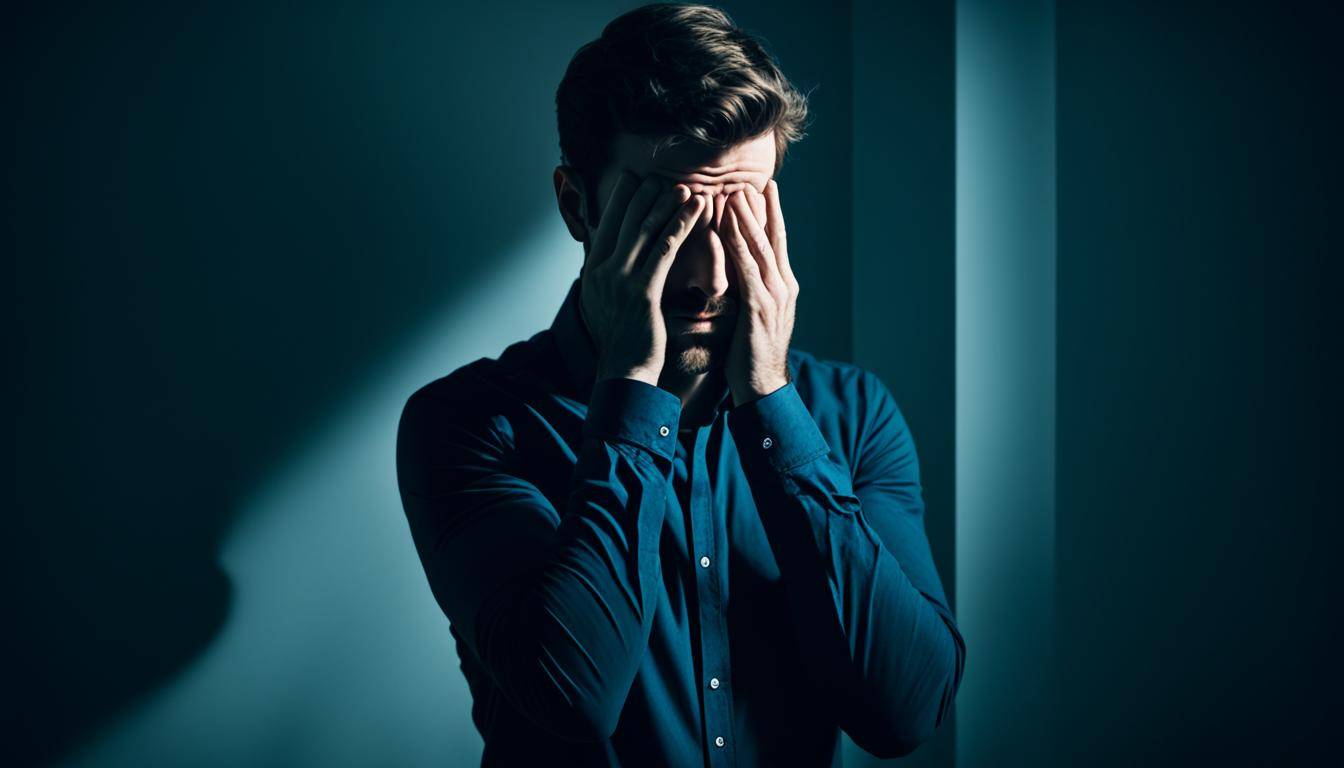

Have you ever wondered how anxiety affects our lives? Anxiety is a natural feeling that we all experience. Understanding what anxiety is and how to deal with it is crucial for our mental health.
This emotional pain can cause physical and mental harm. It can affect our ability to do simple things or lead us to become isolated . Let's see how to deal with distress in a healthy way. It's important to find emotional balance and use effective strategies to overcome challenges.
What is anguish?
Anxiety is a complex psychological sensation. It brings physical and emotional symptoms. It can cause mood swings, insecurity, and discomfort.
Among the most common symptoms are chest and throat pain, increased heart rate, and shortness of breath. They also include restlessness, headache, muscle tension, and persistent sadness.
Anxiety can be confused with depression. They have similar symptoms, such as apathy and lack of appetite . This can complicate the identification of the condition, affecting quality of life.
Anxiety arises during challenging times, such as losses or traumatic events. It can emerge when uncertainty takes over .
Understanding distress is crucial for seeking help. Expressing painful feelings helps alleviate suffering. This reminds us of the positive aspects of life .
Self-care is vital. It makes distress less overwhelming and more manageable .
https://www.youtube.com/watch?v=-8rudMFrPr0
Symptoms of distress
Physical and emotional distress manifests itself in various ways. It is crucial to know how to identify the symptoms of distress in order to seek help. Some common signs include restlessness, chest pain, and tightness in the throat. <sup>4</sup> This can lead to profound mental suffering. <sup>4</sup>
In addition, rapid heartbeat and frequent headaches are signs of health problems 4 .
These symptoms can greatly affect our well-being. Irritability and lack of motivation are common when we are distressed . If left untreated, distress can worsen, affecting personal life, relationships, and work .
Anxiety is a common problem at various stages of life. If anxiety is frequent and intense, it's a good idea to seek help from a professional . They can help you understand the problem and find ways to cope with it .

Causes of distress
Anxiety can come from many places. Causes of anxiety include traumatic experiences and doubts about the future. Losses and disappointments also greatly affect our emotions.
Events such as losing a loved one or romantic disappointments have a significant impact. These emotional triggers can lead to constant suffering and isolation.
Heidegger viewed anguish as the awareness of death. Sartre said it stems from the freedom of the human being. Kierkegaard saw it as the restlessness of sin, linked to freedom . Thus, anguish reveals our difficulties in dealing with life.
Anxiety can develop into depression , increasing emotional pain. Symptoms such as restlessness and emptiness are linked to the causes of anxiety . Understanding these causes is key to overcoming them.
https://www.youtube.com/watch?v=7uwuUN1LdVo
Understanding distress is essential. By focusing on the factors that cause distress , we can find solutions. This helps us cope with feelings of distress .
Difference between distress and anxiety
When we talk about the difference between distress and anxiety , it's important to understand that they are different. Distress is a feeling of deep suffering. It can arise from worries and uncertainties, causing physical and emotional symptoms. On the other hand, anxiety relates to specific situations that seem threatening to us. It can cause incessant worry, irritability, and difficulty relaxing .
Studies show that distress is more common in women. This may be linked to hormonal imbalances and difficulty expressing feelings. Anxiety, on the other hand, can become a disorder if it is excessive, affecting quality of life. Understanding the difference between distress and anxiety is crucial for seeking appropriate treatment for each case. Distress can motivate reflection and a desire for change, while excessive anxiety can paralyze daily activities.

Understanding these emotional states and their differences helps us cope with them better. This promotes a healthier life. For more information on how to understand and treat these emotions, see this article on the difference between distress and anxiety .
Impacts of anxiety on health
The impacts of anxiety on health affect both mind and body. The mind and body are connected, and anxiety can cause many problems. Symptoms such as headaches, digestive problems, and fatigue are common.
Anxiety can activate areas of the brain, such as the insula, which helps to sense the body 10 .
For those with cancer, anxiety makes treatment more difficult. Situations such as new diagnoses increase anxiety. This can cause panic, insomnia , and loss of appetite.
Anxiety affects less than 50% of the population, but it can be serious . Many confuse physical symptoms with heart problems. Seeking help is important for those who frequently experience anxiety.
https://www.youtube.com/watch?v=GV6eLfmGePQ
| Physical Symptoms | Psychological Symptoms |
|---|---|
| Chest pain | Panic |
| Muscle tension | Irritability |
| Shortness of breathe | Hopelessness |
| Excessive sweating | Insomnia |
| Headaches | Concentration problems |
Understanding the physical and psychological effects of distress is crucial for coping with it. This helps improve well-being.
Treatment for anxiety
Treatment for anxiety varies depending on its intensity and cause. More than 86% of Brazilians have some type of mental disorder, including anxiety . Psychotherapy is an effective way to resolve internal problems and anxiety .
Cognitive Behavioral Therapy (CBT) helps to change negative thoughts that cause distress 13. Relaxation techniques, meditation, and physical exercise are also important. Doing these practices every day helps to ward off negative thoughts 14 .
Eating well is essential for mental health. Food helps release substances that bring happiness 14. Walking and stretching are great for mental health and bring happiness 14 .
Getting enough sleep is crucial for combating anxiety. But not sleeping too much can also be bad . Consulting mental health specialists, such as psychologists and psychiatrists, is important for effective treatment. For more information, see the link on psychotherapy and interventions .

How to deal with anxiety
Dealing with distress requires strategies that help balance emotions and health. It is essential to set aside time to think about our emotions and find activities that bring us joy. Self-care is key and includes exercise, meditation , and social support. These practices improve our mental health.
Anxiety affects everyone, influenced by emotional, social , and economic factors . People nearing 40 may experience depression due to not achieving their goals. At this stage, seeking psychological therapy is important, an excellent way to cope with anxiety .
https://www.youtube.com/watch?v=ZqoqaifZ4j4
Having a support network is essential for coping with distress . Healthy relationships provide emotional security. Recognizing and forgiving our feelings helps us overcome them. Thus, we can not only manage distress but also find peace.
Practicing good habits, such as healthy eating and adequate sleep, makes us stronger against anxiety . Knowing about our condition improves our well-being and mental health.
Professional help for distress
Seeking professional help for distress is an important and courageous step. Turning to psychologists can be crucial in finding paths to healing and self-knowledge. Psychotherapy offers a safe environment to discuss anxieties and distress.
Understanding that distress can be a sign of learning is vital. This process allows us to review past situations, correct mistakes, and understand different perspectives. Therapeutic support is essential to cope with its manifestations.
Psychologists are qualified to help, offering both in-person and online sessions. Fees start at R$230, and there are often discounts on the first consultation . This makes it easier to access and caters to different needs.
If you experience symptoms such as restlessness, tachycardia, irritability, and body aches, seek a psychologist . Recognizing the individuality of each case of distress is crucial . Psychoanalysis addresses the uniqueness of each person.
Understanding our own subjectivity is essential. There is no one -size-fits-all solution. Physical activity and a healthy diet can complement therapeutic support , promoting our well-being.

Self-care strategies
Adopting self-care strategies is essential for coping with distress. They help us develop healthy practices that improve our mental health. Doing things every day keeps us emotionally balanced and reduces distress.
Here are some practices that can help you:
- Getting a good night's sleep is important. Getting a good night's sleep can improve sleep quality by 40% for people with mental health problems.
- Exercising helps release endorphins and reduce anxiety.
- Seek out moments of calm with mindfulness . Just 10 minutes a day can reduce anxiety by 30% 20 .
- Eat well. A good diet positively affects our mental well-being.
- Practice hobbies and creative activities. This improves mood, with studies showing that daily fun increases mood by 25% in those who are depressed 20 .
Connecting with nature gives us a safe space to reflect on our emotions. Self-care for distress should promote self-acceptance and self-compassion. This allows us to confront our emotional pain.
https://www.youtube.com/watch?v=330pAxdSyzo
Practicing these healthy habits every day can greatly improve our mental and emotional health. It helps us create a supportive environment for ourselves.
Investing in these strategies gives us more control over our well-being. Therefore, we can face distress with greater strength.<sup> 21</sup>
Conclusion
Anxiety is a common feeling that we all experience. It's important to understand its origin and how to deal with it. By seeking professional help and practicing self-care, we can improve our emotional health.
This article presented strategies for relieving anxiety. It can be a sign that we need to resolve something in our lives. Freud said that anxiety can be a way of releasing tension. <sup>22</sup>
It is crucial to take care of ourselves and recognize the signs of distress . This way, we can face the future with more peace of mind and health. With the right knowledge, we can overcome emotional challenges.
FAQ
What is anguish?
Anxiety is a feeling that everyone experiences. It can be seen as a complex psychological state. This includes feelings of sadness, insecurity, and unease.
What are the symptoms of distress?
Symptoms of distress can vary. They include anxiety attacks, rapid heartbeat, and tightness in the chest. Restlessness, insomnia, and emotional discomfort may also occur.
What causes the distress?
Several factors can cause distress. These include difficult experiences, past traumas, and uncertainties about the future. Relationship issues can also be a factor.
What is the difference between anguish and anxiety?
Anguish is linked to the emotional pain of past or future experiences. Anxiety, on the other hand, is a response to an immediate situation that seems threatening.
How does anxiety impact our health?
Anxiety affects both mental and physical health. It can cause headaches, digestive problems, and fatigue. Furthermore, it creates a cycle of emotional discomfort.
What treatments are available for anxiety?
To treat anxiety, there are options such as Cognitive Behavioral Therapy. Physical exercise and relaxation techniques are also recommended.
What strategies can we use to cope with anxiety?
To cope with distress, it's important to practice self-care. This includes reflecting on emotions, meditating, exercising, and seeking social support.
How can I seek professional help for distress?
Seeking professional help is essential. Psychotherapy offers a safe environment to discuss feelings. It helps to find strategies to cope with distress.
What are self-care strategies for distress?
Self-care strategies include getting good sleep, engaging in activities that make us feel good, and eating well. This helps to cope with anxiety.
🌟 Have you considered seeking a therapist to support your well-being journey?
If this article sparked reflections about positive changes in your life, perhaps now is the ideal time to take the next step. Do you know hypnosis as a therapeutic tool? This approach can be surprisingly effective for various personal challenges.
Special offer: Book a free 20-minute consultation with therapist Fabio Morus and discover how therapy can transform your life.
✨ No commitment — Completely free — 20 minutes that can make a difference
👉 Click here to book your free consultation
Don't postpone your well-being any longer. The first step to change is just one click away.