
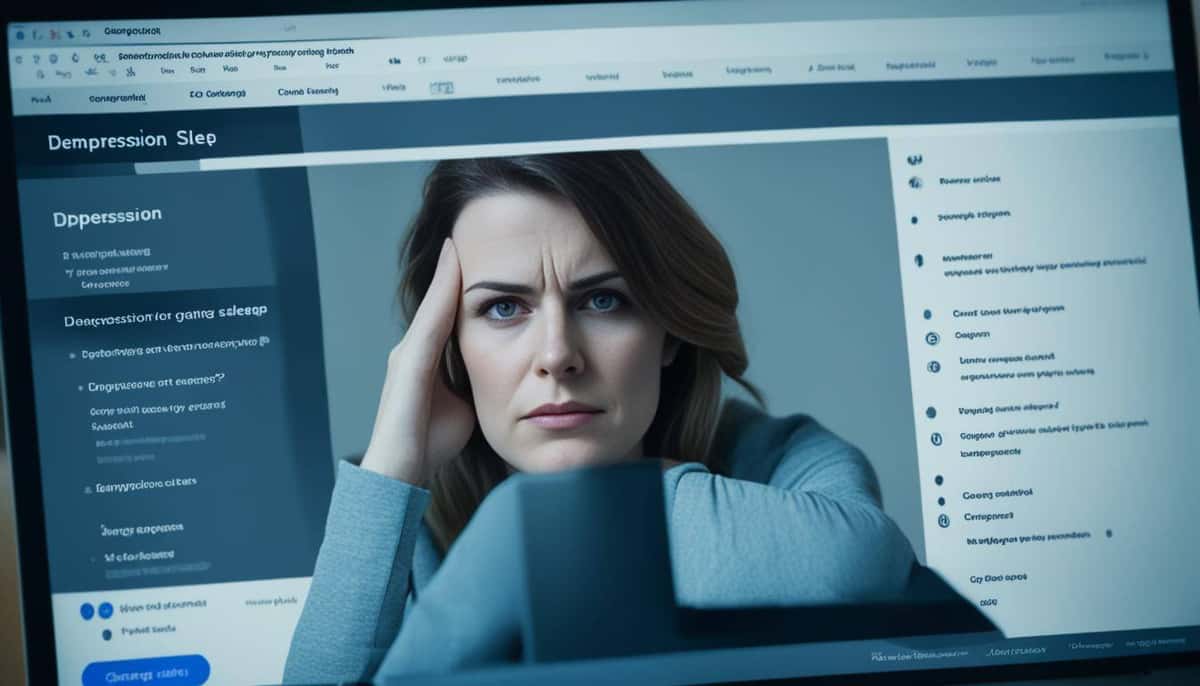

Have you ever wondered if a questionnaire could change how we view our emotions and mental health? The depression test is an important tool for assessing mental health. It can reveal a lot about our emotional state.
Brazil has many cases of depression, according to the World Health Organization (WHO) 1. The test assesses the severity of symptoms, ranging from mild to severe 2. Let's see when to take the test, how it works, and how to understand the results. This is very important for diagnosing depression.
What is a depression test?
The depression test helps to see if sadness is normal or if it's a bigger problem. It asks about sadness and whether it affects your life. The DASS-21 test , for example, has 21 questions to assess depression, anxiety, and stress over the past seven days.
Professionals such as psychiatrists or psychologists perform the evaluation. They use the right tests for an accurate diagnosis. Even online tests, such as the PHQ-9, can show if there is depression, but a specialist must confirm stages 3 and 4 .
It's important to understand the depression test and how to interpret the results. A score of 0 to 7 indicates that depression is unlikely. From 8 to 11, it may be possible, but not yet certain. Above 12 to 21, depression is likely .
https://www.youtube.com/watch?v=JGr3eZ4Cx08
When should we get tested for depression?
We should consider taking a depression test when we notice strong signs of depression in our lives. This can include feeling sad, lacking energy, and no longer enjoying things we once loved. If these feelings appear frequently, it's a sign that we should take the test. It can show if we need to seek psychological help .
A study shows that in São Paulo, about 16% of the population has experienced depression at some point in their lives . This shows how important it is to watch out for signs of depression and seek help when necessary. Using questionnaires like the PHQ-9 can help identify depression, with scores above 9 .
It is crucial to recognize the need for testing, especially if you experience physical symptoms without a cause. These symptoms should be seen by a mental health professional. Recognizing the signs of depression early and seeking help aids in recovery and better treatment.

Rating scales and the DASS-21 test
Rating scales are very important for understanding people's emotions. The DASS-21 test is an example of this. It helps measure depression, anxiety, and stress.
DASS-21 Features
The DASS-21 test has 21 questions. It asks about how you have felt in the last few weeks. Questions about sadness, despair, and whether you value life are asked. The goal is to see how you are emotionally .
Importance of psychological assessment
It is very important to assess people's mental health. The DASS-21 test helps to better understand emotions and symptoms. This is crucial for treating each person correctly .
https://www.youtube.com/watch?v=Ms7d8qRkK-4
How does the depression test work?
The depression test uses the DASS-21 to assess emotional symptoms. It has 21 questions about depression, anxiety, and stress from the past week. The questions use a four-point scale to measure the intensity of symptoms. The structure of the DASS-21 helps to easily identify emotional problems, but it does not replace a professional diagnosis.<sup> 10</sup>
Test structure and scoring
The DASS-21 score shows the severity of symptoms. Each question is worth 0 to 3, with 0 being "does not apply" and 3 being "applies most of the time". The answers are added together to see the individual's emotional state .
Application and response time
The DASS-21 test takes about 3 minutes to administer. This gives a quick overview of a person's emotional state. However, it is important to remember that, even with useful insights, a mental health professional should supervise, especially if the results indicate a need for further evaluation.<sup> 12 11 </sup>

Interpretation of depression test results
Understanding the results of the DASS-21 test is essential for assessing our mental health. This test, with 21 questions, was created by psychology students at the University of New South Wales in Australia. It has been used across various age groups in Brazil to test its reliability and verify the frequency of mental health problems such as depression and anxiety. <sup>13</sup>
https://www.youtube.com/watch?v=oF9IrNYKe6c
Meaning of different punctuation marks
The DASS-21 scores show the severity of symptoms of depression, anxiety, and stress. They range from 0 to 42. One study showed that 63% of people experience very severe anxiety and 59% have very severe depression. <sup>14 </sup> A high score indicates that the symptoms are strong and affect daily life. But remember, the test does not replace a professional diagnosis. It serves to indicate the need for a more in-depth evaluation. <sup>13</sup>
When to seek professional help
It is very important to seek professional help if symptoms persist, regardless of the score. This support is essential to better understand the results and create a treatment plan. An online study showed that 86% of participants had some mental health problem 14. Therefore, seeking professional help is crucial to improving mental health and quality of life.
Treatment for depression
Treatment for depression uses various approaches. Each person has their own unique needs. It's important to choose between therapy and medication. A qualified psychologist should guide this choice.
Therapy options
There are several therapies for depression:
- Psychotherapy: Cognitive-behavioral therapy helps to change negative thoughts.
- Medications: Antidepressants such as Fluoxetine and Nortriptyline may be used 15 .
- Alternative therapies: Acupuncture and meditation are popular for those seeking treatment.
The importance of a psychologist specializing in depression.
A specialized psychologist is crucial in the treatment of depression. They create a treatment plan considering emotional health and medical history. With 13.5% of Brazilians diagnosed with depression in 2022, the support of a specialist is vital. <sup>16</sup>
A psychologist offers emotional support and practical tools. This helps the patient cope with depression and maintain medical follow-up 17 .

How to deal with depression in everyday life.
Dealing with depression can be difficult, but using daily strategies can help a lot. It's crucial to have a good emotional support network. Having friends and family nearby can increase our chances of recovery . They create an environment that supports mental health.
Practicing physical exercise is another good idea. It is recommended to do at least 30 minutes of activity per day 18. This helps release substances that make us feel good, such as endorphins. In addition, meditation can help reduce anxiety and insomnia, and combat depression 18 .
Sunlight is also important. It helps release serotonin, which affects our mood. Spending time outdoors can be good for dealing with depression . <sup>18</sup>
Meeting with others who face similar challenges can strengthen mutual support. This creates an environment of understanding and empathy.18 With these practices, we can improve not only depression, but also quality of life.
https://www.youtube.com/watch?v=7y2SFQNK2qg
Guidance on depression and self-care
It is very important to include self-care in our routine to cope with depression . Activities such as meditation and exercise greatly help mental health. They improve our self-esteem and mood. Depression affects approximately 350 million people worldwide, including 11 million in Brazil. <sup>19</sup>
Organizing daily tasks helps you feel less overwhelmed. Eating well, with plenty of nutrients, helps improve your mood. Getting enough sleep is crucial, as poor sleep worsens depression . <sup>19 </sup>
Having a safe place to talk about our feelings is very important. This can be done in support groups. It is crucial to understand that depression is a problem that needs professional help.
- Meditation practices to reduce anxiety.
- Physical exercises to improve psychological well-being.
- A balanced diet for nutritional support.
- A proper sleep routine is essential to prevent complications.
- Close support for people suffering from depression .

It's great to do things that we enjoy. Seeking information about depression and participating in support groups helps us share experiences. This strengthens our support network.
| Self-Care Activity | Benefits |
|---|---|
| Meditation | Reducing anxiety and stress. |
| Physical Exercises | Improved self-esteem and mood. |
| Healthy Eating | Reduction of depressive symptoms. |
| Sleep Routine | Improvement in overall mental health. |
| Support Groups | Safe sharing of experiences. |
Conclusion
On our journey, we've seen that depression testing is very important. It helps us better understand our feelings and behaviors. By using the DASS-21 test , we can see how we are emotionally and which areas need attention .
It is crucial to seek help from professionals if you experience symptoms of depression. In Brazil, many people struggle with sadness and melancholy. This highlights the importance of seeking help . Psychologists and self-care practices are essential to overcome these challenges.
Taking care of your mental health is a daily commitment. If you notice signs of problems, seek help. The path to emotional well-being can be made easier with professional help and resources that promote mental health.
FAQ
What is a depression test?
The depression test is a tool that helps identify depressive symptoms. It uses questionnaires, such as the DASS-21, to assess the intensity of these symptoms.
When should we get tested for depression?
Taking the test is a good idea when we notice changes in our behavior or emotions. This can include constant sadness and a lack of interest in activities we used to enjoy.
What is DASS-21 and how does it work?
The DASS-21 is a questionnaire with 21 questions. It assesses the intensity of symptoms of depression, anxiety, and stress. Responses are given on a Likert scale, showing the person's emotional state.
How do we interpret the results of a depression test?
Interpreting the results is very important. High scores indicate severe symptoms. Low scores show more stable mental health. Even so, it's always good to seek professional help.
What treatments are available for depression?
Treatments include cognitive behavioral therapy, interpersonal therapy, and, in some cases, medication. All are guided by a psychologist specializing in depression.
How can we deal with depression in our daily lives?
To cope with depression , it's important to maintain a healthy routine. This includes exercise, a balanced diet, leisure activities, and emotional support from friends and family.
How important is self-care in recovering from depression?
Self-care is essential. It includes activities such as meditation, exercise, and practices that promote well-being. This helps in expressing feelings and experiences.
Can a depression test replace a professional evaluation?
No, a depression test is not a substitute for a clinical evaluation. It only serves as an indication to seek professional help.
How can the support of a psychologist help in recovery?
The support of a psychologist is very important. They offer personalized guidance and strategies for dealing with depression. This helps in the recovery process and in coping with the symptoms.
🌟 Have you considered seeking a therapist to support your well-being journey?
If this article sparked reflections about positive changes in your life, perhaps now is the ideal time to take the next step. Do you know hypnosis as a therapeutic tool? This approach can be surprisingly effective for various personal challenges.
Special offer: Book a free 20-minute consultation with therapist Fabio Morus and discover how therapy can transform your life.
✨ No commitment — Completely free — 20 minutes that can make a difference
👉 Click here to book your free consultation
Don't postpone your well-being any longer. The first step to change is just one click away.