
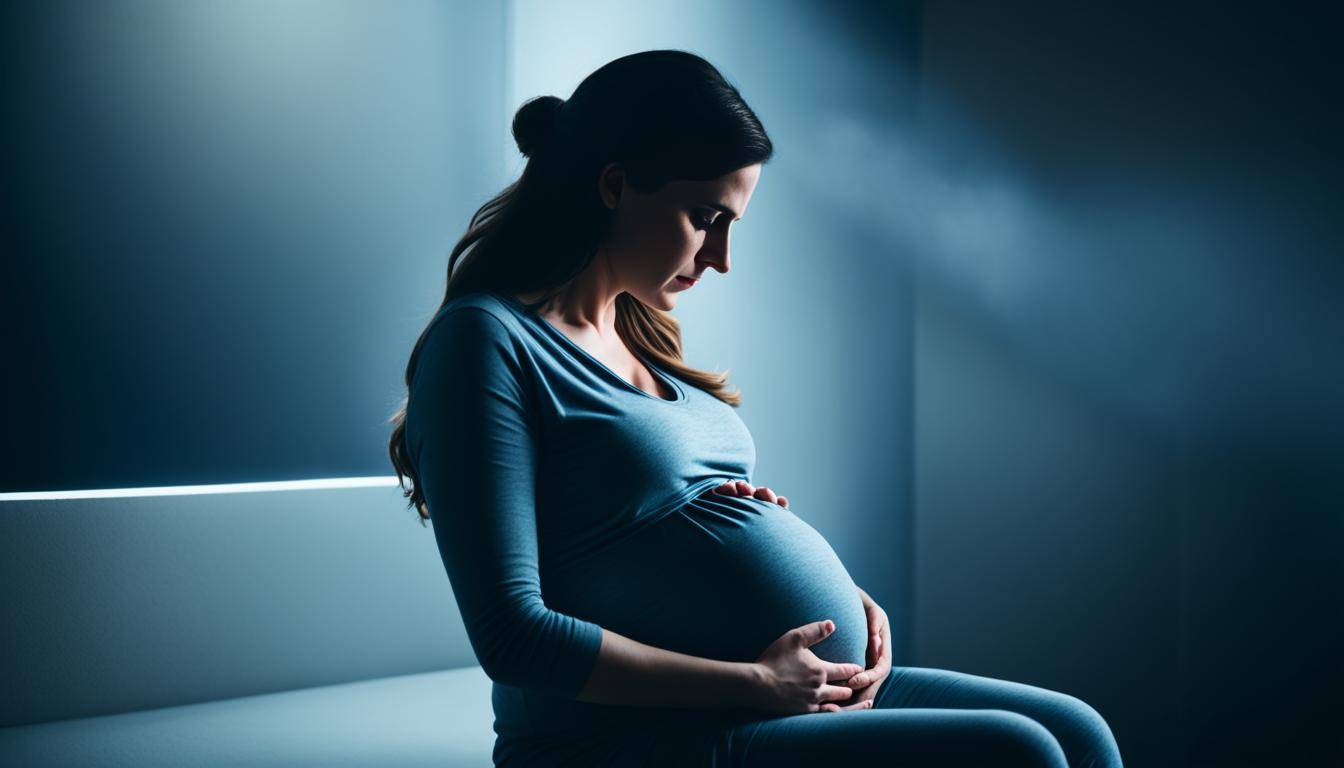

Did you know that about 10% of pregnant women suffer from depression ? This condition is common, but often goes unrecognized. This happens especially in places where mental health is not seen as important . How to identify the signs of depression during pregnancy? And how to treat it?
This is a very important question. The mental health of a pregnant woman affects her quality of life and the well-being of her baby.
This article will discuss the causes, symptoms, and treatments of depression during pregnancy. We will highlight the importance of seeking help and care to maintain emotional health during pregnancy.
Introduction to depression in pregnancy
Pregnancy brings many exciting and physical changes. Even though it's an anticipated time, it can be a difficult period for some. Depression during pregnancy is a common problem. Hormonal changes can increase sadness and anxiety.
A study shows that approximately 14.8% of pregnant women suffer from depression, mainly in the second trimester 2. Factors such as number of children, family support, and alcohol and tobacco use increase the risk 2 .
In Brazil, many pregnant women suffer from depression, but it often goes untreated. The WHO says that in low-income countries, up to 42% of pregnant women may experience depression . This highlights the importance of caring for mental health during pregnancy.
https://www.youtube.com/watch?v=yUd-D7A01Gw
Causes of depression during pregnancy
Depression during pregnancy , or perinatal depression, affects many women. It can be caused by hormonal imbalances, stress, and a history of psychiatric disorders. Relationship problems and financial worries are also important factors. <sup>4</sup>
Weak emotional support can increase the risk of depression. This leads to feelings of guilt, worthlessness, and negative emotions. Hormonal changes during pregnancy affect mental health and the bond between mother and baby .
Depression in previous pregnancies and past experiences also increase the risk. Symptoms include melancholy, sleep problems, and lack of interest in daily activities. It is crucial to recognize these signs, as they can lead to complications during childbirth and problems in the baby 's development.

To improve mental health during pregnancy , it is important to have emotional support and self-care. This includes healthy eating and regular exercise. Healthcare professionals should be attentive to properly diagnose and treat depression. <sup>4</sup>
Symptoms of depression during pregnancy
During pregnancy, it is common to find symptoms of depression that require attention. About 16% of pregnant women may develop depression, which is concerning . Women may feel constant sadness and lose interest in things they previously enjoyed . In addition, many report excessive fatigue, which makes daily life difficult.
Some symptoms include feelings of guilt and anxiety, which can affect one's view of the pregnancy. Panic attacks and restlessness are warning signs, indicating the severity of perinatal depression . It is crucial to seek professional help, as depression often goes unrecognized despite the signs .
Depression affects not only the mother's health but also the baby's well-being. Babies of depressed mothers may have sleep and developmental problems. Knowing how to identify these symptoms is the first step towards proper care and a healthy pregnancy.
https://www.youtube.com/watch?v=mND_5WAs_4I
| Common Symptoms | Impacts |
|---|---|
| Persistent Sadness | Difficulty in enjoying moments with family. |
| Loss of Interest | Lack of interest in daily activities |
| Excessive Fatigue | Extreme fatigue and lack of energy |
| Feelings of Guilt | Constant worries about the baby's health |
| Anxiety | Cris from panic attacks and feelings of insecurity. |
How depression affects a baby's health.
Depression during pregnancy greatly affects the baby's health. At least one in ten pregnant women suffers from depression . This shows the importance of providing support during this delicate time.
Pregnant women who are depressed have babies who produce more cortisol. This makes the baby more hyperactive and cry more .
Depressed mothers may give birth up to eight days earlier than expected 11 10. This can be a sign of problems during pregnancy. Babies of these mothers react more strongly to everyday things 9 .
If depression is left untreated, it can create a cycle of suffering. This affects both the mother and the baby . Preventive measures and appropriate treatments are crucial.
Depression during pregnancy doesn't just affect the birth. It can influence the emotional and physical development of children for a long time.

| Consequences of depression during pregnancy | Impacts on the baby |
|---|---|
| On average, premature birth | Increased irritability |
| Increased cortisol production | Increased sensitivity to stress |
| Hyperactive behavior | Exaggerated reaction to common stimuli |
| Risk of postpartum depression | Compromised emotional development |
Risk factors for depression during pregnancy
Risk factors for depression during pregnancy are numerous and can affect the mental health of pregnant women. One study analyzed 37 research papers and showed that factors such as socioeconomic, obstetric, and psychological conditions are important 12. Factors such as lack of social support and unplanned pregnancies also increase the risk 13 .
A study of 255 pregnant women showed that anxiety is linked to more depressive symptoms 13. Interventions during pregnancy can reduce depression by up to 20% 13 .
Depression during pregnancy can increase the risk of premature births and low birth weight 13. Using self-assessment scales can help in early diagnosis 13 .
https://www.youtube.com/watch?v=-UlbAGSbNEk
| Risk Factors | Description |
|---|---|
| Socioeconomic | Limited access to financial resources and poor education. |
| Obstetrics | History of complications in previous pregnancies. |
| Psychics | Personal history of mental disorders. |
| Psychosocial | Lack of social support and unstable marital relationship. |
| Unplanned pregnancies | Increased emotional stress when pregnancy is unwanted. |
Treatment for depression during pregnancy
Treatment for depression during pregnancy is very important. It helps maintain the health of both mother and baby. Psychotherapy is the first choice for those with mild to moderate depression. Therapies such as Interpersonal Therapy and Cognitive-Behavioral Therapy are very effective. <sup>14 </sup>
If depression is severe, with seven to nine symptoms, medication may be needed in conjunction with therapy. 15
Psychotherapy as the primary approach
Psychotherapy offers many benefits in the treatment of depression during pregnancy. It can improve the quality of life and emotional well-being of pregnant women. In some cases, lack of access to psychotherapy may lead to considering medication. But psychotherapy should be the first choice, especially for those who do not want to use medication.<sup> 14</sup>
Use of medications during pregnancy
In cases of severe depression, medication during pregnancy may be necessary. Selective Serotonin Reuptake Inhibitors, such as sertraline and fluoxetine, are recommended as a first choice.14 Bupropion and duloxetine are other options, as they do not increase the risk of birth defects.14 But before deciding, it is important to talk to a doctor to minimize risks.15

| Type of Treatment | Indication | Examples | Safety during Pregnancy |
|---|---|---|---|
| Psychotherapy | Mild to moderate (up to 6 symptoms) | Interpersonal Therapy, Cognitive-Behavioral Therapy | High |
| Use of medications | Severe (7 to 9 symptoms) | Sertraline, Fluoxetine, Bupropion | Moderate (with monitoring) |
How to deal with depression during pregnancy
Dealing with depression during pregnancy requires proactive and empathetic approaches. Addressing the issue effectively is crucial. Using self-care strategies and having family support are fundamental to the pregnant woman's well-being.
Self-care strategies
Adopting self-care strategies is essential for improving emotional well-being during pregnancy. Physical exercise, a healthy diet, and relaxation techniques such as meditation and yoga are effective. These practices alleviate depression, making the pregnant woman more centered and connected.
Care is not limited to physical health. It also encompasses mental health, promoting a positive and healthy pregnancy. Seeking information and resources on how to deal with depression during pregnancy is crucial. <sup>16 17 </sup>
The importance of family support
Family support is vital for overcoming depression during pregnancy. The presence of family and friends creates a welcoming environment. This reduces isolation and increases the pregnant woman's self-esteem.
Talking about feelings with loved ones creates a safe space. Encouragement to practice self-care strategies is fundamental. A support network helps a woman feel safe and less pressured, benefiting her health and the baby's. <sup>16 </sup>
https://www.youtube.com/watch?v=IoDB4KDyTks
Prevention of depression during pregnancy
Preventing depression during pregnancy is very important. Studies indicate that 10% to 20% of pregnant women may experience depression. Other sources say it can reach 23% 18 19 .
It is crucial to have psychological support. Untreated depression can worsen after childbirth. This affects mental health during pregnancy and the well-being of the baby. Pregnant women with depression need a diagnosis and treatment to avoid harm. <sup>18</sup>
To prevent pregnancy, creating support networks and groups for pregnant women is very effective. They offer emotional support. In addition, a healthy lifestyle, with exercise and proper nutrition, greatly helps mental health.

It is important to identify and address risk factors such as diabetes and a weak support network. Recognizing these factors can help prevent depression. Seeking information and support empowers the expectant mother and creates a healthy environment for the baby.
Information and social support are essential in preventing depression during pregnancy .
We must take care of mental health during pregnancy. Each pregnant woman is unique and deserves personalized and attentive care. 18 19 .
Postpartum depression and its relationship to pregnancy.
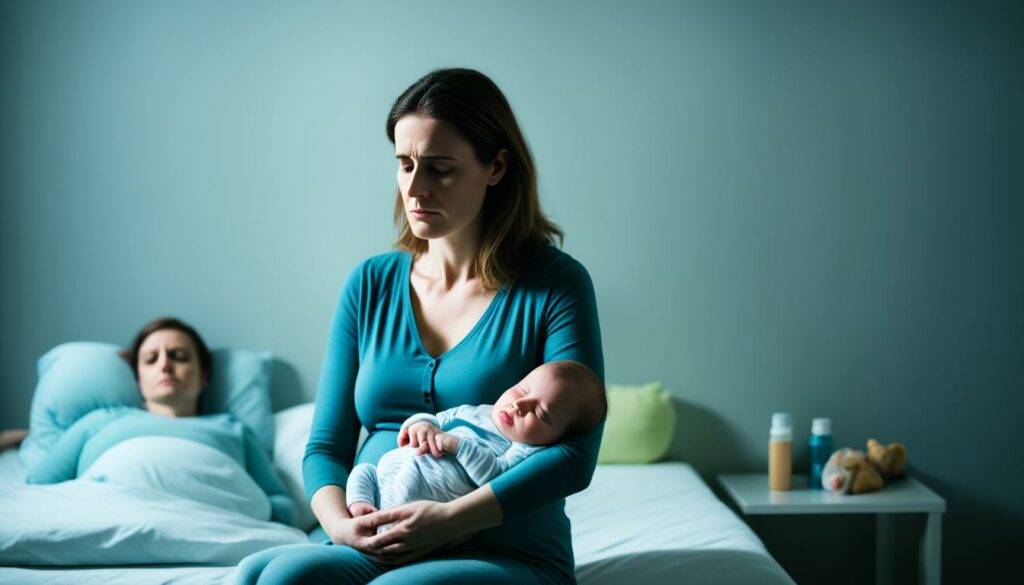
Postpartum depression is common and can begin during pregnancy. Women with gestational depression are at higher risk of developing postpartum depression . It is crucial to monitor the relationship with the pregnancy after birth.
Studies show that depression affects the mother-baby relationship, especially after childbirth. This can impair the baby 's development.
Symptoms of postpartum depression include sadness and loss of interest in activities. Lack of sleep and family support also worsen the problem. Treatment involves medication and psychological support, and it is important to inform both parents about this .
Depressed mothers may be less attentive to their baby's signals. This affects the bond between mother and child. Therefore, educating about the relationship with pregnancy is crucial to preventing postpartum depression.
| Risk Factors | Impacts |
|---|---|
| History of previous depression | Increased risk of postpartum depression |
| Sleep deprivation | Negative impact on mental health |
| Lack of family support | Difficulty in establishing relationships |
| Social isolation | Impaired mother-baby interaction |
Conclusion
Depression during pregnancy is a topic that needs our attention right now. It is crucial to recognize and treat it well to maintain mental health during pregnancy . This benefits both mother and baby. Research indicates that up to 14.8% of pregnant women may suffer from depression, especially if they drink alcohol or lack family support.
Furthermore, factors such as domestic violence and a history of mental disorders increase the risks 12. It is very important to identify the signs of depression quickly. We need psychosocial interventions to support pregnant women and their families. This can change the pregnancy experience, preventing serious health problems for both mother and baby 22 .
To learn more about mental health and pregnancy, see reliable studies at this link .
FAQ
What is depression during pregnancy?
Depression during pregnancy affects about 10% of pregnant women. It brings symptoms such as sadness, loss of interest, and problems with sleep and appetite.
What are the symptoms of depression during pregnancy?
Symptoms include sadness, fatigue, loss of interest, and problems with sleep and appetite. Feelings of guilt and difficulty concentrating may also occur. Anxiety and panic attacks are common.
How can depression during pregnancy affect the baby's health?
Untreated depression can lead to low birth weight and inadequate growth. Babies may have high cortisol levels and be more hyperactive.
What are the risk factors for depression during pregnancy?
Risk factors include a history of psychiatric disorders, lack of emotional support, and financial problems. These factors make pregnant women more vulnerable to depression.
How is depression treated during pregnancy?
Treatment may include psychotherapy for mild symptoms. In severe cases, medication may be used, but caution should be exercised to ensure the safety of the fetus.
What can we do to cope with depression during pregnancy?
To cope with depression, it's important to practice self-care, such as exercise and a healthy diet. Family support is crucial, as it helps the pregnant woman feel safe.
Is it possible to prevent depression during pregnancy?
Yes, preventing depression during pregnancy can be done with psychological counseling and social support. It's important to adopt healthy strategies and seek out support groups.
What is postpartum depression and how is it related to depression during pregnancy?
Postpartum depression can develop after childbirth and may be a continuation of depression during pregnancy. Women who experienced depression during pregnancy have a higher risk of developing postpartum depression.
🌟 Have you considered seeking a therapist to support your well-being journey?
If this article sparked reflections about positive changes in your life, perhaps now is the ideal time to take the next step. Do you know hypnosis as a therapeutic tool? This approach can be surprisingly effective for various personal challenges.
Special offer: Book a free 20-minute consultation with therapist Fabio Morus and discover how therapy can transform your life.
✨ No commitment — Completely free — 20 minutes that can make a difference
👉 Click here to book your free consultation
Don't postpone your well-being any longer. The first step to change is just one click away.