
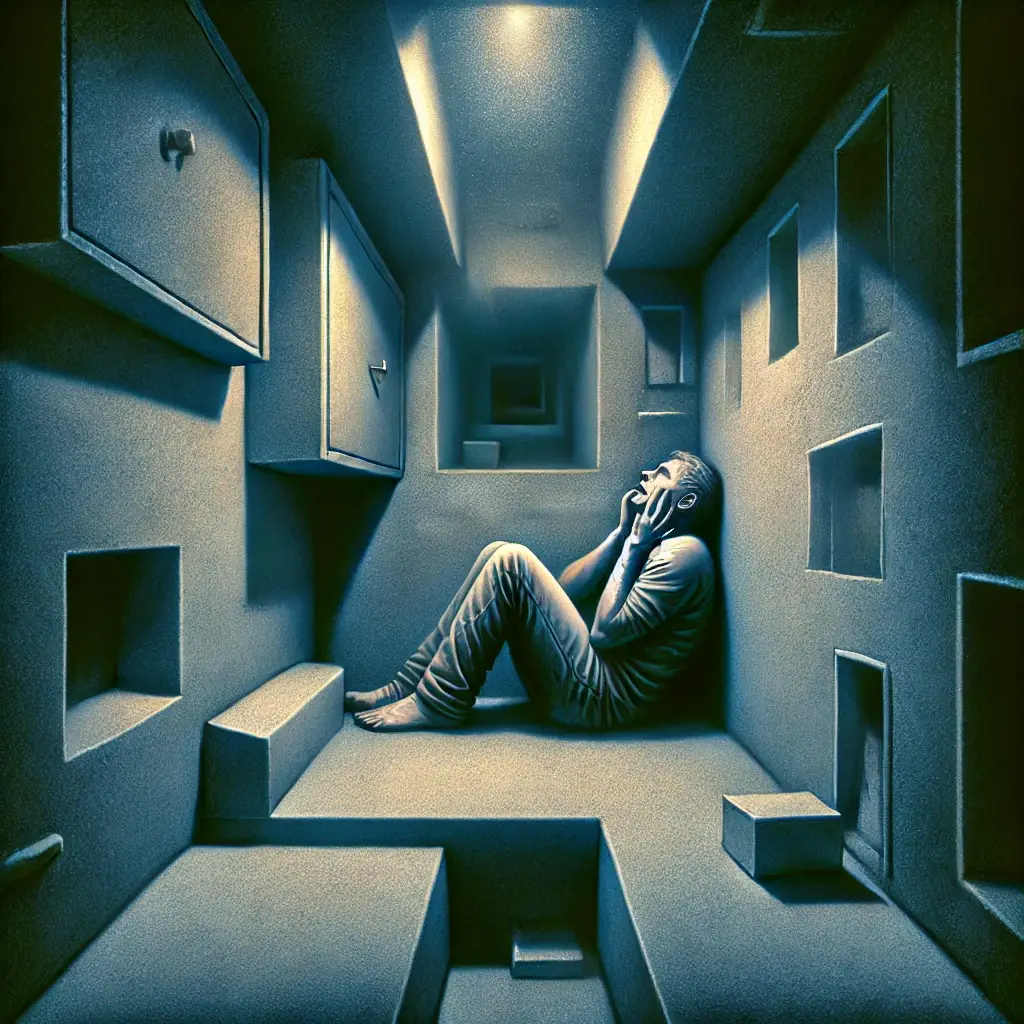

Have you ever felt trapped in small spaces? Claustrophobia is a fear that can bring your life to a standstill. It makes enclosed spaces terrifying, robbing you of your freedom.
Discovering the signs of claustrophobia is the first step to feeling better. In this guide, we'll show you how to confront this fear, so you can improve your life.
Key Points
- Understanding the symptoms of claustrophobia
- Identifying emotional triggers
- Anxiety management techniques
- Safe coping strategies
- Pathways to professional treatment
What is Claustrophobia and How Does it Impact Daily Life?
Claustrophobia is an anxiety disorder that affects many people. About 25% of the world's population experiences claustrophobia at some point. This shows how common it is.
Definition and Main Causes
Signs of claustrophobia include a fear of small spaces. The main causes are:
- Past traumatic experiences
- Genetic predisposition to anxiety disorders
- Family history of phobias
- Confinement events in childhood
Impacts on Daily Routine
Treatment for claustrophobia is crucial. People with claustrophobia avoid many things. This includes:
- Elevators
- crowded public transport
- Rooms without windows
- Enclosed spaces in general
Groups of risk
Some groups are more likely to experience claustrophobia:
| Group | Probability |
|---|---|
| People with a history of trauma | High |
| Individuals with anxiety disorders | Moderate to High |
| People with a family history of phobias | Moderate |
Understanding the symptoms and seeking treatment early can greatly improve the lives of those with claustrophobia.
Claustrophobia: Symptoms and Physical Manifestations

It's essential to know the signs of claustrophobia in order to understand and cope with it. Anxiety in enclosed spaces brings strong physical symptoms. These symptoms greatly affect the health of those who suffer from it.
The main signs of claustrophobia include:
- Rapid heartbeat
- Rapid and labored breathing
- Intense sweating
- Involuntary tremors
- Feeling faint or dizzy
To identify claustrophobia, it's important to pay attention to details. Symptoms can vary greatly. Some people experience it less, others more.
Additional manifestations may include:
- A feeling of tightness in the chest.
- Dry mouth
- Chills or hot flashes
- Nausea
- Spatial disorientation
In severe cases, people may feel that their environment is changing. It may seem as if the walls are closing in. These sensations increase anxiety and physical symptoms.
Each person reacts uniquely to claustrophobia. Symptoms can vary greatly from person to person.
Situations that trigger claustrophobia.
Claustrophobia can appear in various places, greatly affecting people's lives. It is essential to know the signs in order to deal with anxiety in enclosed spaces.
Common Indoor Environments
Some places tend to cause claustrophobia, bringing on a lot of anxiety:
- Small and cramped elevators
- Rooms without windows or with poor ventilation.
- Narrow tunnels
- Crowded public transport
- Cars with limited space
Challenging Social Situations
How can you tell if claustrophobia is present in social situations? Some places can trigger strong reactions:
- Crowds at closed events
- Queues in places with poor air circulation.
- Meetings in small rooms
- Underground transportation such as subways
Unexpected Triggers
Some triggers may surprise people with claustrophobia:
- Medical tests such as magnetic resonance imaging (MRI).
- Dental procedures
- Airplane cabins during turbulence.
- Movie theaters with lots of people
| Type of Environment | Trigger Level | Common Symptoms |
|---|---|---|
| Elevator | High | Sweating, tachycardia |
| Crowded Subway | Average | Anxiety, shortness of breath |
| Magnetic Resonance Imaging (MRI) | Very High | Panic, tremors |
Important: Each person experiences claustrophobia uniquely. It is crucial to seek professional help to understand and treat these symptoms.
Differences Between Claustrophobia and Other Anxiety Disorders

Claustrophobia is unique among anxiety disorders. It has characteristics that make it stand out. Many disorders have anxiety symptoms, but claustrophobia has specific triggers.
The symptoms of claustrophobia appear in enclosed spaces. This causes a very strong fear. Unlike other disorders, claustrophobia manifests only in confined environments.
- Panic Disorder: Characterized by sudden episodes of fear in various situations.
- Claustrophobia: A specific fear of enclosed spaces.
- Agoraphobia: Fear of places from which escape would be difficult.
Treatment for claustrophobia is specialized. Approximately 4% to 5% of the population suffers from it. Furthermore, 30% of those affected experience symptoms of both claustrophobia and agoraphobia.
Cognitive Behavioral Therapy (CBT) is very effective. It helps reduce symptoms in 60% to 80% of cases. The techniques used help to understand the fear of confined spaces.
Genetics also plays a role in claustrophobia. About 10% of the population has a family history of it. This shows that the fear can have deep roots.
Diagnostic and Professional Assessment Methods

To determine if someone has claustrophobia, a careful evaluation is necessary. Understanding the signs is important in order to seek the right treatment.
To diagnose claustrophobia, professionals carefully analyze the symptoms. They observe how the disorder affects the patient's life. They use specific criteria to assess the intensity and impact of the disorder.
Essential Diagnostic Criteria
- Intense fear in enclosed spaces
- Persistent anxiety in confined environments
- Involuntary physical reactions
- Systematic avoidance of uncomfortable situations.
When to Seek Professional Help
Seeking help is essential when claustrophobia affects your life. Early intervention can prevent symptoms from worsening .
| Warning Signs | Impact on Life |
|---|---|
| Panic in elevators | Professional limitations |
| Excessive sweating | Social restrictions |
| Tachycardia in enclosed spaces | Mental health problems |
Treatment for claustrophobia may include therapy and sometimes medication. Each person needs a treatment plan that suits them individually.
Conventional Treatments and Available Therapies
Claustrophobia requires treatments that address the problem in multiple ways. There are several strategies that help to cope with this emotional challenge.
To treat claustrophobia, there are some important options:
- Cognitive Behavioral Therapy (CBT)
- Gradual Exposure Therapy
- Drug Interventions
- Hypnosis for claustrophobia symptoms
Cognitive Behavioral Therapy is very effective. It helps to change thoughts that cause anxiety in enclosed spaces .
Hypnotherapy for anxiety is a promising technique. It helps to change reactions to fear, creating new ways of reacting to situations that previously caused panic.
In more severe cases, anti-anxiety medications may be used, but always with careful medical supervision. Psychological therapy and medication can yield significant results.
Exposure therapy is another important method. The patient gradually becomes accustomed to environments that previously frightened them. This is done in a safe and controlled manner, helping to reduce anxiety.
The Role of Hypnosis in the Treatment of Claustrophobia
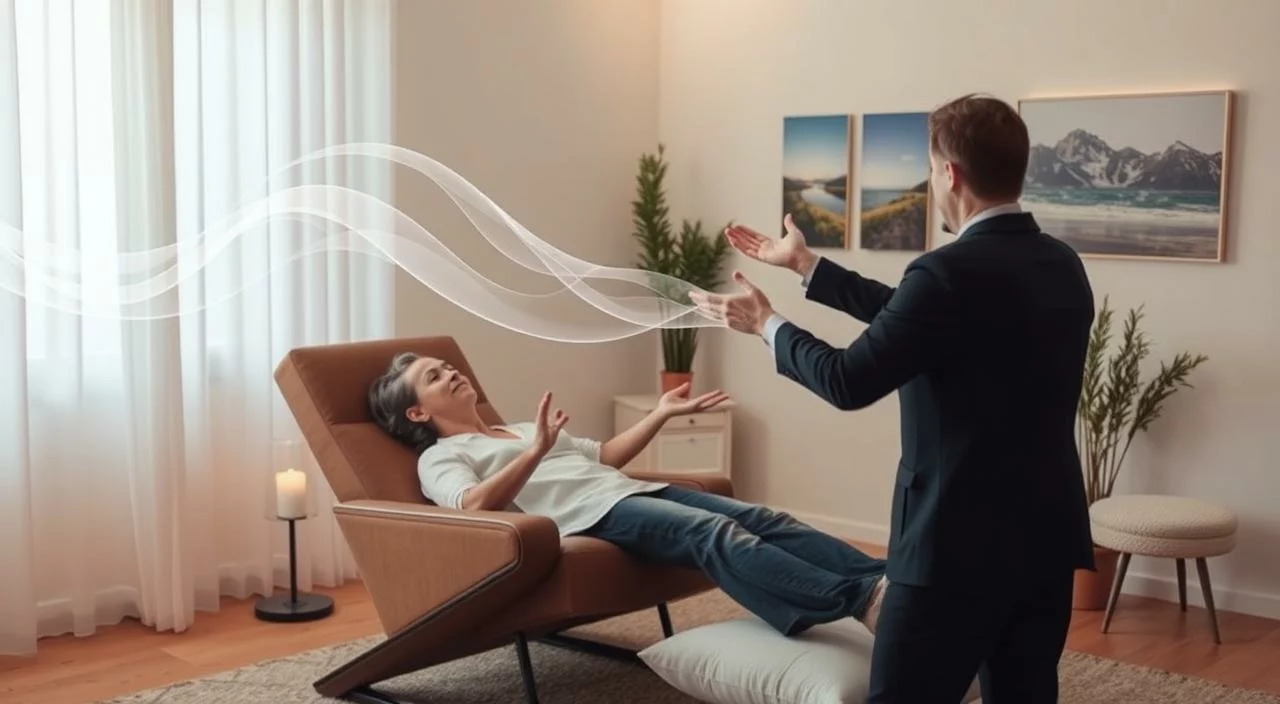
Hypnosis is becoming a promising therapeutic option. It helps people with claustrophobia. This innovative approach offers a new way to deal with anxiety in enclosed spaces.
Hypnotherapy for anxiety is very helpful. It helps patients see their experiences in a different way. They learn to cope better with fear.
Benefits of Hypnotherapy
The benefits of hypnosis for claustrophobia are significant:
- It greatly reduces anxiety.
- It changes automatic emotional reactions.
- Increases relaxation.
- Find the psychological triggers.
Treatment Process
How does hypnosis help with claustrophobia? The process uses special techniques:
- Induction of deep relaxation
- Accessing the subconscious to change fear.
- It creates new positive mental associations.
- It strengthens emotional resilience.
The technique helps the patient to see enclosed spaces in a different way. This transforms fear into something manageable.
Breathing and Relaxation Techniques for Symptom Control
Breathing exercises are very helpful in treating claustrophobia. They can calm the nervous system and reduce symptoms. This happens when anxiety starts to appear.
Diaphragmatic breathing is very important. This technique helps control the stress response .
- Deep diaphragmatic breathing
- Progressive muscle relaxation
- Mindfulness meditation
- Guided visualization techniques
Hypnotherapy also helps with anxiety. It teaches you to cope better with fear. In this way, the patient learns to control their feelings.
| Technique | Benefit | Practice Time |
|---|---|---|
| Diaphragmatic Breathing | Reduces immediate anxiety. | 5-10 minutes |
| Muscle Relaxation | Reduces physical tension. | 15-20 minutes |
| Mindfulness Meditation | Control anxious thoughts. | 10-15 minutes |
Practicing these techniques helps a lot. They make a person feel stronger emotionally. Therefore, claustrophobia doesn't affect daily life as much.
Lifestyle Changes to Prevent Crises
To understand claustrophobia, it's necessary to look at lifestyle. Changes can greatly help control and prevent symptoms.
Some important strategies include:
- Regular physical exercise can help reduce stress.
- Maintaining a balanced and nutritious diet
- Limit your consumption of caffeine and alcohol.
- Establish a healthy sleep routine.
To treat claustrophobia, it's essential to manage stress. Controlled breathing techniques are very effective. They help calm the nervous system when we are anxious.
Hypnotherapy also helps with anxiety. It can change how we react to situations that frighten us.
- Meditate daily for 10-15 minutes.
- Practice deep breathing techniques
- Keep a diary of triggers and emotions.
- Seek support from specialized groups.
Everyone is different. Managing claustrophobia takes time and personal effort.
Coping Strategies in Daily Life
Managing claustrophobia requires a variety of approaches. This includes self-help techniques, social support, and specialized treatments. Developing effective strategies can change how we cope with this emotional challenge.
Self-Help Techniques for Anxiety Management
Treating claustrophobia with hypnosis offers a new way to cope with fears. Some self-help techniques are very important:
- Practice controlled breathing exercises.
- Perform positive visualizations
- Use empowering statements
- Implement progressive muscle relaxation techniques.
Family and Social Support
Understanding one's social circle is essential in treating claustrophobia. Sharing vulnerabilities can reduce isolation. This promotes group coping strategies.
| Type of Support | Benefits |
|---|---|
| Family | Reducing emotional stress |
| Support Group | Exchange of experiences and strategies |
| Professional | Specialized guidance |
Try Hypnotherapy
Hypnotherapy for anxiety is very effective. It allows you to change deep emotional responses. This offers a new perspective on inner fears.
Using these strategies together creates a comprehensive approach to dealing with claustrophobia. This allows for a freer and more peaceful life.
Conclusion
Claustrophobia is a major challenge for many people. It causes intense anxiety in enclosed spaces. But it's not an unsolvable problem.
There are several ways to treat claustrophobia. This includes traditional therapies and newer techniques. Hypnosis, for example, can be very helpful.
Studies show that 70% of people can improve with treatment. This brings hope to those who suffer from claustrophobia.
To overcome claustrophobia, it's important to seek help early. Having professional and family support helps a lot. With practice and therapy, it's possible to conquer the fear.
Every small step is a victory. Overcoming claustrophobia is a unique journey for each person. With determination, it's possible to feel free again.
Source Links
| Link Description | Link |
|---|
| Claustrophobia: Causes, Symptoms, and Treatment | https://www.apollohospitals.com/pt/diseases-and-conditions/claustrophobia/ |
| Claustrophobia: what it is, symptoms, causes and treatment | https://www.tuasaude.com/claustrofobia/ |
| Claustrophobia: what it is, causes, symptoms, and how to treat it. | https://www.conexasaude.com.br/blog/claustrofobia/ |
| Claustrophobia: what it is, what are the symptoms and treatments? | https://zenklub.com.br/blog/para-voce/claustrofobia |
| Claustrophobia: what you should know about this disorder. | https://www.cuf.pt/mais-saude/claustrofobia-o-que-deve-saber-sobre-esta-perturbacao |
🌟 Have you considered seeking a therapist to support your well-being journey?
If this article sparked reflections about positive changes in your life, perhaps now is the ideal time to take the next step. Do you know hypnosis as a therapeutic tool? This approach can be surprisingly effective for various personal challenges.
Special offer: Book a free 20-minute consultation with therapist Fabio Morus and discover how therapy can transform your life.
✨ No commitment — Completely free — 20 minutes that can make a difference
👉 Click here to book your free consultation
Don't postpone your well-being any longer. The first step to change is just one click away.