
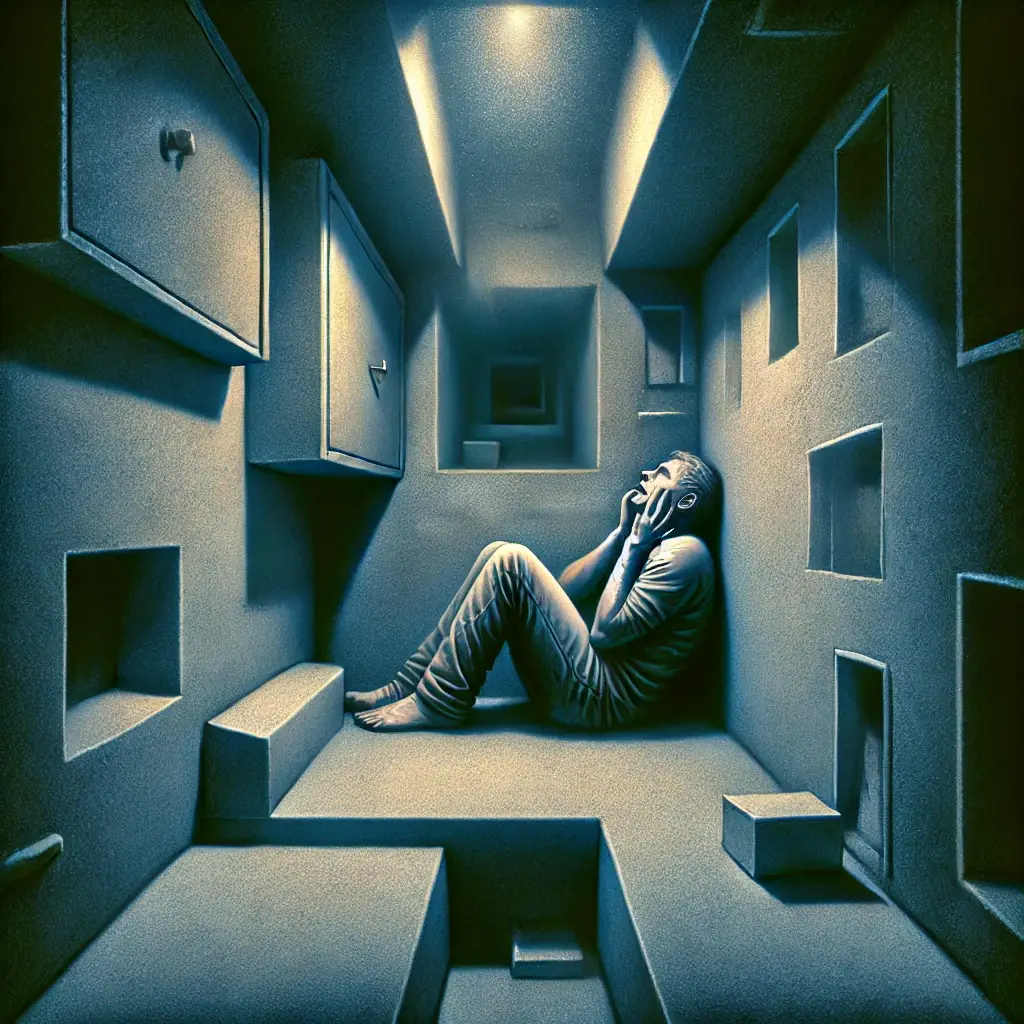

Have you ever felt unwell when entering an elevator or being in a small space? The fear of enclosed spaces, called claustrophobia, is very frightening for many people.
Claustrophobia is an anxiety problem that affects many people. We want to answer your questions and give tips on how to deal with the fear of enclosed spaces.
Let's talk about what's most important about this problem. We'll help you better understand the fear of enclosed spaces. And also show you how to overcome it.
Key Insights
- Claustrophobia is an intense fear of confined spaces.
- It affects people of all ages.
- It can have a genetic origin or develop throughout life.
- There are effective coping strategies.
- Professional treatment can help control the symptoms.
What is Claustrophobia and its Significance in Mental Health?
Claustrophobia is an anxiety disorder . It causes people to have an intense fear of enclosed spaces. This greatly affects the lives of those who suffer from it, causing emotional and physical problems in tight places.
Medical Definition and Classification
Claustrophobia is not just any fear. It is a specific phobia within the anxiety disorders. It is characterized by:
- Irrational fear of confined spaces
- Panic reactions in enclosed spaces
- Recognizing the fear as disproportionate
Impact on Daily Life
Claustrophobia severely limits daily activities. Those who suffer from it often avoid:
- Elevators
- Public transport
- Rooms without windows
- Very crowded environments
Prevalence in the Population
Studies show that 4% to 5% of the world's population has claustrophobia. 75% of people are able to overcome their fears with cognitive behavioral therapy .
With the right treatment, the life of someone with claustrophobia can change dramatically.
What causes claustrophobia?
Claustrophobia doesn't have a single cause. It stems from a combination of genes, psychology, and personal experiences. Often, it arises after traumatic situations in enclosed spaces.
The main causes of claustrophobia are:
- Genetic and biological factors
- Traumatic childhood experiences
- Neurological predisposition
- Environmental and family influences
Studies show that 25% of the world's population may have claustrophobia. This could be due to neurological characteristics, such as a more sensitive amygdala.
| Factor Type | Description | Impact |
|---|---|---|
| Biological | Genetic predisposition | High sensitivity to confined spaces |
| Psychological | Previous traumas | Trigger for phobic development |
| Environmental | Family learning | Transmission of fear behaviors |
The transmission of fears between generations is very important. Children can learn to be anxious from their caregivers. Traumatic experiences can make this anxiety worse.
Understanding the causes of claustrophobia helps in finding better treatments, as well as strategies for coping with the fear.
What are the symptoms of claustrophobia?
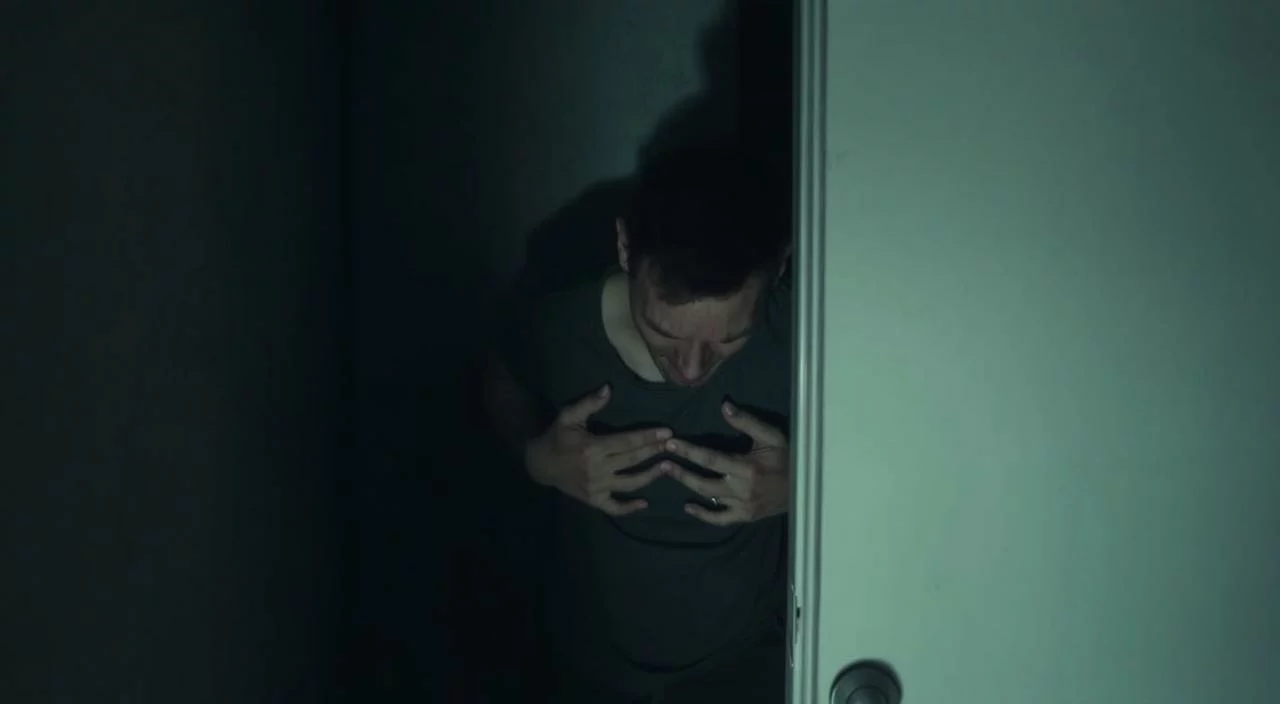
Claustrophobia is anxiety that arises in enclosed spaces. It causes many physical and emotional symptoms. These symptoms can be very disturbing.
Physical Signs During a Crisis
When claustrophobia strikes, the body reacts in various ways. The signs may include:
- accelerated heart rate
- Hyperventilation
- Intense sweating
- Tremors
- Feeling of suffocation
Emotional and Behavioral Reactions
Anxiety in enclosed spaces brings about various emotional reactions. Some of them are:
- Intense panic
- Immediate desire to escape
- Feeling of loss of control
- Fear disproportionate to the environment.
Common Triggers
Some places can make claustrophobia worse. Here are some examples:
| Environment | Trigger Potential |
|---|---|
| Elevators | High |
| Rooms without windows | Very high |
| Crowded public transport | High |
| Tunnels | Average |
Important: These symptoms, while frightening, are manifestations of anxiety that can be treated with appropriate professional support.
Claustrophobia Meaning: Understanding the Psychological Aspect
Claustrophobia is not just a fear of enclosed spaces. It's a complex anxiety disorder that significantly impacts people's lives. The American Psychiatric Association says it's one of the most challenging anxiety disorders.
The psychological aspects of claustrophobia include:
- Constant anticipation of lockdown situations.
- Development of psychological defense mechanisms
- Significant impact on daily functioning
What is claustrophobia ? It's more than a physical reaction. It's a mental state where the fear of confined spaces causes intense anxiety. About 12.5% of the population experiences this phobia at some point in their lives.
The psychological experience of claustrophobia is complex. The anticipation of fear can be as debilitating as the actual experience of confinement . People with this disorder avoid situations that frighten them, limiting their life experiences.
The psychological impact is significant. Up to 30% of people with phobias develop other anxiety disorders. This demonstrates the profound emotional dimension of this challenge.
Professional Diagnosis and Assessment
Claustrophobia is a complex disorder. It requires careful evaluation by mental health professionals. Knowing the correct diagnostic criteria helps to identify and treat this condition.
Essential Diagnostic Criteria
To diagnose claustrophobia, it's necessary to carefully analyze the symptoms. They significantly affect the patient's life. The main criteria are:
- Intense and persistent fear of enclosed spaces.
- Anxiety disproportionate to the actual environment.
- Recognizing fear as irrational
- Significant interference with daily activities
When to Seek Professional Help
Seeking treatment for claustrophobia is essential when symptoms significantly impact one's life. Therapy can help manage and overcome this disorder.
| Signs that Intervention is Needed | Impact on Daily Life |
|---|---|
| Systematically avoid enclosed spaces. | Difficulty using elevators |
| Frequent panic attacks | Restrictions on travel and public transport |
| Intense physical symptoms | Professional and social losses |
It's crucial to remember that claustrophobia can be treated. Don't suffer in silence . A mental health professional can be of great help. They offer effective strategies to manage and overcome this challenge.
Available Treatment Methods
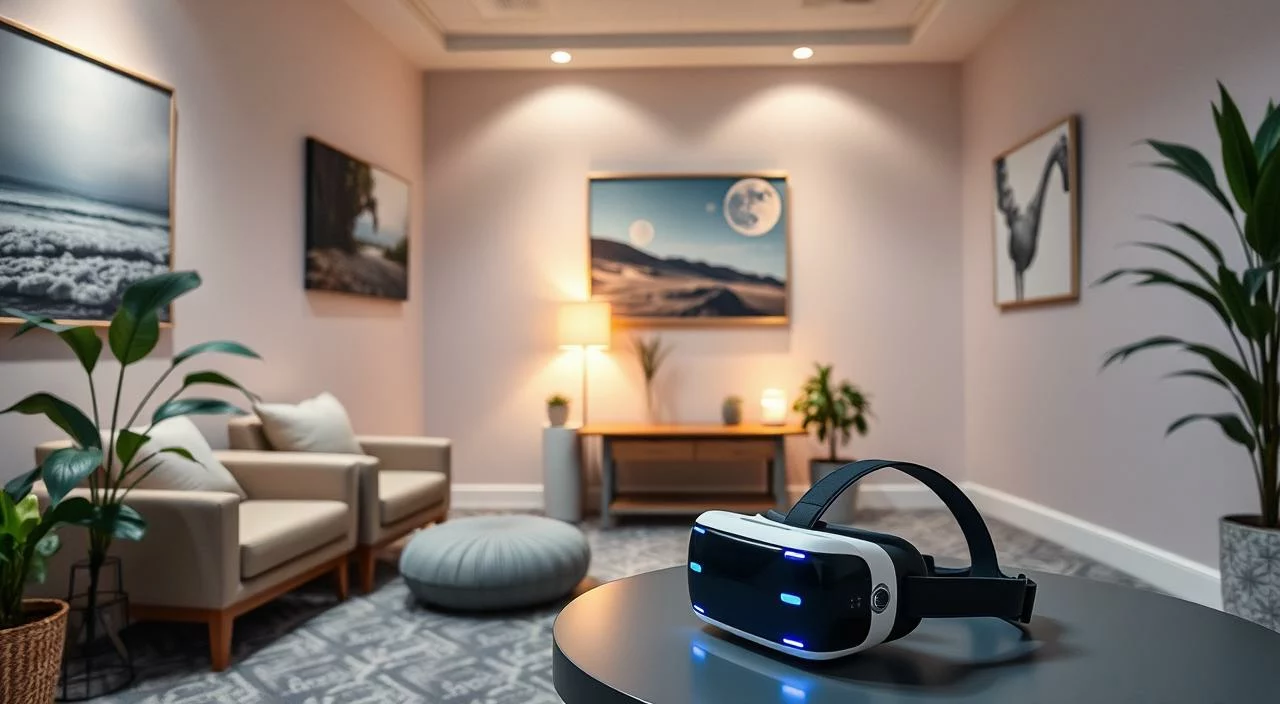
Treatments for claustrophobia offer hope. They help people cope with this disorder. There are several effective ways to overcome the fear.
The main treatment methods include:
- Cognitive Behavioral Therapy (CBT)
- Gradual Exposure Therapy
- Relaxation Techniques
- Psychiatric Medication
Cognitive Behavioral Therapy is very effective. This therapy helps to change negative thoughts about enclosed spaces . Patients learn to face their fears and cope with anxiety.
In gradual exposure therapy, patients are confronted with situations that frighten them. This helps to reduce fear.
Medications can also help. Anxiolytics and antidepressants can reduce anxiety. About 60-70% of patients improve significantly with them.
Relaxation techniques are also important. These include:
- Deep breathing
- Meditation
- Mindfulness exercises
- Progressive muscle relaxation
Virtual reality is a new technique. It allows patients to confront their fears safely. This technique shows good results in the treatment of claustrophobia.
Seeking professional help is essential. Each person reacts differently to treatments. A specialist can help find the best way to overcome claustrophobia.
Does Hypnotherapy Work for Claustrophobia?
Hypnosis is very helpful for those who suffer from claustrophobia. Studies show that hypnotherapy greatly improves the treatment of severe fears.
- 18 patients proved susceptible to hypnosis.
- 93.8% underwent MRI scans without problems.
- 82% experienced fewer symptoms of claustrophobia.
Hypnotherapy helps to change the subconscious. It causes the patient to:
- Control your emotions better.
- Reduce the fear
- Change the way you view past experiences.
| Technique | Effectiveness | Average Time |
|---|---|---|
| Hypnotic Induction | 82% | 5.3 minutes |
| Therapeutic Trance | 93.8% | 25.3 minutes |
It is very important to choose a specialist to ensure safe and good results in hypnosis for claustrophobia.
Coping Strategies During Crises
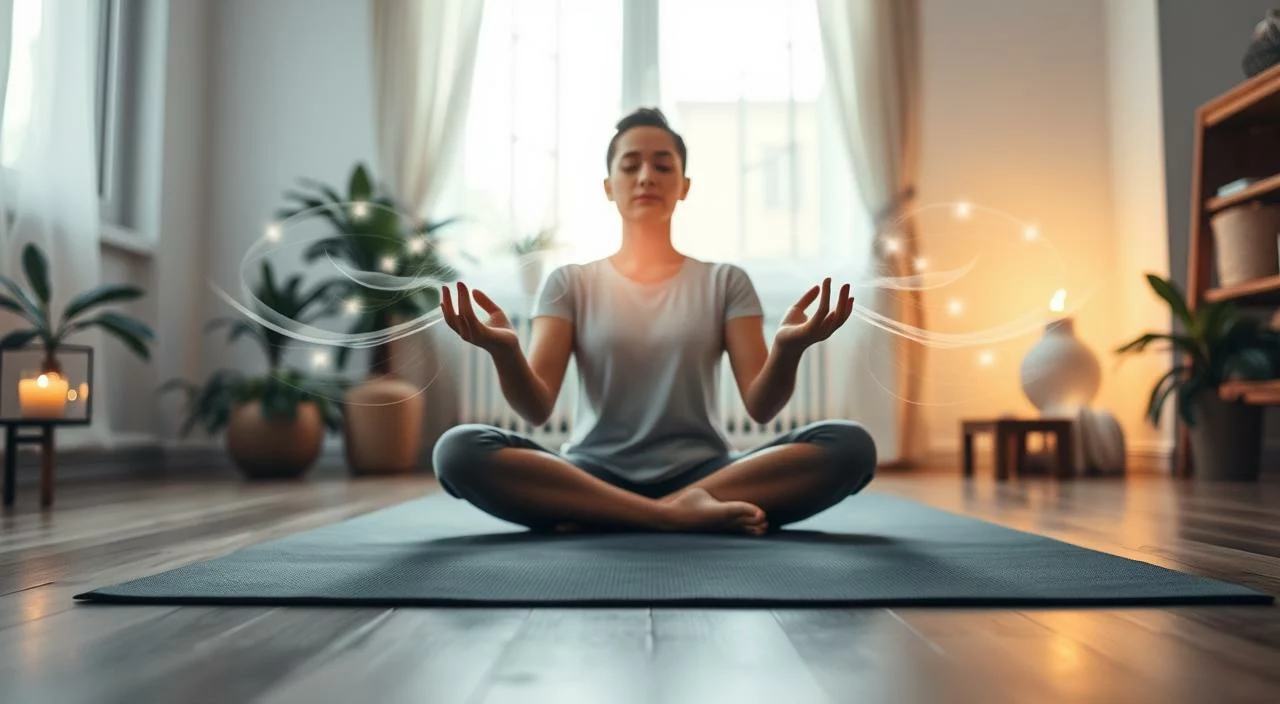
Dealing with claustrophobia requires specific techniques. These help manage emotional fear. During a crisis, it's crucial to have practical strategies to calm down and regain control.
Breathing Techniques for Emotional Control
Breathing techniques are essential in emotional treatment with hypnotherapy . There are specific methods for calming the nervous system:
- Deep diaphragmatic breathing
- Square breathing technique (4-4-4-4)
- Alternate nostril breathing
Muscle Relaxation Exercises
Relaxation exercises can break the cycle of anxiety. They help control the physical symptoms of claustrophobia.
| Technique | Benefit |
|---|---|
| Progressive Muscle Relaxation | Reduces physical tension. |
| Guided Visualization | It distracts you from the feeling of fear. |
| Mindfulness Meditation | Calms anxious thoughts. |
Remember: these strategies are skills that can be developed with consistent practice. Every small step counts in your process of overcoming challenges.
Prevention and Long-Term Management
Overcoming claustrophobia requires constant effort. It's necessary to take care of yourself and work on your emotional development. Long-term management isn't about eliminating fear completely. It's about learning to control it effectively.
To heal emotionally, it is essential to:
- Maintain a regular routine of relaxation practices.
- Engage in consistent physical exercise.
- Cultivate a balanced diet that supports mental health.
- Practice breathing and meditation techniques.
Gradual exposure to challenging situations is crucial. Each small victory strengthens confidence. It also lessens the impact of claustrophobia.
| Strategy | Benefit |
|---|---|
| Cognitive-behavioral therapy | Restructuring thought patterns |
| Support groups | Sharing experiences and providing emotional support. |
| Mindfulness techniques | Reducing anxiety and increasing awareness. |
The journey of overcoming claustrophobia is personal and requires patience. Each individual develops unique strategies that work best for their specific condition.
When should you seek professional help?
Claustrophobia can make even simple moments very difficult. Knowing when to seek help is essential to improving your life.
There are signs that indicate you need help:
- Your fears prevent you from doing simple things.
- Do you experience panic attacks in enclosed spaces?
- The symptoms cause you a lot of suffering.
- Your work and relationships are being affected.
Hypnotherapy treatment can be very helpful. Around 70% of healthcare professionals use hypnosis to treat phobias.
Remember: seeking help shows courage and self-care. About 5% of people have claustrophobia. The right treatment can completely change your life.
Cognitive behavioral therapy helps in 80% of cases. It brings hope and provides strategies to overcome claustrophobia.
Conclusion
The journey of understanding claustrophobia shows that it doesn't define life. Millions of Brazilians live with it. But, with treatment and support, it's possible to overcome it.
Overcoming claustrophobia requires courage and persistence. Cognitive behavioral therapy is very helpful. It helps transform fear into treatment.
The road to recovery is unique and takes time. Every small step forward is important. Celebrating these moments helps a lot.
Mental health professionals are ready to help. They teach techniques for coping with fear. With determination and treatment, it is possible to grow and overcome claustrophobia.
Source Links
| Title | Description | Link |
|---|---|---|
| Claustrophobia - What it is, Symptoms and Treatment | Information about what claustrophobia is, its symptoms, and available treatments. | Health Voucher |
| EMDR emerges as an effective solution in the treatment of claustrophobia. | Article about the effectiveness of EMDR therapy in treating claustrophobia and its benefits. | State of Minas |
| Claustrophobia: what it is, causes, symptoms, and how to treat it. | A comprehensive guide to claustrophobia, including its causes and forms of treatment. | Conexa Health |
| Claustrophobia: Causes, Symptoms, and Treatment | Information about the causes, symptoms, and treatment options for claustrophobia. | Apollo Hospitals |
| How do I know if I have claustrophobia? | An article that helps identify the symptoms of claustrophobia and when to seek professional help. | Drauzio Varella |
| Do you know what claustrophobia is? Discover the 3 main causes here. | Explanation of what claustrophobia is and its main causes. | Psychiatrist Karine Cunha |
| Learn More About Claustrophobia | This article explores claustrophobia, its effects on daily life, and treatment options. | TelaVita |
🌟 Have you considered seeking a therapist to support your well-being journey?
If this article sparked reflections about positive changes in your life, perhaps now is the ideal time to take the next step. Do you know hypnosis as a therapeutic tool? This approach can be surprisingly effective for various personal challenges.
Special offer: Book a free 20-minute consultation with therapist Fabio Morus and discover how therapy can transform your life.
✨ No commitment — Completely free — 20 minutes that can make a difference
👉 Click here to book your free consultation
Don't postpone your well-being any longer. The first step to change is just one click away.