
Have you ever felt chest pain due to anxiety and been frightened? Many people think of a heart problem when they feel chest pain. But often, chest pain can be caused by anxiety , and not by a serious problem. This guide will show you the differences between chest pain due to anxiety and chest pain due to heart problems. You will also learn how to relieve this symptom and take care of your mental health. Brazil is the most anxious country in the world , according to the World Health Organization. The COVID-19 pandemic has doubled cases of depression and anxiety in the country . Understanding chest pain due to anxiety is crucial to improving our lives and well-being.
What is chest pain caused by anxiety?
Chest pain due to anxiety is common in people with anxiety disorders. This sensation can feel like a heart attack, which causes a lot of worry. But the main difference is the patient’s reaction. Someone having a heart attack feels more physical discomfort. Someone with anxiety is more frightened by what is happening.Symptoms of chest pain due to anxiety
Anxiety can cause other symptoms, such as tremors, palpitations, and shortness of breath . This happens because the sympathetic nervous system is activated, preparing the body for stress or danger.Difference between chest pain due to anxiety and heart attack.
Pain from a heart attack is like a tightness and pressure in the chest, which can radiate to the neck and arms . It comes with shortness of breath, nausea, and cold sweats. Pain from anxiety, on the other hand, is more localized and brings more fear and psychological discomfort. It is crucial to consult a doctor to rule out heart problems. In cases of strong symptoms, it is good to see a cardiologist and a psychologist. This way, you can understand what is happening and receive the right treatment. Anxiety can cause pain in the back, shoulders, and neck . This happens because psychological tension affects the body. Understanding the difference between pain from anxiety and pain from heart problems is essential for treatment.Causes of chest pain related to anxiety
Chest pain due to anxiety is common in people with anxiety disorders , depression, stress, and panic attacks. These psychological problems can stem from a busy day, personal issues, or other challenges. They can cause chest pain, as well as other symptoms such as tremors and shortness of breath . Anxiety , stress, and depression increase muscle tension and heart rate. This can cause a person to feel chest pain even without being stressed . The COVID-19 pandemic, for example, increased cases of depression and anxiety in Brazil . Studies show that half of the patients who go to the emergency room with chest pain are not having a heart attack. They may have muscle problems that cause pain . This pain can be confused with a heart attack due to similar symptoms such as chest tightness and shortness of breath. In pericarditis , patients have fever and signs of inflammation. Tests such as an electrocardiogram are necessary for diagnosis. Gastroesophageal reflux can also cause chest pain, but it is rare. It can be treated with medication and, in severe cases, surgery . Costochondritis is an inflammatory process that affects the cartilage of the ribs. It is diagnosed with physical examinations and X-rays, and treated with medication and physiotherapy . Pancreatitis is another cause of chest pain, an inflammation of the pancreas that can be very painful and requires hospitalization . In short, anxiety is a significant cause of chest pain, even without heart problems. It is important to know how to differentiate the symptoms of anxiety from those of heart problems in order to seek the correct medical help.
Identifying chest pain caused by anxiety
Signs and symptoms of anxiety with chest pain
When someone has an anxiety or panic attack, in addition to chest pain, they may experience other symptoms. These include tremors, palpitations, sweating, shortness of breath, and a feeling of suffocation. There may also be nausea, dizziness, fear of dying or going crazy, numbness, and chills or intense heat. These symptoms may be new or frequent in those who already have anxiety. They can also occur in those who have never had anxiety before . Chest pain from anxiety usually comes with other symptoms. These include rapid breathing, excessive sweating, accelerated heart rate, nausea, and bowel problems. Anxiety also causes tension, difficulty focusing, restlessness, and distress. In addition, it can lead to sweating, shortness of breath, nausea, and tremors .| Symptoms of a Heart Attack | Symptoms of an Anxiety Attack |
|---|---|
| Chest pain radiating to shoulders and arms, shortness of breath, dizziness, sweating, nausea and a feeling of impending death 9 . | Palpitations, sweating, tremors, chest pain, nausea, dizziness, feeling of suffocation, fear of losing control and fear of dying 9 . |
| Chest pain with a feeling of tightness and burning, usually on the left side, lasting more than 20 minutes. The pain may radiate to the neck, jaw, left arm, or stomach . | Localized, stabbing chest pain in the center of the chest, without radiation 9 . |
| Chest pain, commonly occurring after stress or a large meal, may be accompanied by nausea, cold sweats, shortness of breath, paleness, and a feeling of faintness. 9 | Patients with chest pain due to anxiety may arrive agitated, nervous, or even in a state of panic 9 . |
| More common in men, while panic attacks are more prevalent in women 9 . | - |
“Brazil is considered the most anxious country in the world, according to a WHO survey.” 8Therefore, seeking professional help is essential to understanding the cause of chest pain. This helps in choosing the best treatment, whether for anxiety or heart problems.
chest pain anxiety
Chest pain can be a sign of anxiety, such as panic disorder and depression . This pain can be confused with heart problems, increasing fear and panic . Anxiety, stress, and depression cause the chest to become more tense, leading to pain . Anxiety can cause pain in various parts of the body, such as the neck, back, shoulders, and nape. This occurs when psychological tension is released through the body. Thus, chest pain can show that anxiety affects both the mind and the body. It is crucial to know whether the chest pain is due to anxiety or heart problems. Doctors should perform tests, such as electrocardiograms and echocardiograms, to confirm this . To alleviate the pain caused by anxiety, therapies, exercises, and sometimes medication are used . It is essential that the patient has the right support and follow-up to improve their health.
Treatments to relieve anxious chest pain
Dealing with chest pain due to anxiety requires a comprehensive approach. It’s crucial to talk to the person and help them calm down. Then, take them to an emergency room for treatment if necessary . Ideal treatment includes consultations with mental health professionals, such as psychiatrists and psychologists, to understand and treat the anxiety.Therapies and exercises to reduce anxiety
Alternative therapies can be helpful in aiding recovery 13. Acupuncture, homeopathy, and flower therapy can alleviate anxiety 13. Physical exercise, relaxation, meditation, and yoga are also recommended to reduce anxiety and its effects on the body 12 .Remedies and medications for chest pain caused by anxiety.
If a doctor prescribes medication, it is crucial to follow their recommendations. Never self-medicate, as this can worsen symptoms and cause side effects. It is essential to rely on specialized medical treatment to alleviate chest pain caused by anxiety. In short, an approach that combines conventional and alternative therapies, exercise, and prescribed medication can help alleviate chest pain caused by anxiety. The important thing is to seek professional help and follow recommendations to improve quickly and maintain well-being.Distinguishing chest pain caused by anxiety from other problems
It’s difficult to know if chest pain stems from anxiety or a heart problem. Studies show that the symptoms can be similar, such as chest pain, shortness of breath, and sweating. However, there are differences that help to understand what is happening. Chest pain from a heart attack is described as a tightness or pressure in the chest, which can radiate to the neck and arms . The patient may also experience shortness of breath, nausea, and cold sweats. Chest pain from anxiety is similar, but the patient feels more fear. Chest pain from a heart attack is an emergency that requires prompt attention. Chest pain from anxiety is frightening, but it is not an emergency and can be treated with therapies and medications. Knowing how to differentiate the symptoms is crucial for the right treatment. In the United States, many people go to the emergency room with symptoms of heart disease, but only a few have actual problems. Risk factors for a heart attack include advanced age, smoking, hypertension, high cholesterol, and obesity . Symptoms of an anxiety attack include palpitations, chest pain, tingling in the arms, sweating, dizziness, and nausea . It’s important to be aware of these signs and seek medical help if chest pain is severe . A healthcare professional can make a diagnosis and recommend the right treatment.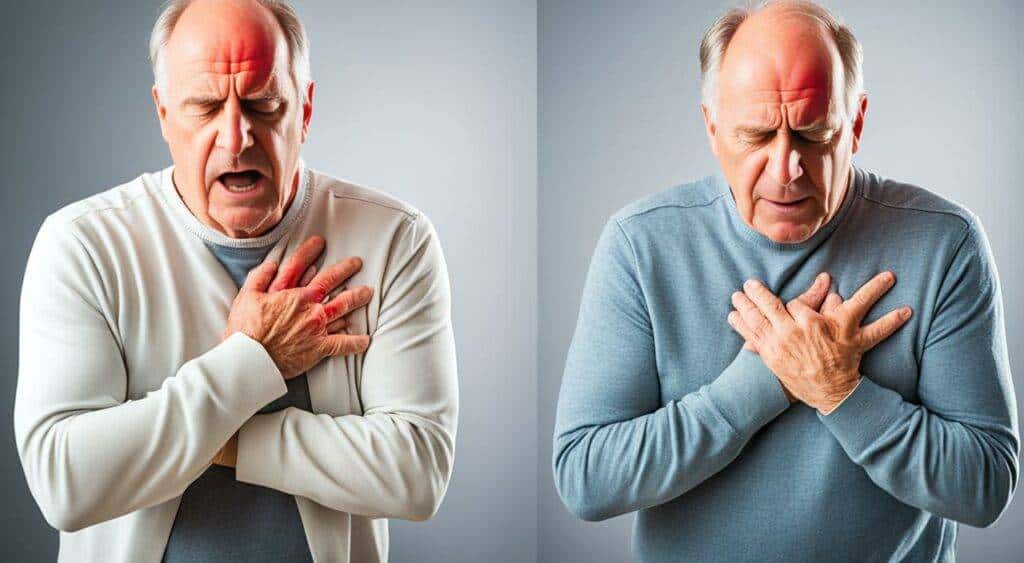
“Age, smoking, hypertension, cholesterol levels, and obesity are important risk factors for heart attack, but these do not directly apply to chest pain caused by anxiety.”
Preventing chest pain caused by anxiety.
To manage anxiety and chest pain , it’s good to start with preventative measures. Physical exercise can be a great choice. It helps control sensations similar to panic attacks in a safe and fun way.16 In addition, leisure activities, such as soccer or dancing, are good for those with anxiety. They improve socialization and are beneficial.17 Maintaining a healthy diet and balanced lifestyle habits is crucial. Avoiding excessive alcohol, coffee , and cigarettes is fundamental.17 Factors such as sedentary lifestyle, smoking, and obesity can worsen chest pain caused by anxiety.18 Practices such as meditation, yoga , and other alternative therapies also help relieve anxious chest pain.17 It is important to recognize warning signs , such as recurring sadness and lack of energy. Seeking professional help is essential for taking care of mental health.18 With a healthy lifestyle and effective strategies, it is possible to prevent and alleviate chest pain caused by anxiety.Conclusion
Chest pain from anxiety is complex and requires care. It’s crucial to know the difference between pain caused by heart problems and pain from anxiety . This helps in choosing the right treatment. Chest pain from anxiety can come along with panic attacks. Other symptoms include tremors, palpitations, and shortness of breath. It is caused by psychological factors such as stress , depression , and anxiety . To deal with anxiety and chest pain , it’s good to seek professional help. Psychotherapy, psychiatry, and lifestyle changes are good options. It’s important to pay attention to warning signs and consult a doctor. This way, you can better understand the pain and receive the right treatment.FAQ
What is chest pain caused by anxiety?
What are the symptoms of chest pain caused by anxiety?
What is the difference between chest pain caused by anxiety and chest pain caused by a heart attack?
What are the causes of chest pain related to anxiety?
How to identify chest pain caused by anxiety?
What are the treatments to relieve anxious chest pain?
How can you tell the difference between chest pain caused by anxiety and other health problems?
How can I prevent chest pain caused by anxiety?
🌟 Have you considered seeking a therapist to support your well-being journey?
If this article sparked reflections about positive changes in your life, perhaps now is the ideal time to take the next step. Do you know hypnosis as a therapeutic tool? This approach can be surprisingly effective for various personal challenges.
Special offer: Book a free 20-minute consultation with therapist Fabio Morus and discover how therapy can transform your life.
✨ No commitment — Completely free — 20 minutes that can make a difference
👉 Click here to book your free consultation
Don't postpone your well-being any longer. The first step to change is just one click away.