
Have you ever thought about the impact an anxiety attack can have on our lives? Many people believe it can lead to death. But it's important to understand the real risks of anxiety.
According to the World Health Organization (WHO), 264 million people worldwide have anxiety disorders. In Brazil, 18.6 million people, or 9.3 % of the population, suffer from these problems. Let's debunk the idea that anxiety can kill and see what the real consequences are.
These consequences go beyond fear and anxiety. They include confusion between anxiety attacks and other health problems.
What is an anxiety attack?
An anxiety attack is a moment of intense fear that can come with physical symptoms, such as a rapid heartbeat and shortness of breath. This situation can be very frightening. But understanding what an anxiety attack is helps to cope with it better.
People often don't know what's going on, and that can cause more problems. It can greatly affect the lives of those who go through it.
Symptoms of an anxiety attack can include a feeling of losing control and intense fear. These symptoms can be difficult to manage. But what's important is how the person reacts to them.
It's crucial to find healthy ways to cope with anxiety. This helps to better manage the symptoms.
Anxiety is not an immediate danger to life. Symptoms such as agitation and tachycardia are not dangerous in themselves 3. But the perception that they are can increase fear and make things worse 4 .
https://www.youtube.com/watch?v=Cw9EXsQey7E
Seeking professional help, such as psychotherapy, is essential for dealing with anxiety in a healthy way. Anxiety doesn't cause death, but it can increase the risk of heart disease if left untreated . With the right knowledge and treatment, we can lessen the negative effects of anxiety.
What causes an anxiety attack?
Anxiety attacks can stem from various causes of extreme anxiety . This varies from person to person. Genetics, trauma, and stressful environments are important factors. The World Health Organization (WHO) states that Brazil has the highest level of anxiety in the world. This affects more than 18 million Brazilians, or almost 10% of the population .
Triggers for anxiety include extreme stress, such as financial crises and separations. The pandemic accelerated anxiety, especially among healthcare professionals. The uncertainty caused by lockdowns increased general anxiety.
Concerns about employment, family health , and economic stability also increase anxiety.6 Anxiety attacks can last from 15 to 30 minutes. Some seek emergency medical attention for fear of new attacks.7 Each person reacts differently to similar situations, demonstrating the complexity of anxiety risk factors .
| Risk Factors | Anxiety Triggers |
|---|---|
| Childhood traumas | Stressful events (e.g., separations, financial crises) |
| Family history of anxiety disorders | Unstable family environment |
| Exposure to continuous stress | Health and financial concerns |
| Pre-existing mental health conditions | Significant life events |
Symptoms of an anxiety attack
The symptoms of an anxiety attack can be physical or psychological. People may experience palpitations , shortness of breath , and an intense feeling of fear . Approximately 18 million Brazilians suffer from anxiety, and many will experience an attack in their lifetime.<sup> 8</sup>
Signs of crisis include:
- Extreme fear
- Heart racing
- Chest pain that may feel like a heart attack.
- Feeling like vomiting
- Uncontrollable irritation
- Feeling of impending death
- Dissociation from the present moment
To be considered an anxiety attack, at least five of these symptoms are necessary. Anxiety and fear are fundamental 9. Symptoms peak within 10 minutes and can last longer, without a specific time frame 9 .
Hyperventilation is not the primary cause of these episodes. Magnification and attention to symptoms are more important .
According to the DSM-5, anxiety disorders cause excessive fear and anxiety. This leads to disruptive behaviors. Symptoms include dysregulated appetite , muscle tension , and excessive worry .
To cope with these episodes, it's good to maintain an active conversation. This helps to distract the person from the symptoms .
https://www.youtube.com/watch?v=JCeVgNa9FDk
Can an anxiety attack kill? Analyzing the risks.
An anxiety attack can make you feel like you're about to die. But in reality, death from anxiety doesn't come from the symptoms themselves. The attack can cause you to act impulsively, which can be dangerous. Studies show that these emotional reactions can lead to impulsive behaviors, such as fleeing from situations that seem dangerous 11 and 12 .
These risks stem from a misinterpretation of symptoms. This can create a negative cycle that affects mental and physical health . For example, anxiety can increase the risk of conditions such as gastritis and tachycardia. Therefore, it is crucial to understand the relationship between anxiety and the serious risks it can bring.<sup> 13 </sup>
Despite the severity of the symptoms, it is possible to manage anxiety with proper care. Therapy, physical exercise, and a balanced diet are fundamental to controlling the effects of anxiety. This helps reduce risks and improve your quality of life.
How to control anxiety attacks
Controlling anxiety is a major challenge for many. Around 20 million Brazilians suffer from anxiety, which shows the importance of using anxiety control techniques for a better life 14. One useful technique is deep breathing. In a crisis, focusing on breathing helps to regain control 15 .
The practice of mindfulness is also very important. It teaches us to stay in the present, pushing away negative thoughts. Mindfulness meditation can reduce symptoms such as palpitations and shortness of breath.<sup> 15</sup>
Anxiety attacks can happen without warning. That's why it's crucial to learn more about them 15. Creating a positive environment and seeking professional help, such as Cognitive Behavioral Therapy, helps to overcome these difficult moments 14 .
https://www.youtube.com/watch?v=BhUMv1xZIUk
Each person needs to find what works best for them. Some prefer distraction, others muscle relaxation or guided imagery.15 This shows that managing anxiety is personal. By exploring these techniques, we can find what we need to cope with crises.
| Anxiety Control Techniques | Benefits |
|---|---|
| Deep breathing | Restores respiratory control |
| Mindfulness | It improves attention and presence in the moment. |
| Muscle relaxation | Relieves physical tension |
| Guided imagination | It helps to calm the mind. |
Treatment for anxiety attacks
Seeking the right treatment for anxiety is crucial for improving our lives. Cognitive behavioral therapy is a great choice. It helps change negative thoughts that cause anxiety. It's also good to consider medication for anxiety , if necessary. However, be careful with self-medication, as it can be dangerous.

A study showed that not treating anxiety can cause serious problems. This can lead to heart problems, increasing the risk of stroke and heart attack 16. Therefore, it is very important to take care of mental and physical health . Treatment may involve medication and therapy 17 .
- Exercises and relaxation techniques help to reduce anxiety.
- Therapy should be tailored to each individual's needs.
- Medications, such as antidepressants and anxiolytics, can be used, but caution should be exercised to avoid dependence.
To control anxiety, it's good to manage stress, exercise, and meditate . Proper treatment is an important step for those with anxiety.
The impact of anxiety on health.
Anxiety can cause serious consequences for mental and physical health from prolonged anxiety . It and depression are responsible for 60% of mental illness cases, making them very common.19 Anxiety causes the body to constantly produce cortisol and adrenaline, leading to negative effects such as weight gain, digestive problems , and insomnia.20
Furthermore, anxiety can weaken the immune system, making us more prone to infections and other illnesses 20. People with chronic anxiety may experience muscle pain and fatigue, greatly affecting their daily lives 20. Anxiety also increases the risk of heart disease, such as hypertension and heart attack, which can be fatal 21 .
The impact of anxiety on health is significant, and understanding the risks is crucial. Recognizing the impacts of anxiety on health helps in seeking treatment and living better.
https://www.youtube.com/watch?v=Pmh9No4Mdts
| Consequences | Impacts on Mental Health | Impacts on Physical Health |
|---|---|---|
| Depression | 60% of mental illness cases | Increased risk of heart problems |
| Fatigue | Difficulty concentrating | Power outage |
| Muscle pain | Chronic anxiety | Possible dependence on muscle relaxants |
| Sleep problems | Anxiety attacks during the night | Insomnia and its repercussions |
| Shortness of breathe | Feeling of suffocation | Serious respiratory complications |
Panic attack and anxiety: What's the difference?
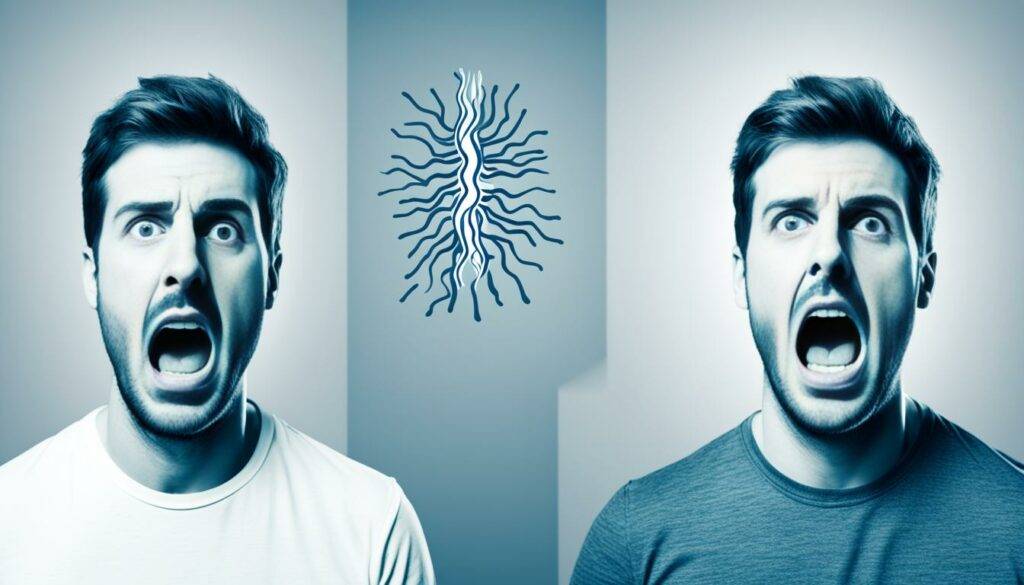
Understanding the difference between a panic attack and anxiety is essential. This helps us deal with anxiety disorders correctly. A panic attack is characterized by episodes of intense and sudden fear and discomfort. It can be confused with a heart attack.
To learn more about the difference between panic attacks and anxiety , it's important to visit this website . This helps us recognize the symptoms and treat attacks effectively.
A panic attack can come on suddenly and last for minutes. An anxiety attack, on the other hand, can last from five to thirty minutes and is linked to external factors. The symptoms of a panic attack peak in about 10 minutes and begin to subside slowly.
On the other hand, anxiety can last much longer, affecting people's daily lives 23 .
Those with a family history of anxiety or substance use may be more likely to experience panic attacks. Many people only seek help when the attacks become very severe. Recognizing the signs and seeking help early can lead to a better recovery.
| Features | Panic Attack | Anxiety Attack |
|---|---|---|
| Duration | Minutes | 5 to 30 minutes |
| Start | Sudden | Regarding external factors |
| Symptom Season | Peak after 10 minutes | It may persist for longer. |
| Discomfort | Very intense | Variable |
Understanding the difference between panic attacks and anxiety helps us prevent future problems. With preventative and management measures, we can improve our lives and maintain good mental health.
Dealing with anxiety attacks
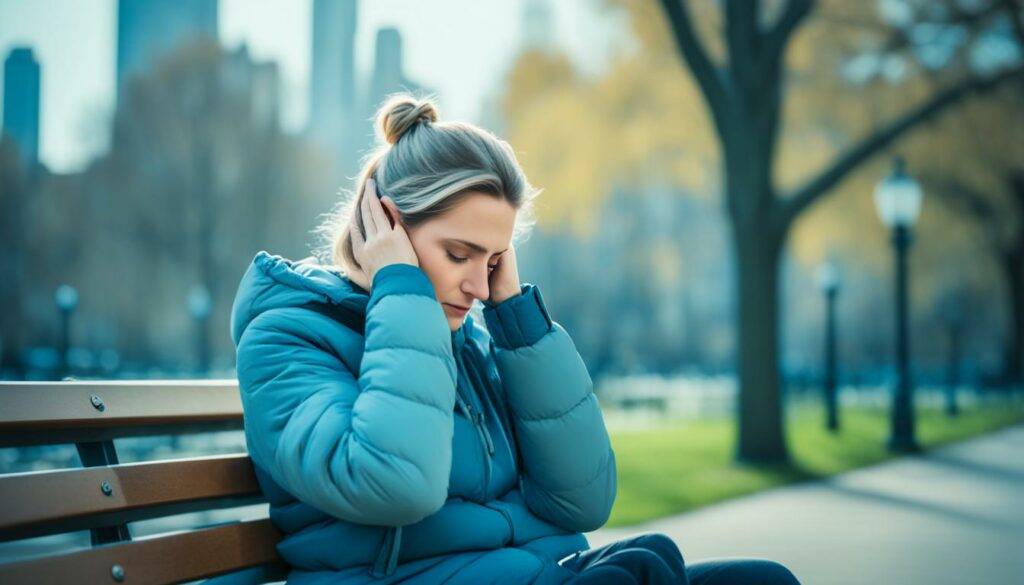
When we have an anxiety attack, it's very important to use coping strategies . This helps us calm our mind and body. Deep breathing exercises are very good for this. They help us control our breathing and relax.
Other ways to deal with anxiety include relaxation techniques. It's also good to talk to someone you trust. Having supportive friends and family is very important.
In some cases, seeking professional help is crucial. This can be an important step toward recovery. Studies show that even if anxiety symptoms aren't dangerous, such as agitation or tachycardia, how we deal with them is very important. The strategies we use can affect our safety and well-being.<sup> 3 </sup>
Conclusion
An anxiety attack may seem alarming, but it's not the end of the world. With the right treatment, we can manage it well. Attacks last from 15 to 30 minutes. And there are no cases of death solely due to anxiety .
More than 13% of the population has mental disorders, and anxiety is the most common. These people are at high risk of heart disease, with a 58% increased risk of heart attack. Understanding how anxiety affects our health is very important.
Practicing meditation and taking care of yourself is essential. This not only alleviates the crisis but also improves life. In this way, we can learn from anxiety and return to living with more confidence.<sup> 4</sup>
FAQ
What is an anxiety attack?
An anxiety attack is a moment of intense fear that causes physical symptoms such as rapid heartbeat and shortness of breath. These symptoms can be very uncomfortable, but they are usually not dangerous.
What are the symptoms of an anxiety attack?
Symptoms include palpitations, sweating, shortness of breath, and intense fear. It's important to remember that these symptoms can be mistaken for serious health problems, such as heart attacks.
What are the causes of an anxiety attack?
The causes can be genetic, trauma, stress, and chemical changes in the brain. Significant events can also trigger them.
Can an anxiety attack kill?
Anxiety attacks are alarming and can cause severe symptoms. However, there is no evidence that they can directly kill. The risk is more linked to impulsive reactions.
How can I control an anxiety attack?
To control it, use techniques such as deep breathing, meditation, and mindfulness. It's important to find and practice what works best for you.
What are the treatment options for anxiety attacks?
Treatment includes cognitive behavioral therapy and sometimes medication. It is important to seek professional help and avoid self-medication.
What are the impacts of anxiety on health?
Anxiety, if left untreated, can affect both mental and physical health. It can lead to depression, heart problems, and sleep disorders. Identifying the symptoms early is crucial.
How to differentiate between a panic attack and an anxiety attack?
A panic attack is a sudden and intense fear. An anxiety attack is linked to stressors and emotional state.
What strategies are effective in managing anxiety attacks?
To cope with attacks, use deep breathing, relaxation techniques, and the support of friends. Creating a safe environment and seeking professional help are also very helpful.
🌟 Have you considered seeking a therapist to support your well-being journey?
If this article sparked reflections about positive changes in your life, perhaps now is the ideal time to take the next step. Do you know hypnosis as a therapeutic tool? This approach can be surprisingly effective for various personal challenges.
Special offer: Book a free 20-minute consultation with therapist Fabio Morus and discover how therapy can transform your life.
✨ No commitment — Completely free — 20 minutes that can make a difference
👉 Click here to book your free consultation
Don't postpone your well-being any longer. The first step to change is just one click away.