


Anxiety is a natural emotion. It can become a problem when it is too intense. This interferes with our daily activities.
It's very important to know how to identify the early signs of anxiety. This helps in seeking help before it's too late. Anxiety isn't just a reaction to stress; it can indicate a more serious problem.
In this article, we'll talk about the early signs of anxiety . We'll also discuss its possible causes. We'll help you understand how it starts and what to do.
What is anxiety and how does it affect our body and mind?

Anxiety is a natural response to stress. However, it can become a major obstacle in daily life. It's very important to understand how it affects the body and mind in order to seek the right treatment.
Anxiety is complex and can manifest in various ways. It can be an adaptive response in dangerous situations. But when it becomes chronic, it can significantly affect quality of life .
Difference Between Normal Anxiety and Anxiety Disorder
Normal anxiety is a temporary response to stress. Anxiety disorder, on the other hand, is a condition that lasts a long time and interferes with daily life. It is very important to know the difference in order to provide the right support.
| Feature | Normal Anxiety | Anxiety Disorder |
|---|---|---|
| Duration | Temporary | Persistent |
| Impact on Daily Life | Minimum | Significant |
| Stress Level | Proportional to the stimulus | Disproportionate to the stimulus |
The Impact of Anxiety on Quality of Life
Chronic anxiety can significantly affect quality of life. It can cause physical symptoms such as muscle tension and sleep problems. It can also cause emotional symptoms such as irritability and difficulty concentrating.
Seeking professional help is essential for managing anxiety. This can improve quality of life. With the right treatment, it's possible to reduce symptoms and regain emotional control .
Anxiety: How it Begins: The Development Process

Excessive worry is often the beginning of anxiety . It can develop into a disorder if left untreated. Understanding this process is important to identify the early signs and seek help.
The Anxiety Cycle: From Worry to Disorder
The anxiety cycle begins with normal worries that can become excessive. Over time, these worries can turn into a constant state of alert. This greatly affects quality of life.
If left unchecked, these worries become mental triggers . They fuel the anxiety cycle, making it difficult to break. It's crucial to identify these triggers and learn how to manage them to avoid an anxiety disorder.
Biological and Environmental Factors in the Onset of Anxiety
There are several factors that contribute to the onset of anxiety . Biological and environmental aspects play an important role. Genetics, for example, can be a factor, with people tending to have more anxiety if there is a family history of it.
Furthermore, chronic stress and traumatic experiences can also cause anxiety. The interaction of these factors varies from person to person. Therefore, each case requires personalized treatment.
Early Physical Signs of Anxiety
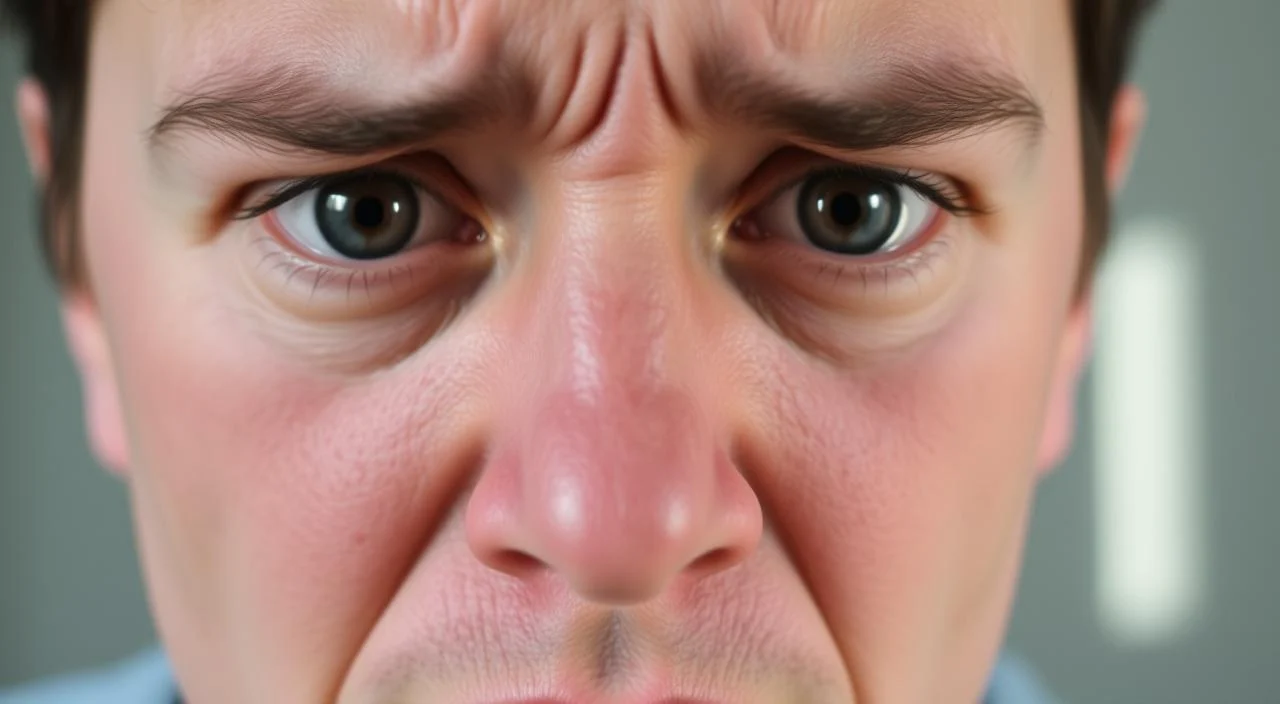
Recognizing the physical signs of anxiety is essential for managing our emotions. Anxiety can affect our bodies in many ways.
Changes in Breathing and Heart Rate
Changes in breathing and heart rate are early signs of anxiety. Our breathing and heart rate increase when we are anxious. This causes our body to enter "fight or flight" mode.
These signs can cause palpitations, chest pain, and shortness of breath. It's important to watch out for these signs to avoid bigger problems.
Muscle Tension and Other Body Symptoms
Muscle tension is a common symptom of anxiety. Anxious people often experience muscle pain, especially in the back and neck.
Furthermore, anxiety can cause excessive sweating, tremors, and nausea. These symptoms can be uncomfortable and affect our quality of life.
Anxiety-Related Sleep Disorders
Anxiety can affect our sleep, causing insomnia or irregular sleep patterns. Difficulty falling asleep or staying asleep can worsen anxiety symptoms . It's important to treat sleep disorders to manage anxiety.
| Physical Symptoms | Description | Impact on Health |
|---|---|---|
| Changes in Breathing | Increased respiratory rate | Shortness of breath, chest pain |
| Palpitations and Heartbeats | Increased heart rate | Palpitations, chest pain |
| Muscle Tension | Muscle pain, especially in the back and neck. | Chronic pain, discomfort |
| Sleep Disorders | Insomnia or irregular sleep | Fatigue, irritability |
Subtle Emotional and Cognitive Manifestations

Anxiety affects our emotional and cognitive health in subtle ways. Recognizing these signs is crucial in order to seek help, allowing us to improve our quality of life.
Recurring Thoughts and Excessive Worry
A major challenge of anxiety is having recurring thoughts and excessive worry . These thoughts can be very intrusive. They make it difficult to concentrate on our daily tasks.
Excessive worry creates a vicious cycle. Anxiety fuels more anxious thoughts.
Mood swings and irritability
Anxiety also causes mood swings and irritability . These changes can affect our relationships. It's important to recognize these signs early.
Difficulty concentrating and making decisions.
Another effect of anxiety is difficulty concentrating and making decisions . An anxious mind has trouble focusing. This leads to mistakes and indecision.
Recognizing these signs helps in developing strategies. This allows us to improve our concentration and confidence in making decisions.
Understanding these emotional and cognitive manifestations of anxiety is the first step. This allows us to control our emotions and improve our mental health.
Main Mental Triggers and Emotional Causes of Anxiety
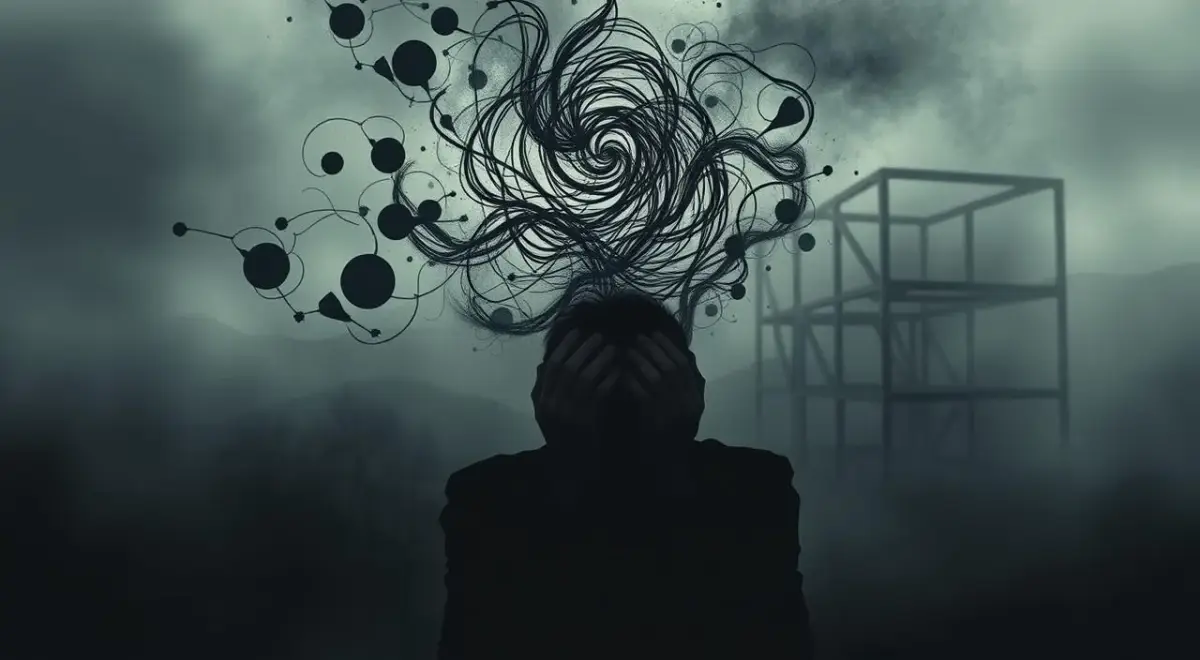
Understanding the emotional causes of anxiety is essential. Anxiety is a complex response. It can be influenced by various factors.
Traumas and Negative Experiences
Past traumas and negative experiences are important mental triggers . They can cause anxiety. These events can leave lasting marks on the psyche.
Experiences such as abuse, significant loss, or traumatic events can cause anxiety. It is important to address these traumas with compassion and professionalism.
Chronic Stress and Emotional Overload
Chronic stress also contributes to anxiety. Constant pressure can overwhelm both body and mind, leading to anxiety symptoms.
Emotional overload, due to many demands and expectations, can worsen anxiety. Managing stress and dealing with emotions in a healthy way is crucial.
Perfectionism and Self-Demand
Perfectionism and excessive self-criticism are important mental triggers . People who demand too much of themselves may feel anxious. This occurs because of the pressure to meet high expectations.
It's essential to learn how to balance expectations. Practicing self-compassion helps mitigate these effects.
Anxiety in Different Contexts: Work, Relationships, and Social Life
Anxiety affects many aspects of life. This includes work and relationships. It's important to understand how it manifests in order to better manage it.
Anxiety in the Workplace
Anxiety at work can manifest in various ways. It can affect how we work and what we produce. Some signs include:
- Difficulty concentrating
- Excessive concern with deadlines
- Fear of not meeting expectations
These symptoms can decrease the quality of work. In severe cases, they can cause someone to stop working due to anxiety.
How Anxiety Affects Relationships
Anxiety also affects personal relationships. It can cause:
- Irritability and mood swings
- Difficulty speaking clearly
- Avoiding going out due to fear or discomfort.
These problems can strain relationships. If left untreated, they can worsen significantly.
Social Phobia and Isolation
In some cases, anxiety can develop into social phobia. This causes someone to avoid going out for fear of being judged or rejected. This can lead to isolation, which worsens the anxiety.
It's essential to recognize anxiety in different situations and seek help to lessen its effects.
The Relationship Between Anxiety and Other Mental Health Conditions
Many people have anxiety and other mental health conditions at the same time. This makes diagnosis and treatment more complicated.
Depression: A Common Combination
Anxiety and depression often go hand in hand. They form a difficult cycle to break. This greatly affects an individual's life.
The relationship between anxiety and depression is complex. Research shows that those who have anxiety can become depressed, and vice versa.
Eating Disorders and Anxiety
Eating disorders, such as anorexia and bulimia, often appear alongside anxiety. Anxiety helps maintain these disorders, leading to poor eating behaviors.
Anxiety related to food and body image can cause extreme behaviors, such as food restriction or binge eating. This worsens eating disorders.
Chemical Dependency as a Form of Self-Medication
Substance abuse is also linked to anxiety. People use substances to feel better. But this can create a cycle of addiction.
It is very important to treat anxiety holistically. This includes looking at all underlying mental health conditions.
Therapeutic Approaches for the Treatment of Anxiety
Anxiety can be successfully treated. It's essential to find the right method for each person. This depends on each individual's needs and circumstances.
Cognitive-Behavioral Therapy for Anxiety
Cognitive Behavioral Therapy (CBT) is very effective against anxiety. It helps to change negative thoughts and behaviors that cause anxiety.
Benefits of CBT:
- Identifying distorted thoughts
- Developing coping skills
- Reducing avoidance of feared situations
Clinical Hypnosis and Hypnotherapy in Anxiety Management
Clinical hypnosis and hypnotherapy are very useful. They promote deep relaxation and change subconscious responses that cause anxiety.
Hypnotherapy is great for those who have difficulty relaxing or have conditioned anxiety.
Integrative Psychotherapy and Other Approaches
Integrative psychotherapy uses various therapies to meet the needs of each individual. It includes psychodynamic, humanistic, and acceptance and commitment therapy.
| Therapeutic Approach | Description | Benefits |
|---|---|---|
| Cognitive-Behavioral Therapy | Focus on changing thought and behavior patterns. | Reduced anxiety, improved quality of life. |
| Clinical Hypnosis/Hypnotherapy | It promotes relaxation and modifies subconscious responses. | Controlling anxiety, reducing stress. |
| Integrative Psychotherapy | It combines different therapeutic approaches. | Personalized treatment, improved mental health. |
Each person is unique. What works for one person may not work for another. It's crucial to work with a mental health professional to find the best therapy.
Self-Help Strategies for Managing Anxiety
It's possible to manage anxiety with simple techniques. Seeking professional help is important. It's also essential to adopt healthy habits and effective daily strategies for emotional control .
Breathing and Relaxation Techniques
Breathing techniques are essential for reducing anxiety. Diaphragmatic breathing calms the nervous system. This helps reduce anxiety symptoms . Progressive muscle relaxation is also effective in relieving muscle tension.
Mindfulness and Meditation
Mindfulness and meditation are powerful practices. They keep you focused on the present moment. This helps reduce anxious thoughts. Practicing daily improves your ability to manage anxiety.
Physical Activity and a Balanced Diet
Regular physical activity is very effective. Exercise releases endorphins, improving mood. A balanced diet is also crucial for emotional well-being.
Setting Boundaries and Managing Time
Setting healthy boundaries and managing time are important strategies. Prioritizing tasks and avoiding overcommitment are essential steps. Making time for self-care helps maintain emotional balance.
Adopting these strategies in daily life helps control anxiety . This improves quality of life. Remember, self-help does not replace professional treatment, but it is a valuable complement.
When to Seek Professional Help: Warning Signs
Identifying the warning signs of anxiety is the first step in seeking professional help. Anxiety can manifest in a variety of ways. It significantly affects a person's quality of life.
Anxiety Attacks: Identification and First Aid
Anxiety attacks are intense episodes that can be frightening. It's crucial to know how to identify them and understand how to provide first aid. During an attack, deep breathing and trying to remain calm are fundamental.
Some signs of an anxiety attack include:
- Heart palpitations
- Excessive sweating
- Tremors
- Feeling of suffocation
Significant Impact on Daily Routine
When anxiety begins to significantly affect your daily routine, it's time to seek professional help. This can manifest as difficulty performing everyday tasks, avoiding social situations, and having trouble concentrating.
It's important to recognize that anxiety doesn't have to be faced alone.
Medical and Psychological Treatment Options
There are several treatment options available for anxiety. These include cognitive behavioral therapy , clinical hypnosis , and anti-anxiety medications. A healthcare professional can help determine the best course of treatment.
Some treatment options include:
- Cognitive-Behavioral Therapy
- Clinical Hypnosis
- Anxiolytic medications
- Integrative Psychotherapy
Conclusion: Prevention and Emotional Control for a Balanced Life
Preventing anxiety and controlling our emotions are essential for a happy life. In this article, we discuss how anxiety begins and how to treat it. We also show strategies to prevent it from affecting our lives.
Practicing breathing and relaxation techniques helps a lot. Mindfulness and physical activity are also important. And, if anxiety is very strong, it's important to seek help from a professional.
Having a healthy lifestyle is crucial. This includes eating well and managing time efficiently. These actions help maintain emotional balance and improve our lives.
Keeping anxiety under control is fundamental for a fulfilling life. Understanding anxiety and knowing how to deal with it helps us take care of our mental health. This allows us to live happier and more balanced lives.
🌟 Have you considered seeking a therapist to support your well-being journey?
If this article sparked reflections about positive changes in your life, perhaps now is the ideal time to take the next step. Do you know hypnosis as a therapeutic tool? This approach can be surprisingly effective for various personal challenges.
Special offer: Book a free 20-minute consultation with therapist Fabio Morus and discover how therapy can transform your life.
✨ No commitment — Completely free — 20 minutes that can make a difference
👉 Click here to book your free consultation
Don't postpone your well-being any longer. The first step to change is just one click away.