Have you ever wondered why anxiety attacks seem to have become so common in our society? Around 20 million Brazilians struggle with some type of anxiety . It's crucial to understand how to cope with anxiety and find ways to take care of our mental health . This article will show you what an anxiety attack is, its symptoms, and how to deal with it.
Anxiety can make us feel out of control and brings many physical symptoms. This greatly affects our lives and can be linked to depression, which affects about 70% of people in crisis . Let's see how to deal with these challenges and the role of emotional support in finding calm again.
What is an anxiety attack?
An anxiety attack is a strong bodily reaction to stressful situations. It arises suddenly and intensely. Often, people ask what an anxiety attack is when the symptoms appear.
Anxiety attacks: What to do? Anxiety attacks can happen frequently and randomly. They greatly affect our daily lives. If the feeling of anxiety becomes constant and strong, it may be a sign of anxiety disorders . This includes conditions such as generalized anxiety disorder and panic disorder.
Symptoms of anxiety can vary, but some are common. These include tachycardia, sweating, and a strong feeling of hopelessness. Following the pandemic, there was an increase in anxiety attacks. This led to anxiety being considered a mental health pandemic .
https://www.youtube.com/watch?v=8YG8HABY25wHow to identify the symptoms of an anxiety attack.
It is very important to know how to recognize the symptoms of an anxiety attack . This helps us to better understand what is happening. Anxiety attacks are marked by intense symptoms. Among them, we find tachycardia , shortness of breath , tremors , and sweating .
These symptoms can resemble heart problems, which increases anxiety . This is because the attacks can be very intense and seem dangerous .

When anxiety affects our daily lives and our health, it becomes a serious problem. People with a history of anxiety are more prone to having attacks . Factors such as stress and hectic routines can increase the risk .
During a crisis, controlling your breathing helps to calm down 5. Knowing how to identify the symptoms and how to deal with them is the first step in seeking help and learning to manage anxiety 4. Changes in habits and understanding what triggers the crises are essential 4 .
| Common Symptoms of an Anxiety Attack | Description |
|---|---|
| Tachycardia | Rapid and strong heartbeats. |
| Shortness of breathe | Difficulty breathing normally, feeling of suffocation. |
| Tremors | Involuntary muscle movements, usually in the hands or legs. |
| Sweating | Excessive sweating without intense physical activity. |
| Nausea | Feeling upset in the stomach and nauseous. |
| Dizziness | A feeling of being about to faint or lose balance. |
Common triggers for anxiety attacks
Understanding anxiety triggers is crucial for dealing with the problem. They can be different for each person, but many are linked to stressful everyday situations . This includes work, family problems, and financial issues that increase anxiety.
Other triggers include major life changes and health problems. These situations can worsen anxiety, affecting the lives of those who have it .
Furthermore, crowded or enclosed spaces can worsen anxiety. However, techniques such as breathing and meditation help to control it . Sometimes medication is used, but it is important to use it carefully because of the risk of dependence and side effects .
https://www.youtube.com/watch?v=hMO0DhNv5y8Anxiety crisis: what to do: Practical steps for control.
When faced with an anxiety crisis, there are actions we can take. These help manage the symptoms and regain calm. Let's look at effective methods for dealing with anxiety, focusing on distraction and breathing techniques.
Divert your attention from the symptoms.
One initial strategy is to divert attention from the symptoms. We can focus on things around us, such as colors or textures. This change of focus can lessen the intensity of the seizure.
Activities that we enjoy and that relax us are also good. Listening to music, painting, or going for a walk can help reduce symptoms.
Breathing control
Breath control is crucial for managing crises. One recommended technique is the 4/6 breathing method. Inhale slowly to four and exhale to six.
This practice regulates breathing and oxygenates the brain. This relieves the feeling of suffocation and brings relaxation. Using these approaches can make a big difference in times of crisis.
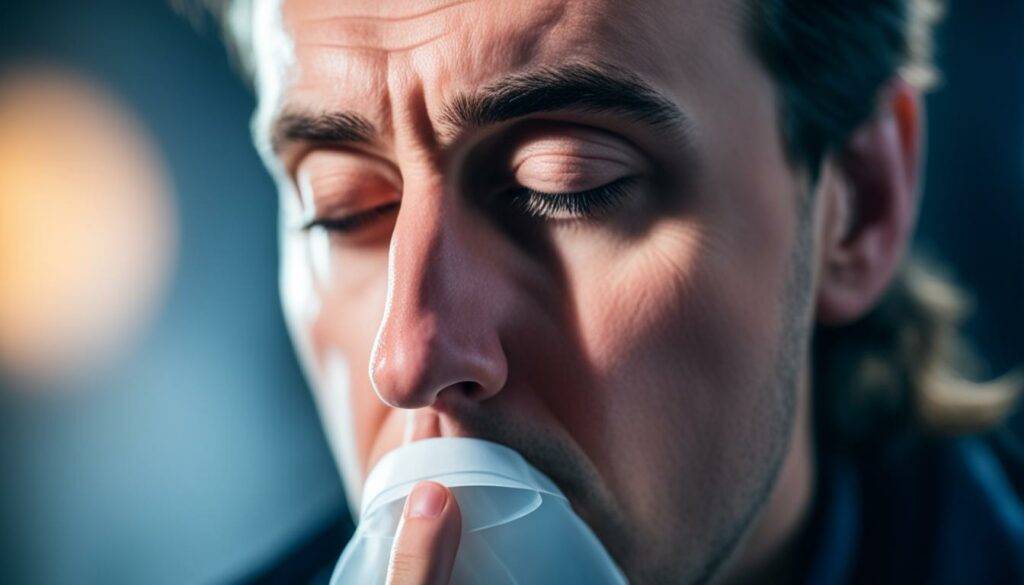
Breathing techniques for anxiety attacks
Breathing techniques are very important for dealing with anxiety. They help us regain emotional control and alleviate symptoms. One example is "square breathing," where we inhale, hold our breath for three seconds, exhale, and hold our breath for another three seconds. This helps stabilize breathing and calm the mind when we are stressed .
Another technique that works well is "prolonged exhalation." In this technique, we exhale counting to six, increasing the exhalation time. Research shows that doing these breathing techniques for 15 minutes a day helps reduce anxiety 9 and 8 .
https://www.youtube.com/watch?v=qsUjjgoPYoY"Abdominal breathing while lying down" is another recommended technique. It involves counting four seconds for each part of the breathing cycle, which brings relaxation. The "alternate nostril breathing" technique is easy to use every day. We inhale through one nostril and exhale through the other, helping to balance the nervous system.
With regular practice, we see a great increase in emotional control. This helps us to better cope with situations that cause anxiety .
Professional help for anxiety attacks
When we face frequent anxiety crises, it is crucial to seek professional help. Brazil is the most anxious country in the world, with 18.6 million Brazilians affected . Seeking treatment, such as Cognitive Behavioral Therapy (CBT), is an important step towards mental well-being.
When to seek therapy
We should seek therapy when symptoms affect our daily lives. Anxiety attacks affect people of all ages, but are more common in young people between 20 and 30 years old . Having emotional and professional support is crucial to avoid more serious disorders. Avoiding excessively optimistic phrases can be helpful during an attack .
Available treatments
Treatments for anxiety include Cognitive Behavioral Therapy and, if necessary, medication. Consulting a psychiatrist and/or psychologist is essential for effective treatment. During a crisis, it is important to identify the symptoms and seek help. Intense physical symptoms include palpitations, sweating, and shortness of breath.

The role of emotional support in managing anxiety crises.
Emotional support during anxiety attacks is essential for coping with difficult times. During anxiety attacks, we need emotional support to overcome stress. These attacks can last about 25 minutes and bring symptoms such as tachycardia and shortness of breath .
Talking to friends or family or participating in support groups helps a lot. This support network is crucial, as about 25% of people with anxiety experience intense crises.12 Emotional and psychological support are important for well-being.
It is important to offer emotional support by listening without judgment. Lack of support in childhood can affect adult life, making it difficult to ask for help. Recognizing when someone needs professional help is crucial .
https://www.youtube.com/watch?v=NXyWfUjXtSUPracticing listening more than speaking in emotional support alleviates suffering. Addressing these challenges together improves the experience and strengthens relationships.
The impact of exercise on anxiety.
Regular physical exercise has a significant impact on anxiety. Studies show that physical activity and mental health are closely linked. The release of endorphins during exercise helps to reduce anxiety. In addition, physical exercise can improve mental health and help people sleep better, especially those who suffer from anxiety-related insomnia. <sup>14 15 </sup>
Beginners should start with light exercises. This is because intense exercise can cause sensations that resemble panic attacks. Cycling, running, meditating, or dancing are great exercise options for managing anxiety . Having a physical education professional can help you better manage anxiety during exercise .
Regular physical exercise not only reduces stress but also improves self-confidence and self-esteem. This is very important in the fight against anxiety . Therefore, exercising is a great way to improve well-being and mental health.

Conclusion
Dealing with an anxiety crisis can be difficult, but it's possible to overcome it with the right knowledge and coping techniques. This article showed that managing anxiety goes beyond recognizing the symptoms. It's important to use techniques like deep breathing and seeking emotional support. These approaches help create an environment conducive to recovery.
In Brazil, approximately 9.3% of the population, or 18.6 million people, suffer from anxiety, according to the Pan American Health Organization 16. The Covid-19 pandemic caused the number of people with anxiety to increase by 25%, affecting young people more 17. Seeking professional help is crucial, as adequate support can be fundamental to overcoming anxiety.
When facing anxiety crises, we should use the coping strategies mentioned and seek help when necessary. With these actions, we can not only recover quickly, but also take better care of our mental health in the future.
FAQ
What is an anxiety attack?
An anxiety attack is a strong bodily reaction to stressful situations. It brings strong physical and emotional symptoms, such as rapid heartbeat and shortness of breath. It also causes a feeling of losing control.
What are the symptoms of an anxiety attack?
Symptoms include rapid heartbeat, excessive sweating, tremors, and a feeling of despair. Recognizing these signs is crucial for managing the crisis.
How can I identify the triggers that cause an anxiety attack?
Triggers can be different for each person. They can be everyday stressors, such as work pressure or family problems. They can also be crowded, enclosed environments.
What to do during an anxiety attack?
During a crisis, it's important to distract yourself from the symptoms. Breathing techniques are very helpful. For example, inhale slowly through your nose and exhale through your mouth, counting to eight.
How do breathing techniques help with anxiety attacks?
Breathing techniques help stabilize breathing and calm the mind. This promotes relaxation and reduces symptoms.
When should we seek professional help for an anxiety crisis?
Professional help should be sought when frequent crises affect daily life. Therapies such as Cognitive Behavioral Therapy (CBT) are very effective.
What is the role of emotional support in managing anxiety crises?
Emotional support is very important. Talking to friends, family, or support groups offers understanding and empathy. This alleviates the feeling of isolation that comes with anxiety.
How does physical exercise impact anxiety?
Regular exercise reduces anxiety. It lowers stress hormone levels and increases endorphins. Endorphins improve well-being.
🌟 Have you considered seeking a therapist to support your well-being journey?
If this article sparked reflections about positive changes in your life, perhaps now is the ideal time to take the next step. Do you know hypnosis as a therapeutic tool? This approach can be surprisingly effective for various personal challenges.
Special offer: Book a free 20-minute consultation with therapist Fabio Morus and discover how therapy can transform your life.
✨ No commitment — Completely free — 20 minutes that can make a difference
👉 Click here to book your free consultation
Don't postpone your well-being any longer. The first step to change is just one click away.