
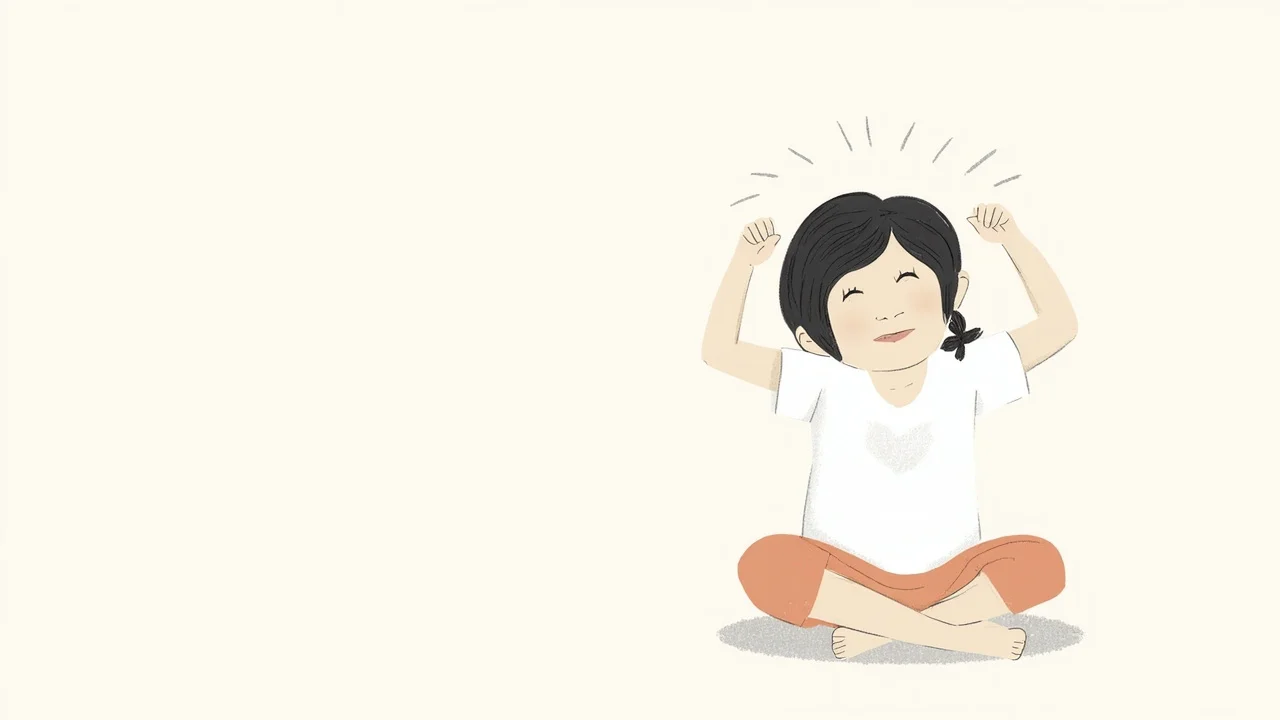

Have you ever felt that anguish that prevents you from living? Anxiety affects millions in Brazil, destroying dreams and relationships. It's like a silent storm that drains your energy.
Imagine regaining control of your life. Overcoming anxiety and finding inner peace. Hypnosis and hypnotherapy can change everything, bringing emotional freedom.
In this article, we'll explore anxiety and how to overcome it. We'll discover strategies to help you regain peace and happiness.
What is anxiety and what are its causes?

Anxiety is a natural response of the human body. It occurs in situations of stress and uncertainty. Knowing how to recognize the symptoms helps to cope with it better.
Definition of Anxiety
Anxiety is an emotional state. It is characterized by worry, fear, and restlessness. It arises when our brain perceives a threat, preparing the body to react.
Environmental and Genetic Factors
The causes of anxiety are complex. They involve:
- Family history of anxiety disorders
- Traumatic experiences in childhood
- Stressful work environment
- Genetic predisposition
Chronic Stress and its Impacts
Chronic stress is crucial in anxiety. Prolonged levels of tension release hormones like cortisol. This impairs emotional control and increases vulnerability to psychological disorders.
Managing stress and developing emotional control are essential. Identifying triggers and seeking professional support are important steps. They help with self-awareness and well-being.
Common symptoms of anxiety

Anxiety affects the body and mind in many ways. It's important to understand the symptoms in order to seek help.
Physical Symptoms of Anxiety
The physical effects of anxiety can be severe. Some common symptoms include:
- Rapid heart palpitations
- Excessive sweating
- Involuntary tremors
- Muscle tension
- Gasping for breath
Emotional and Behavioral Symptoms
The emotional consequences of anxiety greatly affect well-being. Some examples include:
- Constant and excessive worry
- Frequent irritability
- Difficulty concentrating
- Feelings of apprehension
- Changes in sleep patterns
| Symptom Type | Description | Impact |
|---|---|---|
| Physical | Palpitations, sweating | High |
| Emotional | Excessive worry | Average |
| Behavioral | Irritability | Moderate |
Each person experiences anxiety differently. Seeking professional help for proper treatment is essential.
Consequences of anxiety in daily life

Anxiety greatly affects someone's life. It can change many aspects of daily life. Understanding this is important for improving mental health .
Impact on Personal Relationships
Anxiety can create barriers in relationships. People with anxiety tend to:
- Avoid social situations
- Communicate defensively
- Having difficulty connecting emotionally
Effects on Professional Performance
Anxiety can greatly affect work. The main problems include:
- Concentration problems
- Less creativity
- More stress at work
Consequences for Physical Health
Anxiety also affects the body. It can cause physical problems, such as:
- Sleep problems
- Constant muscle tension
- Weakened immune system
Identifying these symptoms is the first step to improvement. Professionals can be of great help on this journey.
Traditional treatments for anxiety

Anxiety and its consequences. Anxiety can be a major challenge. But there are effective treatments to help. Mental health professionals use various approaches to deal with it.
Psychological Therapies
Cognitive-behavioral therapy is widely used. It helps patients to:
- Identifying negative thought patterns
- Develop coping strategies
- Modify behaviors that fuel anxiety.
Integrative psychotherapy also helps. It uses various techniques for personalized treatment.
Medications and their Effects
Medications are important in the treatment of anxiety. They are used:
- Antidepressants
- Anxiolytics
- Mood stabilizers
Each medication has its benefits and side effects. Medical supervision is crucial.
Comparison between Treatments
The choice of treatment varies from person to person. Factors such as the intensity of symptoms and medical history are important. The combination of therapy and medication can be very effective.
Each person reacts uniquely to treatments. Therefore, personalized follow-up with specialists is essential.
The role of hypnosis in reducing anxiety.

Clinical hypnosis is very helpful for those who want to control anxiety. It's not like it's portrayed in the media. It's a scientific technique for relaxing the mind.
What is hypnosis?
Hypnosis is a state where you focus intensely and accept suggestions. But you are always awake and can control your mind.
Myths and truths about hypnosis
- Myth: Hypnosis controls the patient's mind.
- Fact: The patient maintains complete autonomy during the session.
- Myth: Only weak people can be hypnotized.
- Fact: Anyone with the ability to concentrate can experience hypnosis.
How does hypnosis work on anxiety?
Professionals use hypnosis to access the subconscious. This helps to:
- Finding out what causes stress
- Changing negative thoughts
- Developing ways to calm down
| Benefits of Hypnosis | Impact on Anxiety |
|---|---|
| Stress reduction | Reduction of physical symptoms |
| Improved concentration | Increased emotional control |
| Deep relaxation | Restoring mental balance |
Clinical hypnosis is a modern way of dealing with anxiety. It helps you get to know yourself better and change your emotions.
Hypnotherapy: an effective approach
Hypnotherapy is a new way to treat psychological problems, such as anxiety. It's not what many people imagine. This technique goes further, offering a personalized way to change the mind.
Differences between hypnosis and hypnotherapy
Hypnosis and hypnotherapy are different, but related. Hypnosis focuses on changing the state of consciousness. Hypnotherapy for anxiety, on the other hand, seeks to change negative mental patterns with specific treatments.
- Hypnosis: Altered state of consciousness
- Hypnotherapy: Targeted treatment with therapeutic goals.
- Focus on mental reprogramming and eliminating anxiety patterns.
How does hypnotherapy work?
In a hypnotherapy session for anxiety , the professional helps the patient to relax deeply. At this time, the therapist works with the subconscious. They seek to identify and change limiting beliefs.
Studies and results of hypnotherapy
Scientific studies show that hypnotherapy helps with anxiety. It helps people develop healthy ways to cope with stress. This greatly reduces anxiety symptoms.
This technique helps to understand the causes of anxiety. This allows for a deeper and more lasting way of caring for emotional health.
Success stories: hypnosis in the treatment of anxiety
Clinical hypnosis is very helpful in treating anxiety. It brings great results for those seeking to control their emotions. Many patients have changed their lives and overcome major emotional challenges.
Real patient experiences
Patient testimonials are very inspiring. They recount how clinical hypnosis has changed their lives. Before, they struggled with anxiety, but now they feel much better.
- Dramatic reduction in anxiety symptoms.
- Improved sleep quality
- Increased self-confidence
- Developing effective emotional control strategies
Professional perspectives
Mental health experts speak very highly of hypnosis. They say the technique helps patients access deeper levels of consciousness. This facilitates the identification and resolution of emotional problems .
Professionals also say that hypnosis not only alleviates symptoms, but also provides a comprehensive way to treat anxiety. Patients learn to control their emotions better, facing challenges with greater strength.
Each case is unique, but the results are always good. Clinical hypnosis is very effective in treating anxiety and improving emotional well-being.
Final thoughts on hypnosis and anxiety.
Anxiety affects each person differently. Hypnosis is a powerful tool. It improves mental health and quality of life .
Transformative benefits of hypnosis
Hypnosis offers many benefits for mental health. It helps people to:
- Reduce stress
- Finding better ways to deal with problems.
- Becoming more emotionally resilient
- Increase self-confidence
When to seek professional help
Knowing when to seek help is very important. If you are feeling:
| Emotional Signs | Physical Signs |
|---|---|
| Anxiety that won't go away | Trouble sleeping |
| Difficulty concentrating | Muscles always tense |
| Do you want to be alone? | Getting very tired |
Hypnosis helps many people, but it's not for those with serious psychiatric conditions . Asking for help is an act of courage to improve emotional well-being.
Next steps: how to find a hypnotherapist
Seeking a hypnotherapist to treat anxiety is an important step. Choosing the right one is essential. There are ways to find a trustworthy professional.
Check the therapist's credentials. Look for someone who is registered and trained in clinical hypnosis. It's also good to know about their experience with anxiety.
During your first consultation, ask important questions. You'll want to know how he works and what your expectations are. A good therapist will answer all your questions and create a plan for you.
The location of therapy also matters. Look for a quiet and safe space. The connection with the therapist greatly helps in the treatment.
🌟 Have you considered seeking a therapist to support your well-being journey?
If this article sparked reflections about positive changes in your life, perhaps now is the ideal time to take the next step. Do you know hypnosis as a therapeutic tool? This approach can be surprisingly effective for various personal challenges.
Special offer: Book a free 20-minute consultation with therapist Fabio Morus and discover how therapy can transform your life.
✨ No commitment — Completely free — 20 minutes that can make a difference
👉 Click here to book your free consultation
Don't postpone your well-being any longer. The first step to change is just one click away.