


Have you ever felt trapped in a cycle of worry and sadness? Anxiety and depression disorders affect many people. They rob you of joy and inner peace.
The feeling of being overwhelmed can seem overwhelming. It makes you question if there is any hope.
But what if there was an innovative approach to mental health? Hypnosis and hypnotherapy are a light at the end of the tunnel. They offer a powerful alternative for those seeking emotional well-being.
What is anxiety?

Anxiety is a complex emotional state that affects millions in Brazil. It causes strong feelings of worry and fear. This can significantly change someone's life.
The symptoms of anxiety are different for each person. They can be physical or psychological.
Clinical Definition
Anxiety is not just nervousness. It's a complex condition involving many emotional and physiological aspects . It can be linked to depression, making everything more difficult.
Main Symptoms
- Tachycardia and palpitations
- Excessive sweating
- Tremors and restlessness
- Difficulty concentrating
- A constant feeling of worry.
Types of Anxiety Disorders
| Type of Disorder | Main Features |
|---|---|
| Generalized Anxiety | Excessive worry without a specific reason. |
| Panic Disorder | Sudden attacks of intense fear |
| Social Phobia | Extreme fear of social interactions |
Contributing Factors
There are many factors that cause anxiety. They can be:
- Genetic predisposition
- Traumatic experiences
- Chronic stress
- Brain chemical imbalances
Understanding anxiety is the first step in seeking help and finding ways to cope with it.
What is depression?
Depression is a disorder that affects many people. It brings a deep sadness that doesn't go away. This greatly affects people's emotional and functional lives.
Clinical Definition
Depressive disorder is a serious condition. It completely changes someone's emotional and mental state. It is different from simple sadness because it prevents the person from doing normal daily activities.
Symptoms of Depression

- Loss of interest in pleasurable activities
- Significant changes in sleep
- Changes in appetite and weight
- Persistent feelings of guilt and hopelessness
- Difficulty concentrating
- Recurring thoughts about death
Types of Depressive Disorders
- Major depression : Intense episodes of depressive symptoms.
- Dysthymia: Low-intensity but chronic depression.
- Bipolar depression: Alternating between depressive and manic episodes.
Risk Factors
Symptoms of depression can be caused by various factors. These include genetic predisposition, psychological trauma, brain imbalances, and prolonged stress.
Understanding depressive disorder is crucial for seeking treatment. Mental health professionals are essential on this recovery journey.
Key differences between anxiety and depression
Understanding the difference between anxiety and depression is crucial. This helps in treating these mental health issues correctly. Although they share some similar symptoms, each has its own distinct characteristics.
Common Symptoms
The symptoms of anxiety and depression can appear similar. This can confuse many people. Some common examples include:
- Changes in sleep patterns
- Difficulty concentrating
- Changes in appetite
- Fatigue and loss of energy
Duration and Intensity
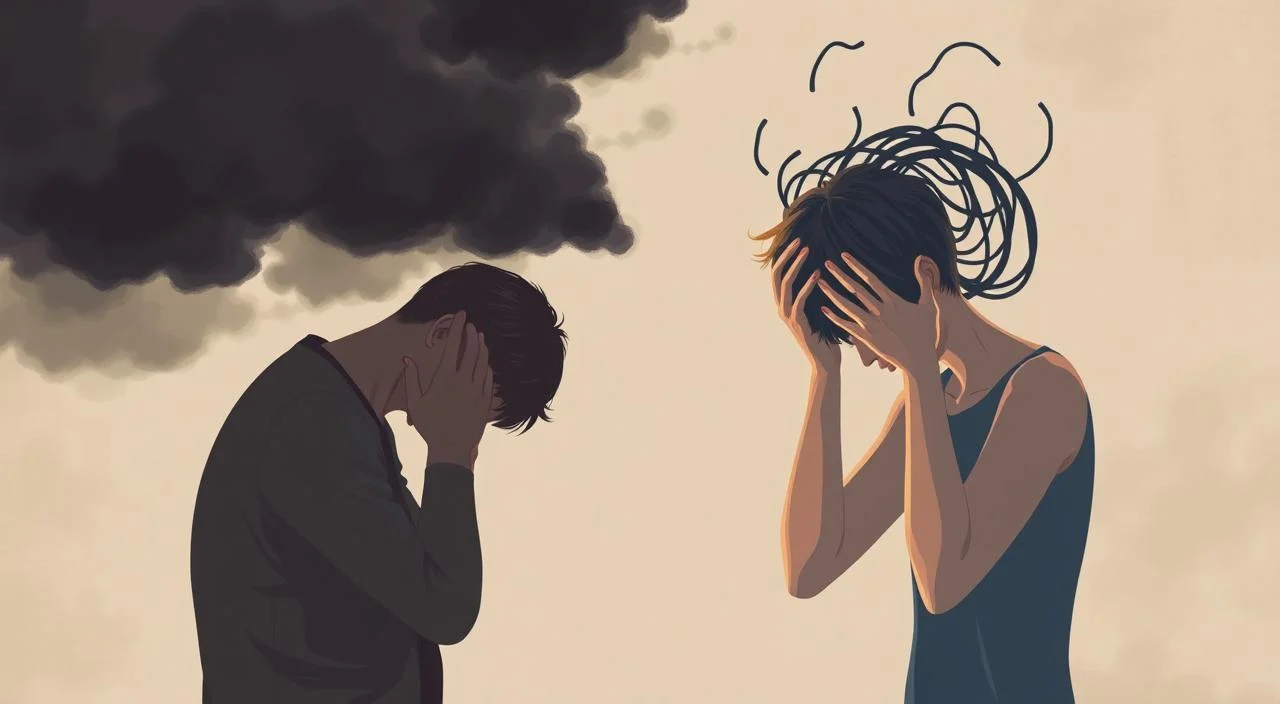
Anxiety is characterized by intense but short-lived worries. Depression, on the other hand, is a state of sadness and hopelessness that lasts longer.
| Feature | Anxiety | Depression |
|---|---|---|
| Typical duration | Short and intense episodes | prolonged state |
| Emotional focus | Concern about the future | Feelings of hopelessness |
| Emotional energy | Hyperactivity | Decreased motivation |
Impact on Daily Life
Symptoms of anxiety can include:
- Constant restlessness
- Difficulty in making decisions
- Negative anticipation of events
Symptoms of depression can lead to:
- Social isolation
- Loss of interest in activities
- Feelings of inadequacy
Understanding these differences is the first step in seeking treatment. This way, it's possible to regain emotional well-being.
How does hypnosis work on anxiety?
Clinical hypnosis is a new way to treat anxiety. It helps people feel less anxiety and emotional pain. This happens because the method allows access to deep internal resources.
Hypnotherapy for anxiety and depression works with the subconscious. It helps manage thoughts and emotions that cause anxiety. When the patient is relaxed, they can receive positive suggestions and learn new ways of thinking.
Mechanisms of Hypnosis
The mechanisms of hypnosis are complex. They involve processes in the brain that help to:
- Reduce stress
- Lower cortisol (the stress hormone)
- Activate areas of the brain that relax.
Benefits of Hypnotherapy
The benefits of hypnosis include:

- Improve sleep
- Reduce physical symptoms of anxiety.
- Increase self-confidence
- Learning to cope with anxiety
Case Study: Positive Results
Recent studies show that clinical hypnosis is very helpful for anxiety. One study with 50 people showed a 70% reduction in symptoms. This demonstrates that hypnosis can be an effective treatment.
How does hypnosis work in depression?
Depression affects many people in Brazil. Treatment for it has improved significantly. Hypnotherapy is a new way to help.
Hypnotherapy helps with anxiety and depression. It works with the subconscious. This allows for profound and lasting changes.
Mechanisms of Hypnosis in the Depressed Brain
The mechanisms of hypnosis in the treatment of depression are complex. They involve several brain strategies:
- Reprogramming negative thought patterns
- Reduced amygdala activity associated with stress.
- Stimulation of neurotransmitters related to well-being.
- Activation of brain regions linked to emotional resilience.
Benefits of Hypnotherapy
Hypnosis offers many benefits for those suffering from depression:

- Reducing pessimistic thoughts
- Increased self-esteem
- Improved sleep patterns
- Developing emotional coping strategies
Case Study: Positive Results
Studies show that hypnotherapy can reduce depressive symptoms in up to 60% of cases . People feel clearer and more motivated after the sessions.
Recovery from depression is unique for everyone. Hypnotherapy is a powerful tool. It offers a holistic and personalized approach.
The effectiveness of hypnosis in treatment
Clinical hypnosis is a powerful tool against complex psychological conditions. It shows promising results for those seeking treatment for anxiety and depression.
Comparison with Conventional Treatments
Comparing hypnosis with traditional treatments, we see important differences:
- A more personalized approach to anxiety treatment.
- Reduced dependence on medication
- Focus on resolving underlying causes.
- Non-invasive intervention techniques
Scientific Precision
Recent studies show the effectiveness of clinical hypnosis . Researchers have found that it can be very effective in treating depression. It offers an alternative or complement to traditional treatments.
Patient Testimonials
Patients who have used hypnosis report significant changes in their mental health. Individual experiences highlight the potential of this therapeutic technique .
Hypnosis is not a magic solution. It is a scientifically based therapeutic tool. It can open new paths for those struggling with anxiety and depression.
The role of the hypnotherapist
Clinical hypnosis is very helpful in treating psychological problems. Hypnotherapists use special techniques to help patients. They work against anxiety and depression.
Education and Professional Credentials
A good hypnotherapist needs specific skills. They also need certifications. The requirements are:
- Training in psychology or mental health.
- Certification in clinical hypnosis
- Constant training in techniques
- Registration with health councils
Ethics and Safe Practices
Ethics are very important in hypnotherapy. Professionals should:
- Maintaining patient confidentiality
- Obtain consent before sessions.
- Respecting the patient's emotional boundaries.
- Use hypnosis techniques responsibly.
How to Choose a Qualified Hypnotherapist
To choose a hypnotherapist, consider these important points:
- Verify credentials and certifications.
- Ask for recommendations from other professionals.
- Schedule an initial consultation to assess empathy.
- Confirm experience with anxiety and depression.
Choosing the right hypnotherapist greatly helps in treatment. They offer personalized and compassionate care.
Indications and contraindications
Hypnotherapy is very helpful for mental health. It's important to know when and when it shouldn't be used. This ensures safe and effective treatment.
When is Hypnosis Recommended?
Hypnosis is very helpful for anxiety. It's good for:
- Mild to moderate anxiety
- Specific phobias
- Post-traumatic stress disorders
- Reactive depression
- Problems with self-esteem and self-confidence.
Situations in which to avoid hypnosis.
In some cases, hypnosis is not the best choice. This includes:
- Schizophrenia
- Psychotic disorders
- Conditions involving severe hallucinations.
- Severe dissociative disorders
- Patients with a history of recent psychological episodes

Alternatives to Hypnotherapy
If hypnosis doesn't work, there are other options. For example:
- Cognitive-behavioral therapy
- Psychoanalysis
- Psychiatric medication
- Body therapies
- Mindfulness and meditation
Choosing the right treatment is complex. Each person is unique. Therefore, the best path to emotional well-being is personalized.
How to prepare for a hypnosis session
Preparing well for a hypnosis session can be very important. Understanding the process helps reduce anxiety. It also increases the benefits you may experience.
Common Expectations and Myths
Many people have misconceptions about hypnosis. In reality, you remain fully awake and in control of your actions. It's essential to dispel some myths:
- You will not lose control of your actions.
- You will not be forced to do anything against your will.
- Hypnosis is not a state of deep sleep.
- You can end the session at any time.
Tips to Maximize Results
To get the most out of it, follow these tips:
- Arrive rested and wearing comfortable clothes.
- Keep an open and receptive mind.
- Clearly communicate your goals to the therapist.
- Practice breathing exercises before the session.
Mental preparation is crucial. Imagine hypnosis as a journey of self-discovery and transformation.
| What to Expect | What to Avoid |
|---|---|
| State of deep relaxation | Unrealistic expectations |
| Increased awareness | Mental resilience |
| Personal insights | Internal judgment |
Remember: each hypnosis session is unique. Allow yourself to explore its possibilities with tranquility and confidence .
The relationship between anxiety, depression, and stress.
Stress greatly affects our mental health. This is because it can cause anxiety and depression. Our brain reacts to emotional stimuli in various ways.
Effects of Stress on Mental Health
Chronic stress can significantly alter our emotional system. Some effects include:
- Changes in hormone levels
- Decreased ability to concentrate
- Weakening of the immune system
- Increased emotional vulnerability
Strategies for Managing Stress
To control our emotions, some techniques are essential:
- Conscious breathing
- Regular physical exercise
- Establishing a proper sleep routine
- Engaging in enjoyable activities
The Role of Meditation and Mindfulness
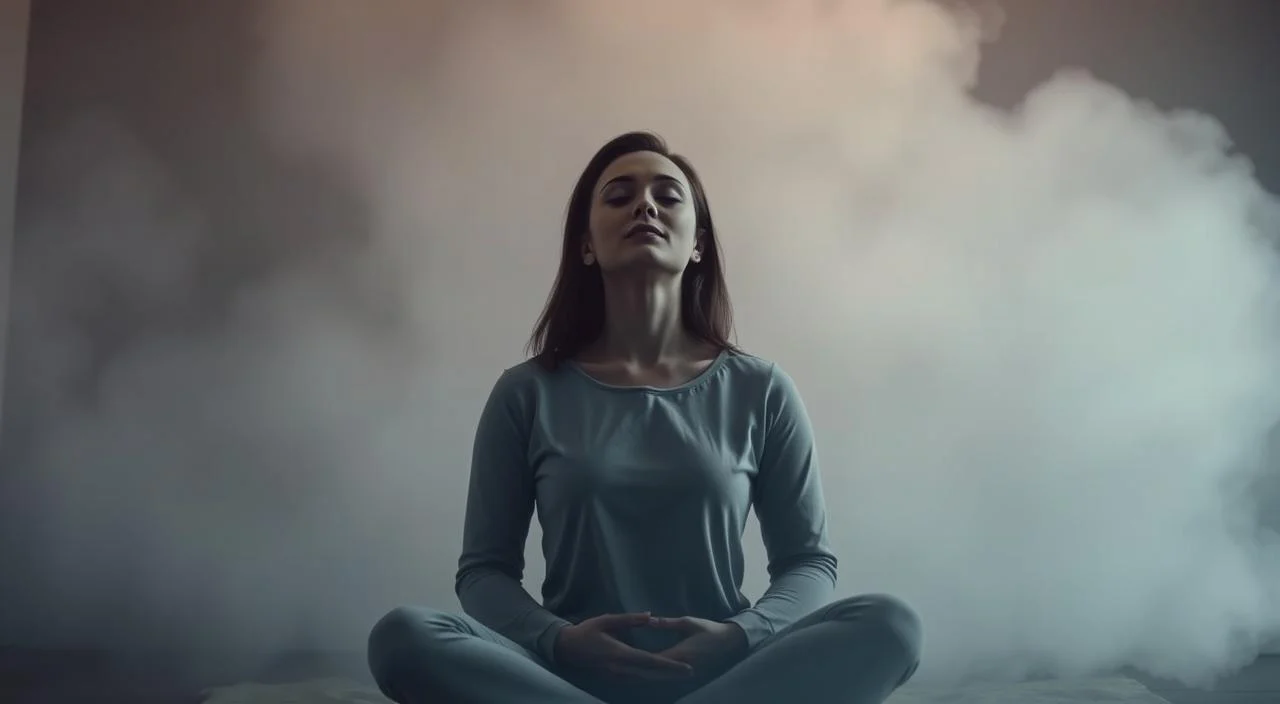
Meditation is a powerful tool against stress. Mindfulness practices can change our relationship with thoughts and emotions . They help us see things in a calmer way.
The future of hypnosis in mental health.
Clinical hypnosis is making a significant impact on the field of mental health. New research and technologies are showing how it can be helpful, including in the treatment of anxiety and depression.
Scientific advances show a promising future for hypnotherapy. Researchers are creating new methods. These methods may make hypnosis more useful.
Emerging Research
Recent studies show positive results from clinical hypnosis. The main areas of research are:
- Neuroplasticity and brain response to hypnosis
- Integration with cognitive-behavioral therapies
- Personalized treatments for psychological disorders
Technological Innovation
Technology is changing hypnosis. Virtual reality apps and online sessions are making it more accessible.
Trends and Expectations
The outlook for hypnosis in mental health is very positive. It is expected to be used more in conjunction with traditional treatments. This could lead to a more comprehensive approach to emotional well-being.
Conclusion: Anxiety and depression differ.
Anxiety and depression are complex emotional challenges. Hypnotherapy is a transformative tool. It helps to control emotions and overcome these mental disorders.
It's crucial to understand the difference between anxiety and depression in order to treat them effectively. Anxiety causes intense worry, while depression leads to profound discouragement. Hypnotherapy can help change negative mental patterns.
Specialized professionals use hypnosis to help. They help to understand the emotional roots of these disorders. This promotes self-awareness and resilience.
To begin the change, it's important to seek out a certified hypnotherapist. A thorough assessment is very helpful. Hypnosis is a powerful tool, but it requires personal commitment to yield results.
🌟 Have you considered seeking a therapist to support your well-being journey?
If this article sparked reflections about positive changes in your life, perhaps now is the ideal time to take the next step. Do you know hypnosis as a therapeutic tool? This approach can be surprisingly effective for various personal challenges.
Special offer: Book a free 20-minute consultation with therapist Fabio Morus and discover how therapy can transform your life.
✨ No commitment — Completely free — 20 minutes that can make a difference
👉 Click here to book your free consultation
Don't postpone your well-being any longer. The first step to change is just one click away.