


The fear of birds , or ornithophobia , can be very paralyzing. Have you ever felt very nervous hearing a bird sing? Or perhaps you've avoided parks and open areas?
This phobia can affect your social and emotional life. It can create a cycle of anxiety that's difficult to break. But don't worry, there are ways to overcome the fear of birds and regain confidence. This article will help you understand it better and change your life.
What is the fear of birds?
https://www.youtube.com/watch?v=WqTifmW7aVc
The fear of birds , called ornithophobia , causes great discomfort. It affects both emotions and the body. Knowing what this fear is and its symptoms is very helpful.
Definition of ornithophobia
Ornithophobia is a very strong fear of birds. People with this phobia experience intense anxiety when they see birds. The fear can range from mild to very strong, even causing panic attacks.
Common symptoms
Symptoms of fear of birds include:
- Anxiety and palpitations when seeing birds.
- Excessive sweating and shortness of breath.
- Avoid places with many birds, such as parks.
These symptoms can drastically change someone's life.
Different forms of fear
Fear of birds can vary greatly from person to person. Some have a very intense fear, while others only experience it in specific situations. Knowing this helps in finding the right treatment.
Causes of fear of birds
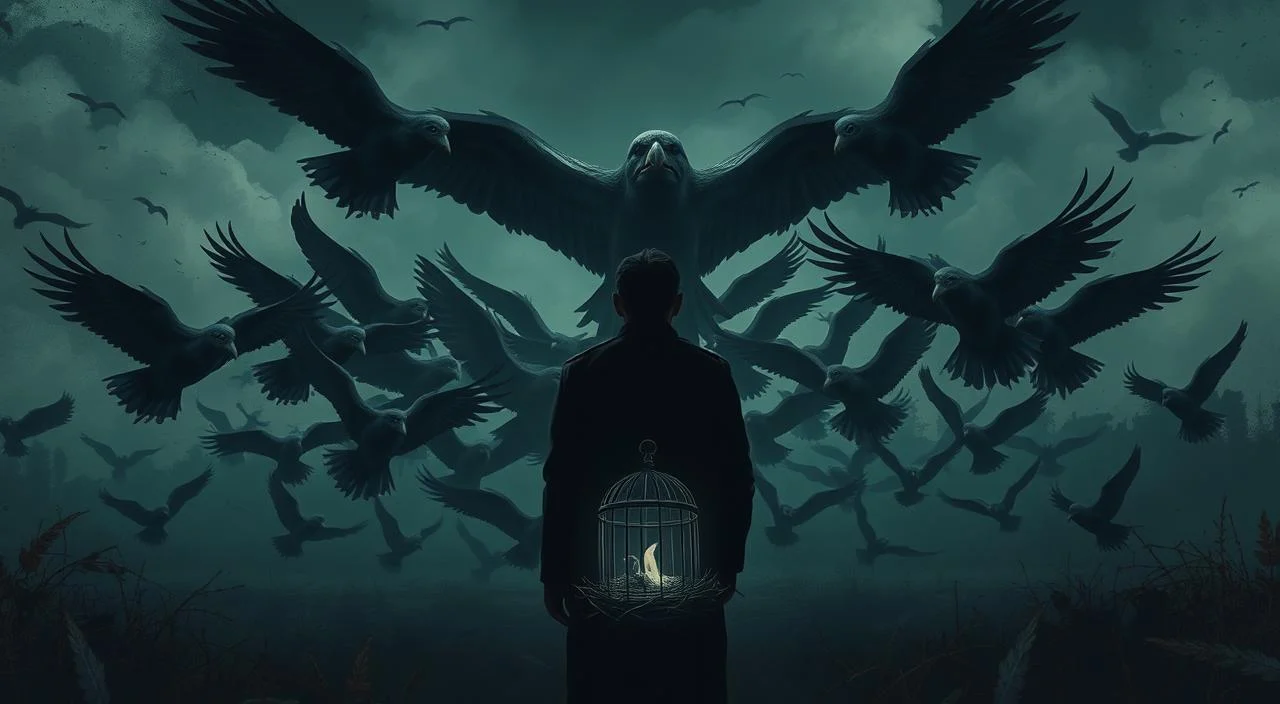
The fear of birds, called ornithophobia, has several causes. Each person reacts uniquely. However, some causes are more common.
Understanding these causes helps to overcome bird phobia .
Traumatic experiences
Bad experiences with birds can leave a lasting mark. This happens mainly in childhood. These situations can generate a great deal of fear.
These traumas affect how we see birds. And they can cause us to develop ornithophobia.
Genetic factors
Some people may have a genetic predisposition to phobias. This includes a fear of birds. Bird phobia can be influenced by genes.
This connection shows how anxiety can be triggered by specific stimuli, such as birds.
Cultural influences
The media and popular culture also play a role. They portray birds in a negative light. This can increase fear.
| Cause | Description |
|---|---|
| Traumatic experiences | Negative events involving birds that generate intense emotional reactions. |
| Genetic factors | Predisposition to anxiety, which may include specific fears. |
| Cultural influences | Negative portrayals of birds in the media reinforce phobias. |
How fear of birds can affect daily life.
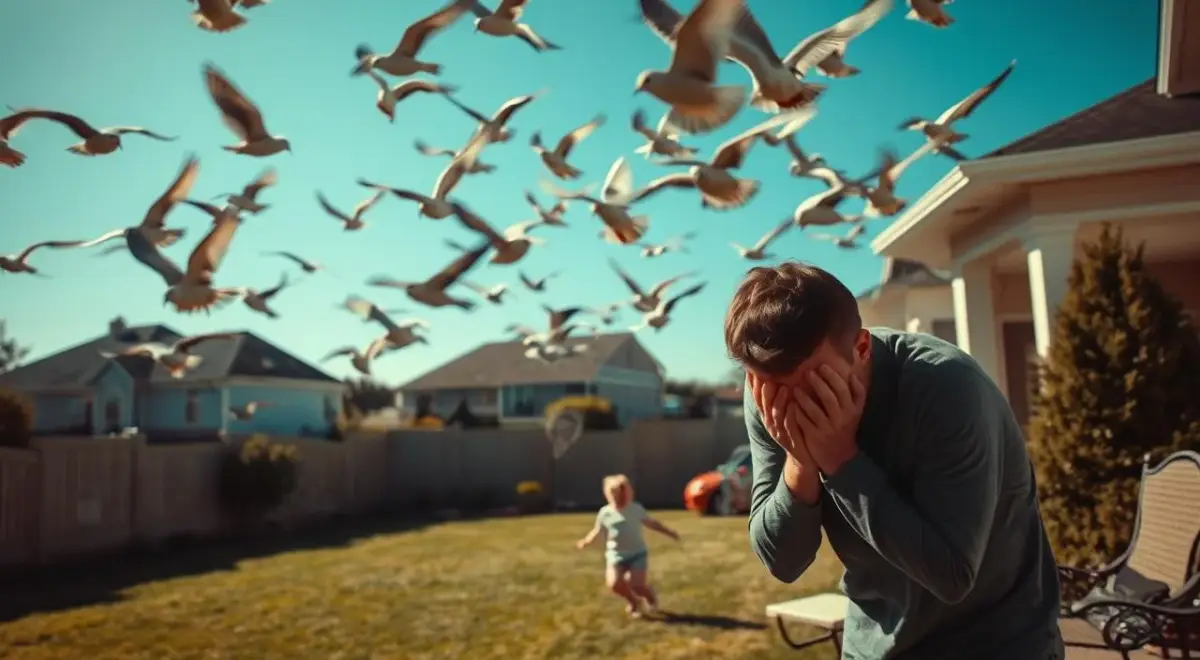
The fear of birds, called ornithophobia, greatly affects people's lives. It not only harms mental health , but also limits activities that should be enjoyable.
Social impact
Avoiding outdoor spaces, such as parks and beaches, limits social interactions. A fear of birds can cause a person to feel isolated. This can affect relationships and create a feeling of distance.
Effects on mental health
Mental health can suffer greatly from a fear of birds. Anxiety about encountering birds can cause anxiety disorders, leading to excessive stress and worry.
Limitations on outdoor activities
A fear of birds makes it difficult to enjoy outdoor activities. This includes picnics, hikes, and walks in the park. This limitation prevents connection with nature and compromises leisure time.
Strategies for coping with fear
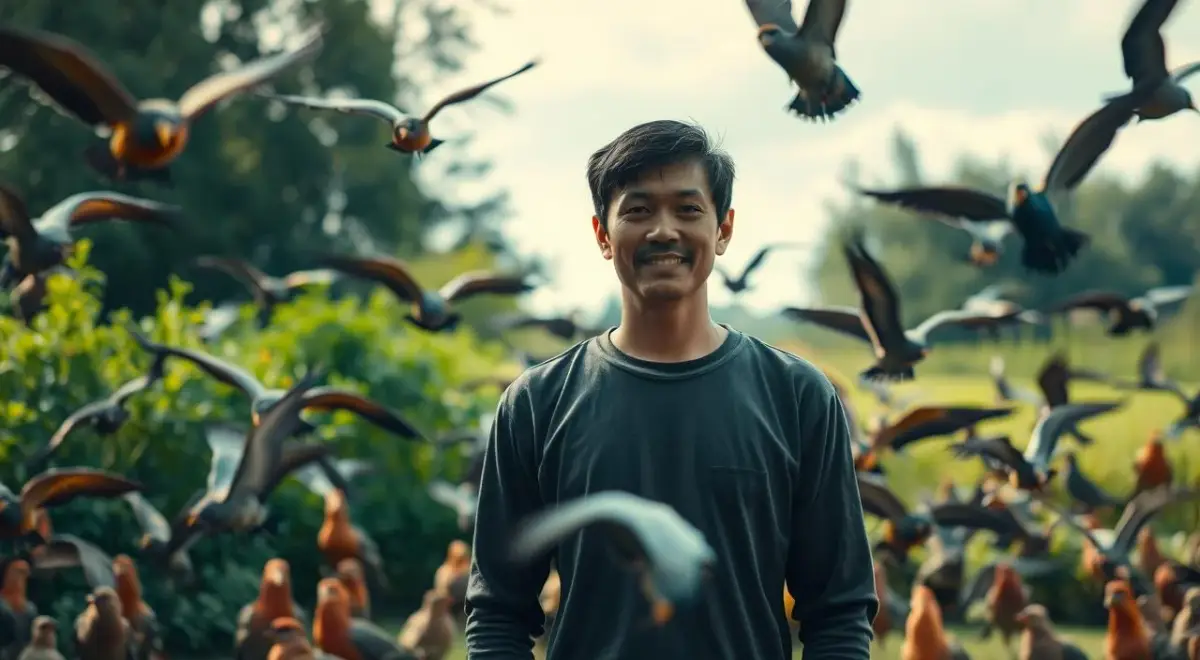
Overcoming the fear of birds is a challenge. However, there are several strategies that can help. Therapy for ornithophobia is one of them, known for its effectiveness.
Cognitive-behavioral therapy
Cognitive behavioral therapy is very useful. It helps to change negative thoughts that cause fear. With specific techniques, people learn to cope better with anxiety.
Gradual exposure techniques
Gradual exposure techniques are safe. They allow a person to become accustomed to birds in a controlled manner. It starts with images and progresses to observing live birds. This helps build confidence and reduces fear.
Breathing and relaxation practices
Adding breathing and relaxation to your routine helps a lot. Techniques like deep breathing calm the mind. With practice, these techniques teach the body to relax in stressful situations.
The importance of awareness

The fear of birds, or ornithophobia, is surrounded by stigma. This hinders understanding and empathy. Raising awareness about it is crucial.
Sharing information about this phobia helps to dispel misconceptions. This creates a more welcoming environment for those who face this condition.
Breaking down stigmas
Breaking down stigmas surrounding fear of birds requires open dialogue. It's important to talk about the experiences and emotions of people with this phobia without judgment.
This creates a safe space for understanding and support.
Promoting empathy with birds
Education is essential for fostering empathy. By learning about the importance of birds in the ecosystem, we begin to develop a connection.
This connection can transform our fears into respect and admiration.
How education helps
Workshops and dissemination of information about birdlife help to reduce fear. Awareness is very important.
Educating the community about these animals promotes a more balanced view. This ensures that people feel more comfortable in their environments.
Useful resources for dealing with fear.

When dealing with a fear of birds, it's essential to have resources for treating this fear . Various materials and formats can help. Books, online support groups, and more are available for support.
Recommended books and guides
Reading about ornithophobia can change our lives. Books about the fear of birds show the causes and how to cope. They offer self-help strategies and stories of overcoming it.
Self-care apps
Many apps help monitor symptoms and create healthy habits. They teach relaxation techniques and manage anxiety. They are valuable tools for those seeking resources to treat a fear of birds .
Online support groups
Online support groups are essential for many. They allow people to talk to others facing similar challenges. Sharing experiences and inspiring stories creates a sense of community and emotional support.
Testimonials of overcoming fear
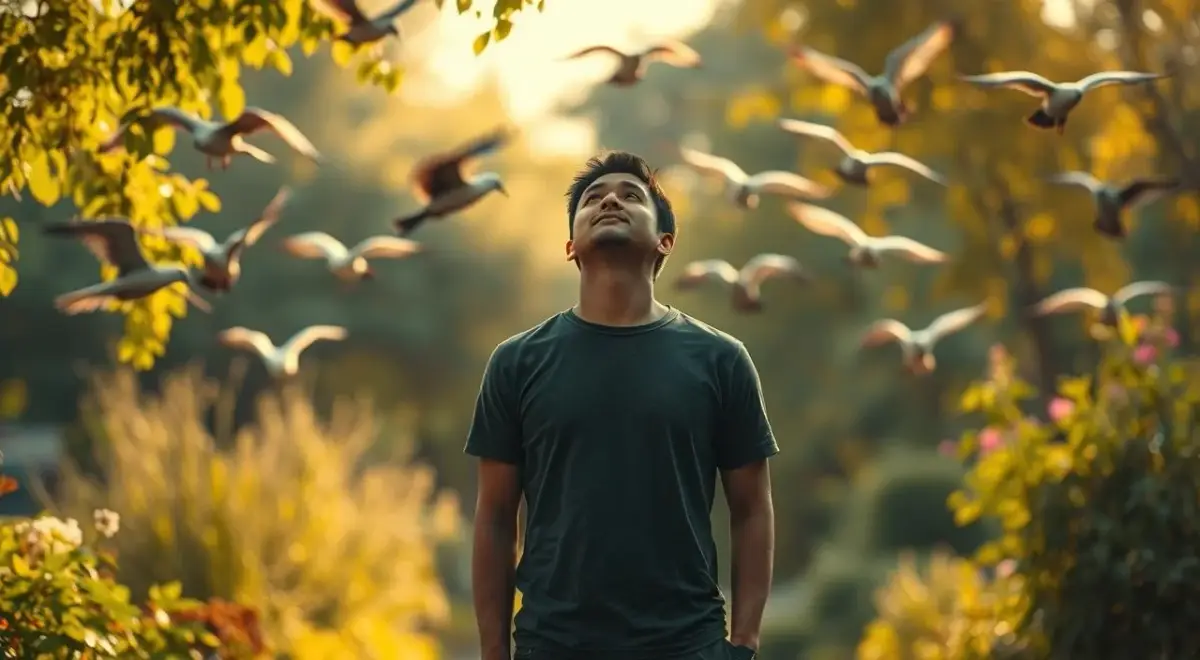
Overcoming the fear of birds is a courageous journey. Many people face this challenge with determination. Their stories show that it is possible to overcome fear with the right support and effective strategies.
Inspiring stories
Many people share their experiences about the fear of birds. They show that every step towards overcoming it is important. Personal accounts motivate those who are in the same struggle.
Experiences like approaching a bird in a park for the first time are victories. They show that it's possible.
Tips from someone who overcame fear.
Those who have overcome their fear of birds offer valuable advice. Here are a few:
- Seek out a support group that understands emotional difficulties.
- Practice bird watching in controlled environments.
- Focus on positive experiences to create pleasant memories with these birds.
Importance of social support
Social support is essential to overcoming fear. Having friends and family who understand the process helps a lot. Talking openly about fear helps to demystify it.
Sharing small achievements keeps people motivated. This is crucial for recovery.
Activities that help with desensitization
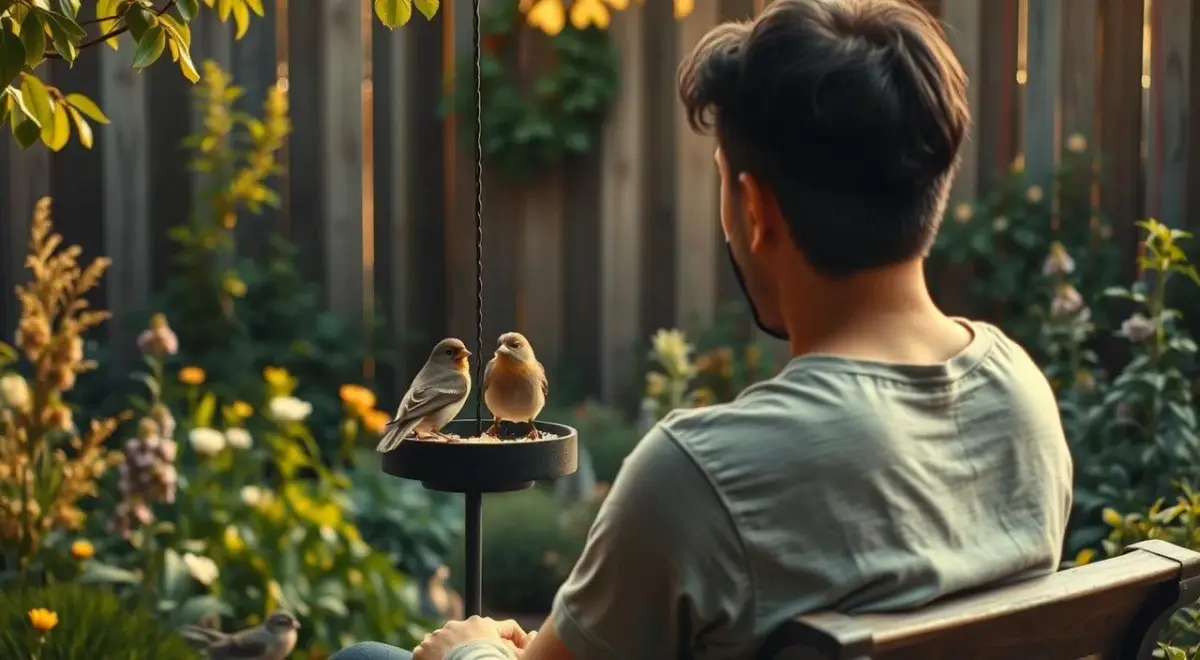
Overcoming a fear of birds can be achieved through fun activities. These activities can help you feel more comfortable around birds. Participating in these activities can be the first step in overcoming your fear.
Birdwatching
Birdwatching is a relaxing activity. It's perfect for beginners. Using binoculars and field guides helps you learn about birds.
This practice reduces anxiety. It helps you get used to the birds.
Workshops and courses on ornithology
Attending ornithology workshops and courses is very enriching. They teach a lot about birds. They also help you feel confident while learning about their behavior and habitats.
Meetings in parks
Meetings in parks are great for getting to know each other. They are safe places to learn how to deal with fear. Support groups organize birdwatching outings.
This interaction greatly aids in desensitization. It provides emotional support during the process.
The relationship between fear and bird education.
Learning about birds helps combat the fear of them. Knowing about the different species and their habitats helps dispel myths. This changes the way we see these creatures, from a threat to something to be appreciated.
Knowledge as a tool to combat fear.
Understanding the role of birds in the world helps those who are afraid of them. Bird education provides information showing that they are not dangerous. With this information, people feel safer when they see birds.
The importance of curiosity
Curiosity greatly aids learning. Those interested in birds seek to learn more about them. This pursuit can create an emotional connection with birds, transforming fear into admiration.
Examples of poultry farming findings
Poultry farming practices show how interacting with birds can be enriching. Raising and caring for birds teaches about their needs. This creates an environment where fear doesn't matter, showing that living with them is a chance to learn and have fun.
Relaxation techniques for moments of anxiety.
When we are afraid of birds, anxiety can increase. Using relaxation techniques helps a lot. They calm the mind and body, improving our well-being.
Meditation and mindfulness
Meditation and mindfulness are great for calming down. They teach us to stay in the present moment. This allows us to think less about fear.
While meditating, we focus on our breathing and on positive things. This reduces fear.
Physical exercises
Exercising is very helpful against anxiety. Physical activity releases endorphins, which are beneficial. Walking in nature is a good way to calm down.
This helps us feel better and reduces our fear of birds.
Active listening to sounds of nature
Listening to nature sounds is also very effective. Hearing birds and other natural sounds creates a tranquil environment. This calms the mind and transforms fear into curiosity.
Seek professional help.
Seeking professional help for a fear of birds is an important step. Therapy is a safe space to explore feelings. It helps build tools to cope with anxiety.
These experts help to understand and confront fear effectively.
Types of professionals who can help
Several professionals can help with a fear of birds. Psychologists are the most recommended, especially those who specialize in phobias. Occupational therapists and psychiatrists can also help, depending on each person's needs.
When to seek help
It's crucial to know when to seek professional help. If your fear of birds is significantly impacting your life, it's time to seek therapy . The sooner you seek help, the faster treatment can begin.
How to prepare for therapy
Preparing for therapy is very important. Bring notes about what worries you, experiences with fear, and your feelings. This helps you communicate better with the therapist.
This preparation helps create an effective treatment plan. This way, you can overcome your fear in an organized manner.
The role of family and friends
Family and friends are very important for those who are afraid of birds. They can be a great help in this process. With their support, the person feels less alone and more able to overcome their fear.
How to support someone who is afraid
To truly help, it's essential to listen attentively to the person's concerns. This creates a safe space for them to speak without fear. Some tips include:
- Encourage conversations about fear, allowing her to express herself.
- Practice patience and empathy during the overcoming process.
- Avoid forcing situations that provoke fear, respecting the person's time and space.
Open communication about fear.
Openly discussing fear is crucial. It helps clarify doubts and creates a welcoming environment. Sharing experiences and information about birds is very useful. This practice not only educates but also strengthens the bond between people.
Activities together to overcome fear.
Engaging in activities in nature and with birds can help overcome fear. Some suggestions include:
- Visits to parks to observe birds from a distance.
- Participate in environmental education events about birds.
- Interactive activities, such as bird photography workshops, that promote a positive connection with these creatures.
Fear of birds in pop culture
Pop culture portrays birds as dangerous creatures. Movies and TV shows do this a lot. This helps to increase the fear of them in many people.
Representations in films and series
Films like Alfred Hitchcock's "The Birds" depict fear. These stories create an atmosphere of dread. Often, people don't see the impact this has on real life.
The influence of the media
The media makes birds seem dangerous. Programs and documentaries show aggressive behavior. This makes people feel unsafe being near nature.
How does this affect the perception of fear?
Viewing birds as threats creates a cycle of fear. This constant sighting reinforces the fear. It's important to understand this in order to change the way we see birds.
Advantages of learning about birds
Learning about birds helps us see nature anew. This brings us many benefits from learning about birds . It improves our mental health , helps us relax, and makes us appreciate life.
Benefits for mental health
Studying birds helps reduce stress and anxiety. Observing birds makes us think about good things. This makes us calmer.
Connection with nature
When we learn about birds, we connect more with nature. Interacting with the natural world makes us happy. It also teaches us to value all living things.
Learning to love birds
Learning about birds makes us love birdlife more. We see the beauty and the role birds play in the world. This makes us respect and love nature.
Conclusion: A path to overcoming fear.
Overcoming a fear of birds takes time and practice. But it's a journey anyone can take. In this article, we discuss several strategies for confronting this fear.
One of them is cognitive behavioral therapy. Another is gradual exposure to uncomfortable situations. We also talk about relaxation practices. These approaches help to reduce anxiety and transform fear into curiosity.
Having persistence is very important on this journey. Recognizing that progress may be slow is essential. Every small step counts.
Practicing these techniques regularly helps build a solid foundation. Confidence increases when we better understand what scares us.
Seeking inner peace and confidence is the way. In this way, the presence of birds can become positive. Transformation begins with the first step.
Finding methods that work for you is key. Overcoming the fear of birds is possible, and it can lead to a new appreciation for nature.
🌟 Have you considered seeking a therapist to support your well-being journey?
If this article sparked reflections about positive changes in your life, perhaps now is the ideal time to take the next step. Do you know hypnosis as a therapeutic tool? This approach can be surprisingly effective for various personal challenges.
Special offer: Book a free 20-minute consultation with therapist Fabio Morus and discover how therapy can transform your life.
✨ No commitment — Completely free — 20 minutes that can make a difference
👉 Click here to book your free consultation
Don't postpone your well-being any longer. The first step to change is just one click away.