

Have you ever felt constant fear hindering simple everyday decisions? You're not alone: more than 264 million people live with a disorder that goes beyond common worry. When symptoms persist for months, affecting work, relationships, and self-esteem, we're talking about a condition that requires specific attention.
Global data shows that 3% of adults suffer from this challenge annually – and the impacts are profound. Those who experience this reality often face intense crises, social isolation, and even professional limitations. The good news? There are proven strategies to transform this scenario.
Throughout this article, I will share practical methods that help restore emotional balance. From immediate crisis techniques to habit changes that strengthen mental resilience, you will discover how to rebuild your quality of life step by step.
Understanding advanced anxiety

Recognizing the signs of generalized anxiety disorder is the first step in regaining emotional control. This condition goes beyond common worries – it's like having an internal alarm that goes off for no apparent reason, affecting everything from personal relationships to professional performance.
Definition and Characteristics of the Disorder
Generalized anxiety disorder manifests as excessive worry that persists for six months or more. Unlike passing nervousness, it creates a pattern where the person spends more days anxious than calm. Thoughts revolve around multiple themes—health, finances, work—even without real cause for alarm.
Causes and Contributing Factors
The origins are complex and varied. Studies indicate that 30% of cases are linked to genetic predisposition, while environmental factors – such as chronic stress – potentiate the development of the condition. Co-existing conditions , such as depression or problematic alcohol use, frequently appear in association.
Learned behavioral patterns also play a role: those who grew up in environments with high expectations or overprotection tend to develop intense anxious responses. The important thing is to understand that this is not a weakness, but a combination of factors that requires specific intervention.
Symptoms and Impacts on Quality of Life

When the body and mind are in a constant state of alert, physical and emotional signs become crucial indicators . Often, people don't realize that certain reactions are manifestations of a disorder that requires specialized attention.
Common Symptoms and Daily Challenges
The main signs include:
- Persistent restlessness - as if the body is unable to relax.
- Difficulty concentrating that hinders professional tasks.
- Frequent muscle tension, especially in the shoulders and neck.
These symptoms create a domino effect on daily life. Constant irritability drives away friends and family, while feelings of forgetfulness compromise deadlines at work. Many report feeling "trapped" in a cycle of physical and mental exhaustion.
The physical impacts are equally challenging. Frequent palpitations and headaches lead to repeated medical visits, while gastrointestinal problems disrupt eating habits. Fragmented sleep worsens everything – without adequate rest, quality of life progressively declines.
Recognizing these patterns is crucial. When symptoms such as difficulty concentrating or muscle tension persist for months, interfering with relationships and work, seeking professional help becomes essential to regain control over one's life.
Innovative Approaches to Treatment

The journey toward mental well-being involves methods that respect the uniqueness of each person. What works for one may not be ideal for another – therefore, modern strategies combine proven techniques with individual adaptations. Let's explore two approaches that transform lives when applied correctly.
Cognitive Behavioral Therapy
Considered the gold standard in the treatment of various cases, this approach teaches how to identify harmful mental patterns. Through practical exercises, the patient learns to question automatic thoughts and replace them with more realistic responses.
The sessions include techniques such as:
- Daily log of situations that trigger excessive worry.
- Breathing exercises for immediate control of physical symptoms.
- Behavioral experiments to test limiting beliefs.
Studies show that 60% of people experience significant improvement after 12 weeks of structured therapy . The secret lies in the continuous work between sessions, applying the strategies in daily life.
Use of Medications and Other Strategies
In certain cases, the use of antidepressants or anxiolytics complements psychotherapy. These medications work by regulating brain neurotransmitters, but require close monitoring. The pharmacological plan usually lasts 6 to 12 months after symptom control.
Other tools that enhance results:
- Regular physical activity to release endorphins.
- Mindfulness techniques to increase body awareness.
- Adjustments to diet to improve serotonin production.
Combining methods often yields the best results. Successful treatments always consider the personal history and specific needs of each individual, with continuous adjustments throughout the process.
Techniques and Strategies for Reducing Crises
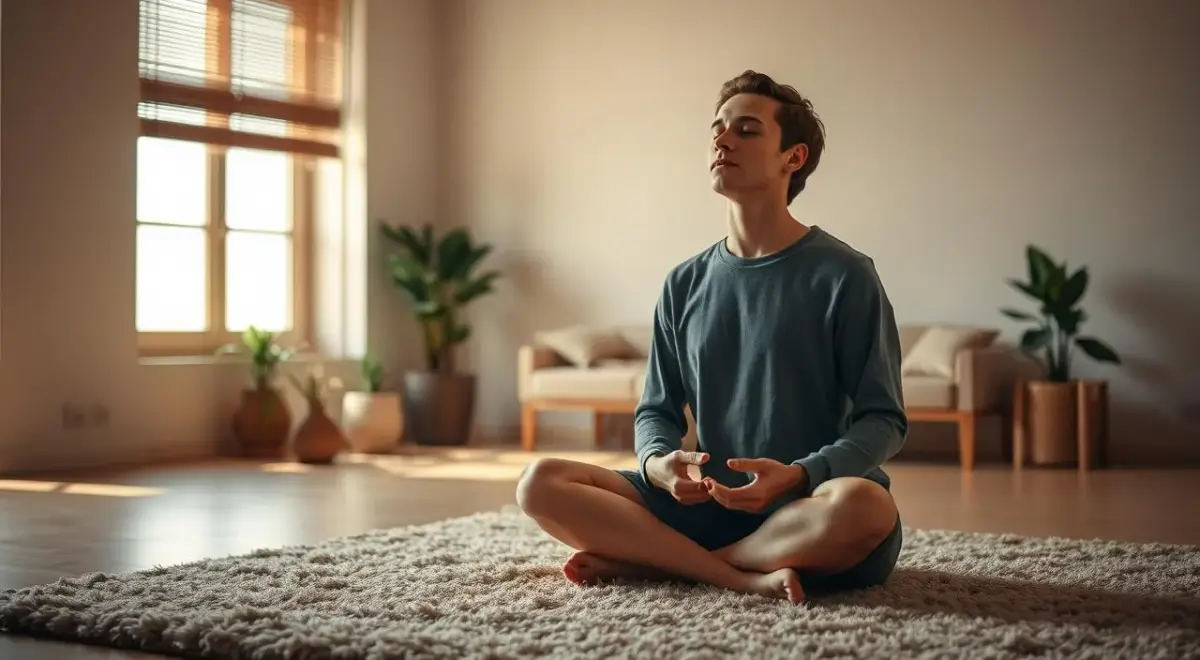
What do you do when you feel your heart racing and your thoughts spiraling out of control? Mastering practical methods can be the key to stopping crises and regaining balance. Let's explore two powerful approaches that work both in acute situations and for long-term prevention.
Breathing and Relaxation Exercises
A simple technique brings relief in minutes: imagine a candelabra with 5 candles. Inhale through your nose for 4 seconds, then exhale through your mouth as if you were slowly extinguishing each flame. Repeat 3 cycles – this regulates the nervous system and reduces heart rate .
For muscle tension, try progressive relaxation:
- Clench your fists for 5 seconds, release, noticing the difference.
- Repeat with shoulders, neck, and jaw.
- Finish with diaphragmatic breathing for 2 minutes.
These methods create a sense of immediate control, especially when negative thoughts begin to arise.
The Importance of Routine and Leisure
Establishing fixed schedules for sleeping, eating, and working reduces the difficulty of dealing with unexpected events. Include the following in your schedule:
- 30 minutes a day for enjoyable activities (reading, walking)
- 5-minute breaks every hour of work
- One day a week with absolutely no obligations.
Those who suffer from panic disorder find that routine reduces the unpredictability of attacks. Regarding everyday worries , asking "Is this fact or fear?" helps to separate reality from catastrophic projections.
Remember: sharing your challenges with close people strengthens your support network. The combination of these strategies transforms not only the symptoms , but the entire relationship with emotional challenges.
Diagnosis and Professional Follow-up
Correctly identifying the causes of emotional distress is fundamental to developing an effective plan. Many people take years to seek specialized help, wasting valuable time that could be used to recover their quality of life.
Diagnostic Criteria and Clinical Evaluation
Diagnosing generalized anxiety disorder requires careful analysis. According to international guidelines, symptoms must persist for at least six months and significantly interfere with daily activities.
During the evaluation , the professional analyzes three main aspects:
- Intensity and frequency of concerns
- Impact on personal and professional relationships
- Presence of associated physical conditions
Additional Tests and Patient History
In 35% of cases , blood tests and cardiac evaluation are requested to rule out other physical causes. The detailed history includes questions about sleep patterns, eating habits, and recent stressful events.
One crucial point: the patient 's account of their own suffering carries equal weight to clinical data. This combination of scientific objectivity and personal experience ensures an accurate and humane diagnosis .
Continuous monitoring allows for adjustments to strategies as progress is made. Signs such as improved concentration or reduced muscle tension indicate real progress toward full emotional health .
🌟 Have you considered seeking a therapist to support your well-being journey?
If this article sparked reflections about positive changes in your life, perhaps now is the ideal time to take the next step. Do you know hypnosis as a therapeutic tool? This approach can be surprisingly effective for various personal challenges.
Special offer: Book a free 20-minute consultation with therapist Fabio Morus and discover how therapy can transform your life.
✨ No commitment — Completely free — 20 minutes that can make a difference
👉 Click here to book your free consultation
Don't postpone your well-being any longer. The first step to change is just one click away.