
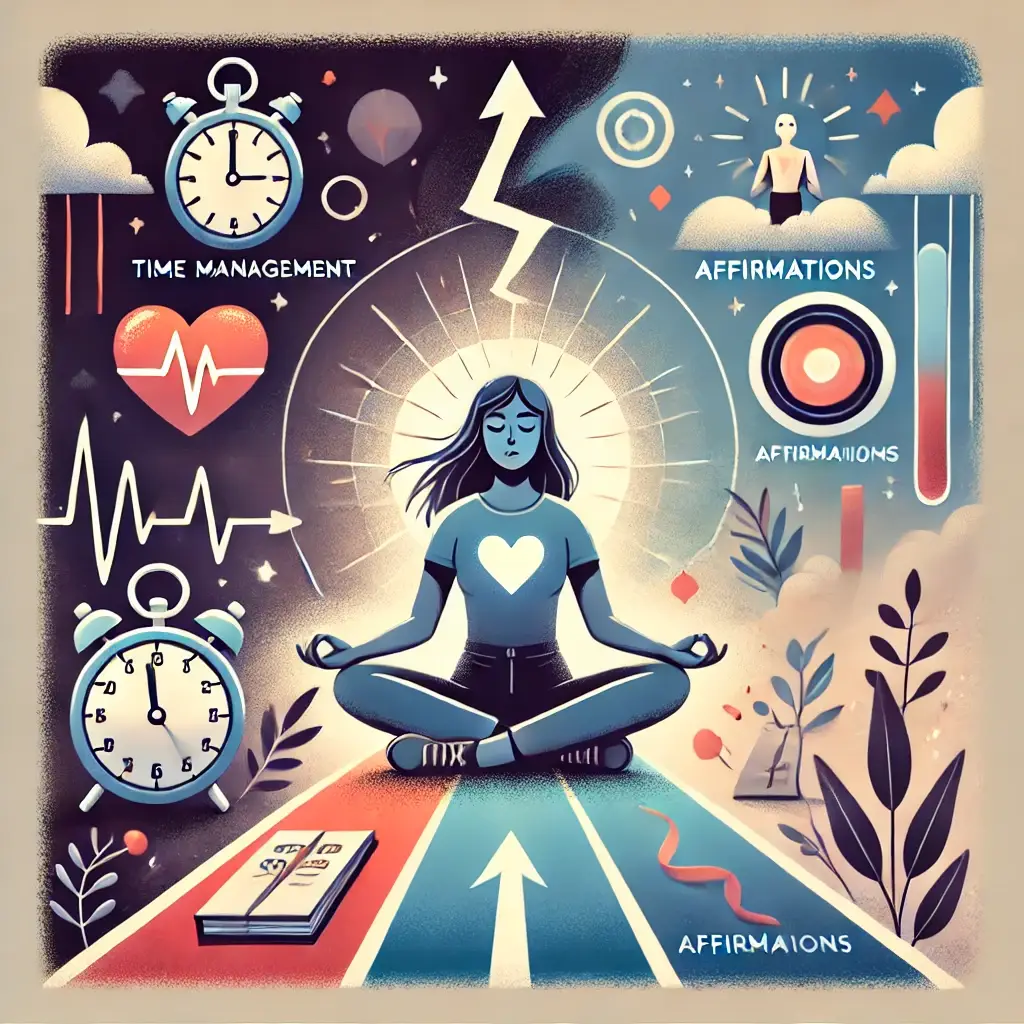
In this article, we will share seven valuable tips to help you manage anxiety. Anxiety is a mental health problem that affects many people worldwide. It can manifest in various ways, including physical and psychological symptoms such as shortness of breath, chest tightness, negative thoughts, and much more.
The good news is that there are many ways to manage anxiety and regain emotional balance. Some of these tips include engaging in physical activity, avoiding foods that stimulate the central nervous system, finding ways to relax and reduce stress, and seeking professional help when needed. With these tips, you can begin to feel calmer and more confident in dealing with anxiety.
Understanding and Identifying Anxiety
Anxiety is a natural feeling that we all experience at some point in our lives. It's a normal bodily response to stressful situations, such as public speaking or a job interview. However, when anxiety begins to affect quality of life and the ability to perform daily tasks, it may be a sign of an anxiety disorder.
Physical and Emotional Symptoms
Anxiety can manifest in various ways, both physically and emotionally. Physical symptoms include tremors, excessive sweating, shortness of breath, heart palpitations, and muscle tension. Emotional symptoms include excessive worry, fear, negative thoughts, and irritability.
Common Causes and Related Disorders
There are many different causes of anxiety, including stress, trauma, genetics, and chemical imbalances in the brain. Some common anxiety disorders include generalized anxiety disorder, obsessive-compulsive disorder, and panic disorder.
If you are experiencing anxiety symptoms that are affecting your daily life, it is important to seek professional help. Psychiatrists and psychologists are trained specialists who can help you understand and manage your anxiety. Additionally, self-awareness and the practice of relaxation techniques, such as meditation and yoga, can help reduce anxiety symptoms.
Practical Strategies for Managing Anxiety
When it comes to managing anxiety, there are several practical strategies we can adopt to help deal with the symptoms effectively. Here are some techniques that can help control anxiety:
Breathing and Relaxation Techniques
Breathing and relaxation techniques are among the most effective ways to manage anxiety. Deep breathing and progressive muscle relaxation techniques are some examples that can help reduce anxiety and stress. Deep breathing involves inhaling deeply through the nose and exhaling slowly through the mouth. Progressive muscle relaxation techniques involve contracting and relaxing the body's muscles to help unwind.
Physical Activities and Connection with Nature
Regular physical activity, such as walking, running, dancing, and yoga, can help control anxiety. Additionally, being in contact with nature can help reduce stress and improve emotional well-being.
Meditation, Mindfulness and Self-Care
Meditation and mindfulness are techniques that can help reduce anxiety and improve emotional well-being. Additionally, self-care can help alleviate stress and anxiety. Practicing activities such as writing, listening to music, hobbies, massage, and organization can help relieve anxiety.
Professional Support and Therapeutic Techniques
For some people, professional help may be necessary to manage anxiety. Psychologists and psychiatrists can help identify the cause of anxiety and develop a personalized treatment plan. Therapeutic techniques, such as cognitive behavioral therapy, can help manage anxiety.
Lifestyle Improvement and Healthy Habits
Quality of life and a healthy diet can also help control anxiety. Getting a good night's sleep and adopting healthy habits, such as a balanced diet and regular physical activity, can help improve emotional well-being and reduce anxiety.
In summary, there are several practical strategies we can adopt to manage anxiety. From breathing and relaxation techniques to regular physical activity and seeking professional help, there are many options available to help control anxiety and improve emotional well-being.
Simple Practices to Reduce Anxiety
- Conscious breathing: Inhale counting to 4, hold for 4, and exhale for 4. It's magic!
- Physical exercise: Get moving! Walking or yoga can help relieve tension.
- Digital disconnection: How about taking a break from social media and focusing on the present?
- Establish a routine: Organizing your day reduces that feeling of chaos.
- Seeking help: Therapy is a compass to finding balance.
Why is Seeking a Therapist Important?
It's like having a guide on an unfamiliar trail. A therapist can help you better understand your feelings, find practical solutions, and develop a more balanced life. Asking for help is not a sign of weakness; on the contrary, it's an act of courage and self-care. Sometimes, dealing with anxiety alone feels like a labyrinth with no way out. A therapist can be the guide you need to transform burden into learning and reclaim the lightness of living. It's not a sign of weakness, it's an act of courage and self-care.A Path to Inner Peace
Dealing with anxiety isn't easy, but it's possible. You're not alone on this journey. How about taking the first step? Learning to control your anxiety is possible, and you deserve this peace. Start taking care of your mental health now and discover a new way of living. Click here Fabio Morus Therapist to schedule a free 20-minute session.🌟 Have you considered seeking a therapist to support your well-being journey?
If this article sparked reflections about positive changes in your life, perhaps now is the ideal time to take the next step. Do you know hypnosis as a therapeutic tool? This approach can be surprisingly effective for various personal challenges.
Special offer: Book a free 20-minute consultation with therapist Fabio Morus and discover how therapy can transform your life.
✨ No commitment — Completely free — 20 minutes that can make a difference
👉 Click here to book your free consultation
Don't postpone your well-being any longer. The first step to change is just one click away.