
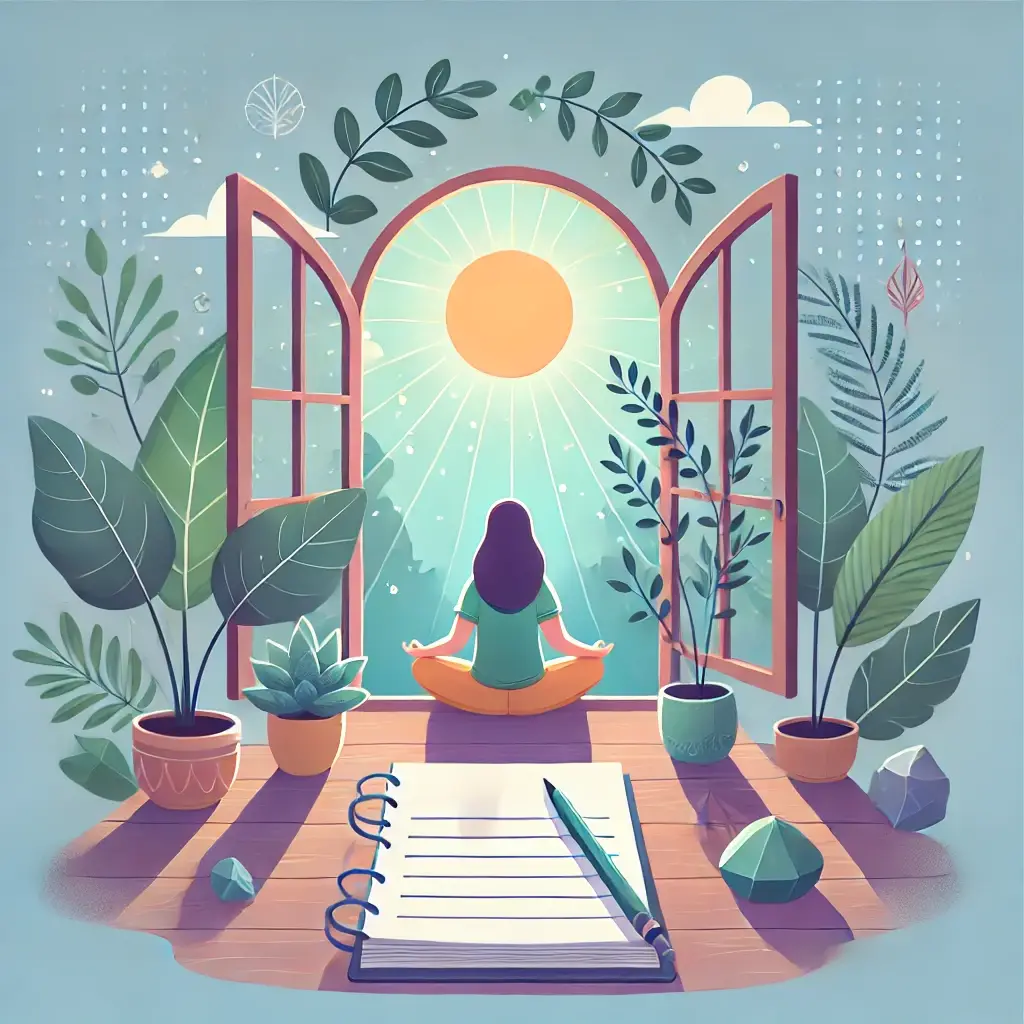

Taking care of your mental and emotional health is very important. Everyone should take care of themselves to feel good. In a world full of challenges, taking care of your mind is essential.
Many people don't know where to start. We'll show you 7 steps to take better care of your mental health. You'll learn how to make small changes to feel better.
Discover the Importance of Taking Care of Your Mental and Emotional Health
Mental and emotional health is very important. Often, we neglect it due to the rush of daily life. Understanding its importance helps a lot.
It influences how we deal with stress and how we relate to people. It's important to develop practices for taking good care of emotional health.
There are several tips for taking care of your emotional health. Setting aside time for yourself helps a lot. Practicing meditation, exercising, or pursuing hobbies you enjoy are also good ideas.
Socialization and support from friends and family are essential. They offer support and help in coping with challenges.
Journaling can be very helpful. Writing down feelings and reflections eases the mind. This helps process emotions in a healthy way.
By taking care of our mental and emotional health, we create a better internal environment. This helps us face challenges with greater resilience.
Taking care of your mental and emotional health is an important journey. Recognizing its importance and practicing daily self-care is investing in a better future. A fulfilling life involves caring for the body, mind, and heart.

Balancing Emotions: Strategies for Mental Well-being
Balancing emotions is a challenge in today's world. Work, family, and society can all cause stress and anxiety. Therefore, adopting strategies for mental well-being is crucial.
Identifying and managing stress in a healthy way is the first step. This helps maintain balanced emotional health.
An effective way to manage emotions is to practice mindfulness. This technique helps us to be present in the moment. It reduces rumination and allows us to better understand our feelings.
When we focus on our breathing and bodily sensations, we create a calm mental space. This gives us clarity, even in stressful situations. Furthermore, regular physical exercise releases endorphins, improving our mood.
Building a support network is vital for well-being. Sharing experiences and feelings with friends and family provides relief and offers perspective. These interactions strengthen our emotional bonds.
Setting aside time for activities that bring pleasure is essential. Hobbies and leisure time are a necessary break from routine. They take care of mental health.
Reflecting on our emotions and understanding what makes us feel is crucial. Finding healthy ways to express these emotions is an important step. Integrating strategies for mental well-being improves our emotional health.

Reducing Stress: Practical Tips for Taking Care of Your Emotional Health
Stress is a natural reaction to the challenges of daily life. But when it becomes excessive, it harms our emotional and physical health. Adopting habits that promote mental health is essential for balancing emotions and reducing tension.
Taking time for pauses and self-care is an effective strategy. This can range from breaks at work to weekends dedicated to enjoyable activities. Meditation, in particular, calms the mind and develops mindfulness.
Cultivating healthy relationships is essential for maintaining emotional health. Talking to friends, family, or professionals offers relief. Open dialogue helps express feelings and find solutions to problems.
Finally, we cannot forget the importance of a balanced diet and regular physical exercise. A nutrient-rich diet benefits the body and improves mood. Physical activity releases endorphins, known as the happiness hormones.
These help combat stress and improve self-esteem. By adopting habits for mental health, we are investing in a healthier emotional future.
The Power of Self-Care in Mental and Emotional Health
Self-care is essential for mental and emotional health in a hectic world. Often, we forget to take care of ourselves. However, self-care goes beyond moments of relaxation.
It's about cultivating healthy habits that impact our emotional well-being. Taking care of mental and emotional health involves maintaining a balanced routine and eating well. It's also important to exercise regularly and establish moments for rest.
An effective way to integrate self-care is to dedicate time to reflection and self-analysis. This includes identifying emotional triggers and developing strategies to cope with them. Practices such as meditation, yoga, and therapy help build resilience.
They improve how we deal with stress. By incorporating these practices into our daily lives, we create a safe space for our minds and emotions.
Furthermore, taking care of yourself is not selfish. It's a proactive attitude to ensure we can take care of others. When our emotional needs are met, we become better able to offer support.
The importance of self-care becomes evident in times of crisis. Our ability to cope with challenges is directly related to how well we are taking care of our mental and emotional health.
Implementing self-care into our lives isn't difficult. It can be as simple as setting aside a few minutes each day to read, listen to music, or take a walk. These small gestures contribute to increasing our personal satisfaction and boosting our emotional resilience.
The key is to make self-care a priority. Always remember that, in order to care for others, we need to be well ourselves.

Establishing Healthy Routines to Promote Daily Well-being
Establishing healthy routines is fundamental for daily well-being. In a hectic world, it's common to find it difficult to take care of oneself. However, small changes can make a big difference.
From regular exercise to paying attention to diet, every aspect contributes to overall well-being. Each small step helps create a balanced life.
A well-structured morning routine is a great start. Meditating, doing yoga, or having a healthy breakfast helps a lot. This prepares the mind and body for the day.
Taking time for breaks at work is also essential. This helps maintain focus and reduces stress. A productive break can revitalize energy and improve mental clarity.
Ensuring quality sleep is crucial. Having a fixed bedtime and wake-up time improves mood. A sleep-friendly environment also helps a lot.
Lack of sleep affects mood and the ability to cope with daily life. Therefore, good nights of sleep are essential for a healthy routine.
Taking time to socialize and take care of yourself is also important. Interacting with friends, pursuing hobbies, or enjoying moments alone balances your emotional life. These activities promote physical and mental health, strengthen relationships, and improve well-being.
Mindfulness and Meditation Practices in Promoting Mental Health
Mindfulness and meditation practices are highly valued today. They help connect with oneself and one's emotions. Meditation reduces anxiety and stress, improving mental health.
A common practice is meditation focused on breathing. This helps to keep the mind focused and wards off negative thoughts. Mindfulness teaches acceptance and compassion, essential for facing challenges.
Integrating these practices into your routine is a powerful way to take care of your mental health. Even short daily sessions can bring great benefits. They improve mood and emotional resilience, as well as promote social connection.
Adopting mindfulness and meditation greatly benefits mental health. They help us live better and more consciously. Pausing and reflecting can change life for the better.

How to Identify Warning Signs in Mental and Emotional Health
It's crucial to know when your mental health is at risk. Often, we ignore signs that indicate something is wrong. Mood swings and fatigue are warning signs.
Changes in sleep and appetite can also be a sign. These signs may indicate serious problems such as anxiety or depression.
It's important to see how these signs affect your daily life. If you avoid activities you enjoy or feel emotionally overwhelmed, it's time to seek help. Talking about it with friends or professionals is very helpful.
Taking care of your mental health is not a sign of weakness. It's a sign of courage and self-awareness.
Performing a self-assessment helps to better understand feelings. Identifying emotional patterns is essential. Practicing physical activities and meditating are also important for emotional health.
Having resources to help is an important step. No one needs to face this alone.
Seeking support is a sign of strength. Mental health professionals and support groups are very helpful. Paying attention to the signs and taking care of your mental health creates a better environment.
The Importance of Communication and Positive Relationships for Emotional Balance
Positive communication and relationships are essential for emotional balance. How we express ourselves and interact with others greatly influences our well-being. Healthy relationships make us feel safe and supported.
In today's fast-paced world, valuing face-to-face communication is crucial. Human contact is more important than ever.
Positive relationships provide us with emotional support and help us become stronger. Having trustworthy friends is essential. They allow us to share our emotions and problems, relieving stress.
These conversations also give us new perspectives. This helps us face challenges in a more balanced way. Learning to converse constructively strengthens our social bonds.
To take care of our mental health, the quality of our interactions is important. It's essential to listen to others and express our emotions. Seeking to resolve conflicts peacefully is also crucial.
These practices improve our relationships and our emotional self-control. Strong emotional self-control is essential for a balanced life.
In short, communication and positive relationships are fundamental to emotional balance. By practicing empathy and active listening, we strengthen our connections. This not only takes care of our mental health but also improves the well-being of everyone around us.

Nutrition and Exercise: The Impact on Mental and Emotional Health
The relationship between nutrition, exercise, and mental health is very important. A balanced diet improves our mood and energy. It also helps us cope better with stress.
Vitamins, minerals, and fatty acids are essential for the production of neurotransmitters. These substances regulate our emotions and behaviors.
Physical activity is a powerful ally in the pursuit of mental health. Regular exercise releases endorphins, the "happiness hormones." They also reduce anxiety and depression.
Physical exercise improves sleep, which is essential for emotional recovery. Integrating exercise into your daily routine is an effective strategy for taking care of your mental health.
Adopting a multifaceted approach to health, encompassing both proper nutrition and regular exercise, can transform not only our physical well-being but also how we feel about ourselves and the world around us. Awareness of the importance of these factors in mental health should be amplified, promoting a lifestyle that prioritizes holistic health. In a world that often seems chaotic, taking care of the body can be one of the first steps towards finding emotional and mental balance.
If you're looking for ways to strengthen your mental and emotional health, consider addressing your nutritional needs and implementing an exercise plan that fits your daily routine. This combination will not only improve your mood and self-esteem, but also provide greater resilience in the face of life's challenges. After all, a healthy mind resides in a healthy body, and functional care for both dimensions is fundamental to overall well-being.
Self-Care Strategies for Effectively Managing Mental and Emotional Health
Mental and emotional health is fundamental to overall well-being and is often neglected in our daily routines. Incorporating self-care strategies can be an effective way to take care of mental and emotional health. This involves not only activities that promote relaxation, but also developing greater awareness of our needs and limitations. Among the tactics that can be adopted, regular physical exercise stands out. In addition to releasing endorphins, which help improve mood, physical activity also contributes to reducing stress and anxiety, making it a powerful ally in maintaining emotional health.
Another important aspect is creating a routine that includes moments of disconnection. The digital age has brought an overload of information, and we are often immersed in screens, which can be destabilizing. Set aside time away from electronic devices, whether through reading, meditation, or simply enjoying nature. These breaks help recharge the mind, providing space for introspection and relaxation. Furthermore, mindfulness techniques, which involve being present in the moment, can revolutionize how we deal with daily challenges. Practicing mindfulness can reduce rumination and increase happiness in the present.
Establishing meaningful social connections is also a vital strategy. Healthy interactions and social support are cornerstones of emotional well-being. By sharing experiences, sorrows, and joys with close people, we feel a sense of belonging and security. Don't hesitate to seek support from friends, family, or even professionals when needed; dialogue is an incredible tool for emotional care. Creating and maintaining these connections can be a protective factor against loneliness and other mental health problems.
Finally, it's crucial to remember that each person is unique, and that self-care strategies should be personalized. Exploring different activities and discovering what resonates most with you is part of this process. Whether through art, hobbies, or even physical self-care, the important thing is to dedicate time to yourself. Caring for your mental and emotional health should not be seen as a luxury, but as a priority in our daily lives. Implementing these practices can be a step towards a more balanced and fulfilling life.

Simple Practices to Reduce Anxiety
- Conscious breathing: Inhale counting to 4, hold for 4, and exhale for 4. It's magic!
- Physical exercise: Get moving! Walking or yoga can help relieve tension.
- Digital disconnection: How about taking a break from social media and focusing on the present?
- Establish a routine: Organizing your day reduces that feeling of chaos.
- Seeking help: Therapy is a compass to finding balance.
Why is Seeking a Therapist Important?
It's like having a guide on an unfamiliar trail. A therapist can help you better understand your feelings, find practical solutions, and develop a more balanced life. Asking for help is not a sign of weakness; on the contrary, it's an act of courage and self-care.
Sometimes, dealing with anxiety alone feels like a labyrinth with no way out. A therapist can be the guide you need to transform the burden into learning and reclaim the lightness of living. It's not a sign of weakness, it's an act of courage and self-care.
A Path to Inner Peace
Dealing with anxiety isn't easy, but it's possible. You're not alone on this journey. How about taking the first step?
Learning to control your anxiety is possible, and you deserve that peace.
Start taking care of your mental health now and discover a new way of living.
Click here to schedule a free 20-minute session with Fabio Morus Therapist .
🌟 Have you considered seeking a therapist to support your well-being journey?
If this article sparked reflections about positive changes in your life, perhaps now is the ideal time to take the next step. Do you know hypnosis as a therapeutic tool? This approach can be surprisingly effective for various personal challenges.
Special offer: Book a free 20-minute consultation with therapist Fabio Morus and discover how therapy can transform your life.
✨ No commitment — Completely free — 20 minutes that can make a difference
👉 Click here to book your free consultation
Don't postpone your well-being any longer. The first step to change is just one click away.