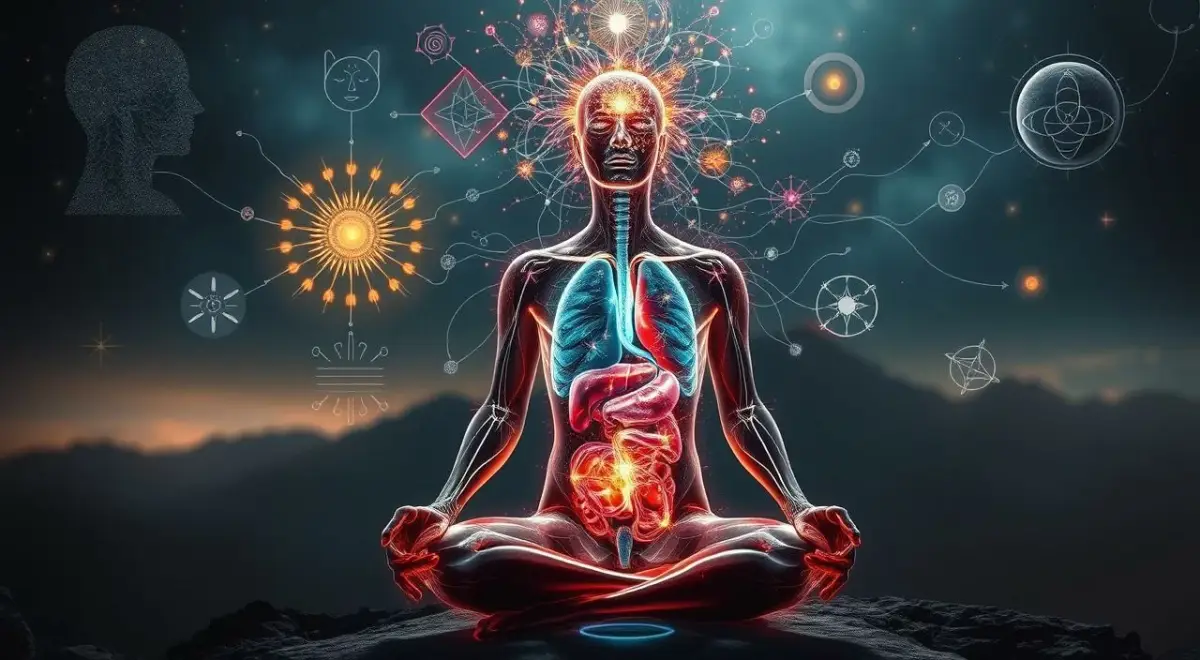

Scientific studies show that emotions greatly affect our physical health. It is crucial to understand how they influence our bodies. This way, we can improve both our emotional and physical health .
Introduction
Let's see how emotions affect our bodies. We'll also learn how to improve our emotional health. This will help our physical health.
Key Points
- Emotions have a significant impact on the body's physical health.
- Chronic stress can increase cortisol levels, which are associated with a 30% increase in blood sugar levels and a 20% increase in blood pressure.
- Engaging in physical activity can release endorphins, which have the potential to reduce stress levels by up to 30%.
- Emotions affect the production of neurotransmitters such as serotonin and dopamine, directly influencing mood and motivation.
- Emotion can influence up to 50% of the effectiveness of cognitive functions during the learning process.
- Studies show that emotional arousal can increase information retention by up to 60%.
The impact of emotions on the human body.

The mind-body connection is essential to understanding how emotions affect our health. Studies show that emotions such as anger, fear, happiness, and anxiety cause strong sensations in various parts of the body.
Anxiety can cause you to feel butterflies in your stomach , stomach pain, a racing heart, decreased appetite, dry mouth, difficulty breathing, shortness of breath, and nausea. Anger, on the other hand, can cause your heart to beat faster, sweat more, blood to rush to your head and hands, clench your jaw, and, in severe cases, loss of peripheral vision.
Emotional and physical health are closely linked. Hiding emotions, such as healthy anger, can make you more prone to illness and inflammation. The connection between mind and body is essential to prevent disease and maintain health.
- Emotional pain can worsen chronic conditions such as fibromyalgia, trigeminal neuralgia, neuropathy, and dystonia.
- Those who are emotionally depressed or stressed experience stronger physical pain. This increases the pain for those who already have chronic pain.
It's crucial to understand how emotions affect our physical health in order to better care for both our emotional and physical well-being . A holistic approach, which cares for the mind along with the body, can change lives for the better.
Chronic stress and its consequences

Chronic stress affects many people. It's crucial to understand how it impacts both body and mind. The influence of emotions on physical well-being is significant. Chronic stress can cause serious problems, such as metabolic changes and cardiovascular issues.
Metabolic changes caused by stress
Chronic stress can alter metabolism. This can lead to obesity and diabetes. The body and emotions are interconnected and affected by stress. Reducing stress is essential for improving health.
The effect of stress on immunity
Chronic stress weakens the immune system. This increases the risk of illness. It's important to understand how stress affects immunity and how to reduce it to improve health.
Cardiovascular health and stress
Chronic stress can increase the risk of cardiovascular disease. This includes hypertension and coronary heart disease. It is crucial to understand how stress affects cardiovascular health and how to reduce it to improve overall health.
Some practical tips for reducing stress include:
- Practice regular physical exercise.
- Meditate and practice relaxation techniques.
- Maintain a healthy and balanced diet.
- Getting enough sleep and maintaining good sleep quality.
The link between emotions and illness.
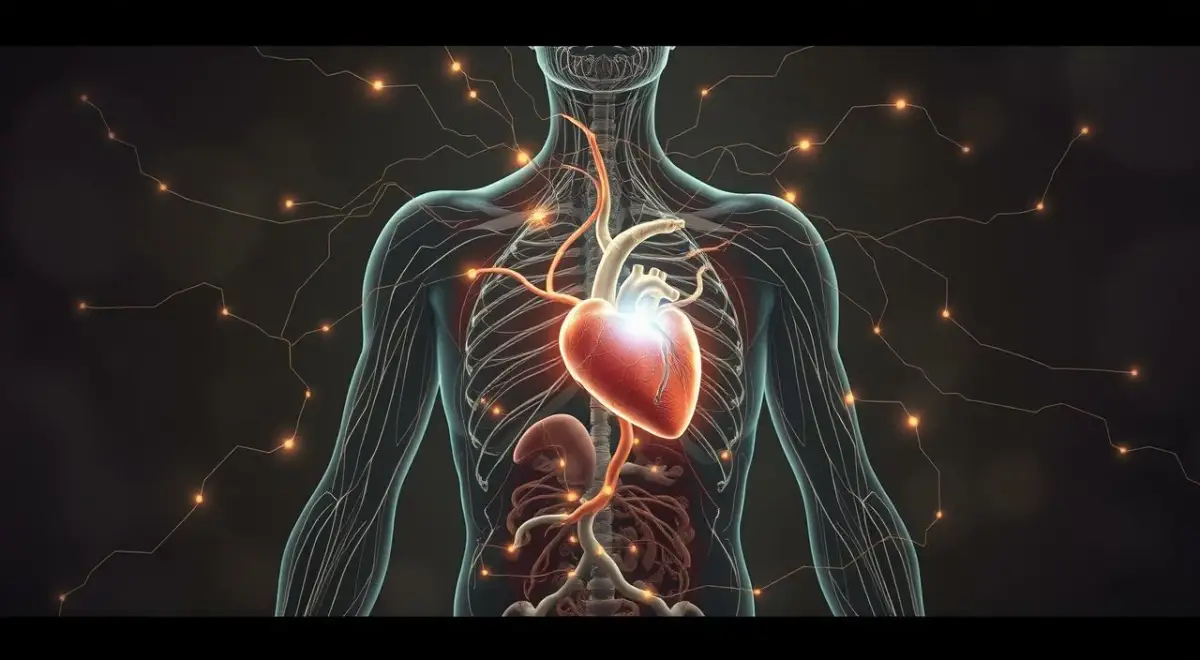
Emotions can greatly affect physical health. It's crucial to understand how they influence our bodies. Improving emotional health is also important for preventing illness.
The emotional effects on the body are strong. For example, anger can cause muscle spasms and hypertension. Deep sadness, on the other hand, can lead to kidney problems and depression.
Autoimmune diseases and emotional state
Autoimmune diseases, such as rheumatoid arthritis, can be influenced by mood. Anxiety and depression can increase the risk of these diseases.
Mental disorders and physical symptoms
Mental disorders, such as depression, can cause headaches and fatigue. Taking care of emotional health is vital for preventing and treating these disorders.
- Psychosomatic illnesses, such as gastritis, can be caused by psychological distress.
- The interaction between the brain and the body is crucial. The central nervous system communicates with the limbic and neuroendocrine systems, affecting physical health.
In summary, the relationship between emotions and illness is complex. It is essential to understand how emotions affect the body. It is also important to improve emotional health to prevent illness and maintain emotional balance and physical health.
The role of the mind in physical recovery.

The mind plays an important role in physical recovery. This includes a positive mindset and visualization techniques. Understanding how the mind affects the body and how to improve health is crucial.
Studies show that emotions and illnesses are linked. Quality of life depends heavily on emotional state. A positive mindset helps reduce stress and anxiety.
To recover physically, several techniques are helpful. For example:
- Visualization and healing techniques
- Meditation and mindfulness practices
- Breathing and self-control exercises
Mental health is essential for physical recovery. Seeking professional help is crucial for those facing emotional challenges. Understanding how emotions affect physical health aids in recovery.
Emotions and eating behaviors

The mind-body connection is very important for what we eat. Studies show that 7 out of 10 Brazilians experience emotional hunger. This can lead them to choose to eat impulsively and unhealthily.
Emotions and health are closely linked. They influence what we eat. For example, 64% of participants in a study said that overeating helps them cope with anxiety and stress.
Emotions as a Trigger for Compulsive Eating
Emotions can change what we eat in many ways. For example:
- Eating excessively when we are stressed or anxious.
- Choosing unhealthy foods when we are sad or depressed.
- Having uncontrollable cravings for sweets or fried foods.
It's crucial to understand how emotions affect our bodies. Improving our emotional health is also important for improving our physical health. Recognizing emotional triggers can help us find healthy ways to cope with them.
Sleep and emotional health

Sleep is essential for our health. Emotions have a great impact on it. Sleeping well helps both the mind and the body.
We spend a third of our lives sleeping. Insufficient sleep can increase anxiety and stress.
How emotions impact sleep quality
Emotions can make it difficult to sleep. Anxiety and stress can cause sleep deprivation. This can lead to depression and worsen symptoms.
Effects of adequate sleep on mental health
Getting enough sleep is crucial for mental health. During REM sleep, the brain strengthens positive emotions. This helps in the treatment of mental disorders.
Sleep also helps regulate emotions. This reduces anxiety and stress.
Techniques to improve sleep emotionally
There are several ways to improve sleep. Here are a few tips:
- Establish a regular sleep routine.
- Create a peaceful and comfortable sleep environment.
- Avoid using electronic devices before bed.
- Practice relaxation techniques, such as meditation or deep breathing.
In short, sleep is essential for our health. Emotions have a major impact on it. By understanding how emotions affect sleep, we can improve our emotional and physical health.
Practices for balancing emotions
To balance emotions and improve physical health, it's important to practice various activities. Breathing and self-control exercises, meditation, and physical activity are essential. They help regulate emotions.
According to the World Health Organization (WHO), mental health is crucial. It helps us cope with stress and succeed at work. In Brazil, many people suffer from depression. Therefore, it is vital to find ways to balance emotions and take care of physical health.
Breathing and self-control exercises
Breathing and self-control exercises can reduce stress and anxiety. They promote emotional balance. Additionally, physical activity improves emotional regulation, helping to balance emotions.
The importance of meditation and mindfulness.
Meditation and mindfulness reduce anxiety and depression. They help to balance emotions. Expressing gratitude also alleviates pain and strengthens the immune system.
- Breathing and self-control exercises
- Meditation and mindfulness
- Physical activities
In summary, practices such as breathing exercises, meditation, mindfulness, and physical activity are very important. They have a significant impact on emotional and physical health. They help reduce stress and anxiety, promoting emotional balance and physical well-being.
The role of therapy in emotional regulation.

Therapy is very helpful in emotional regulation. It teaches you how to deal with emotions in a healthy way. What emotions do to the body is a common question. Therapy shows how to manage the impact of emotions on the body .
There are several therapies that can help, such as cognitive-behavioral and psychodynamic therapy. These help to understand and manage emotions. This improves emotional and physical health.
Studies show that therapy helps with depression and anxiety. These conditions are common in people with emotional dysregulation. Therapy also improves relationships and self-esteem.
In short, therapy is very useful for those who want to improve their emotional and physical health. By understanding what emotions do to the body and how therapy helps, we can begin to live better.
| Type of Therapy | Benefits |
|---|---|
| Cognitive-Behavioral Therapy | It helps manage negative thoughts and behaviors. |
| Psychodynamic Therapy | It helps to understand and resolve internal conflicts. |
How can spirituality help?
Spirituality greatly helps in the mind-body connection . It improves emotional and physical health . Research shows that spiritual people live longer and feel better.
Some benefits of spirituality include:
- Reducing stress and anxiety
- Improved mental and physical health
- Increased life expectancy
- Reduction of oxidative stress
According to the World Health Organization (WHO), spirituality is essential for health. In Brazil, more than 80% of the population is Christian. Spirituality greatly contributes to health.
Practicing spirituality, such as meditating and praying, greatly improves emotional and physical health . It also reduces stress and anxiety. This helps in the mind-body connection .
The importance of a support network
The influence of emotions on physical well-being is an important topic. The body and emotions are linked. Social relationships can affect them in various ways.
Having healthy relationships helps a lot. They help regulate emotions and improve physical well-being. A good support network reduces stress and aids in self-care.
Studies show that healthy relationships are good for health. They help lower blood pressure and strengthen the immune system. The quality of relationships can also increase longevity.
- Reduce stress levels
- Promoting self-care
- To stimulate personal growth.
- Strengthen mental and physical health.
Investing in a strong support network is essential. It should include family, friends, and healthcare professionals. This way, we can face life's challenges with greater strength.
How emotional balance affects physical health
Emotional balance is essential for maintaining physical health. When we are emotionally balanced, our bodies can function in a healthier way. This is because the body and mind are connected, and emotional balance directly influences physical health.
When we are stressed or anxious, our bodies can react negatively. Chronic stress can affect the immune system, increasing the chance of illness. Additionally, stress can cause digestive problems, such as abdominal pain, and sleep problems.
On the other hand, when we are emotionally balanced, our bodies can recover more quickly from illnesses and injuries. Emotional balance can also help reduce the risk of developing chronic diseases such as diabetes and heart disease.
Furthermore, emotional balance can improve sleep quality. When we are stressed or anxious, we may have difficulty falling asleep and maintaining quality sleep. This can affect mood, concentration, and overall physical health.
Therefore, it is important to take care of emotional health to maintain physical health. Practices such as meditation, physical exercise, therapy, and relaxation activities can help achieve emotional balance and improve physical health.
Practices for achieving emotional balance
Here are some practices that can help achieve emotional balance and improve physical health:
- Meditation: Practicing meditation regularly can help reduce stress and anxiety, improving emotional balance.
- Physical exercise: Regular exercise can help release endorphins, which are hormones that improve mood and emotional balance.
- Therapy: Seeking help from a mental health professional can help identify and address emotional issues that may be affecting physical health.
- Relaxing activities: Engaging in relaxing activities, such as reading, music, or hobbies, can help reduce stress and improve emotional balance.
It's important to find practices that work best for each person and make them a regular part of their daily routine to achieve emotional balance and improve physical health.
Want to experience the benefits of hypnosis for anxiety and stress?
Schedule your free 20-minute consultation now and discover how hypnotherapy can transform your life! Access the website and book your appointment .
Source Links
- The impact of stress on physical and mental health - https://nefrostar.com/blog-post.php?id=estresse-e-saude
- The Importance of Emotions in Learning: A Neuropsychopedagogical Approach - http://pepsic.bvsalud.org/scielo.php?script=sci_arttext&pid=S0103-84862016000300014
- THE MAP OF EMOTIONS - Take it with you - https://www.hospitaloswaldocruz.org.br/levecomvoce/o-mapa-das-emocoes/
- The Impact of Emotions on Human Physiology: A Profound Connection | Integrativa - https://integrativa.pt/o-impacto-das-emocoes-na-fisiologia-humana-uma-ligacao-profunda/
- What to do when emotions impact the physical body? - Dr. Claudio Corrêa - https://www.claudiocorrea.com.br/o-que-fazer-quando-o-emocional-impacta-o-corpo-fisico/
- Find out if you suffer from chronic stress - https://www.nationalgeographicbrasil.com/ciencia/2023/09/saiba-se-voce-sofre-de-estresse-cronico
- Chronic stress: effects and tips to rebalance the body - https://www.essentialnutrition.com.br/conteudos/estresse-cronico/
- The Impacts of Chronic Stress on Brain Health and How to Reduce Them - https://www.maededeus.com.br/Noticia/os-impactos-do-estresse-cronico-na-saude-do-cerebro
- What is the relationship between illnesses and emotions? - Dr. Christiane Fujii - https://christianefujii.com.br/qual-a-relacao-entre-as-doencas-e-as-emocoes/
- Learn what science says about the link between emotion and the heart - https://www.abbottbrasil.com.br/corpnewsroom/healthy-heart/saiba-o-que-a-ciencia.html
- Psychosomatic illnesses: learn how emotions and thoughts affect the body - https://www.uol.com.br/vivabem/noticias/redacao/2021/07/01/doencas-psicossomaticas-saiba-como-emocoes-e-pensamentos-afetam-o-corpo.htm
- Mental health and its importance in people's lives - Santa Mônica Hospital - https://hospitalsantamonica.com.br/a-saude-mental-ea-importancia-dela-na-vida-das-pessoas/
- Mental health and illness: how it aids in recovery - Love Your Mind - https://www.amesuamente.org.br/blog/saude-mental-como-ela-auxilia-na-recuperacao-de-doencas/
- Mind and body, a duo that needs to work together - https://www.uninter.com/noticias/mente-e-corpo-uma-dupla-que-precisa-trabalhar-unida
- Emotional hunger: the relationship between emotions and food - https://www.essentialnutrition.com.br/conteudos/fome-emocional/
- 9 emotions related to eating behavior - https://www.terra.com.br/vida-e-estilo/saude/9-emocoes-relacionadas-com-o-comportamento-alimentar,329f45b006cbac33d99f1738d47c282562yz5t8n.html
- How important is sleep for mental health? – Centro CEREBRO - https://centrocerebro.pt/blog/importancia-do-sono-na-saude/
- Sleep and mental health: insomnia may be a sign of a psychiatric disorder - Ceará State Health Department - https://www.saude.ce.gov.br/2023/03/16/sono-e-saude-mental-insonia-pode-ser-indicio-de-algum-transtorno-psiquiatrico/
- How sleep affects mental health - https://ge.globo.com/eu-atleta/saude-mental/noticia/2022/05/21/como-o-sono-afeta-nossas-emocoes.ghtml
- Expert explains how to balance body, mind and emotions - https://www.em.com.br/app/noticia/bem-viver/2022/01/24/interna_bem_viver,1339746/especialista-explica-como-equilibrar-corpo-mente-e-emocoes.shtml
- How to balance emotions? Singular Institute - https://institutosingular.org/blog/equilibrar-as-emocoes/
- Emotional regulation: learn about the social impact of this process - https://www.telavita.com.br/blog/regulacao-emocional/
- Psychology of emotions: an integrative approach to understanding emotional expression - https://www.scielo.br/j/pusf/a/FKG4fvfsYGHwtn8C9QnDM4n/
- Scientists investigate how spirituality can help physical health - BBC News Brazil - https://www.bbc.com/portuguese/geral-56655826
- Scientists investigate how spirituality can help physical health - https://g1.globo.com/bemestar/noticia/2021/05/09/cientistas-investigam-como-a-espiritualidade-pode-ajudar-a-saude-do-corpo.ghtml
- How can spirituality influence people's health? - SBMFC - https://www.sbmfc.org.br/noticias/como-a-espiritualidade-pode-influenciar-a-saude-das-pessoas/
- The importance of an emotional support network in combating depression - https://g1.globo.com/mg/triangulo-mineiro/especial-publicitario/rn-saude-hap-vida/mais-saude/noticia/2021/09/23/a-importancia-da-rede-de-apoio-emocional-no-combate-a-depressao.ghtml
- Support Network: The Power of Relationships for Mental Health and Well-being - CENTRAL THERAPY - https://centralterapia.com.br/rede-de-apoio-o-poder-das-relacoes-para-a-saude-mental-eo-bem-estar/
- Psychologist explains the importance of an emotional support network in the fight against cancer - https://www.blogdajuliska.com.br/psicologa-explica-importancia-da-rede-de-apoio-emocional-na-jornada-contra-o-cancer
- How do your emotions affect body pain? - https://www.tjdft.jus.br/informacoes/programas-projetos-e-acoes/pro-vida/dicas-de-saude/pilulas-de-saude/como-as-suas-emocoes-interferem-nas-dores-do-corpo
- Emotional health: how to improve and have a better quality of life - Ticket Blog - https://www.ticket.com.br/blog/saude-e-bem-estar/saude-emocional/
- WHO highlights urgent need to transform mental health and care - https://www.paho.org/pt/noticias/17-6-2022-oms-destaca-necessidade-urgente-transformar-saude-mental-e-atencao
🌟 Have you considered seeking a therapist to support your well-being journey?
If this article sparked reflections about positive changes in your life, perhaps now is the ideal time to take the next step. Do you know hypnosis as a therapeutic tool? This approach can be surprisingly effective for various personal challenges.
Special offer: Book a free 20-minute consultation with therapist Fabio Morus and discover how therapy can transform your life.
✨ No commitment — Completely free — 20 minutes that can make a difference
👉 Click here to book your free consultation
Don't postpone your well-being any longer. The first step to change is just one click away.