

Learning to care for your emotional well-being is essential for a healthy and happy life. The World Health Organization (WHO) says that emotional health is crucial for well-being. Practicing hypnotherapy, relaxation, and emotional self-care improves life and brings well-being.
Introduction
With 86% of Brazilians experiencing anxiety, taking care of emotional well-being is urgent. Meditation, exercise, and a healthy diet reduce stress and anxiety. They also improve sleep and memory.
Key Points
- Learning what it means to take care of your emotional well-being is fundamental for a healthy and happy life.
- The practice of hypnotherapy for emotional health can help reduce stress and anxiety.
- Relaxation techniques , such as meditation, can improve sleep and concentration.
- Emotional self-care is essential for overall well-being.
- A healthy diet and regular physical activity can help fight chronic inflammation and improve emotional health.
- Having a strong support network is crucial for psychological well-being.
- Reducing online time is recommended to increase time for rest, leisure, and study.
What does it mean to take care of your emotional well-being?

Taking care of our emotional well-being is essential for our health and happiness. This includes stress management , which helps us cope with life's difficulties. Emotional health is the ability to cope with stress and maintain productivity, according to the WHO.
Mental well-being is also linked to managing emotions. This affects our productivity at work. Self-hypnosis can help reduce stress and anxiety.
- Engaging in physical activity to reduce anxiety symptoms and maintain emotional balance.
- Developing effective communication skills to relate healthily with other people.
- Learn to manage stress and anxiety through relaxation techniques and self-hypnosis.
Taking care of our emotional well-being improves our quality of life. This increases productivity and reduces the risk of mental health problems. Remember, emotional health is crucial to our well-being and should be a daily priority.
Signs that you need to take care of your emotional health.
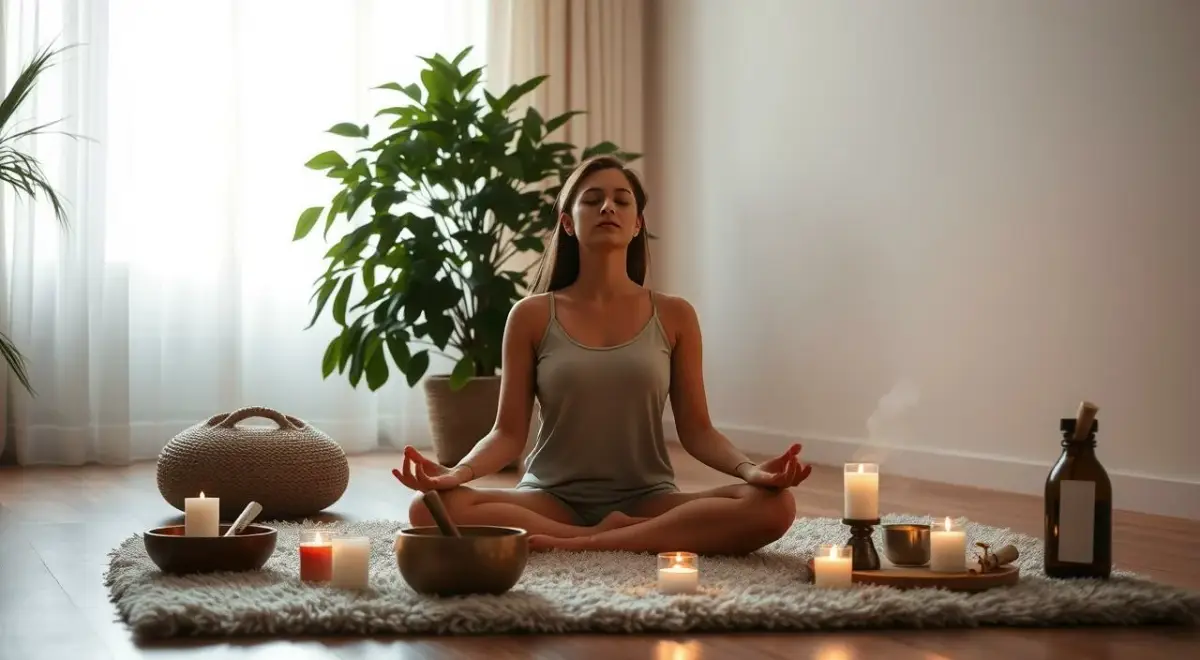
Feeling overwhelmed is common. But it's essential to recognize when you need to take care of your emotional well-being. Mental health is just as important as physical health. Neglecting it can cause serious problems.
If you are experiencing anxiety , depression , or stress , it's a warning sign. These feelings can manifest as irritability, mood swings, and a desire to isolate yourself. If you are experiencing these feelings, seek help.
There are relaxation techniques that can help, such as meditation and yoga. Emotional self-care is also crucial. Do things you enjoy, spend time with loved ones, and take care of your physical health.
If you are experiencing anxiety or depression, you may need to reframe your emotional thinking . This means changing negative thoughts into more positive ones. With the help of a professional, you can learn to cope with these feelings.
Benefits of taking care of your emotional well-being.

Taking care of your emotional well-being is essential for feeling good. Practices like self-hypnosis are very helpful. They reduce stress and anxiety, bringing calm.
Taking care of our emotional well-being is very important for our mental health. In Brazil, 9.3% of the population suffers from anxiety, and 11.5 million suffer from depression. This shows that we need practices like meditation to take care of ourselves.
To maintain emotional balance, a healthy diet is beneficial. Exercise and rest are also key. The Mediterranean diet can reduce depression by 35%. Physical activity improves mood.
To improve mental well-being , it is important to:
- Practice meditation and self-hypnosis regularly.
- Maintain a balanced and healthy diet.
- Exercise regularly.
- Set aside time for rest and leisure.
Adding these practices to your daily routine greatly improves your life. They help reduce anxiety and depression, leading to feelings of well-being and emotional balance.
Techniques for taking care of your emotional well-being.
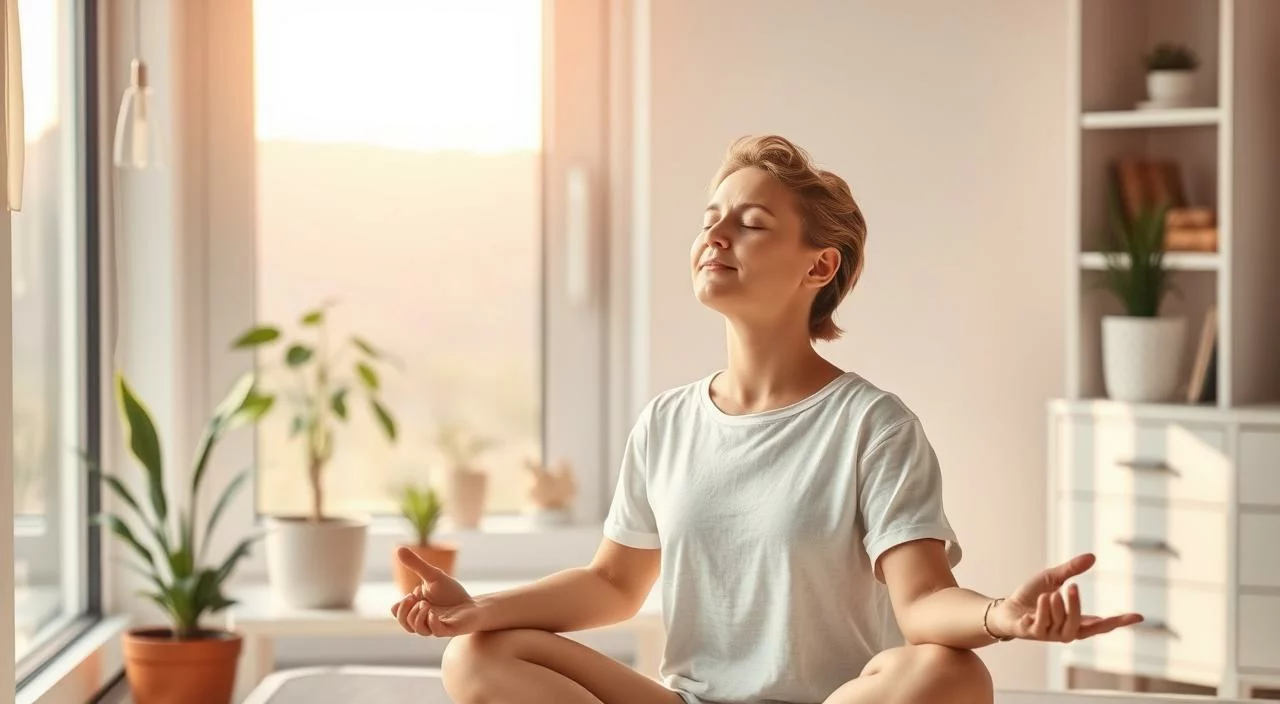
To maintain emotional health, it's essential to add relaxation and self-care techniques to your routine. Hypnotherapy for emotional health helps reduce stress and anxiety. Practices like meditation and yoga are also very beneficial.
Emotional self-care is crucial. This includes recognizing and managing emotions in a healthy way. Activities such as journaling and practicing gratitude are important. Regular physical exercise also improves emotional health.
- Practice mindfulness and meditation to reduce stress.
- Incorporate physical exercise into your routine to release endorphins.
- Maintaining a balanced diet supports mental health.
- Establish a healthy sleep routine to improve the quality of your rest.
Adopting these practices improves emotional self-care . This leads to greater emotional well-being and quality of life.
The influence of personal relationships on emotions.

Personal relationships are very important for our emotional health. They affect our mental well-being and help us cope with stress.
Engaging in social activities and maintaining healthy relationships reduces stress and anxiety. This improves our mental well-being .
- Healthy relationships make us feel safe and like we belong.
- Social interaction is essential for our emotional health.
- When we don't interact socially, we feel lonely and insecure.
Self-hypnosis also helps manage stress and improve mental well-being. It reduces anxiety and improves sleep.
How to deal with negative emotions

It's essential to learn how to deal with negative emotions in a healthy way. They can greatly affect our quality of life. The first step is to identify and accept these feelings, not try to hide them.
For this, relaxation techniques are very useful. Meditation and deep breathing help to reduce stress and anxiety.
Emotional self-care is crucial for managing negative emotions. This includes writing about how we feel, engaging in physical or creative activities. It's also important to seek support from friends and family.
Emotional reframing helps a lot. It involves viewing negative experiences in a more positive light.
- Practice gratitude, focusing on the positive aspects of life.
- Developing self-awareness by recognizing and understanding one's own feelings and needs.
- Establish healthy boundaries, protecting your time and energy for yourself.
By adopting these strategies, we can improve our emotional resilience. This allows us to better manage negative emotions in a healthy way.
The importance of self-reflection

Self-reflection is very important for our mental well-being. It helps us think about our thoughts, feelings, and actions. This allows us to identify negative patterns and change them.
Practicing self-reflection also helps us understand ourselves and the world better. An effective way to do this is through self-hypnosis . It helps us relax and focus on our goals.
Another way is to write in an emotional journal. We can also stop and think for a while.
- Improved mental well-being
- Increased emotional balance
- Developing greater self-awareness
In short, self-reflection is very valuable. It helps us improve our mental well-being and find emotional balance . By practicing self-reflection every day, we become more aware of ourselves. And we can live a fuller and happier life.
Seek professional help.

Sometimes we need help taking care of our emotional well-being. Hypnotherapy for emotional health helps manage emotions. Relaxation techniques are also good for reducing stress and anxiety.
It's crucial to know when and why to seek professional help. If you're experiencing depression or anxiety, seek a therapist. Maintaining both mental and physical health is essential.
When to seek a therapist
If you feel overwhelmed or experiencing emotional difficulties, it's time to seek help. A therapist can teach you strategies for coping with stress and anxiety. This improves emotional self-care .
The role of therapy in emotional care.
Therapy is very useful for taking care of emotional well-being. With a therapist, you learn to manage emotions. You also develop relaxation techniques and improve your emotional health through hypnotherapy .
Furthermore, therapy helps to establish goals and objectives. And it creates a plan to achieve them.
Incorporating self-care into your routine
To maintain healthy mental well-being, it's essential to incorporate self-care into your daily routine. This can be done through breathing techniques, meditation, or self-hypnosis . It's also important to make time for yourself, whether for enjoyable activities or simply to rest.
Studies indicate that regular self-care reduces stress by up to 30% and increases resilience by 50%. Furthermore, healthy relationships are 40% more common among those who take good care of themselves.
- Engaging in regular physical activity, such as walking or practicing yoga, can help reduce stress and improve mental well-being.
- Practicing gratitude and positive self-talk can increase self-acceptance and self-awareness.
- Establishing clear boundaries can reduce interpersonal conflicts and improve sleep quality.
Self-care is crucial for mental and emotional health. By adding these practices to your day, you greatly improve your life and well-being.
Conclusion: Start taking care of your emotional well-being today.
Emotional self-care is a never-ending journey. It requires dedication and commitment. By using relaxation techniques like meditation, you learn to manage your emotions. This helps you practice greater emotional self-care in your daily life.
It's crucial to understand the importance of emotional health. With small actions, like taking time to reflect, you begin to take care of yourself. This helps maintain emotional balance, which is essential for feeling good.
How about scheduling a free 20-minute session with Therapist Fabio Morus? He can help you take the first step towards a lighter and more balanced life. Click here to schedule!
🌟 Have you considered seeking a therapist to support your well-being journey?
If this article sparked reflections about positive changes in your life, perhaps now is the ideal time to take the next step. Do you know hypnosis as a therapeutic tool? This approach can be surprisingly effective for various personal challenges.
Special offer: Book a free 20-minute consultation with therapist Fabio Morus and discover how therapy can transform your life.
✨ No commitment — Completely free — 20 minutes that can make a difference
👉 Click here to book your free consultation
Don't postpone your well-being any longer. The first step to change is just one click away.