
Anxiety affects millions of people worldwide, but there are effective alternatives for dealing with it. How to control anxiety without medication ? Relaxation techniques, conscious breathing, and lifestyle changes can help reduce symptoms and improve quality of life.
Introduction
Anxiety can change people's lives in many ways. It's crucial to seek natural and effective solutions. In this article, we'll look at 7 alternative methods for managing anxiety without using medication.
Key Points
- Anxiety affects millions of people worldwide.
- Relaxation techniques , mindful breathing , and meditation for anxiety can reduce symptoms.
- Foods rich in magnesium, omega-3 fatty acids, and fiber can help reduce anxiety.
- Regular physical exercise can stimulate the production of hormones related to happiness.
- It is essential to seek a mental health professional to treat anxiety in pathological cases.
What is anxiety and how does it affect your life?
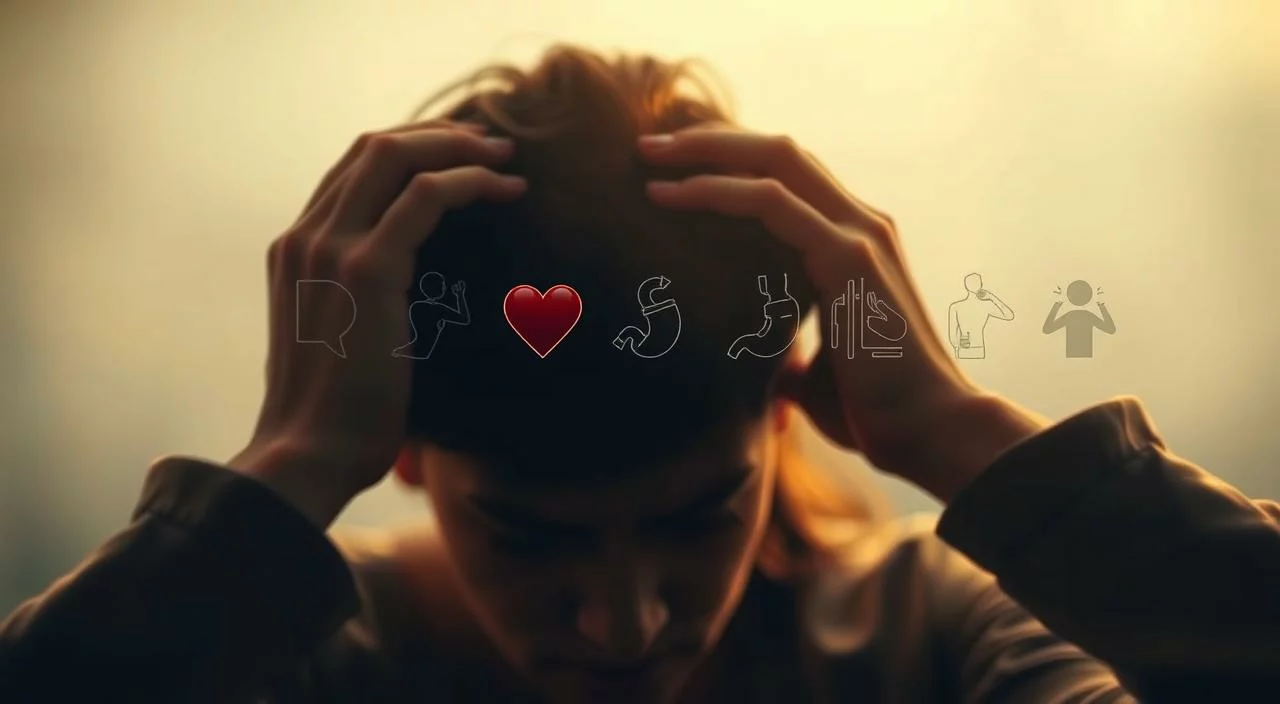
Anxiety can cause symptoms such as excessive worry, muscle tension, and difficulty sleeping. Fortunately, there are natural methods to reduce these effects. Managing anxiety without medication involves practices such as meditation, physical activity, and a balanced diet.
Anxiety is a common problem that affects many people. More than 58 million people suffer from anxiety disorders globally, according to the Pan American Health Organization (PAHO). In Brazil, many people also face symptoms of anxiety in their daily lives.
Symptoms of anxiety include excessive worry and fear of situations or objects. Additionally, panic attacks may occur. These symptoms significantly impact daily life, hindering simple activities and affecting relationships and physical health.
- Excessive and constant worries
- Fear of situations or objects
- Panic attacks
- Difficulty relaxing
- Sleep problems
If you are experiencing these symptoms, it is essential to seek help. With proper treatment, it is possible to manage anxiety and improve your life.
The importance of emotional control techniques
Today, anxiety affects many people. In Brazil, more than 18 million suffer from it, according to the WHO. Finding ways to control anxiety is essential to improving life.
Control your anxiety and you'll see many benefits. You'll feel less stressed, sleep better, and face challenges more easily. Practicing emotional control techniques regularly also helps prevent mental illness.
To manage anxiety, it's crucial to seek alternatives. Techniques such as meditation , yoga, and deep breathing are very effective.
Preventing anxiety is always better than curing it. Exercise, a healthy diet, and avoiding alcohol and stimulants are important steps.
In short, emotional control techniques are very important. They help to manage anxiety and improve life.
Mindfulness and meditation practices
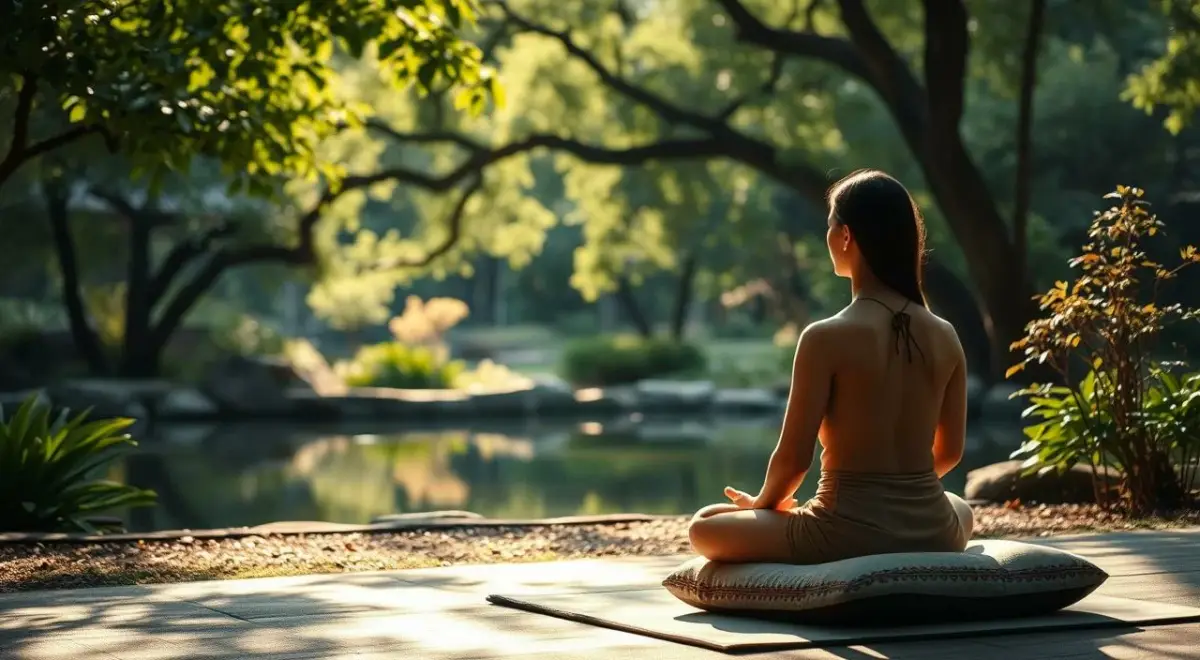
Mindfulness and meditation are very helpful against anxiety. They also improve well-being. Mindfulness is about being in the moment, without judgment or distraction. This is achieved through breathing and meditation techniques .
The benefits are many:
- Stress and anxiety reduction
- Improved focus and concentration
- Reduced insomnia and improved memory.
Practicing mindfulness regularly helps in accepting emotions. This makes managing anxiety easier.
To begin, do short sessions of 5 to 10 minutes a day. Use apps like Headspace and Calm. They have sessions to reduce anxiety. Consistent practice is essential to see the benefits.
The importance of physical activity in combating anxiety.
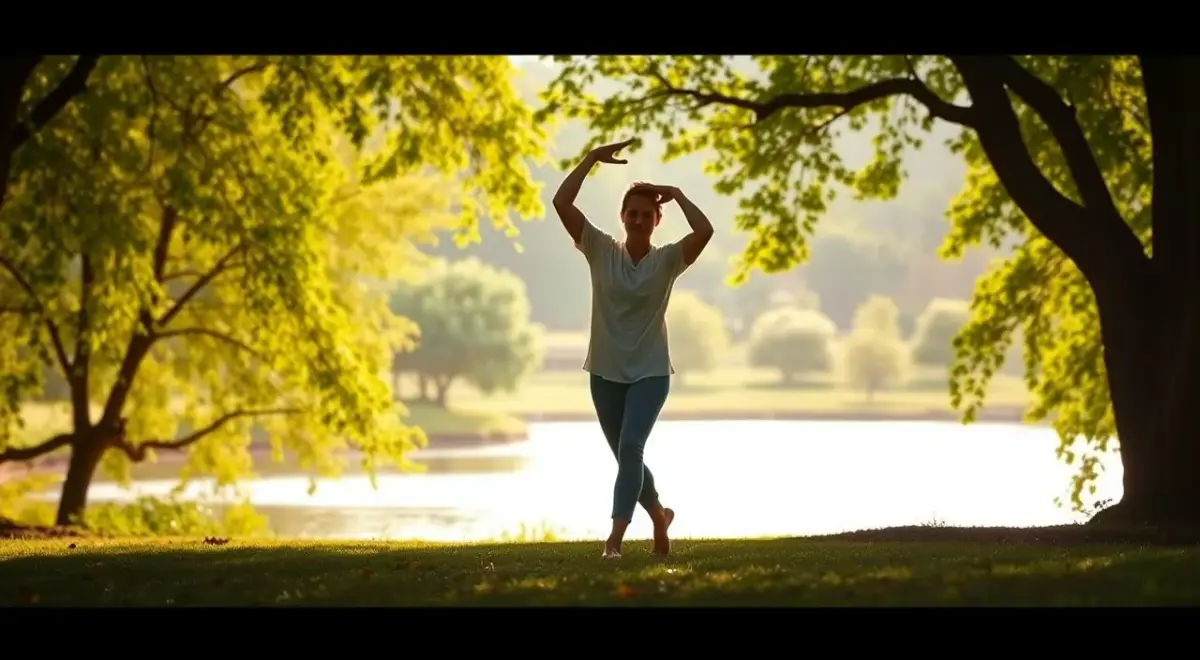
Physical activity is essential to combat anxiety. It reduces stress and improves sleep . Furthermore, regular exercise increases self-confidence and self-esteem, which anxiety can diminish.
Studies show that walking, running, Pilates, swimming, cycling, weight training, and aerobic exercise are great. Any exercise is better than sitting. Even with little exercise, health improves.
Recommended types of exercises
- To go by bicycle
- Run
- Meditate
- Stretch
- To dance
How physical activity helps
Physical activity reduces symptoms of anxiety. It improves sleep and increases self-confidence. Regular exercise also prevents diseases, which helps reduce anxiety.
Tips for staying active
Find an exercise you enjoy that fits into your daily routine. Set achievable goals. And don't forget to ask friends and family for help.
Healthy eating and its impact on mental health.
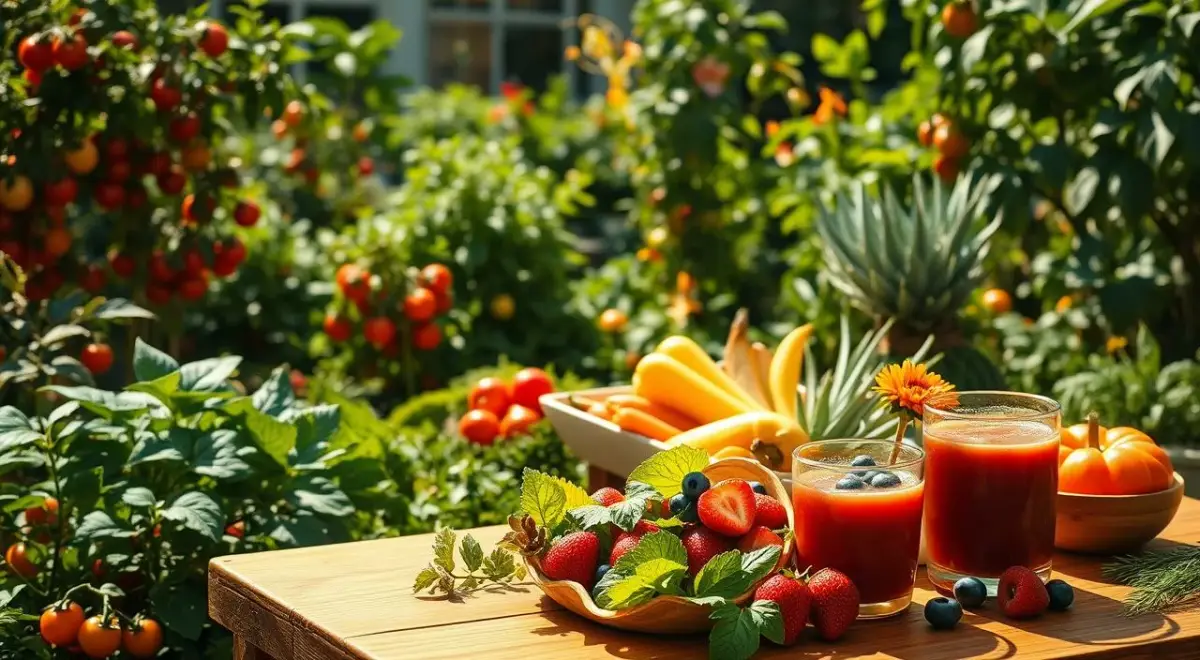
Healthy eating is very important for mental health. Experts at the Professor Frota Pinto Mental Health Hospital say that eating well helps a lot. They believe that a quality diet and healthy habits are essential.
The nutrients in food affect how we feel. Eating nutrient- rich foods helps control anxiety. Some examples of good nutrients include:
- Fruits, vegetables, greens and vegetables
- Whole grains, lean meats, fish, and eggs.
- Beans and skimmed dairy products
It's also important to avoid processed foods. They contain many additives that are bad for mental health. Instead, choose healthy meals such as:
- Salads with fruits and nuts
- Dishes with grilled fish and vegetables
- Soups with vegetables and whole grains
Eating well and having healthy habits helps control anxiety. This promotes better mental health. Remember, a healthy diet is crucial for maintaining a balanced mind.
Breathing techniques to relieve anxiety
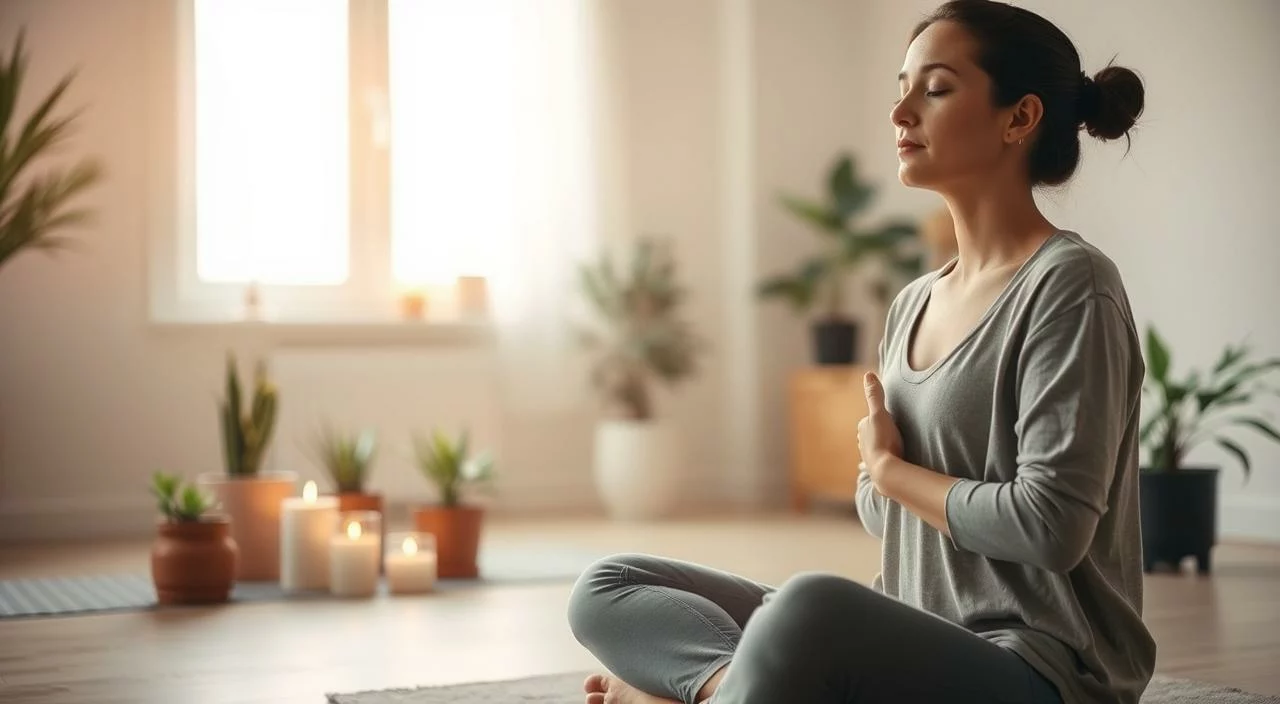
Practicing breathing techniques is very helpful against anxiety. They make the nervous system function better. This reduces the physical symptoms of anxiety, improving quality of life.
There are simple exercises for breathing well every day. For example, square breathing (Sama Vritti) and elongated breathing. Square breathing takes 16 seconds per cycle. Elongated breathing helps to relax, activating the parasympathetic nervous system.
Here are some tips for daily practice :
- Square breathing: 4 seconds to inhale, 4 seconds to pause, 4 seconds to exhale, and 4 seconds to pause again.
- Extended breathing: inhale for 4 seconds and exhale for 8 seconds.
- Practice abdominal breathing while lying down before bed to improve sleep quality.
It's good to combine these techniques with natural calming agents. Chamomile and fennel tea help with stress. With practice, these techniques are very useful against anxiety and improve life.
The role of sleep in mental health
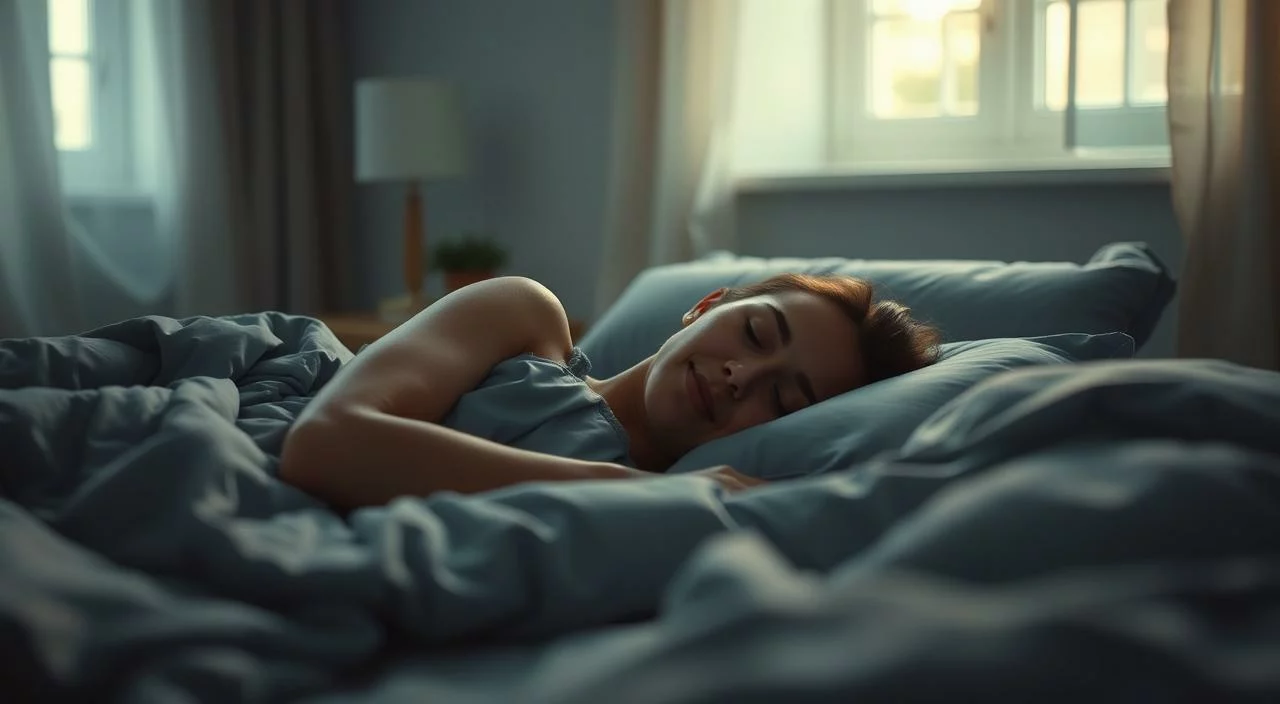
We spend a third of our lives sleeping, or 25 out of 75 years. Sleep helps control anxiety. It is essential for mental health.
The relationship between sleep and anxiety is complex. Lack of sleep worsens anxiety symptoms.
Anxiety can affect sleep. And lack of sleep increases anxiety. Chronic sleep deprivation leads to mental illnesses such as depression and anxiety.
To improve sleep and reduce anxiety, follow these tips to improve sleep quality . For example:
- Establish a regular sleep routine.
- Create a comfortable and peaceful sleep environment.
- Avoid caffeine and alcohol before bed.
- Practice relaxation techniques , such as meditation or deep breathing.
Seeking professional help is crucial if anxiety or lack of sleep is affecting your life. With treatment and tips to improve sleep quality , mental health improves and anxiety decreases.
Alternative therapies: What you need to know
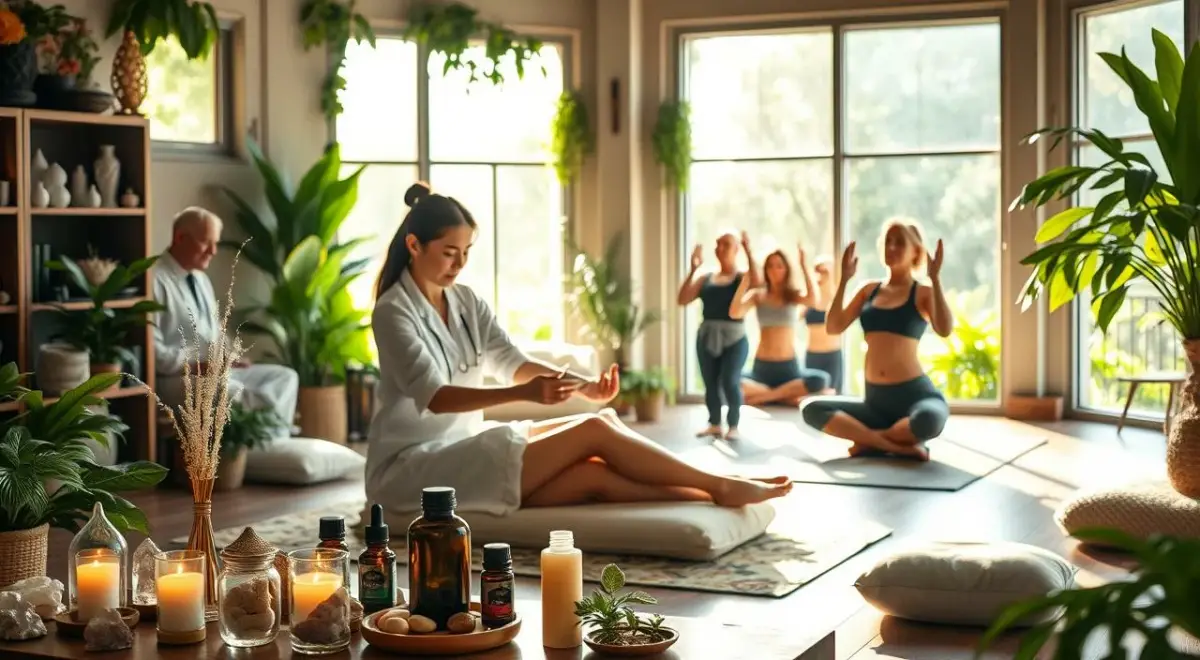
Alternative therapies are becoming more popular for dealing with anxiety. Acupuncture , aromatherapy , and massage are well-known for their helpful effects. They alleviate anxiety symptoms.
Acupuncture is a very old practice. It reduces stress and increases feel-good hormones. Aromatherapy uses essential oils to relax and reduce anxiety. Massage relieves muscle tension and improves well-being.
These therapies can be used in conjunction with other forms of treatment. This includes psychotherapy and meditation. They help to better treat anxiety.
In addition, eating well and exercising are very important. A rich diet and regular exercise help combat anxiety. They improve the lives of those who suffer from anxiety.
| Alternative Therapy | Benefits |
|---|---|
| Acupuncture | It reduces stress and promotes well-being. |
| Aromatherapy | It promotes relaxation and reduces anxiety. |
| Massage | Relieves muscle tension and promotes well-being. |
In summary, therapies such as acupuncture , aromatherapy , and massage help combat anxiety. They improve well-being and mental health.
Support groups and group therapy
Many people face anxiety every day. It's good to know they're not alone. Support groups and group therapy are very helpful.
Group therapy is a safe place to share experiences. This greatly helps those who want to overcome anxiety.
Support groups are available in many places. You can find them in hospitals, mental health centers, and even online.
The benefits of group therapy are numerous. For example:
- Sharing experiences with those who understand.
- Learning new ways to cope with anxiety
- Create a support group
If you are looking for a support group or group therapy , remember: the first time can be difficult, but it's a big step.
With support groups and group therapy , you can overcome anxiety and greatly improve your life.
The practice of gratitude
Gratitude is a positive emotion that brings more positivity. It makes people feel kinder and more generous. Furthermore, it greatly benefits both mental and physical health.
To practice gratitude, you can give thanks for many things. For example, for your health, your job, your dreams achieved, and your freedom. There are several ways to do this, such as using thank-you cards, a jar to write down what you are grateful for, and a journal.
Some benefits of gratitude include:
- Improved sleep quality
- Increased immunity
- Boosting self-esteem
- Reducing stress and anxiety
Gratitude can help you see life in a more positive light. It can be combined with exercise and meditation to improve your mental and physical health.
Learning to deal with triggers
Learning to manage triggers is very helpful in combating anxiety. First, it's necessary to know what these triggers are. They are things that make us feel anxious.
To overcome these triggers , it's essential to have strategies for dealing with challenging situations . Practicing breathing techniques helps a lot. It's also good to exercise and practice mindfulness .
Strategies for dealing with challenging situations
- Develop a daily routine that includes relaxing activities.
- Practice gratitude and optimism.
- Avoid substances that can trigger anxiety, such as caffeine and sugar.
Each person has their own triggers. What helps one person may not help another. That's why it's important to find the right strategies for you.
With practice and patience, it's possible to learn how to manage triggers. Identifying personal triggers is the first step. Then, you can use strategies to cope with challenging situations .
How lifestyle influences mental health
The lifestyle we choose has a major impact on our mental health. Simple changes can make a big difference. For example, regular physical exercise improves mood and energy. Additionally, getting enough sleep is essential for maintaining a balanced mind.
Furthermore, taking care of your diet is fundamental. Eating healthy foods and avoiding excess sugar and salt helps maintain a stable mood. It is also important to avoid excessive consumption of alcohol and drugs, as this can negatively affect mental health.
Another important change is reducing daily stress. Practicing relaxation techniques, such as meditation and yoga, helps maintain calm and balance. Furthermore, dedicating time to activities that bring pleasure and happiness is essential for maintaining mental health.
It's important to remember that each person is unique and has their own needs. Therefore, it's important to find the lifestyle that best suits your individual preferences and needs. Try different activities and find what brings you the most happiness and well-being.
Tips for managing daily stress:
- Practice relaxation techniques, such as meditation and yoga.
- Set boundaries and learn to say no when necessary.
- Enjoy activities that bring pleasure and happiness.
- Seek support from friends and family.
- Practice regular physical exercise.
These are just a few tips to help manage daily stress. Remember that each person is unique and can find what works best for them. Experiment with different approaches and find what brings more peace and well-being to your life.
Want to experience the benefits of hypnosis for anxiety and stress?
Schedule your free 20-minute consultation now and discover how hypnotherapy can transform your life! Access the website and book your appointment .
Source Links
- Natural treatments for anxiety — 7 options to try! - https://blog.mtcshop.com.br/remedio-caseiro-para-ansiedade/
- 7 ways to practice self-therapy and reduce anxiety - https://www.minhavida.com.br/materias/materia-17073
- Anxiety: what it is, how to control it, and main symptoms | CNN Brazil - https://www.cnnbrasil.com.br/saude/ansiedade/
- What can anxiety cause in the body? - https://nav.dasa.com.br/blog/o-que-a-ansiedade-pode-causar-no-corpo
- Learn how to control anxiety with simple techniques - https://www.cuidamosjuntos.com.br/saude/saude-mental/ansiedade/aprenda-controlar-ansiedade-tecnicas
- Is it possible to combat anxiety without medication? See the main treatments - https://www.uol.com.br/vivabem/noticias/redacao/2020/10/23/e-possivel-tratar-a-ansiedade-sem-remedios.htm
- Mindfulness: Practice can be as effective as anxiety medication - https://vidasaudavel.einstein.br/mindfulness-pratica-pode-ser-tao-eficaz-quanto-remedio-de-ansiedade/
- What is mindfulness and expert techniques for practicing it? | CNN Brazil - https://www.cnnbrasil.com.br/saude/mindfulness/
- Mindfulness: Learn how the technique can help relieve anxiety - https://blog.gntech.med.br/mindfulness-saiba-como-a-tecnica-pode-ajudar-no-alivio-da-ansiedade/
- What is the importance of physical exercise for anxiety? - https://vidasaudavel.einstein.br/entenda-a-importancia-dos-exercicios-fisicos-para-a-ansiedade/
- Dr. Carlos Mattos - http://drcarlosmattos.com.br/atividade-fisica-no-combate-a-ansiedade-e-depressao/
- Foods can prevent mental disorders such as depression and anxiety; see recipes - Ceará State Health Department - https://www.saude.ce.gov.br/2021/03/03/alimentos-podem-prevenir-transtornos-mentais-como-depressao-e-ansiedade-veja-receitas/
- Study on nutrition and its impact on mental health - ASBRAN - https://www.asbran.org.br/noticias/1910/em-estudo-a-alimentacao-e-impacto-na-saude-mental
- 5 Breathing Techniques to Relieve Anxiety - Ultra Popular - https://www.drogariasultrapopular.com.br/5-tecnicas-de-respiracao-para-aliviar-a-ansiedade/
- 8 Breathing Techniques That Help Control Anxiety - Marjan Farma - https://marjan.com.br/blog/8-tecnicas-de-respiracao-que-ajudam-a-controlar-a-ansiedade/
- Sleep and mental health: insomnia may be a sign of a psychiatric disorder - Ceará State Health Department - https://www.saude.ce.gov.br/2023/03/16/sono-e-saude-mental-insonia-pode-ser-indicio-de-algum-transtorno-psiquiatrico/
- Sleep: the importance of sleep for mental health - https://www.conexasaude.com.br/blog/a-gigantesca-importancia-do-sono-para-a-saude-mental/
- Is sleep the best medicine? The importance of sleep for health - https://ge.globo.com/eu-atleta/saude/reportagem/2024/06/13/c-dormir-eo-melhor-remedio-a-importancia-do-sono-para-saude.ghtml
- 7 strategies to improve anxiety without medication - https://vidasimples.co/saude-emocional/7-estrategias-para-melhorar-a-ansiedade-sem-remedios/
- 8 treatments for anxiety (medications, therapy, and natural options) - https://www.tuasaude.com/tratamento-para-ansiedade/
- Treating anxiety: 10 alternatives that will help you - https://www.gruporecanto.com.br/blog/como-tratar-ansiedade/
- PROGRAMS AND GROUPS – Institute of Psychiatry – IPq - https://ipqhc.org.br/saude/ambulatorios-e-servicos/programas-e-grupos/
- Everything You Need to Know About Anxiety and How to Control It - https://www.clinicavittavalparaiso.com.br/tudo-o-que-voce-precisa-saber-sobre-ansiedade-e-como-controla-la
- Anxiety remedies: natural and over-the-counter -https://www.tuasaude.com/remedios-para-ansiedade/
- The practice of gratitude: A lighter perspective on life - https://www.conexasaude.com.br/blog/pratica-da-gratidao/
- How to control anxiety with 15 tips - eCycle - https://www.ecycle.com.br/como-controlar-a-ansiedade/
- 6 ways to train your brain to deal with anxiety, an ailment affecting 13 million Brazilians - BBC News Brazil - https://www.bbc.com/portuguese/geral-41689217
- Check out 5 tips for daily actions to reduce anxiety - https://portal.pucrs.br/noticias/pesquisa/5-dicas-acoes-diarias-para-reduzir-a-ansiedade/
- 14 tips to control your anxiety: effective techniques - https://www.conexasaude.com.br/blog/como-controlar-a-ansiedade/
- Treatments for Anxiety: Effective Options - https://www.clinicaazzi.com.br/tratamentos-para-ansiedade-opcoes-eficazes-para-melhorar-sua-qualidade-de-vida/
- Is there treatment for anxiety without medication? - https://www.draligianeuropsicologa.com.br/existe-tratamento-para-ansiedade-sem-remedio/
🌟 Have you considered seeking a therapist to support your well-being journey?
If this article sparked reflections about positive changes in your life, perhaps now is the ideal time to take the next step. Do you know hypnosis as a therapeutic tool? This approach can be surprisingly effective for various personal challenges.
Special offer: Book a free 20-minute consultation with therapist Fabio Morus and discover how therapy can transform your life.
✨ No commitment — Completely free — 20 minutes that can make a difference
👉 Click here to book your free consultation
Don't postpone your well-being any longer. The first step to change is just one click away.