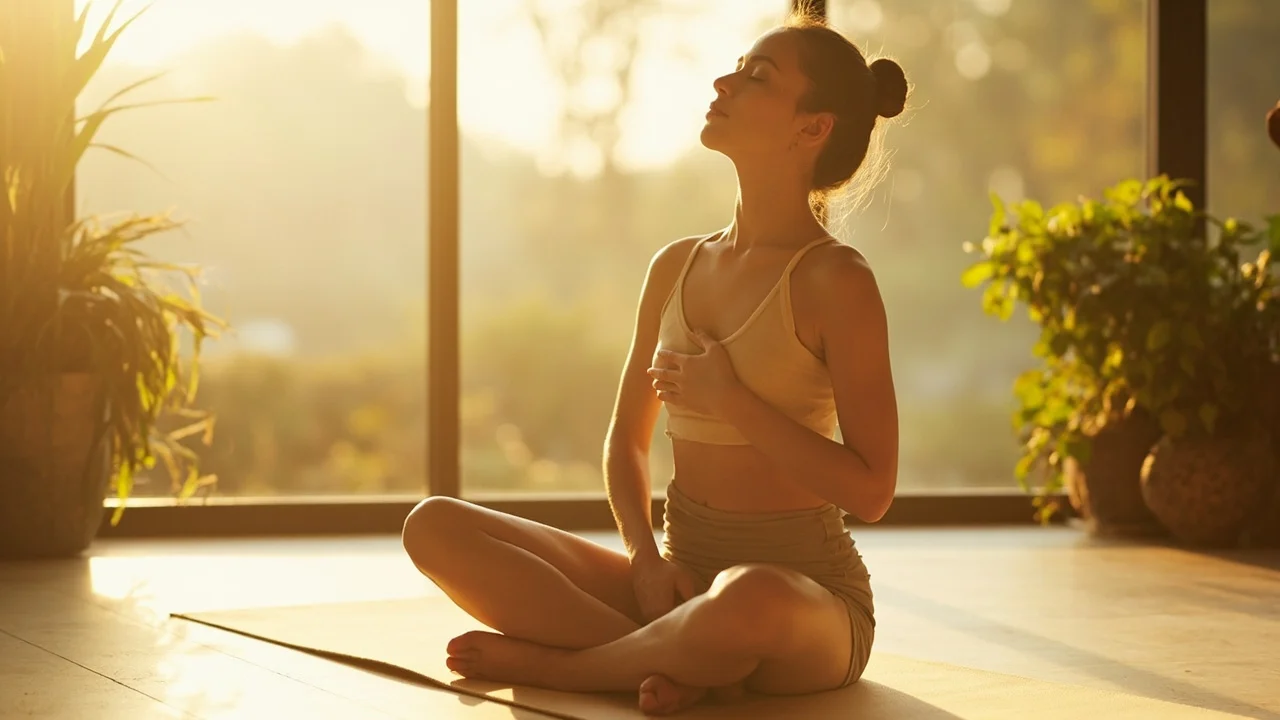

You feel your heart racing even before the problem arises. Your breathing becomes shallow. Your mind races. It’s anxiety—and your body reacts before you even think.
If you want additional 10 simple methods to calm anxiety immediately, it is worth exploring approaches that complement what we’ll cover here.
The good news: there’s a nerve in your body that, when stimulated correctly, turns off this alarm response in just a few minutes. It’s called the vagus nerve.
In this article, you’ll understand what the vagus nerve is, why it directly controls your anxiety, and you’ll learn 6 practical exercises to activate it when your body goes into panic mode.
What Is the Vagus Nerve (and Why It Controls Your Anxiety)
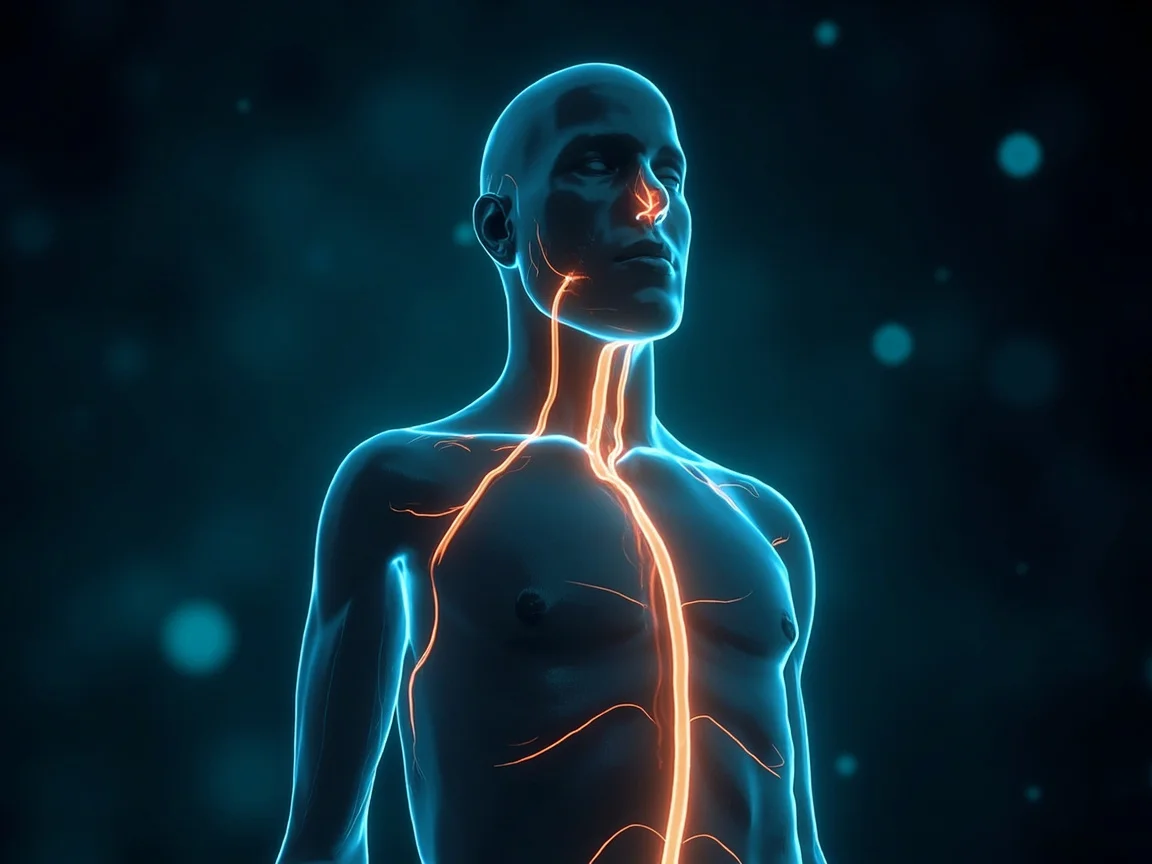
The vagus nerve is the largest nerve in the parasympathetic nervous system—the part of the nervous system responsible for rest, digestion, and recovery. It originates in the brain, runs down the neck, passes through the chest, and reaches the abdomen, connecting the brain to vital organs: the heart, lungs, and intestines.
When you’re in “fight-or-flight” mode (the sympathetic response), the vagus nerve is dormant. When you activate it, it sends a clear message to the body: “The danger has passed. You can slow down.”
The practical result:
- Your heart rate slows down
- Your breathing returns to a normal rhythm
- Your muscles relax
- Your mind slows down
In simple terms: if the vagus nerve is active, anxiety loses its power. And the best part—you don’t need devices, medication, or expensive appointments to start using it.
How the vagus nerve reduces anxiety: the science in 30 seconds
The vagus nerve acts as the nervous system’s “handbrake.” When it’s active, it dampens the stress response, lowers cortisol release, and increases heart rate variability (HRV)—a physiological marker linked to lower anxiety and better emotional regulation.
Studies published by the NCCIH confirm that simple techniques such as slow breathing, cold exposure, and sound vibration measurably activate this nerve. The science behind it is solid—and what makes these techniques so useful is that you can apply them anywhere, without any prior preparation.
6 Practical Vagus Nerve Exercises for Anxiety
Here are six techniques you can use at home, at work, or at any time of day. They’re all simple. The key is to practice them consistently.
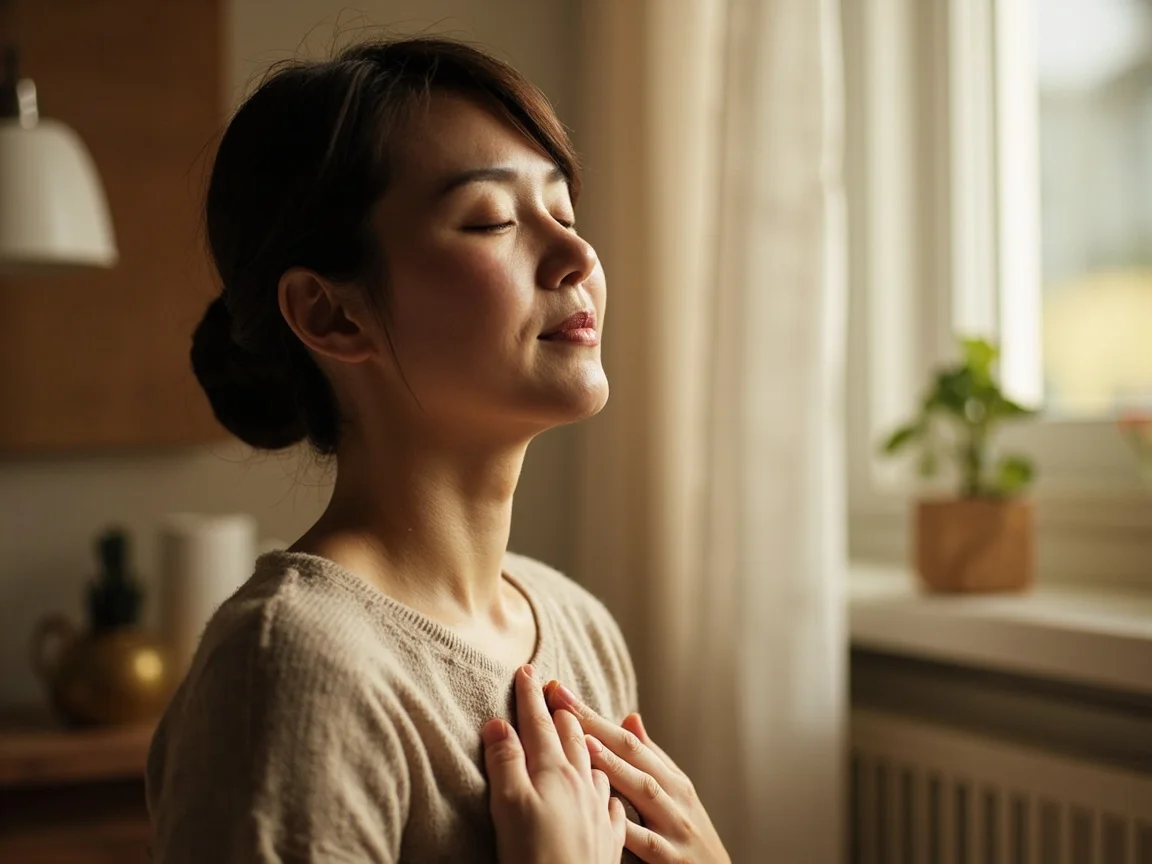
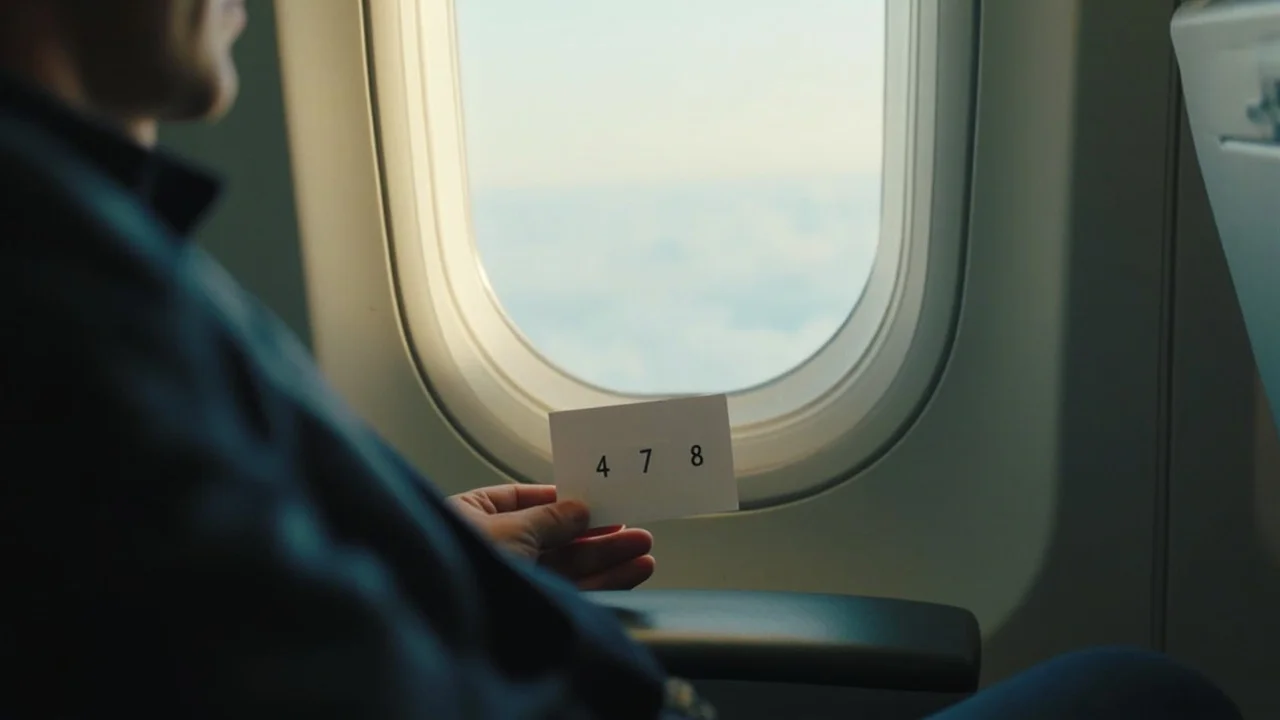
1. 4-7-8 Breathing (the basic technique)
This is the best-known and most effective technique for activating the vagus nerve in just a few minutes. It was popularized by integrative physician Andrew Weil and is based on slow breathing principles used in ancient practices.
Step by step:
- Sit comfortably with your spine straight
- Exhale completely through your nose
- Close your mouth and inhale through your nose while counting to 4
- Hold your breath while counting to 7
- Exhale slowly through your mouth while counting to 8
- Repeat the cycle 4 times
When to use: ideal before bed (activates the deep parasympathetic nervous system) or during moments of peak anxiety throughout the day.
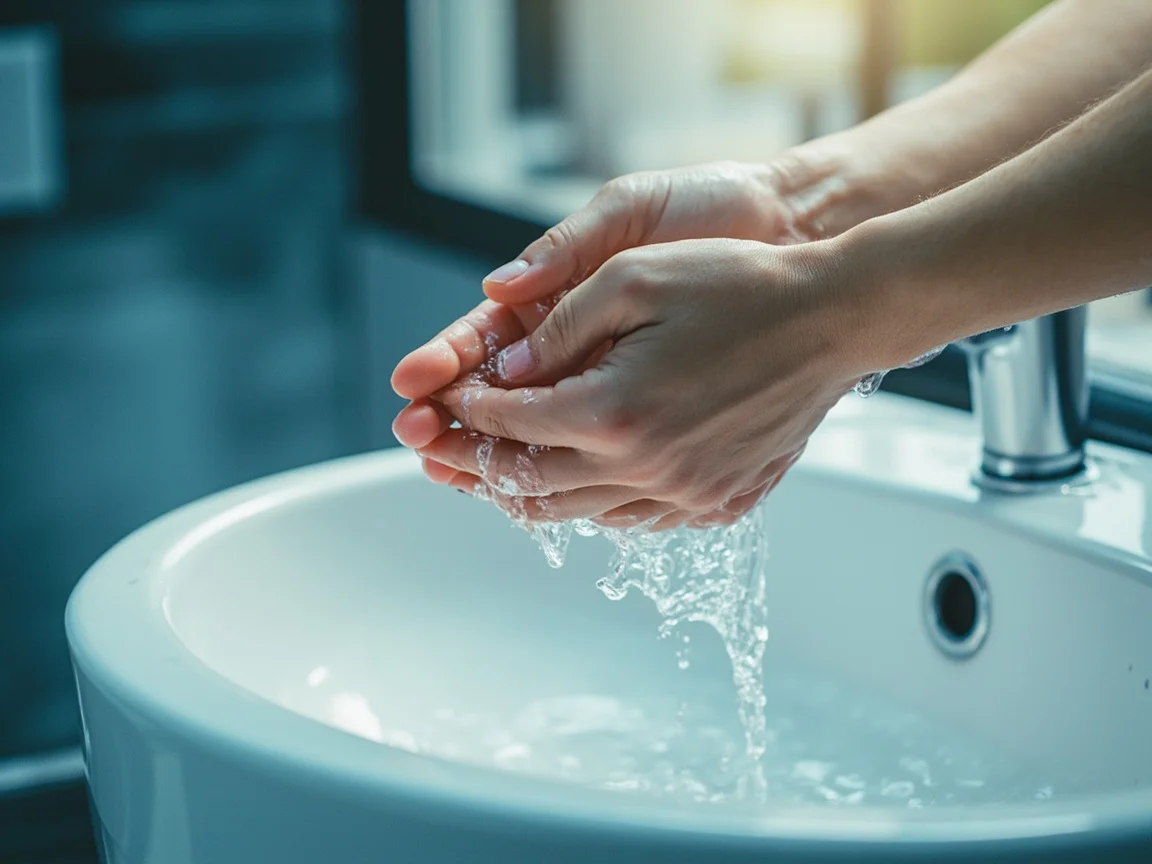
2. Splashing cold water on your face (facial plunge)
Exposure to cold on the face activates the diving reflex—an involuntary response controlled by the vagus nerve from birth. It’s the same mechanism that allows ducks and small children to stay submerged without panicking.
Step-by-step:
- Fill a bowl with cold water (10–15°C)
- Lean over and submerge the area around your eyes and cheekbones for 10–30 seconds
- Breathe normally
- Sit down and observe what happens to your heart rate
Quick alternative: wrap an ice cube in a damp towel and apply it to your face for 30 seconds.
3. Humming and vibration (the “bee sound”)
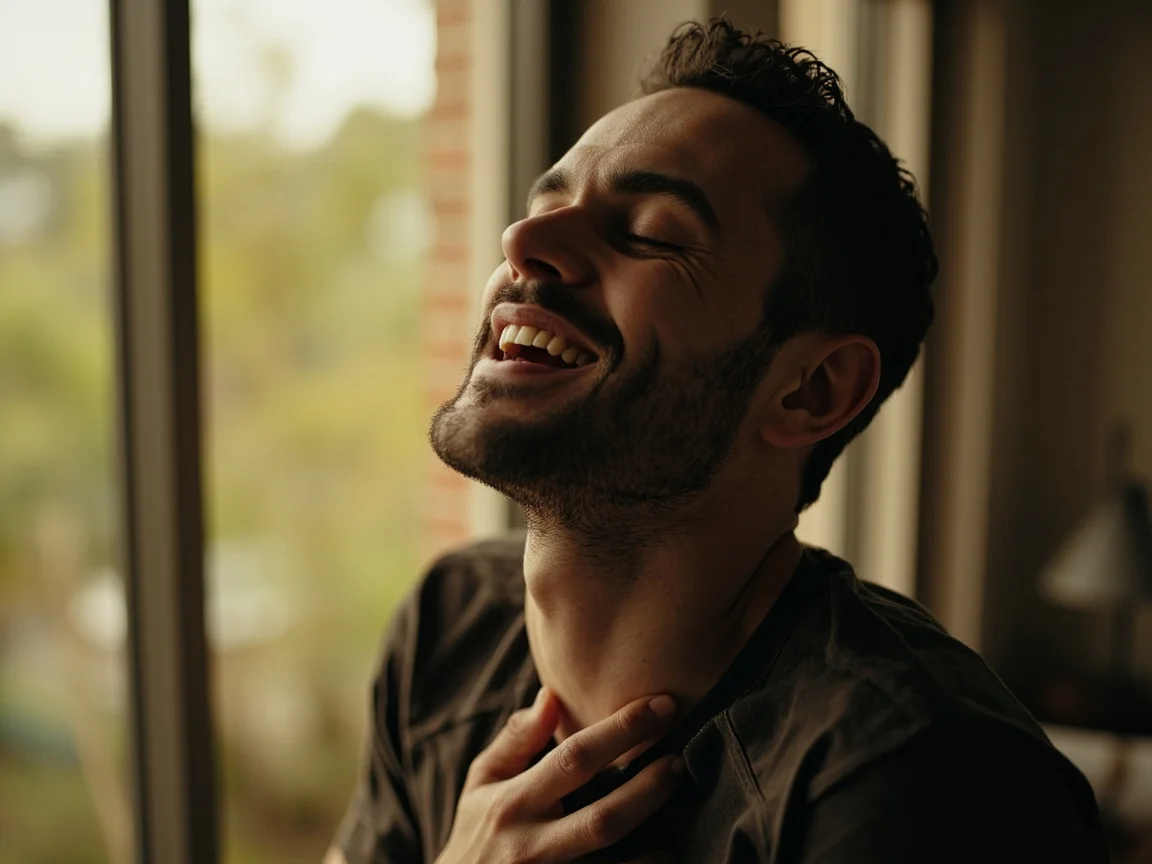
The vibration produced by the “mmm” sound stimulates the vagus nerve endings in the throat. It’s the same principle as bhramari pranayama from the yoga tradition—an ancient technique validated by modern science.
Step-by-step:
- Sit with your spine straight
- Close your eyes and exhale completely
- Inhale through your nose
- As you exhale, make the “mmmmmmm” sound for as long as possible
- Feel the vibration in your lips, tongue, and skull
- Repeat 5 times
4. Deep gargling
It sounds strange, but it works. The movement of the throat directly activates the vagus nerve fibers that pass through that region. That’s why, after gargling forcefully, the body feels immediate relaxation.
Step-by-step:
- Take a glass of water
- Tilt your head slightly back
- Start gargling—the sound should be low and deep
- Continue for 30–60 seconds
- Repeat 2–3 times a day, ideally after meals
5. Auricular stimulation (ear massage)
The outer part of the ear (the auricle) contains branches of the vagus nerve. A gentle massage in this area sends calming signals directly to the brain.
Step-by-step:
- Use your thumb and index finger
- Massage the entire ear, paying special attention to the auricle (the cup-shaped part)
- Apply light pressure in circular motions
- Continue for 1–2 minutes on each ear
6. Singing and vocalization
Singing—even softly—produces a continuous vibration in the throat and chest that stimulates the vagus nerve for an extended period. This is also why choirs and singing groups report a sense of collective well-being.
In practice:
- Take a shower and sing a whole song
- In moments of stress, vocalize “ahhh,” “ohhh,” “ommm” for 1–2 minutes
- If you prefer, hum songs you know by heart during everyday tasks
How to create a 5-minute daily routine
Consistency matters more than duration. A short routine, done every day, is more effective than a long session once a week.
Suggested sequence (morning):
- 4-7-8 breathing (1 minute)
- Vibrating “hum” (1 minute)
- Gargling after breakfast (1 minute)
- Final touch: humming a song while getting dressed (2 minutes)
Emergency sequence (when anxiety strikes):
- Splash cold water on your face
- 4 cycles of 4-7-8 breathing
- Ear massage for 1 minute
Realistic expectations: You may feel immediate relief after using these techniques, but chronic regulation of the nervous system takes 2–3 weeks of daily practice. Be patient. The body needs time to relearn a state of calm—and it does relearn it, every time you practice.
When exercises aren’t enough (and what to do)
Vagus nerve exercises are powerful tools, but they have their limits. If you:
- Experience intense anxiety more than 3–4 days a week
- Have recurring panic attacks
- Avoid situations because of anxiety
- Can’t sleep or work because of your symptoms
…then it’s time to seek professional help. The exercises are an important step, but in cases of chronic anxiety or anxiety disorders, the best approach is to combine self-regulation with clinical treatment.
Clinical hypnotherapy works directly with the regulation of the autonomic nervous system—it goes beyond self-help techniques and helps rebalance deeper patterns. In cases of recurring panic attacks, it is what breaks the vicious cycle of “anxiety begets more anxiety.”
If you want to accelerate this process, [contact Fabio Morus and we’ll build a plan tailored to your specific situation.
Frequently Asked Questions About the Vagus Nerve and Anxiety
How long does it take to feel the effects of vagus nerve exercises?
Many people feel immediate relief after their first 4-7-8 breathing session or facial immersion. But chronic regulation of the nervous system—the body’s ability to return to a calm state more quickly—usually requires 2–3 weeks of consistent daily practice. Don’t expect miracles on the first day. But also don’t give up before completing a full cycle of practice.
Are there any contraindications for these exercises?
The techniques described are safe for most people. The only precaution: if you have heart conditions, epilepsy, or are pregnant, consult your doctor before practicing 4-7-8 breathing or face-dipping with very cold water. Gargling, singing, and ear massage are universally safe and have no known contraindications.
Do these exercises work during an anxiety attack or only for prevention?
Both. The splash of cold water and 4-7-8 breathing work well during acute moments of crisis because they act directly on the autonomic nervous system within seconds. Humming, gargling, and singing are more preventive—they serve as daily practice to raise the body’s “baseline” level of calm, which makes attacks less frequent and less intense over time.
Can I combine vagus nerve exercises with anxiety medication?
Yes. These techniques are compatible with pharmacological treatment and may even help reduce the need for medication in the medium term—always under medical supervision. If you are taking anti-anxiety medication or antidepressants, do not stop taking them on your own—discuss any changes with your psychiatrist.