
Have you ever wondered why so many people face anxiety attacks every day? It's important to understand and manage this condition. It affects many people in Brazil, making us one of the countries with the highest anxiety rates, according to the WHO¹ . Let's look at five techniques for dealing with anxiety, from understanding what anxiety is to how to control the symptoms.
It's crucial to remember that, despite anxiety management techniques , professional healthcare guidance is essential. This is because anxiety disorders can affect our lives in surprising ways. Let's learn how to improve our quality of life by effectively managing anxiety.
Learn more about how to manage crises.
Understanding anxiety crises
An anxiety attack is a moment of great stress that can come on suddenly. At that moment, we feel intense fear or panic without a clear reason. This can lead to symptoms such as tachycardia , sweating , tremors , and even shortness of breath .
In Brazil, the situation is serious: about 9.3% of the population, or 18.6 million people, suffer from anxiety . This condition can be caused by stress, trauma, or intrusive thoughts.
Studies show that 25% of seizures last about 25 minutes , a long period of discomfort . Recognizing the early signs, such as agitation and negative thoughts, is crucial to helping those going through this.
Offering empathy and understanding is fundamental for those who experience anxiety attacks. Furthermore, planning and organizing one's routine helps prevent future attacks.
https://www.youtube.com/watch?v=8YG8HABY25w
| Aspects | Symptoms | Common Causes |
|---|---|---|
| Emotional | Intense fear, panic | Stress, trauma |
| Physical | Tachycardia, sweating | Work pressures, relationships |
| Behavioral | Tremors, shortness of breath | Interpersonal conflicts, substance abuse |
How anxiety impacts our daily lives.
Anxiety can greatly affect our lives if left untreated. It can worsen everyday challenges, impacting work, relationships, and health. For example, it can cause shortness of breath, palpitations, and irritability.<sup> 4</sup>
During the COVID-19 pandemic, Brazil became the most anxious country in the world. This increased anxiety levels by 25%, according to the World Health Organization. This shows how serious anxiety can be, causing insomnia and difficulty focusing.
Anxiety attacks are often caused by excessive fear. They can lead to sweating and a feeling of shortness of breath . Therefore, it's important to know what triggers our anxiety and develop good habits to cope with it.
Methods for recognizing symptoms of anxiety attacks
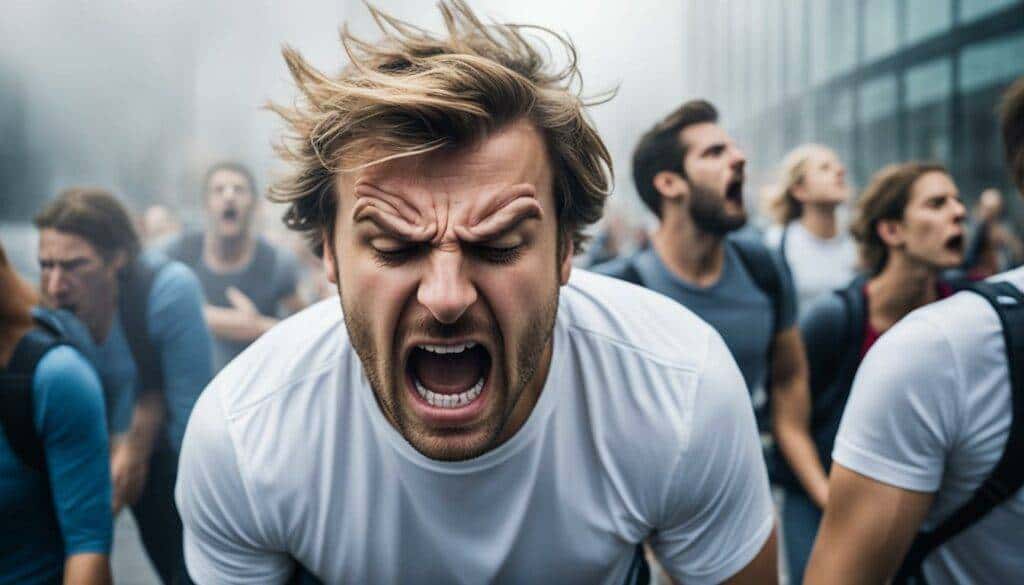
It is very important to know how to recognize the symptoms of anxiety attacks . In recent years, the pandemic has greatly increased these attacks in society. This can be seen as a second pandemic.6 The signs include restlessness, fatigue, and muscle tension, affecting both the body and the mind.7
Concentration problems and insomnia are also signs to watch out for. Around 20 million Brazilians have some type of anxiety disorder. About 70% of these cases are linked to depression . Recognizing these symptoms helps us seek help and use coping techniques.
https://www.youtube.com/watch?v=BVm4P6icaGI
Ignoring the symptoms of anxiety attacks can lead to panic attacks, harming mental health.6 Trauma, work stress , and hormonal imbalances are common causes of these disorders. This shows how crucial it is to recognize anxiety in its various forms.7
5 effective techniques for controlling anxiety attacks
Nowadays, it's very important to know techniques for managing anxiety . They help us in times of crisis. We'll show you five techniques that are very effective in facing these challenges.
Technique 1: Diaphragmatic breathing
Diaphragmatic breathing is the first technique. It helps us to stay calmer. This reduces the body's reactions in stressful situations.
Technique 2: Meditation and mindfulness
Meditation and mindfulness help us focus on the present moment. This prevents us from thinking about things that scare us. They are great practices for those who want to control anxiety.
Technique 3: Progressive muscle relaxation
Relaxing the muscles is the third technique. This involves contracting and relaxing different parts of the body. It's very useful for those who need quick relief.
Technique 4: Yoga and stretching
Yoga and stretching connect our body and mind. They improve flexibility and help reduce anxiety. They are highly recommended by experts .
Technique 5: Regular physical exercise
Physical exercise is very important. Doing activities for 30 minutes a day releases endorphins and lowers cortisol. This makes us feel better 10 11 .

Anxiety crisis: how to control it: practical strategies
Anxiety attacks affect many people nowadays. An anxiety attack can last from 5 to 20 minutes. It is important to use strategies to effectively manage anxiety during this time.
To manage anxiety, it's helpful to distract yourself from the symptoms. Slowing your breathing and relaxing your muscles can also help. These techniques can include enjoyable activities or taking breaks during the day.
Another technique is to count to five or use the five senses technique. This can take the focus away from anxiety. Many people with anxiety have histories of trauma or stress. Therefore, taking care of yourself and respecting your limits is crucial.<sup> 13</sup>
Practicing physical activities, such as meditation and yoga, helps control anxiety. During crises, using guided imagery can bring calm. <sup>14</sup>
https://www.youtube.com/watch?v=DXCxbc6c4DU
The importance of therapy for anxiety.
Therapy for anxiety is very important for those who suffer from it. It helps to understand why anxiety arises and how to deal with it. Cognitive behavioral therapy (CBT) is one of them, and it is very effective. It helps to change negative thoughts and to get to know oneself better. <sup>15</sup>
Those who suffer from anxiety, approximately 264 million people worldwide, can improve with treatment.16 Even without a cure, it is possible to control the symptoms. Consultations with a psychologist are crucial for understanding anxiety and learning how to cope with it.15
Practices like mindfulness and meditation also help a lot. They reduce stress and promote relaxation 17. This makes the treatment more effective.
The symptoms of anxiety can be very difficult to manage. That's why seeking professional help is so important. Therapy and medication can be very helpful . Therapy not only helps during times of crisis, but also improves daily life.

Tips to avoid future anxiety attacks
It is very important to prevent anxiety attacks in order to live well. We will show you some tips for controlling anxiety attacks that work well. Around 19 million Brazilians suffer from anxiety, highlighting the importance of finding solutions . Having a routine helps to reduce anxiety, bringing security and predictability to daily life.
Eating well is another important step. Include foods rich in tryptophan, such as fish and nuts. They improve mood and well -being. Exercising three times a week also helps control anxiety .
It's crucial to know what stresses us. Identifying these triggers helps prevent crises. Having friends and support groups is also very important for anxiety prevention . <sup>19</sup>
https://www.youtube.com/watch?v=kxN6Va4etLw
Practicing breathing and mindfulness helps control stress. Tips for managing anxiety attacks allow us to live better by reducing the impact of anxiety.
Conclusion
Anxiety is a common feeling, but it can be controlled with techniques and professional help. It becomes a problem when it worries us excessively and prevents us from doing normal things. Using therapy, exercise, and breathing techniques helps improve our lives and cope with anxiety .
It is important to know how to recognize signs such as tachycardia and muscle tension during a crisis 22. With these strategies, we can live with more emotional balance and health 21. Seeking help from professionals, such as psychologists and psychiatrists, makes our effort to control anxiety more effective 22 .
FAQ
What is an anxiety attack?
An anxiety attack is a moment of intense fear or discomfort. It lasts a few minutes and brings symptoms such as sweating and palpitations.
What are the symptoms of anxiety attacks?
Symptoms include restlessness and fatigue. There is also muscle tension and difficulty breathing. In severe cases, panic attacks may occur.
How can I control an anxiety attack?
Techniques such as diaphragmatic breathing and meditation are effective. Progressive muscle relaxation, yoga, and exercise also help.
Can therapy help treat anxiety?
Yes, therapy, especially CBT, is very important. It helps to understand emotional triggers and develop healthy habits.
Is it possible to prevent anxiety attacks?
Yes, it's possible. Maintaining a routine, exercising, and setting aside time for enjoyable activities helps. Identifying stress triggers is also crucial.
How does anxiety impact daily life?
Untreated anxiety affects many areas of life. It can interfere with work, relationships, and physical health. It also causes feelings of being overwhelmed.
What are some practical strategies for dealing with anxiety?
Taking breaks from work and using breathing techniques are good strategies. Enjoyable activities also help you relax.
How can I recognize the symptoms of anxiety?
It's important to recognize symptoms like restlessness and fatigue. Identifying these signs helps in seeking help and using coping techniques.
🌟 Have you considered seeking a therapist to support your well-being journey?
If this article sparked reflections about positive changes in your life, perhaps now is the ideal time to take the next step. Do you know hypnosis as a therapeutic tool? This approach can be surprisingly effective for various personal challenges.
Special offer: Book a free 20-minute consultation with therapist Fabio Morus and discover how therapy can transform your life.
✨ No commitment — Completely free — 20 minutes that can make a difference
👉 Click here to book your free consultation
Don't postpone your well-being any longer. The first step to change is just one click away.