
5 Symptoms of Anxiety: Learn the Main Signs
Are you constantly feeling overwhelmed, restless, or unable to relax? Do you often find yourself worrying excessively about everyday situations? If so, you may be experiencing 5 symptoms of anxiety. Anxiety is a common mental health condition that can affect anyone, regardless of age or background. It can interfere with your daily life and overall well-being if left untreated. In this article, we will explore the five main symptoms of anxiety and discuss the importance of therapy and available treatment options. Whether you are experiencing these symptoms or know someone who is, understanding the signs of anxiety is a crucial step in seeking help and finding relief. So, let's delve into the world of anxiety and discover how we can effectively manage its symptoms.
What is anxiety and how does it manifest in the body?
Have you ever felt that tightness in your chest, rapid breathing, sweaty palms, or even stomach aches for no apparent reason? These could be 5 symptoms of anxiety, a mental disorder that affects millions of people around the world. Anxiety is a natural bodily reaction to stress, but when it becomes excessive and persistent, it can become a serious problem.
The five symptoms of anxiety can vary from person to person, but generally include excessive worry, constant fear, insomnia, irritability, difficulty concentrating, and muscle tension. In addition, many individuals may experience unpleasant physical sensations such as palpitations, tremors, shortness of breath, sweating, and muscle aches.
Fortunately, there are several treatment options for anxiety. Therapy is one of the most effective approaches, allowing the patient to understand and cope with their thoughts and emotions in a healthy way. Cognitive-behavioral therapies are particularly useful, as they help identify and modify negative thought patterns that contribute to anxiety.
In addition to therapy, there are also medications prescribed by doctors to treat the five most severe symptoms of anxiety. However, it is important to emphasize that medication is only one part of the treatment and should be used in conjunction with other therapeutic strategies to achieve the best results.
Therefore, if you are suffering from symptoms of anxiety, do not hesitate to seek professional help. Anxiety can be debilitating, but with proper treatment, it is possible to improve quality of life and learn to cope with emotional challenges in a healthier way.
Symptom 1: Excessive and constant worry
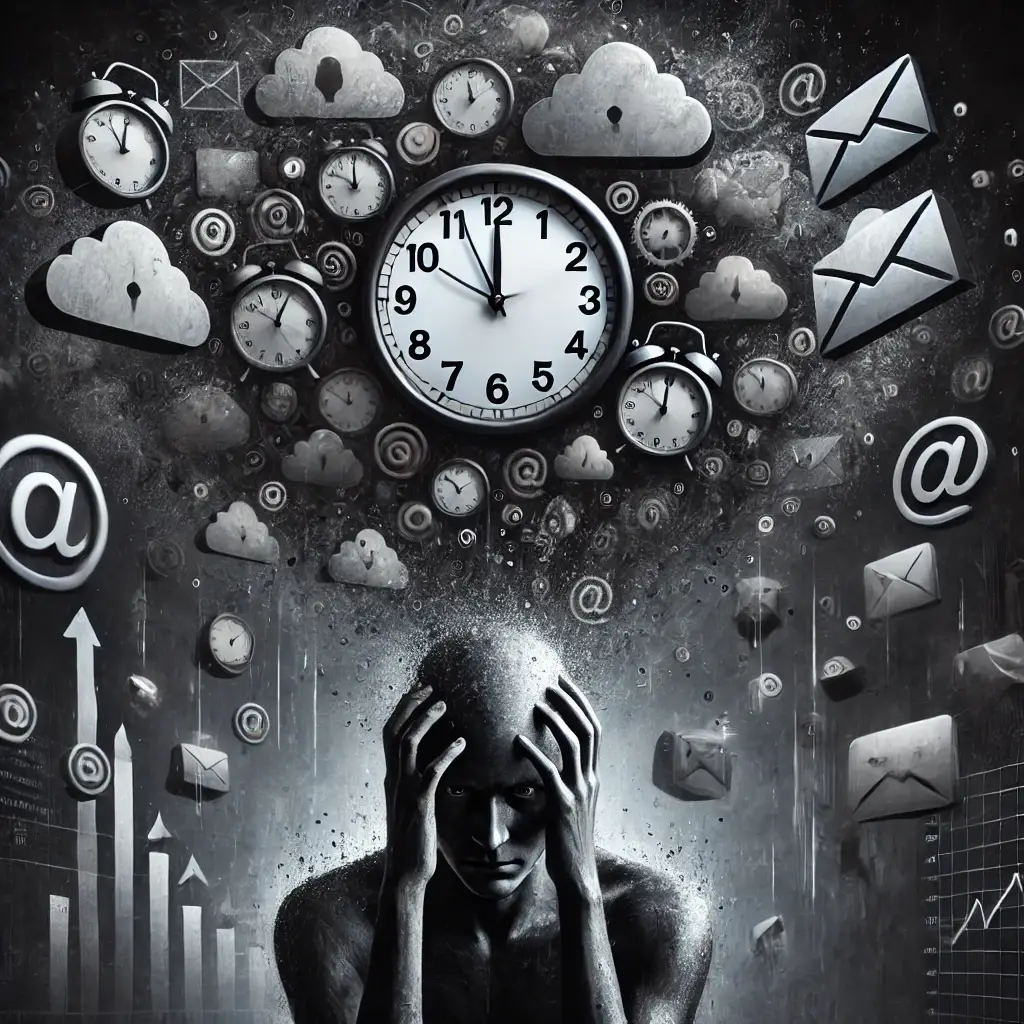
Anxiety is an increasingly common condition in modern society, affecting millions of people worldwide. One of the first symptoms that may indicate the presence of anxiety is excessive and constant worry. This worry can manifest itself in different ways, whether in relation to specific situations, such as public presentations, or in a more generalized way, such as always feeling a sense of apprehension.
One of the main challenges in dealing with anxiety lies in emotional self-awareness. Often, people who suffer from this disorder cannot identify the origin of their constant worries, which makes it difficult to cope with them effectively. Therefore, it is essential to seek professional help to understand the causes of anxiety and develop appropriate control and treatment strategies.
There are several causes for the onset of anxiety, which can vary from person to person. Genetic factors, traumatic events, chronic stress, and chemical imbalances in the brain are just some of the possible causes. Therefore, it is important for each individual to investigate their own experiences and family history to better understand what is triggering their anxiety.
Fortunately, there are several treatments for anxiety available today. In addition to traditional therapy, which has excellent results in aiding emotional self-awareness and anxiety control, there are also medication options when necessary. However, it is important to emphasize that each case is unique and requires personalized treatment, so it is essential to have the support of a professional in the field.
In short, excessive and constant worry is one of the most common symptoms of anxiety. Emotional self-awareness, understanding the causes, and treatments are essential elements in dealing with this condition that affects so many people. By seeking help and learning to identify and understand the origins of anxiety, it is possible to develop effective strategies to control it and live a more peaceful and balanced life.
Symptom 2: Feelings of fear and apprehension
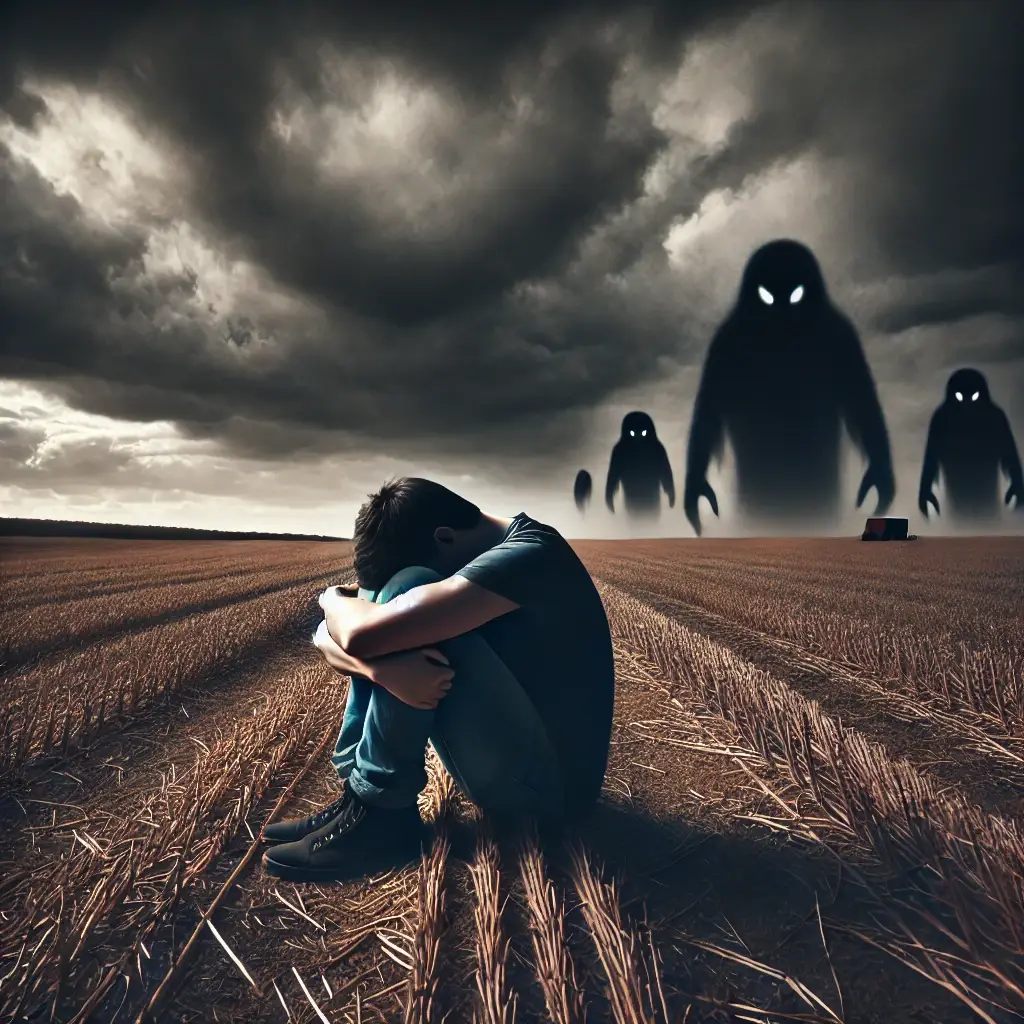
Anxiety disorder is a very common condition nowadays and can manifest in various ways. One of the most prevalent symptoms is a constant feeling of fear and apprehension. These feelings are present almost all the time in the lives of those who suffer from the disorder, making daily life extremely challenging.
Feeling fear and apprehension is natural in situations of real danger, but for those with anxiety, these feelings are exaggerated and can be triggered by everyday situations. This leads to a constant state of alert and tension, significantly impairing quality of life.
Fortunately, there are different treatments available to combat this condition. From cognitive behavioral therapy, which helps in mapping and restructuring negative thoughts, to the use of medications prescribed by healthcare professionals, there are many options that can help alleviate the symptoms of fear and apprehension.
Therapy for anxiety is one of the most effective approaches. It allows individuals to explore the underlying causes of anxiety, learn relaxation techniques, and develop coping skills to deal with fear and apprehension. Furthermore, therapy offers a safe space to share feelings and concerns, which can be extremely beneficial for those living with anxiety.
In short, feelings of fear and apprehension are common symptoms of anxiety disorder. However, it is essential to seek appropriate treatment to effectively manage this condition. If you are experiencing these symptoms, do not hesitate to seek help from healthcare professionals. With proper treatment, it is possible to significantly improve your quality of life and regain emotional balance.
Symptom 3: Restlessness and difficulty relaxing.
Restlessness and difficulty relaxing are common symptoms of mental health problems, such as anxiety. Often, these feelings result from a constant state of worry and tension, which can significantly affect a person's quality of life.
Restlessness can manifest in various ways, from being unable to sit still or concentrate on a task, to experiencing constant physical discomfort, such as headaches or body aches. Furthermore, difficulty relaxing can lead to sleep problems, making it even harder to cope with daily challenges.
Fortunately, there are effective treatments for anxiety and its manifestations. Cognitive-behavioral therapy, relaxation techniques, and medication are some of the options available for those struggling with this condition. Seeking professional help is essential to find the most appropriate and effective treatment for each individual.
Recognizing the signs of restlessness and difficulty relaxing is the first step in seeking help and improving mental health. Don't hesitate to seek a qualified professional, such as a psychologist or psychiatrist, who can assist in diagnosis and the development of a personalized treatment plan. Mental health is fundamental to well-being and quality of life, and investing in self-care is always a wise decision.
Symptom 4: Physical symptoms such as palpitations and sweating.
Often, when we are experiencing intense anxiety, our bodies begin to react physically. This can manifest in different ways, some of which are palpitations and excessive sweating. These symptoms can be frightening and cause even more worry, which ends up creating a vicious cycle of anxiety.
Palpitations, which are rapid and strong heartbeats, are common during episodes of anxiety. This sensation of a racing heart can leave us apprehensive and frightened. Similarly, increased sweating is another physical symptom often associated with anxiety. Sweating excessively, even in situations where we wouldn't normally sweat, can be a sign that we are dealing with high levels of stress.
It's important to emphasize that, despite being physical symptoms, palpitations and sweating are directly linked to anxiety. Therefore, it's crucial to treat the cause of these symptoms, which is anxiety itself. There are various treatments available for anxiety, ranging from traditional therapies to relaxation and meditation techniques.
By seeking professional help, it's possible to identify the origins of anxiety and learn strategies to cope with it in a healthy way. In addition, there are specific medications for anxiety that can help control physical symptoms. The important thing is not to ignore these bodily signals and to seek help when necessary.
In summary, physical symptoms such as palpitations and sweating are common in cases of intense anxiety. They can be frightening, but it's important to understand that they are directly linked to anxiety and to treat it appropriately. Several treatments are available, from therapies to medications, that can help reduce these symptoms. The most important thing is to seek care and support to manage anxiety in a healthy way and improve quality of life.
Symptom 5: Difficulty concentrating and irritability
Anxiety is a condition that affects millions of people around the world. It can manifest in various ways and present a range of symptoms, one of which is difficulty concentrating and irritability. These symptoms can be extremely challenging for those who experience them daily.
One of the characteristics of anxiety is a restless mind, which makes it difficult to maintain focus and attention on a specific task. An anxious person may have difficulty completing their tasks due to constant distractions or intrusive thoughts. This can result in feelings of frustration and low productivity, which ultimately generates even more anxiety.
Besides difficulty concentrating, irritability is also a common symptom of anxiety. An anxious person tends to be more sensitive and reactive to external stimuli, and can easily become irritated by situations or people around them. This constant irritability can negatively affect interpersonal relationships and have a significant impact on the individual's daily life.
It's important to emphasize that difficulty concentrating and irritability can appear together or separately as symptoms of anxiety. If you are experiencing these symptoms, it is essential to seek professional help. Only a qualified professional can make an accurate diagnosis and recommend the most appropriate treatment for your specific case. Through therapy, medication, and lifestyle changes, it is possible to better control and manage anxiety, improving your quality of life and emotional well-being.
Understanding the relationship between anxiety and physical symptoms.
Anxiety is a problem that affects millions of people around the world. In addition to emotional and mental symptoms, many also suffer from physical symptoms resulting from this condition. Understanding the relationship between anxiety and physical symptoms is fundamental to dealing with the problem effectively and seeking appropriate treatment.
Among the most common physical symptoms of anxiety are palpitations, excessive sweating, tremors, shortness of breath, and headaches. These symptoms can be extremely uncomfortable and significantly impact an individual's quality of life. Furthermore, anxiety can also trigger gastrointestinal problems such as nausea, diarrhea, and abdominal pain.
The relationship between anxiety and physical symptoms occurs due to how the body reacts to stress and intense emotions. When we are anxious, our nervous system enters a state of alert, triggering a series of physiological reactions. This results in changes in heart rate, blood pressure, and the release of cortisol, known as the stress hormone.
Therefore, it's important to understand that anxiety is not just an emotional problem, but also has a significant impact on the body. When seeking treatment for anxiety, it's crucial to address both emotional and physical symptoms with the help of qualified professionals such as psychologists and psychiatrists. Furthermore, adopting healthy habits, such as regular physical exercise, meditation, and a balanced diet, can help control symptoms and promote overall well-being.
How to identify the symptoms of anxiety in everyday life.
Anxiety is an increasingly common problem in modern society, affecting people of all ages. Recognizing the symptoms of anxiety is fundamental to seeking help and appropriate treatment. In this article, we will highlight 5 symptoms of anxiety that can be observed in daily life.
1. Excessive worry: one of the main characteristics of anxiety is constant worry. Feeling constantly on alert, thinking about future situations, and having difficulty switching off your mind are signs of anxiety.
2. Irritability and restlessness: Another common symptom is irritability and restlessness. Anxious people may feel restless, agitated, and have difficulty relaxing. Furthermore, small things can cause excessive irritation.
3. Constant fatigue: Anxiety can cause fatigue and tiredness even during rest. Even if a person sleeps adequately, they may wake up tired and feel exhausted throughout the day.
4. Difficulty concentrating: Anxiety can also impair concentration and memory. It's common to have difficulty concentrating on simple tasks, forget important information, and have a mind full of thoughts.
5. Physical symptoms: In addition to emotional symptoms, anxiety can cause physical symptoms such as palpitations, sweating, tremors, muscle tension, and shortness of breath. It is important to be aware of these signs, as they may indicate the presence of anxiety.
It's important to highlight that anxiety is a treatable condition and that seeking professional help is essential. If you identify these symptoms in yourself or someone close to you, it is recommended to seek a doctor or psychologist to receive the appropriate diagnosis and begin the necessary treatment. Don't let anxiety interfere with your quality of life.

Strategies for coping with anxiety symptoms
Anxiety is an increasingly common problem these days. With the constant pressure and rush of daily life, it's natural for people to feel anxious at various times. However, when anxiety becomes excessive and begins to interfere with quality of life, it's important to seek strategies to cope with the symptoms and control anxiety.
There are different symptoms of anxiety, and each person may experience a unique set of reactions. However, some symptoms are common to most people who suffer from the condition. These include excessive worry, irritability, difficulty concentrating, insomnia, and changes in appetite.
An effective strategy for dealing with these symptoms is regular physical exercise. Physical activity releases endorphins, neurotransmitters responsible for feelings of well-being, helping to reduce anxiety. In addition, exercise also improves sleep quality and helps relieve muscle tension caused by stress.
Another important strategy is learning to breathe correctly. Deep, slow breathing helps reduce anxiety levels because it activates the parasympathetic nervous system, responsible for relaxing the body. Practicing diaphragmatic breathing can bring immediate relief during anxiety attacks.
Furthermore, seeking emotional support is crucial. Sharing your feelings and concerns with a friend, family member, or therapist can be extremely beneficial in reducing anxiety. Hearing comforting words and having someone to confide in can help put things into perspective and find solutions to cope with problems.
In short, it's important to remember that anxiety is a condition that can be treated and controlled. Using strategies such as physical exercise, proper breathing techniques, and emotional support can be great allies in the pursuit of a more balanced life free from anxiety symptoms.
Conclusion: Seek help if symptoms persist.
Anxiety is a common problem that affects many people at different times in their lives. It's important to recognize the symptoms of anxiety in order to seek appropriate help when needed. There are several signs that may indicate we are dealing with anxiety, such as excessive worry, a constant feeling of apprehension, difficulty concentrating, irritability, and muscle tension.
However, it's important to point out that not everyone will experience the same symptoms. Furthermore, the intensity and frequency of symptoms can also vary from person to person. Therefore, it's crucial to pay attention to the signals our body gives us.
If you are experiencing these symptoms of anxiety and they are negatively impacting your life, it is crucial to seek professional help . A psychologist or therapist will be able to make a more accurate diagnosis and recommend the most appropriate treatment for your case. Cognitive-behavioral therapy, for example, has proven very effective in treating anxiety.
Remember that anxiety is not something to be ignored. It can affect your mental and emotional health, as well as interfere with your performance in daily activities. Therefore, don't hesitate to seek help if symptoms persist. You are not alone on this journey, and there are qualified professionals ready to help you regain your quality of life.
🌟 Have you considered seeking a therapist to support your well-being journey?
If this article sparked reflections about positive changes in your life, perhaps now is the ideal time to take the next step. Do you know hypnosis as a therapeutic tool? This approach can be surprisingly effective for various personal challenges.
Special offer: Book a free 20-minute consultation with therapist Fabio Morus and discover how therapy can transform your life.
✨ No commitment — Completely free — 20 minutes that can make a difference
👉 Click here to book your free consultation
Don't postpone your well-being any longer. The first step to change is just one click away.